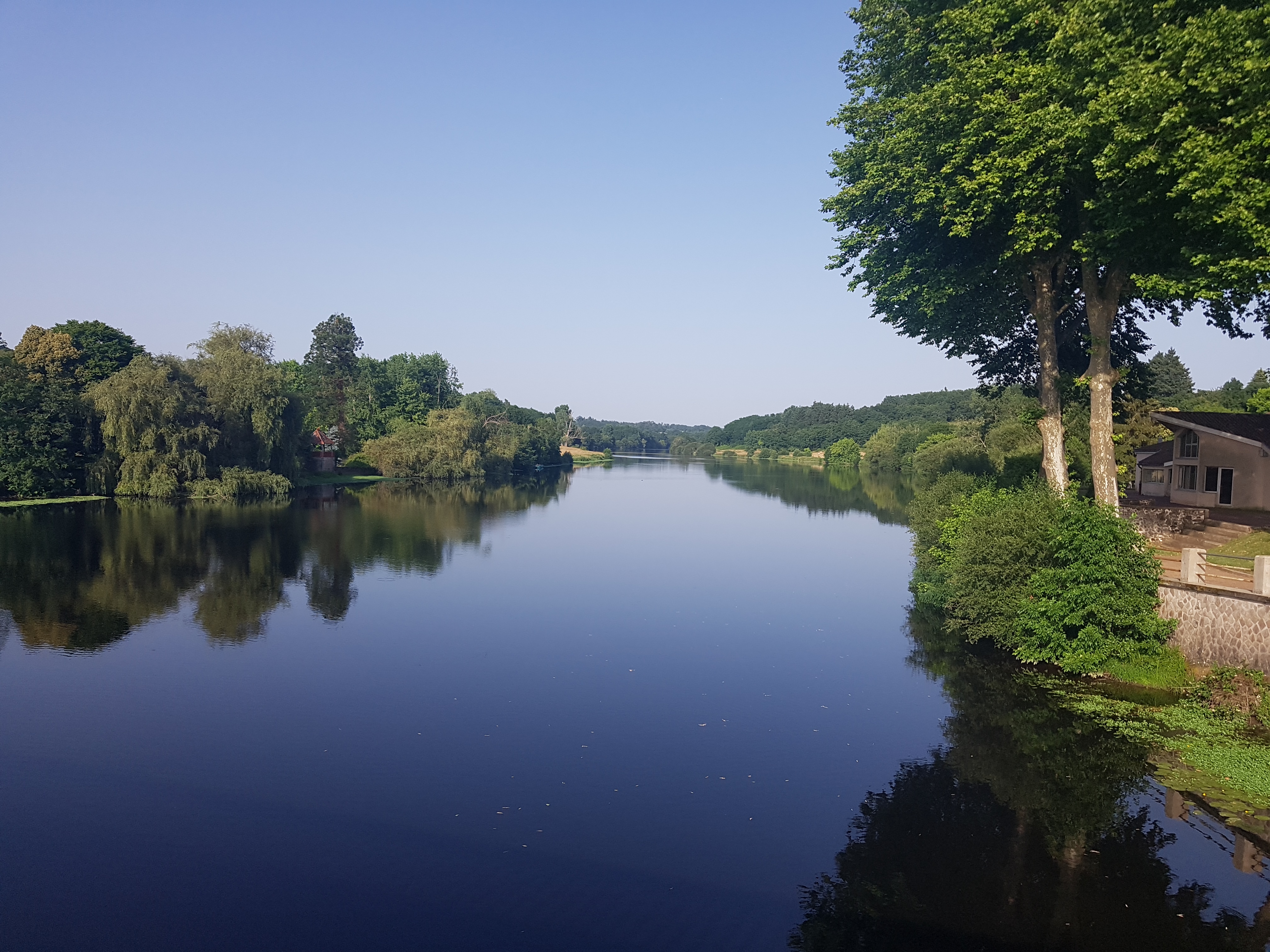
Summertime, and the livin’ is easy


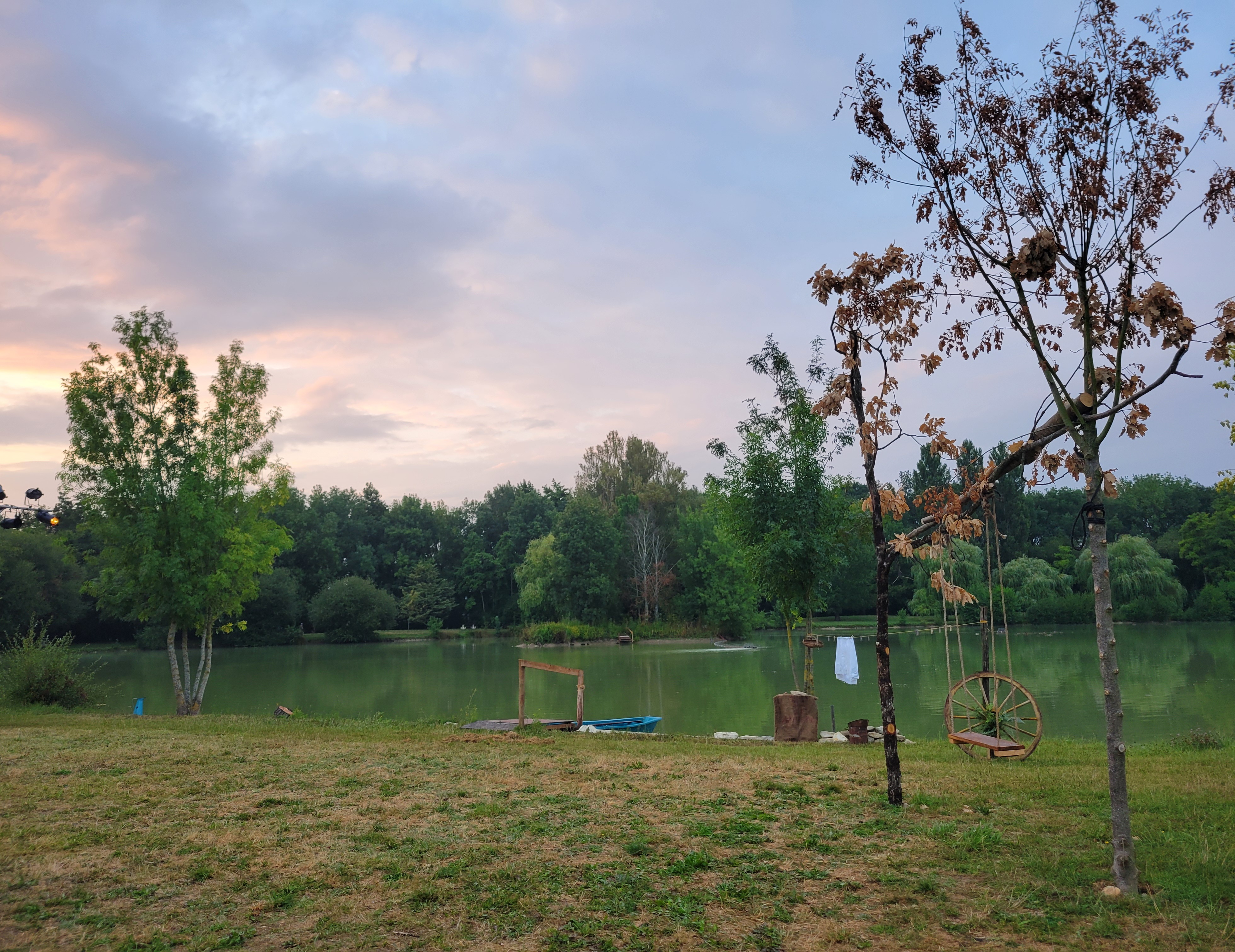
Its been a busy summer with local brocantes, markets and aperos with friends and all in beautiful weather, and its not over yet!

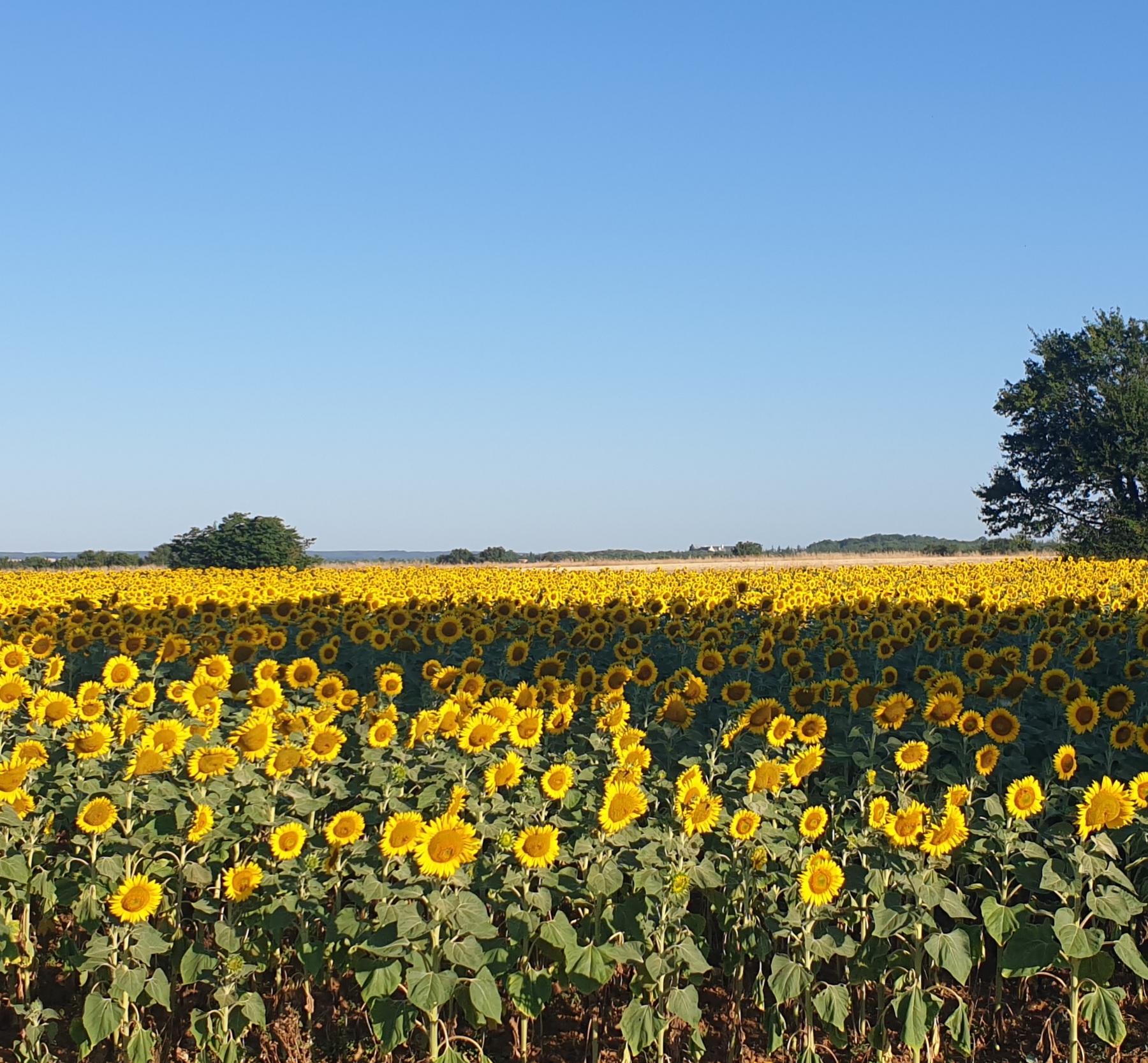
I have been loving my dog walks in the countryside from July when we had weeks of the fields bursting with sunflowers. In the sunshine the fields looked almost a fluorescent yellow, just stunning. In the morning the flowering buds and young blossom face the east and then track the sun. This is distinctive to sunflowers and called ‘heliotropism’.
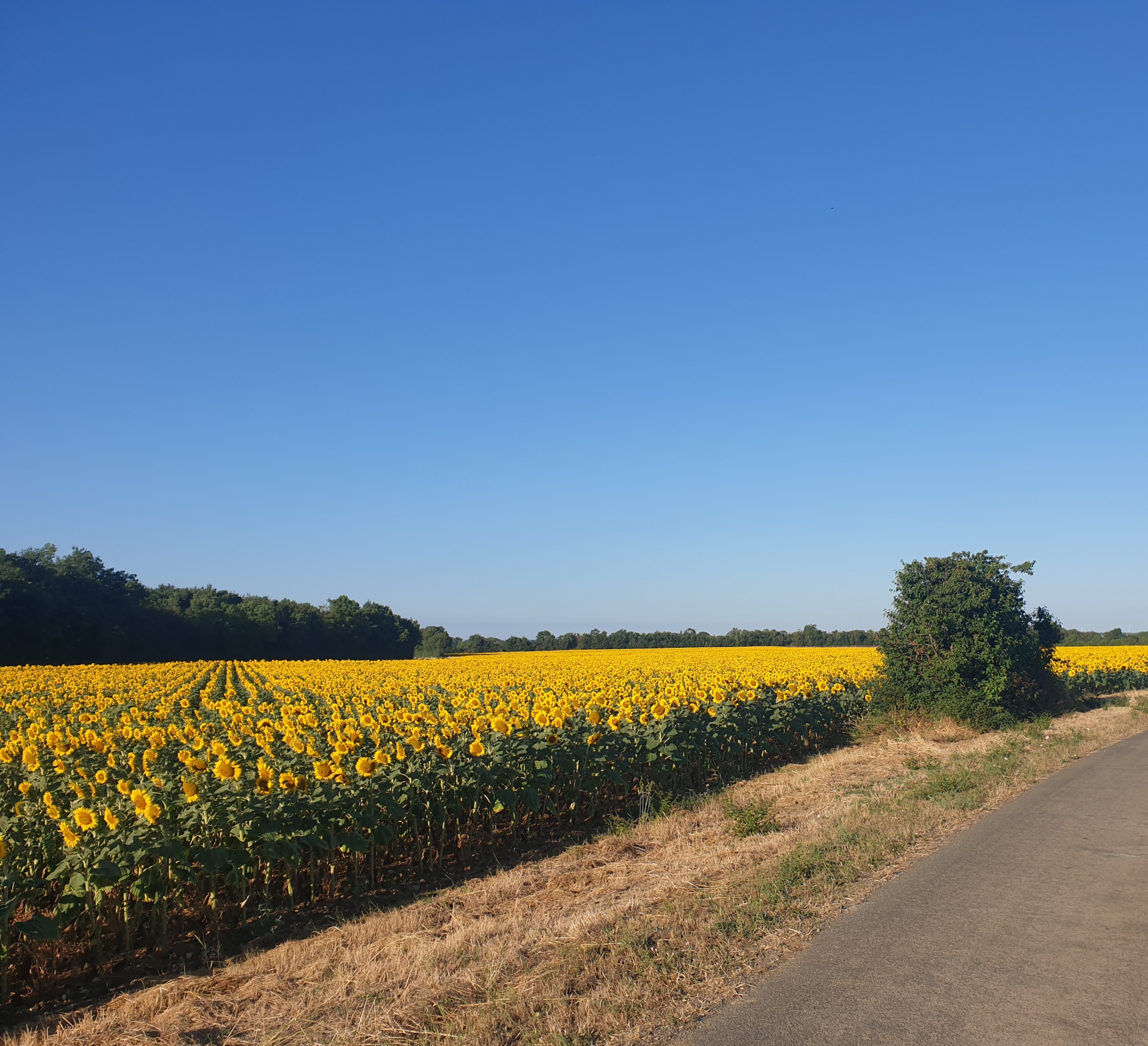
Did you know, France is the fifth largest producer of sunflower oil (Ukraine being no.1). And sunflowers have additional uses aside from human consumption. They are able to remove toxins from the soil and in fact where used in the remediation of contaminated areas affected by nuclear disasters in Chernobyl and Fukushima. Sunflower seeds were even grown successfully on the International Space Station back in 2012, as part of a biological experiment by astronaut Don Pettit.

Sorry, let me move on from my obsession with sunflowers!

Late July, I spent a wonderful evening at a theatrical show ‘L’exode de Ardennais’ which was performed in the grounds of the Château de Javarzay in Chef Boutonne, Deux Sévres.

The show explored the different cultures, the solidarity, fears, mistrust, friendship and love of two families in the Mellois region. As during the Second World War, May 1940, there was a government directive to around 70,000 people in Ardennes, to flee the advancing German army and take refuge in the department of Deux Sévres. How would people from the industrial East be welcomed in the agricultural West?

A very moving and funny story. It was of course all in French but I managed to follow and understood about 50% of the language which was a pleasant surprise for me!

Then it was time for my city fix and a visit to Paris and another exhibition, this time at Le Louvre.

I had never been to Le musée du Louvre and could not believe the size but then it is the largest museum in the world! A far cry from when it opened in August 1793 with 537 paintings both royal and confiscated church property.

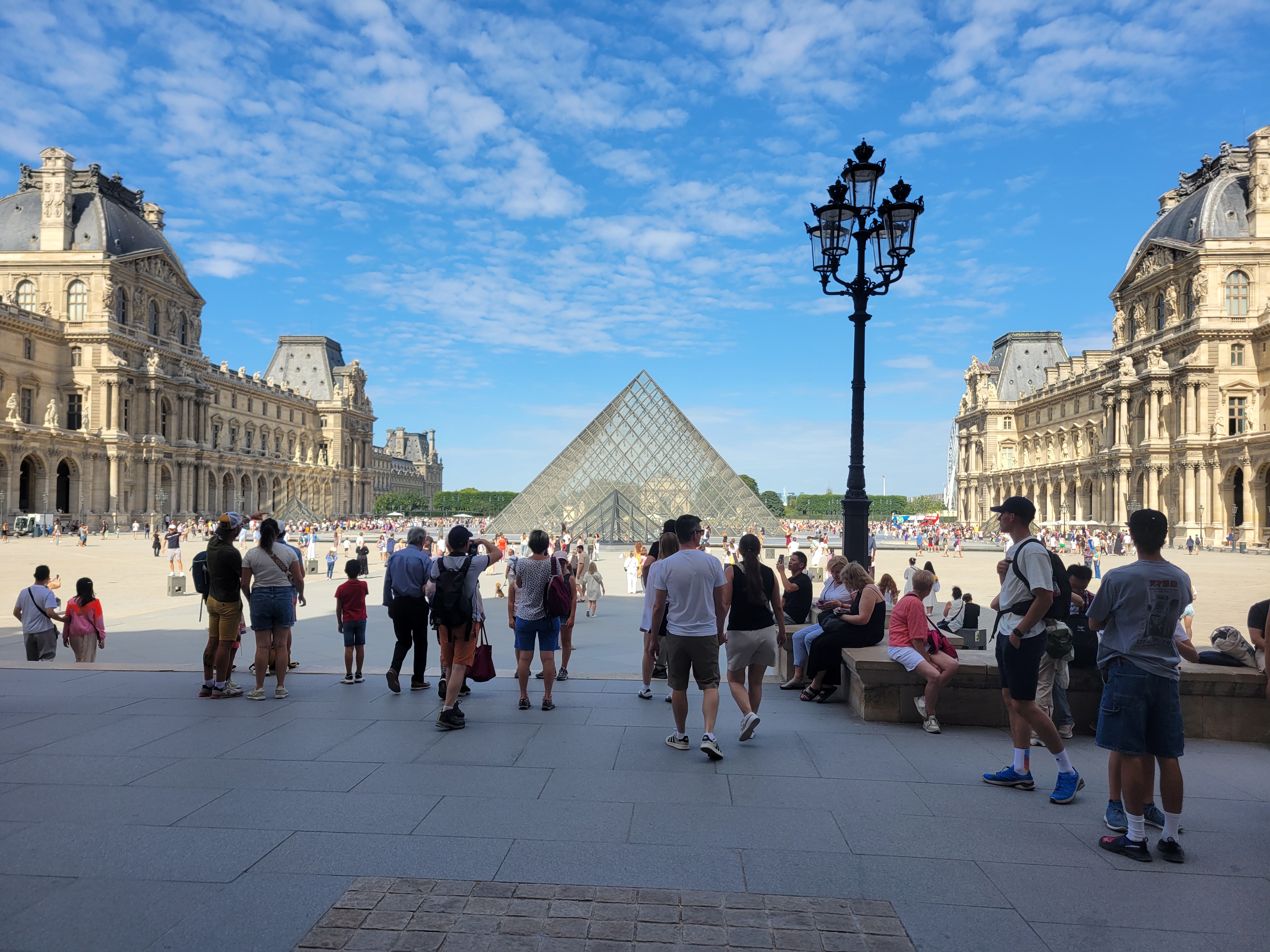
The iconic glass Pyramid designed by the late I.M. Pei, was inaugurated 29th March 1989 after four years work. It is a mini city and took us about twenty minutes to locate ´Louvre Couture’ and that was with Carolyn knowing the museum really well!
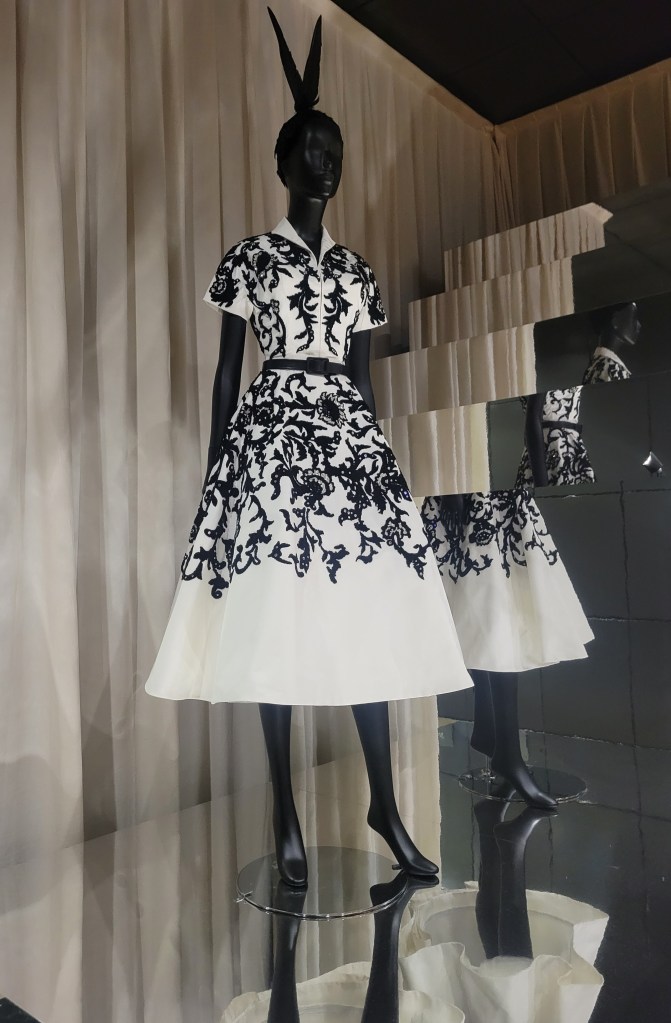
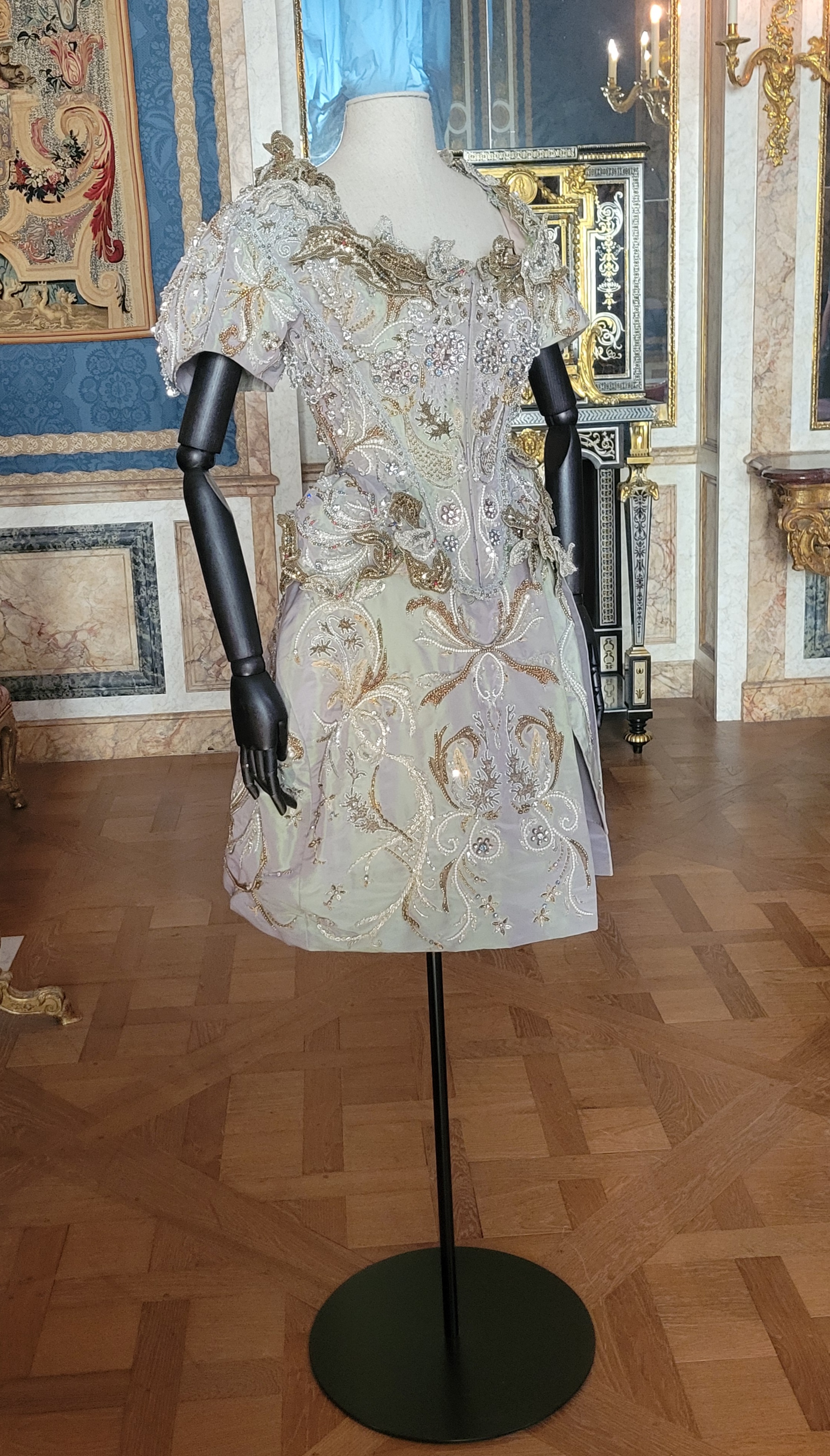
S/S 1949 Haute Couture – Christian Dior designed this hand embroidered gown, named ‘Musée du Louvre.

It was situated in the Richelieu wing, ‘Department of Decorative Arts` home to unique collections from Byzantium to the Second Empire.
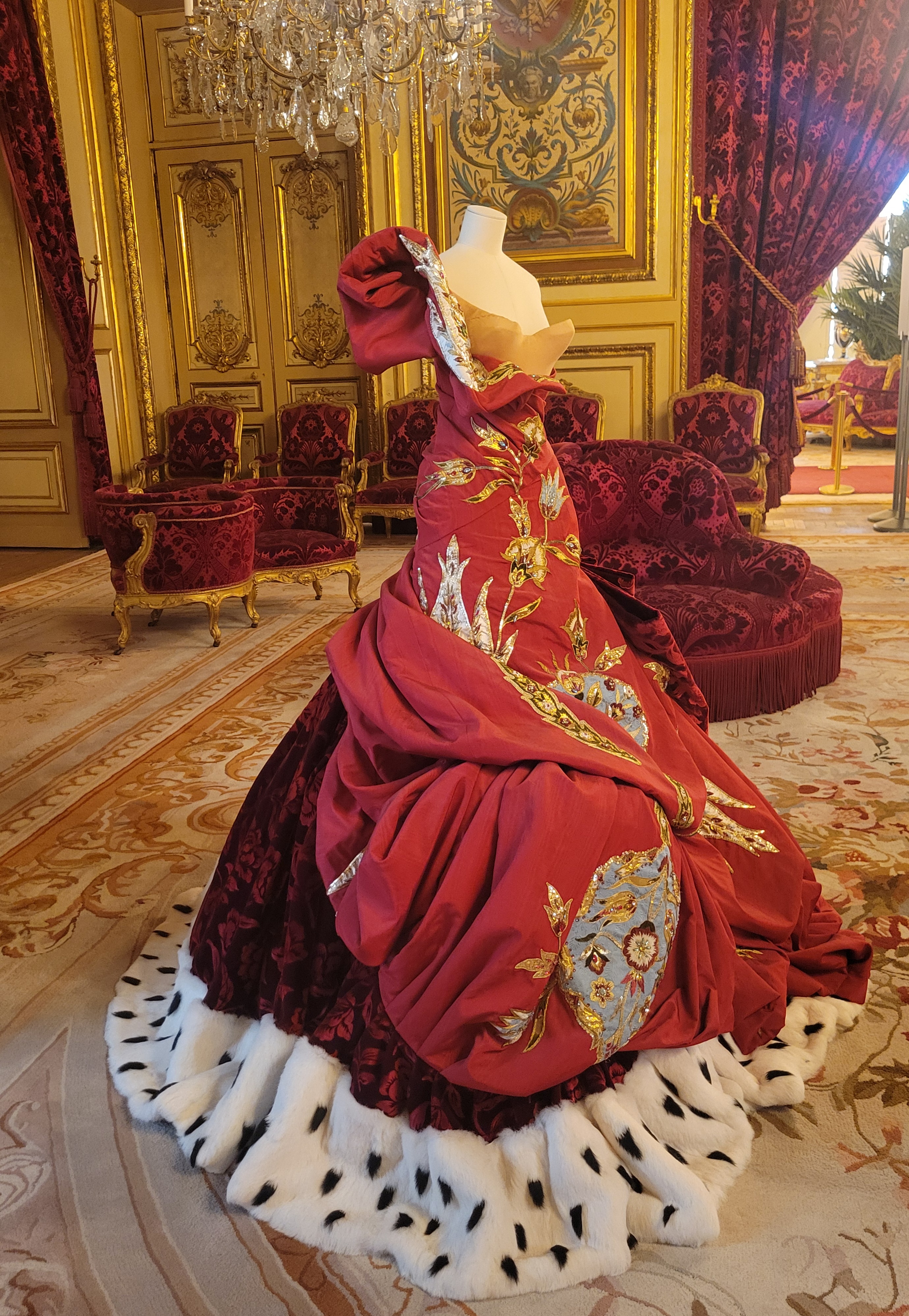
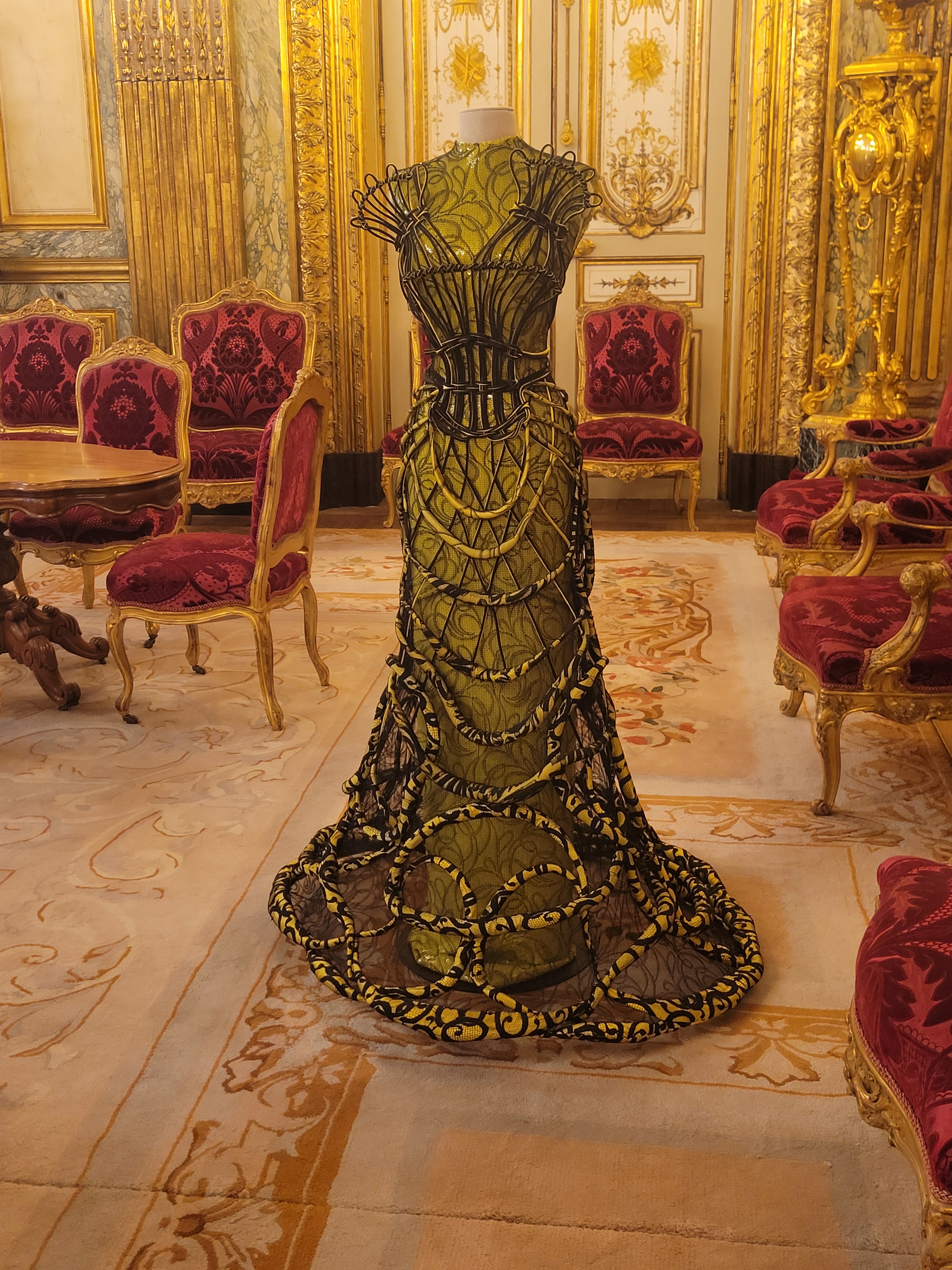
(L to R – Christian Dior by John Galliano, Jean Paul Gaultier and Balenciaga)

It was the first time contemporary fashion pieces and accessories have been exhibited at Le Louvre. Exploring the interplay of design, fabrics, techniques with the history of art and culture, it sounded interesting.
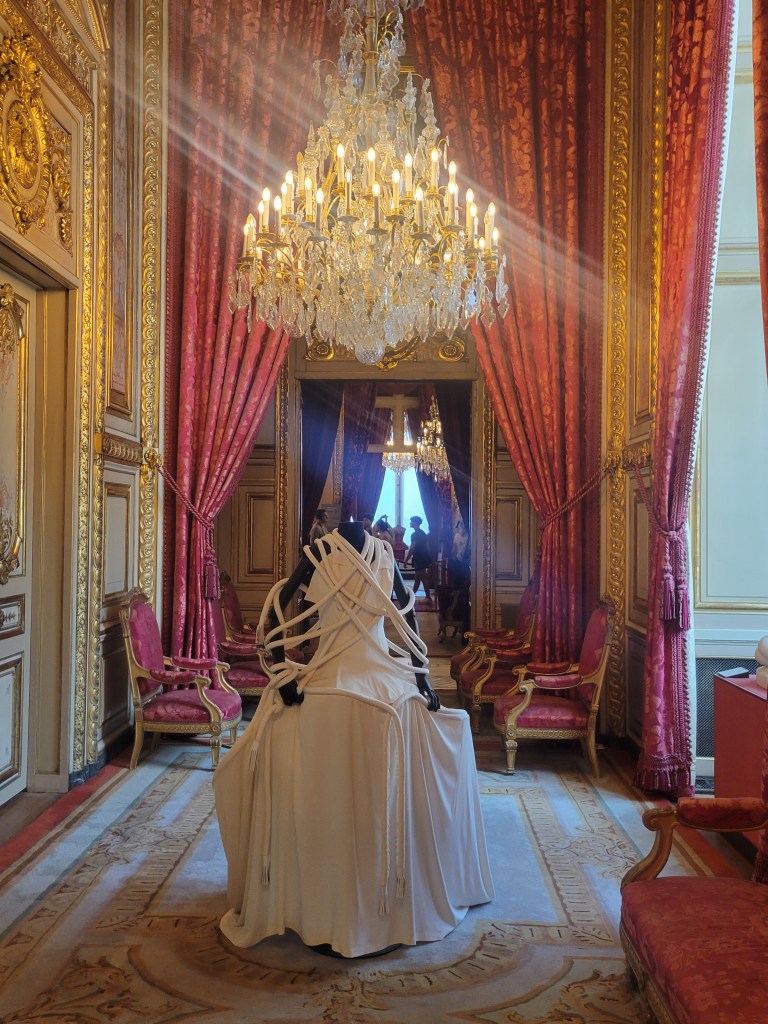
S/S 2006 – Yohji Yamamoto. Wedding dress, white silk crepe.

If I’m honest some of the pieces ‘vanished’ in the many vast opulent rooms which was a shame. It wasn’t always easy to see the amount of detail.

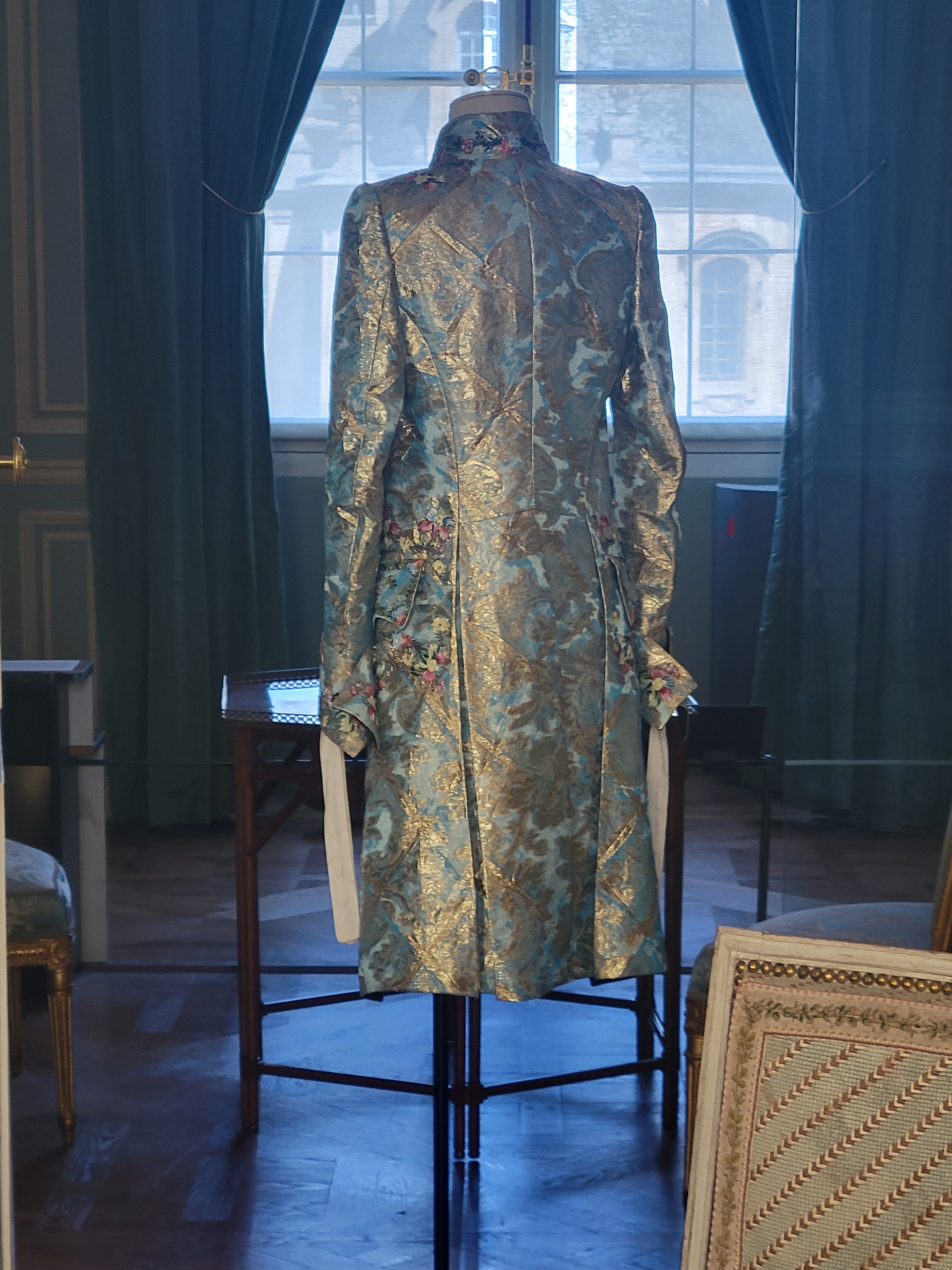
(Top L to R – Yves Saint Laurent, Alexander McQueen, Fendi and Vivienne Westwood)
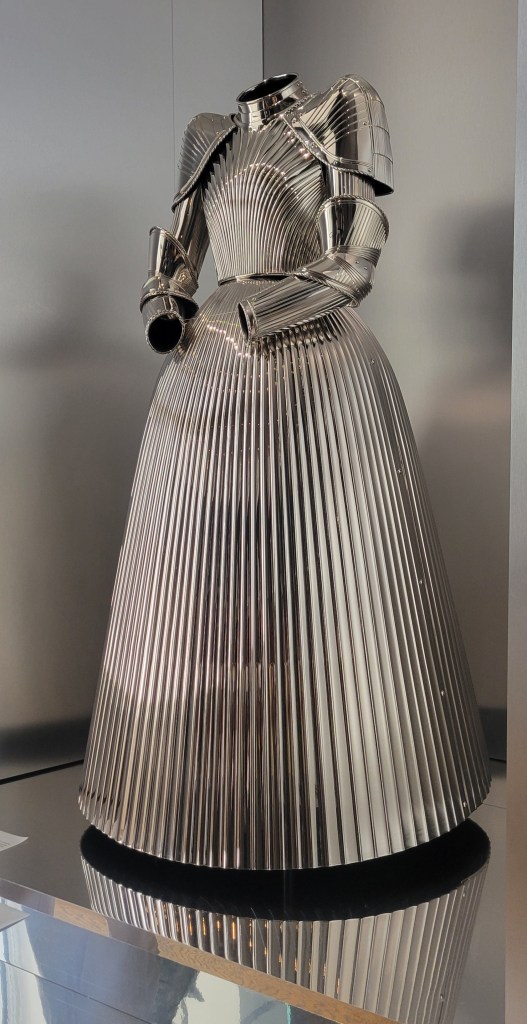
A/W 2023/4 – Balenciaga. 3D printed armour gown lined in a black flocked fabric so the model could wear without injury!

We both agreed it was still good and pleased we visited the exhibition

Walking around Paris was lovely and we could really notice the reduced traffic and with so many electric cars, positively quiet! After a late lunch, 18,000 steps, we returned back home to the countryside.

A couple of weeks ago, I drove to Aubeterre-sur-Dronne, two hours south on the border of South Charente and the Dordogne. Listed as one of France’s most beautiful villages. Of course, in August it is very touristy but well worth the visit.

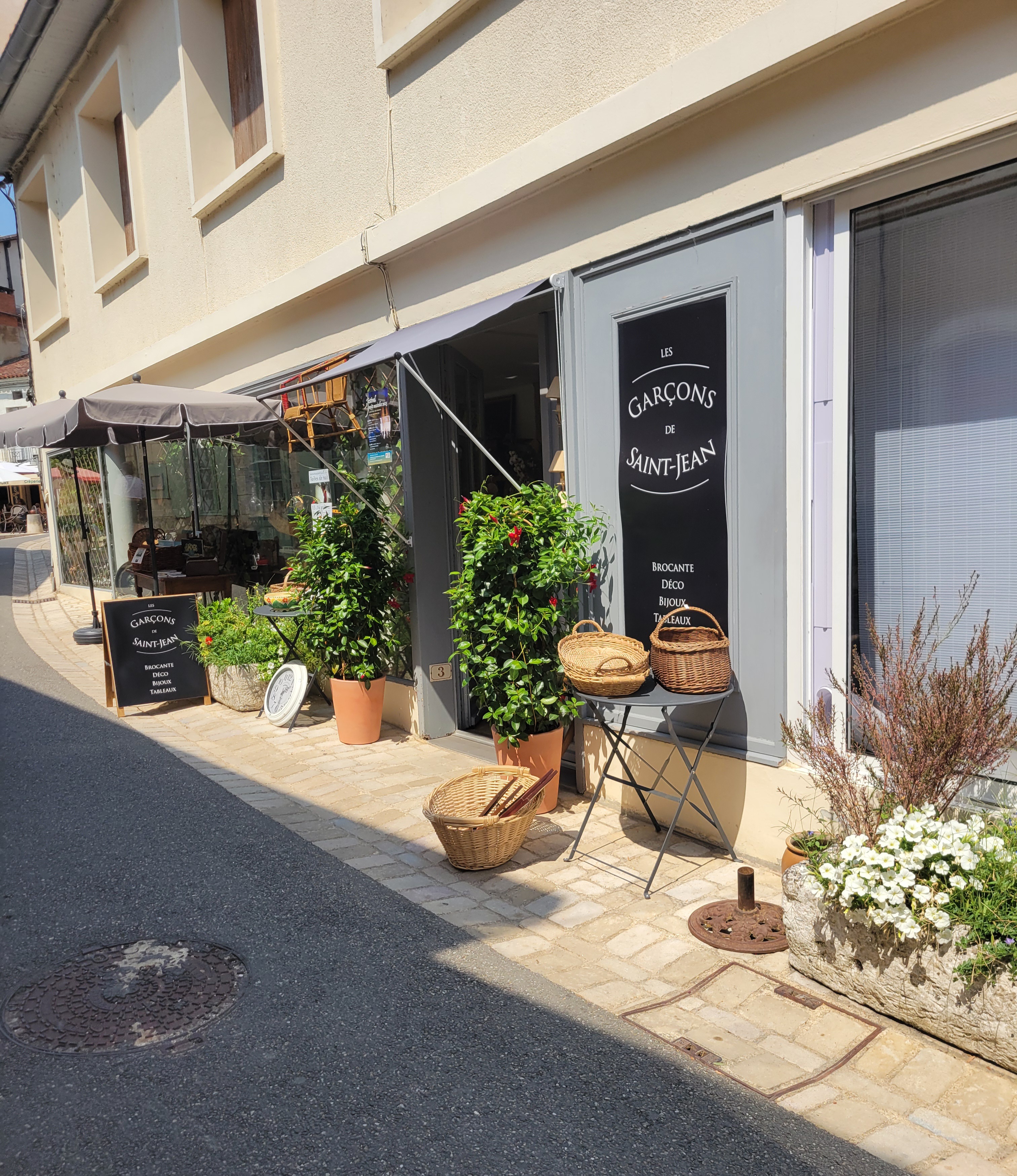
Charming winding streets and passage ways with plenty of artisan shops to look around. It has welcomed pilgrims on their way to Santiago de Compostella in north west Spain and tourists for over 1000 years. The Place Trarieux is full of restaurants and cafes under the shade of trees with a relaxed French vibe! As it was 40C that day, it was one of two cool places to be.
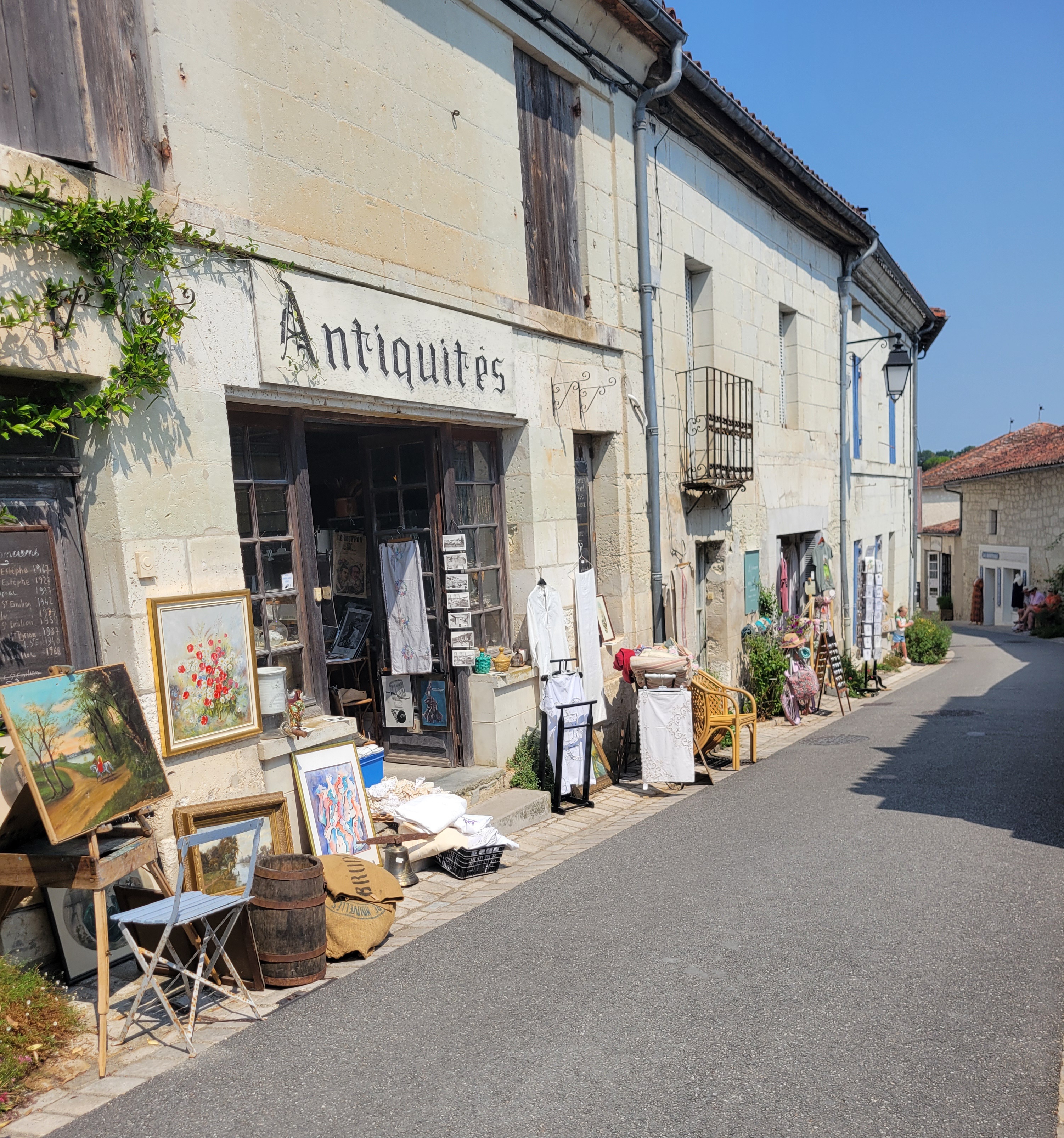
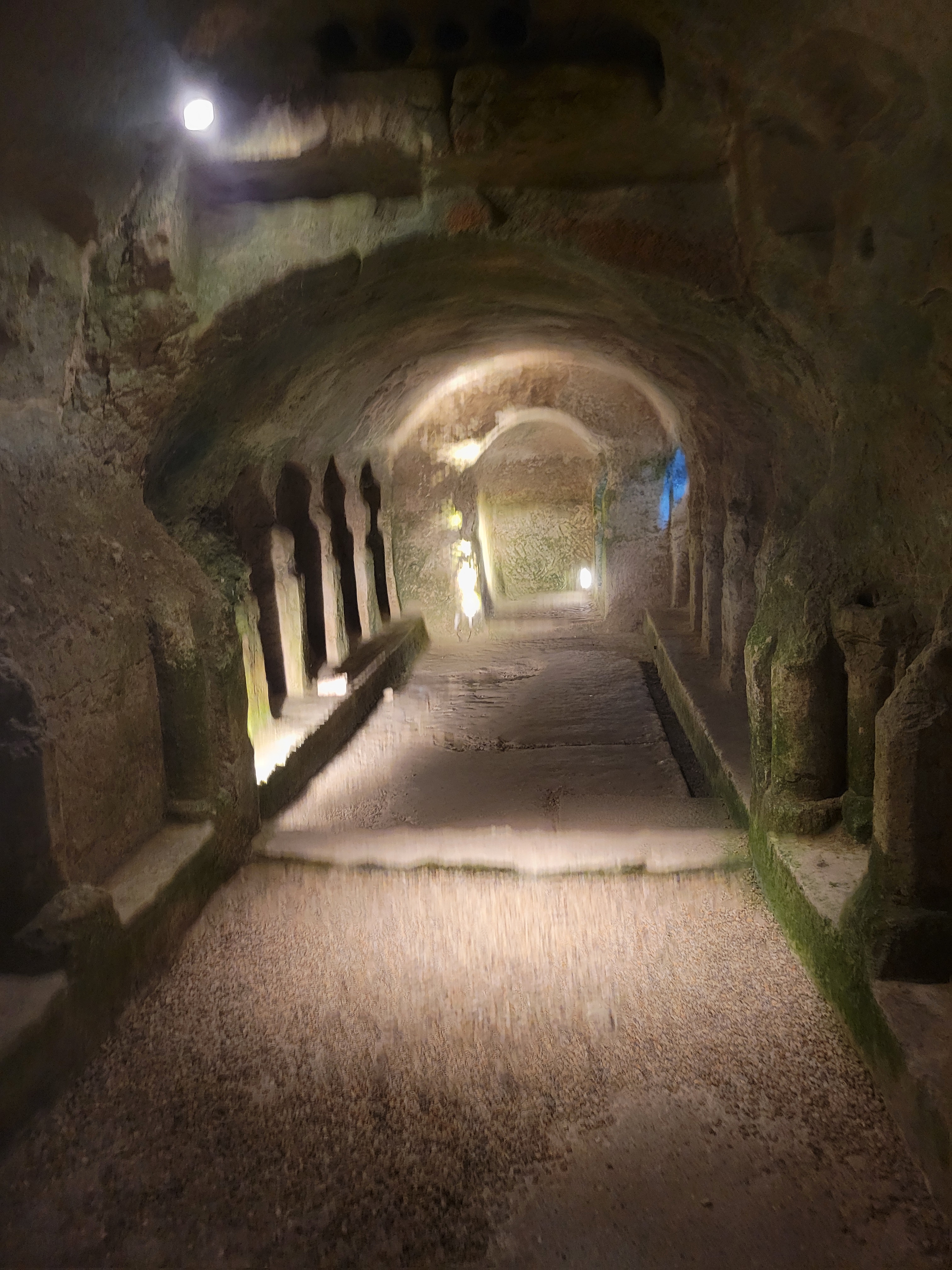
The other being the underground monolithic church of Saint Jean. Carved into the cliff in the 7th century and enlarged by a community of Benedictine monks in the 12th century. The highest point is 20 meters. Tombs were discovered between 1958 and 1961 as it was believed burials were performed in the nave until 1865, this being halted for public health reasons. Up the stone carved stairs the view from the gallery really showed what a feat it had been to carve out such a structure. It is one of the most important such churches in France.
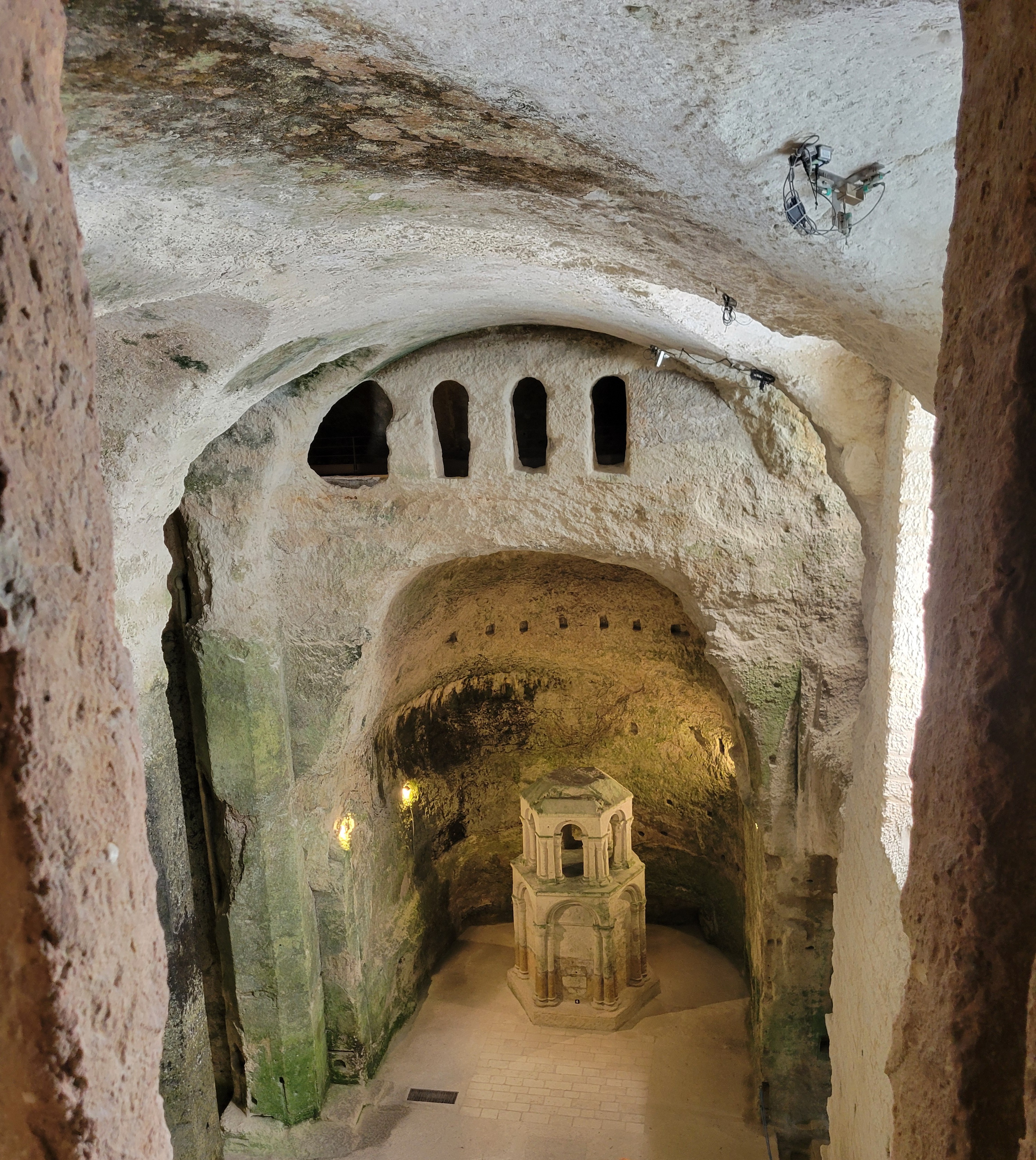
At the foot of the village the meadows lead to the River Dronne where you can find a beach, sports facilities and a campsite. But on such a hot day, I decided instead to have lunch and a huge iced coffee before walking back up a very steep hill to the car and thankfully air con!

Dolce & Gabbana` Du Cœur à la Main’ in Paris

I have wanted a day out in Paris since we moved to France, so when I saw the Dolce & Gabbana exhibition advertised, I had the perfect reason to finally book a trip. My friend, Carolyn, drove us to Poitiers station where we caught the fast train to Montparnasse, Paris. Door to door in under 3 hours! It was a really cold, bleak, grey day but I had forgotten how beautiful Paris really is and the atmosphere and architecture as we strolled through the streets. To own a Paris apartment with the obligatory balcony would be a dream!
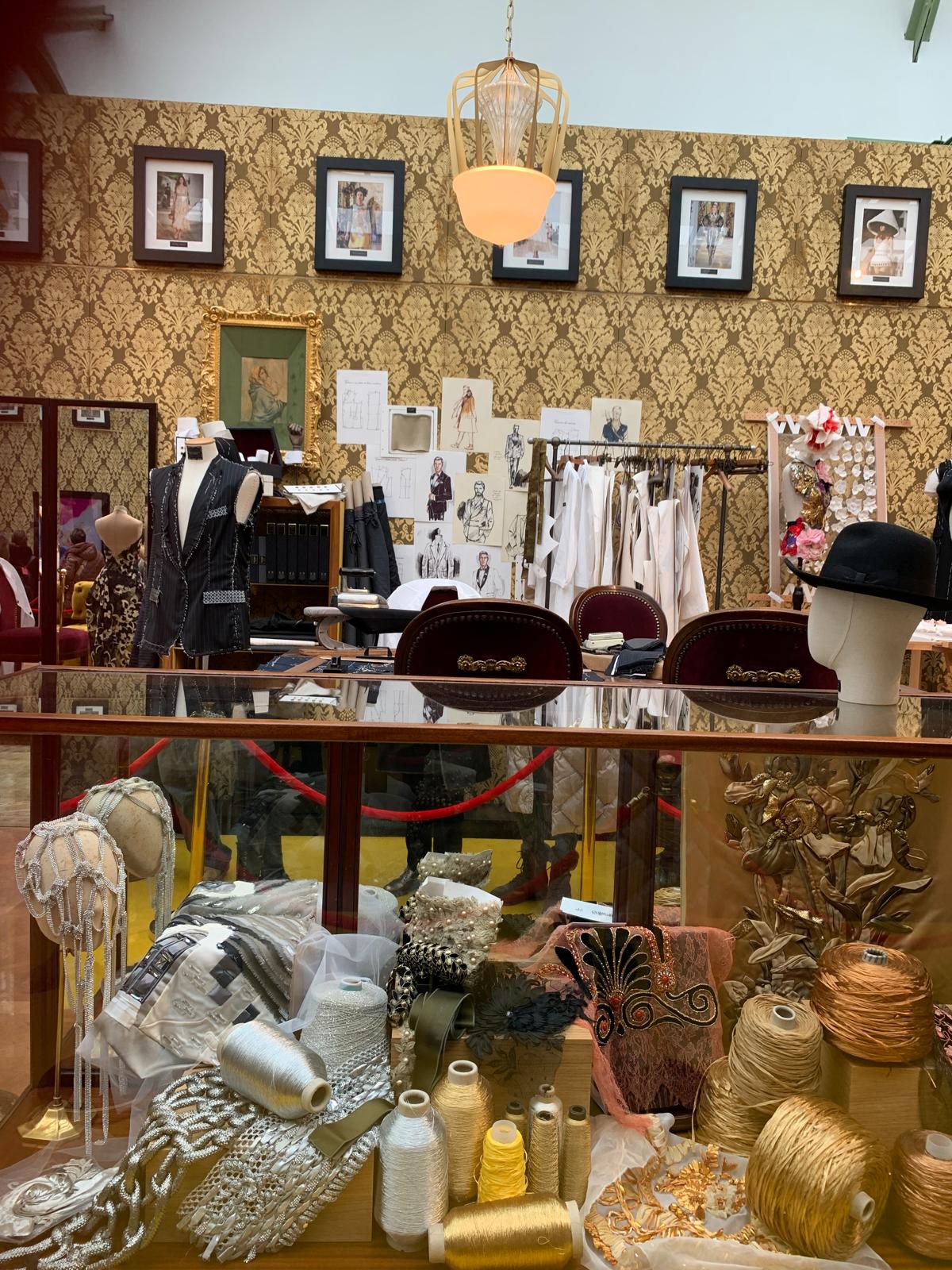
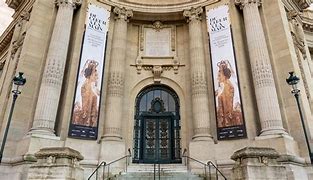
The Grand Palais was the perfect venue for the` Du Cœur à la Main’ exhibition. We really did enter another world of opulence, magic and fantasy!

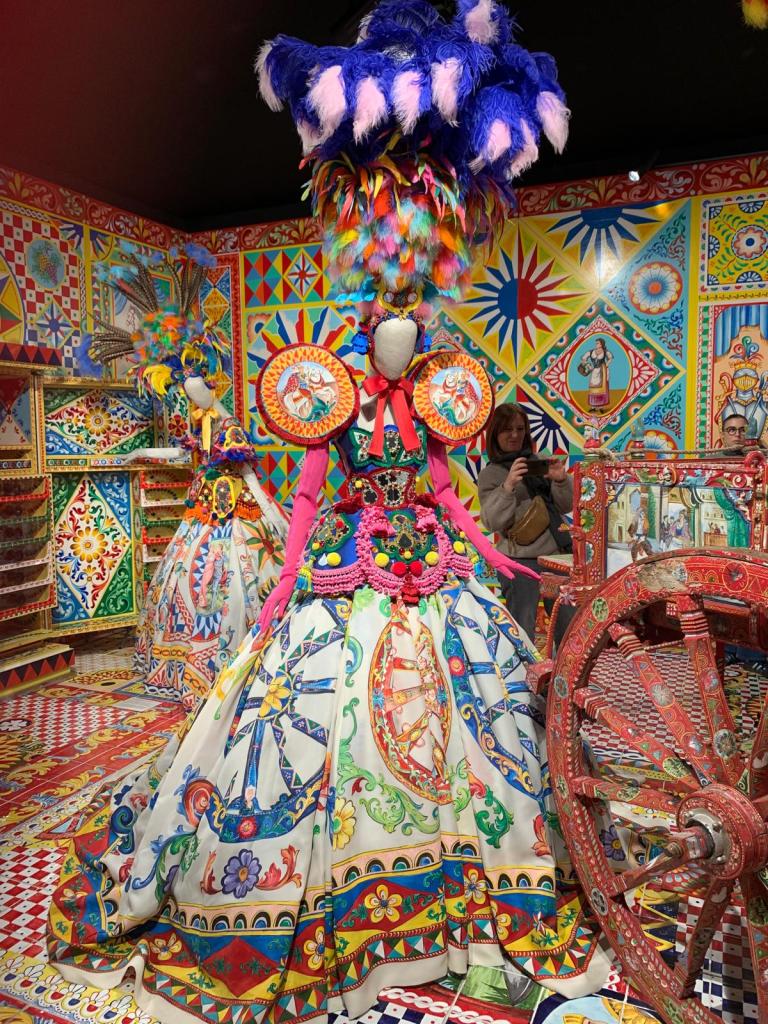
It’s 40 years ago since the first Dolce & Gabbana woman’s collection debuted at the Milan Fashion week after they met each other in 1982 while both working for an Italian fashion brand Giorgio Corregiari. Dolce & Gabbana’s iconic “Sicilian Dress” debuted in 1987. Based on a slip dress, this figure hugging timeless piece became a symbol of Dolce and Gabanna’s dedication to the female form. Different versions still feature in their collection and below is from S/S 2025.

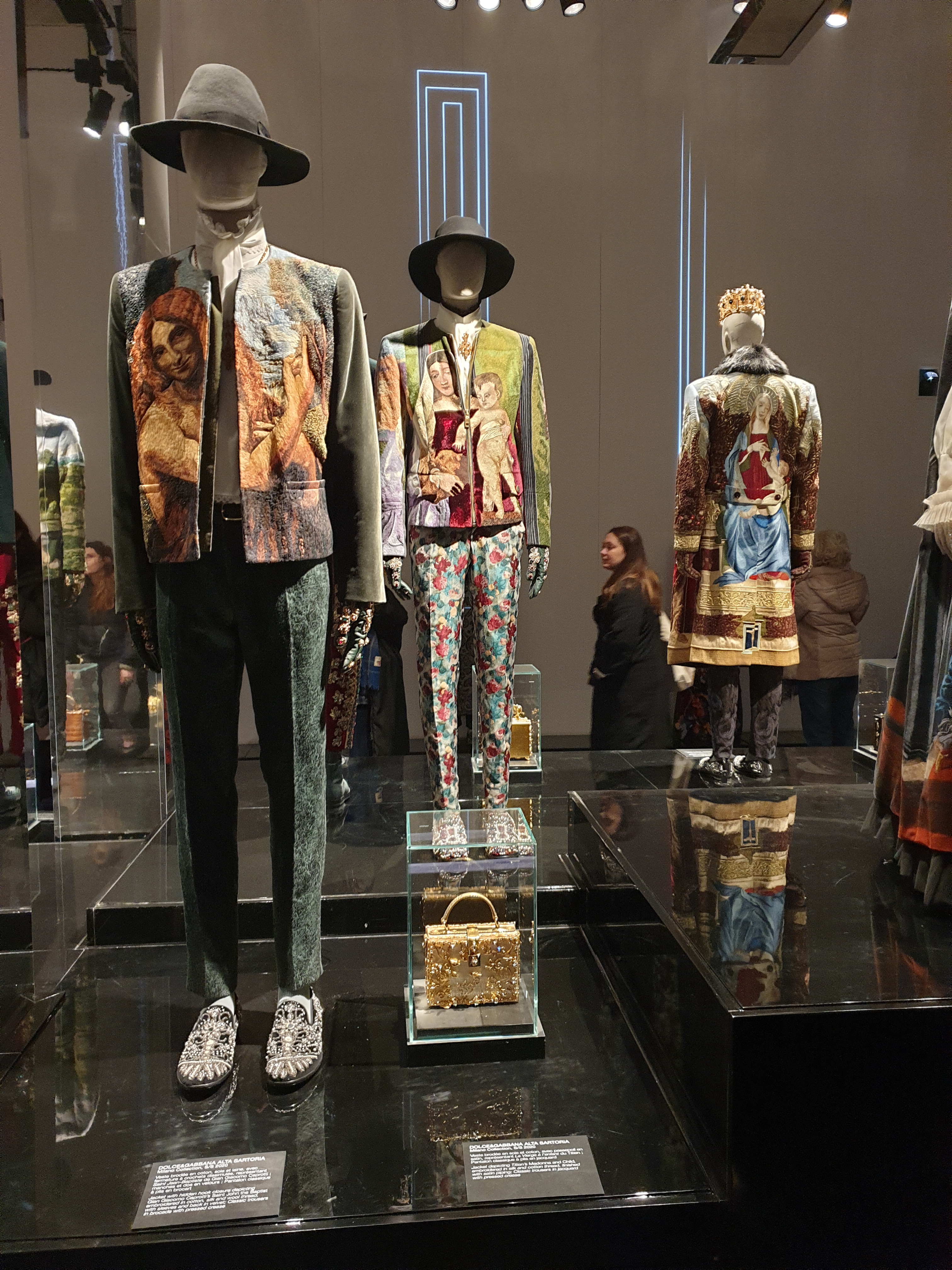
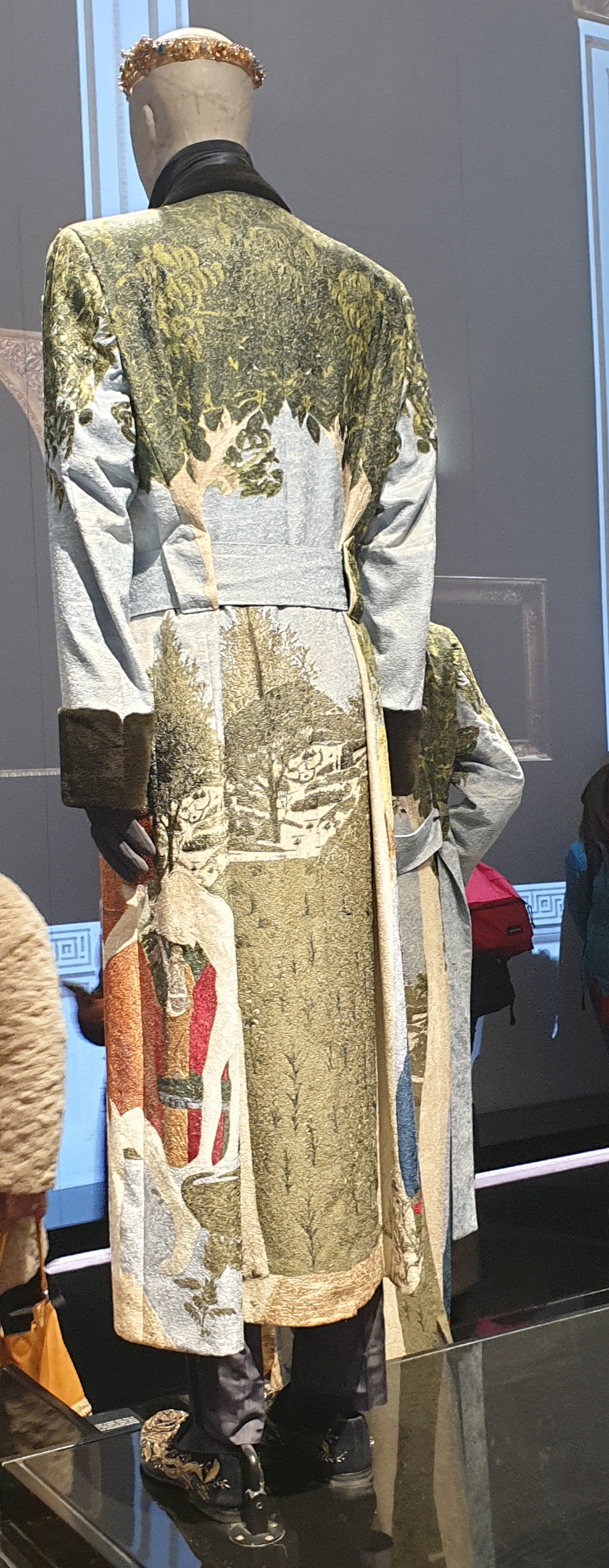
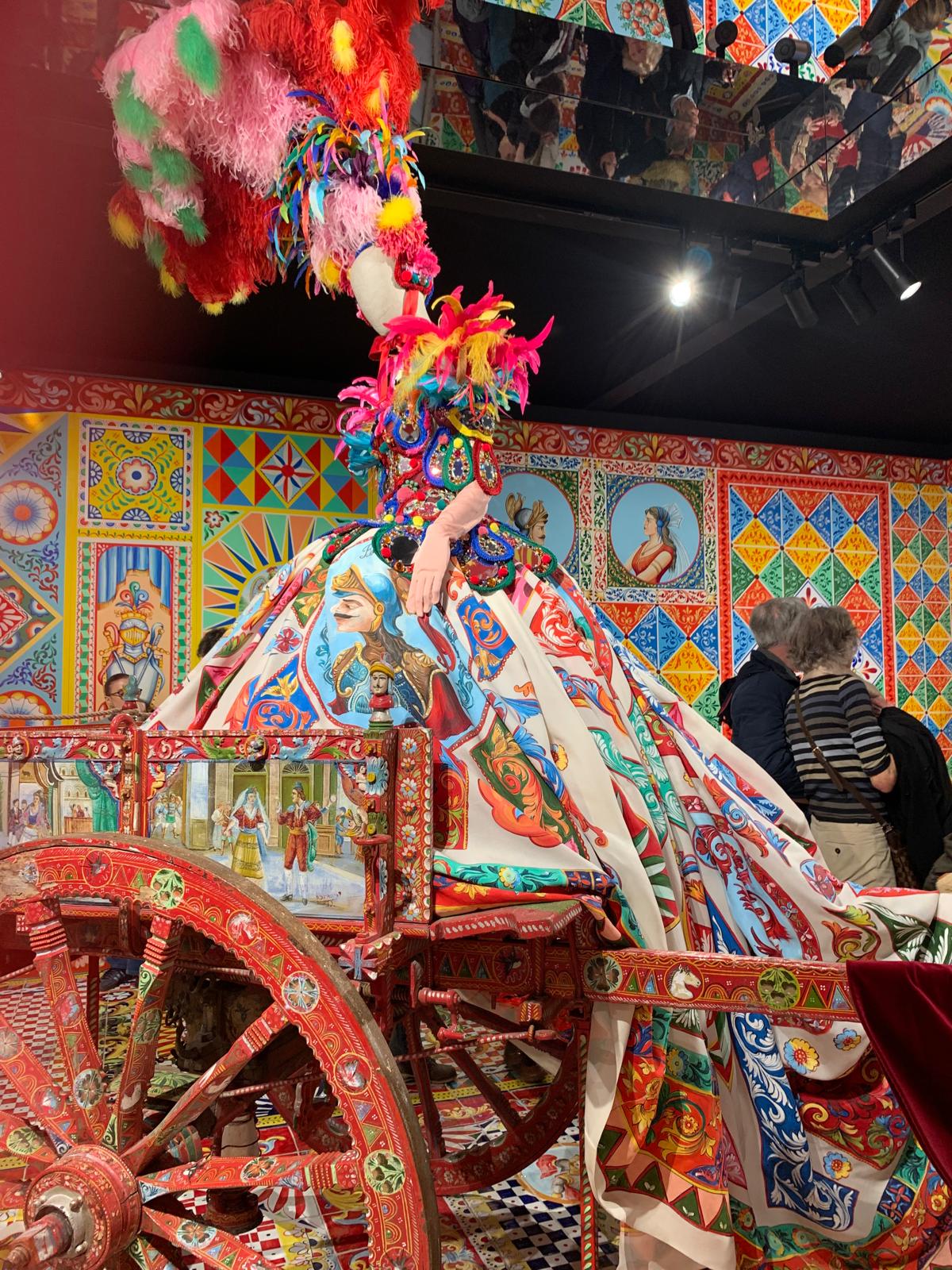
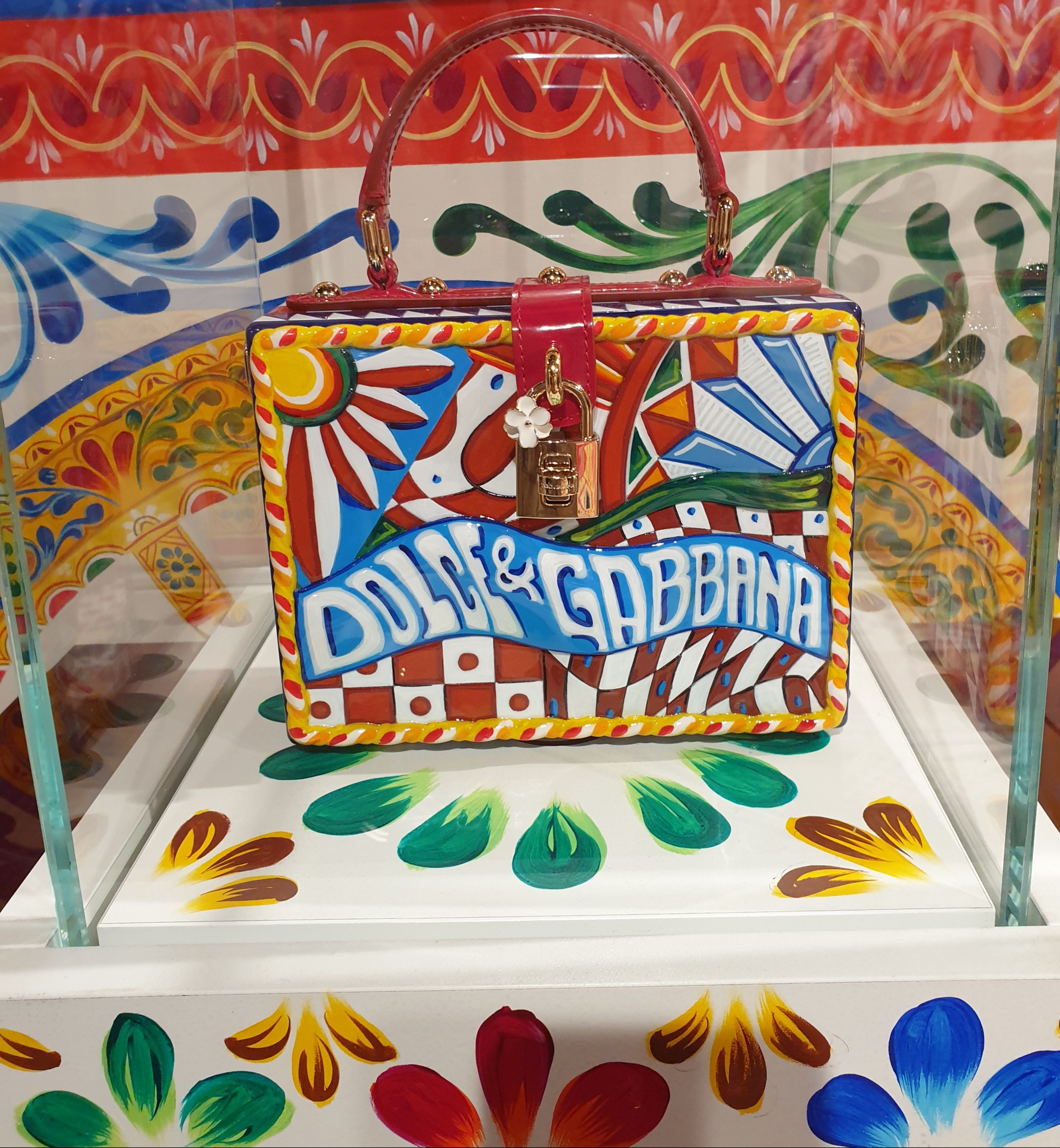
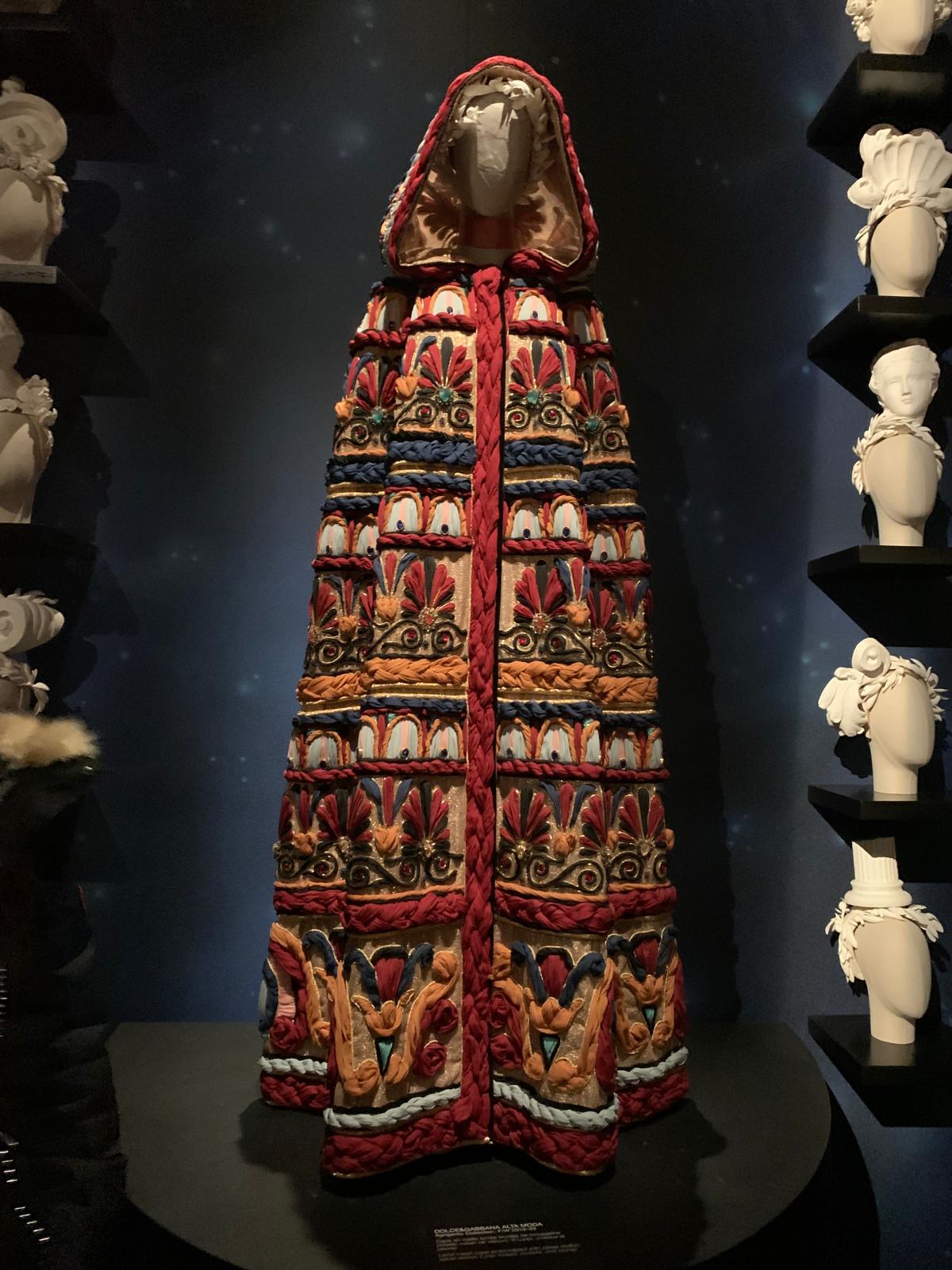
In 2012, Dolce & Gabbana launched their Alta Moda line, a couture collection that brought their creative vision to unparalleled heights. Not just pure luxury but about celebrating Italian craftsmanship and artistry. These collections featured hand-painted fabrics, intricate embroidery, and designs that often drew from Italian history and folklore.

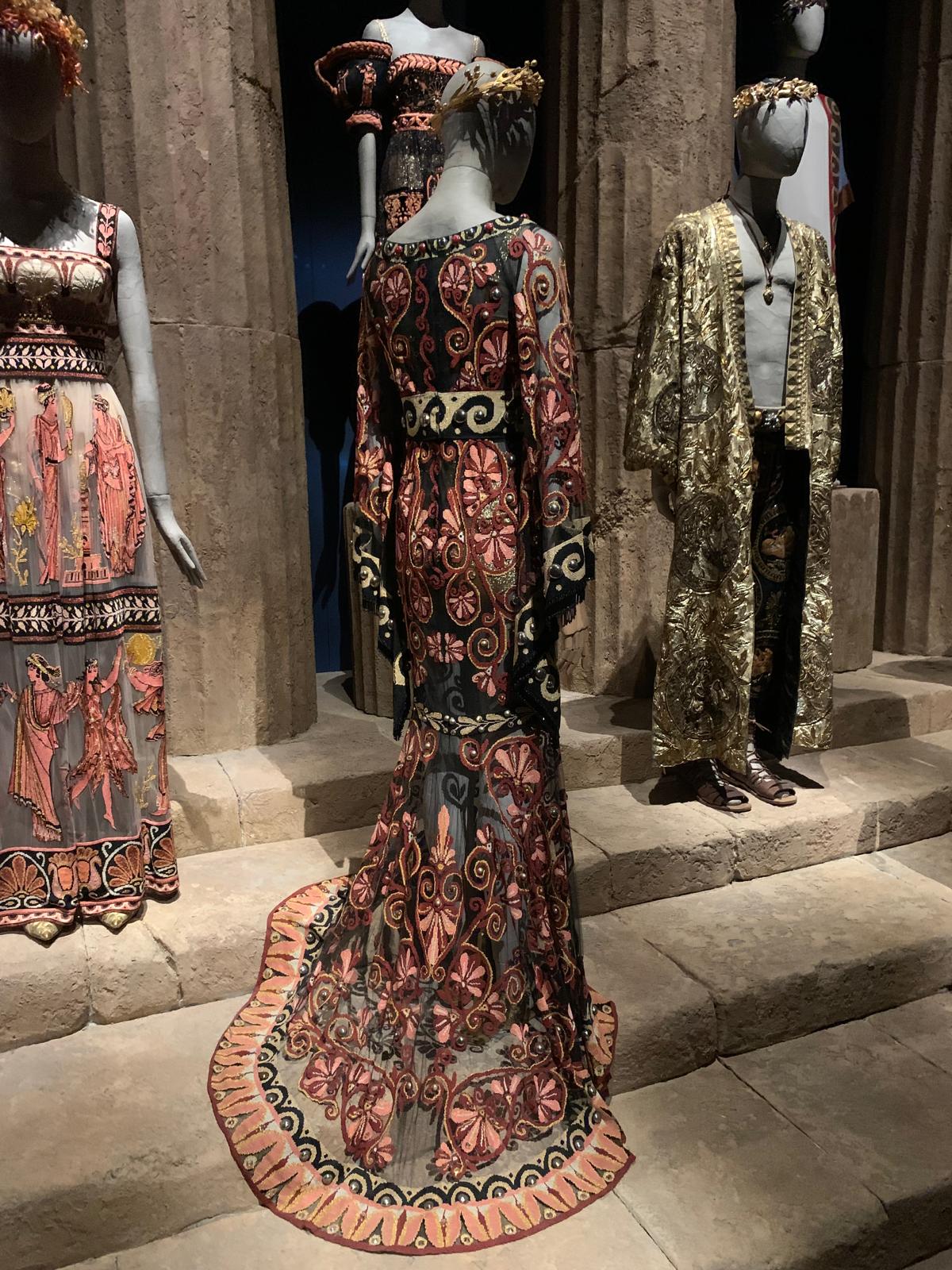
The Italian heritage was in abundance as we walked through the many themed rooms exhibiting over 200 couture pieces plus accessories devoted to Luchino Visconti’s The Leopard (1963), ancient Rome, opera, glassware and much more.

We entered the first room ‘Fait Main’.

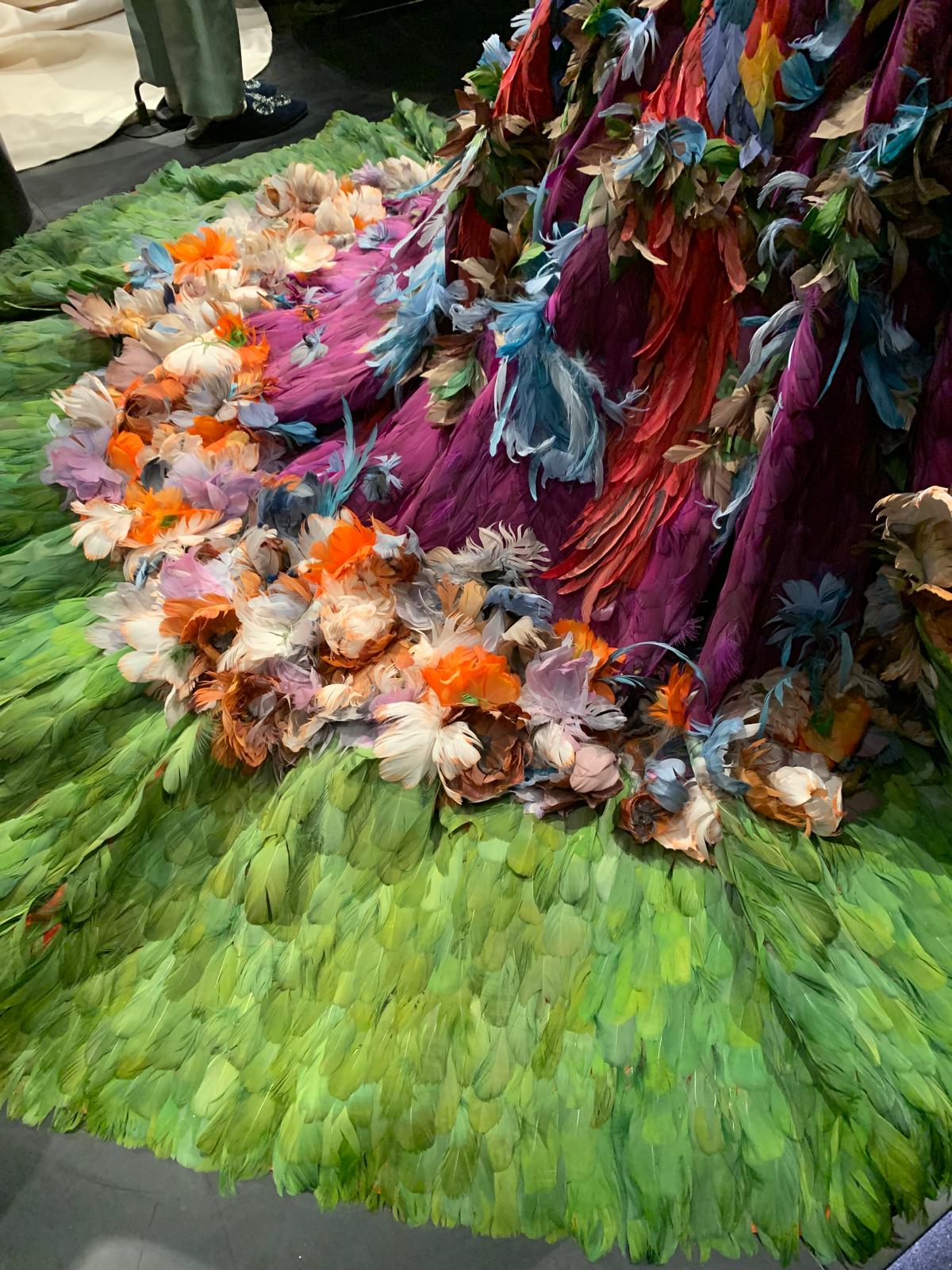
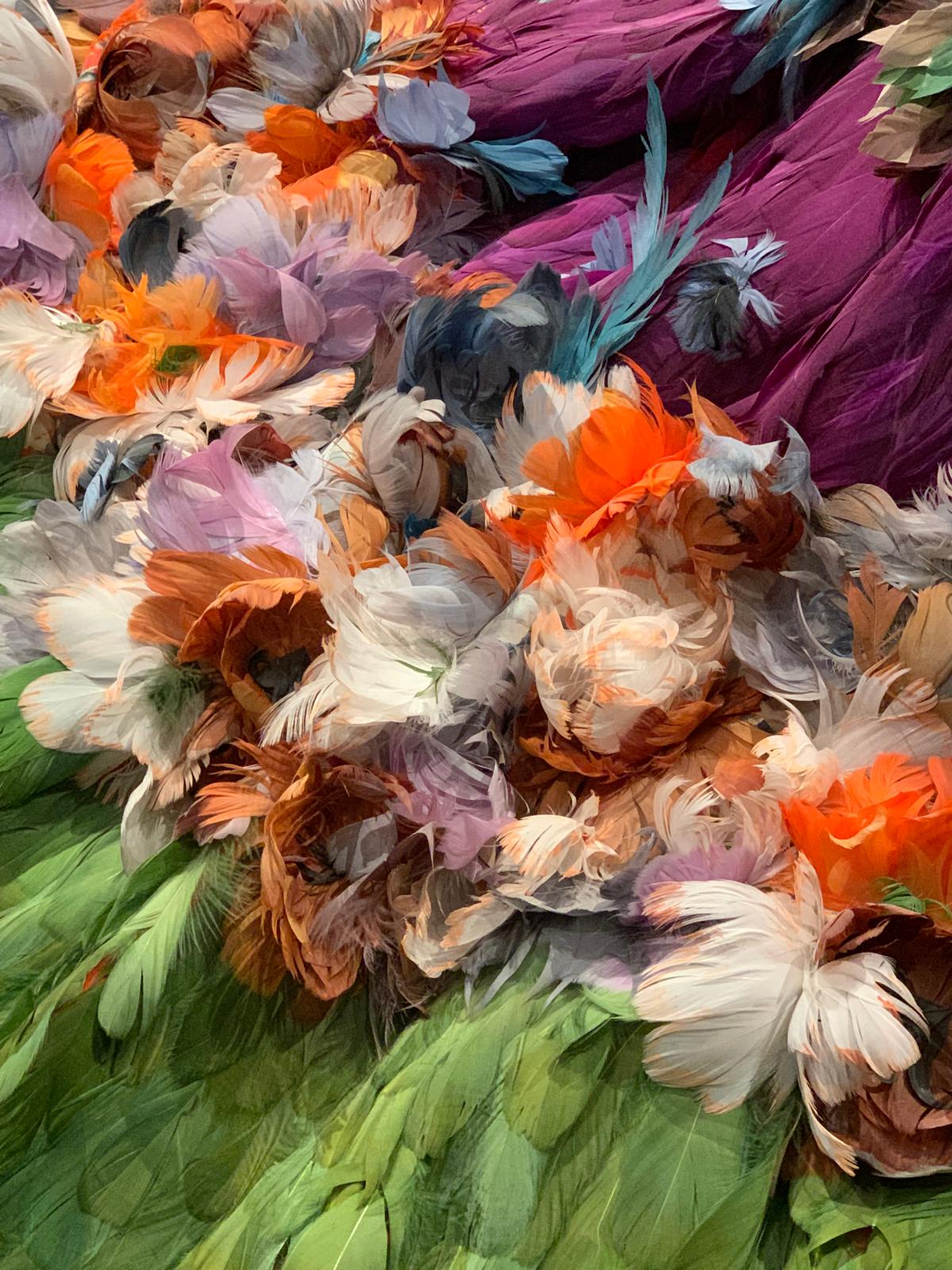
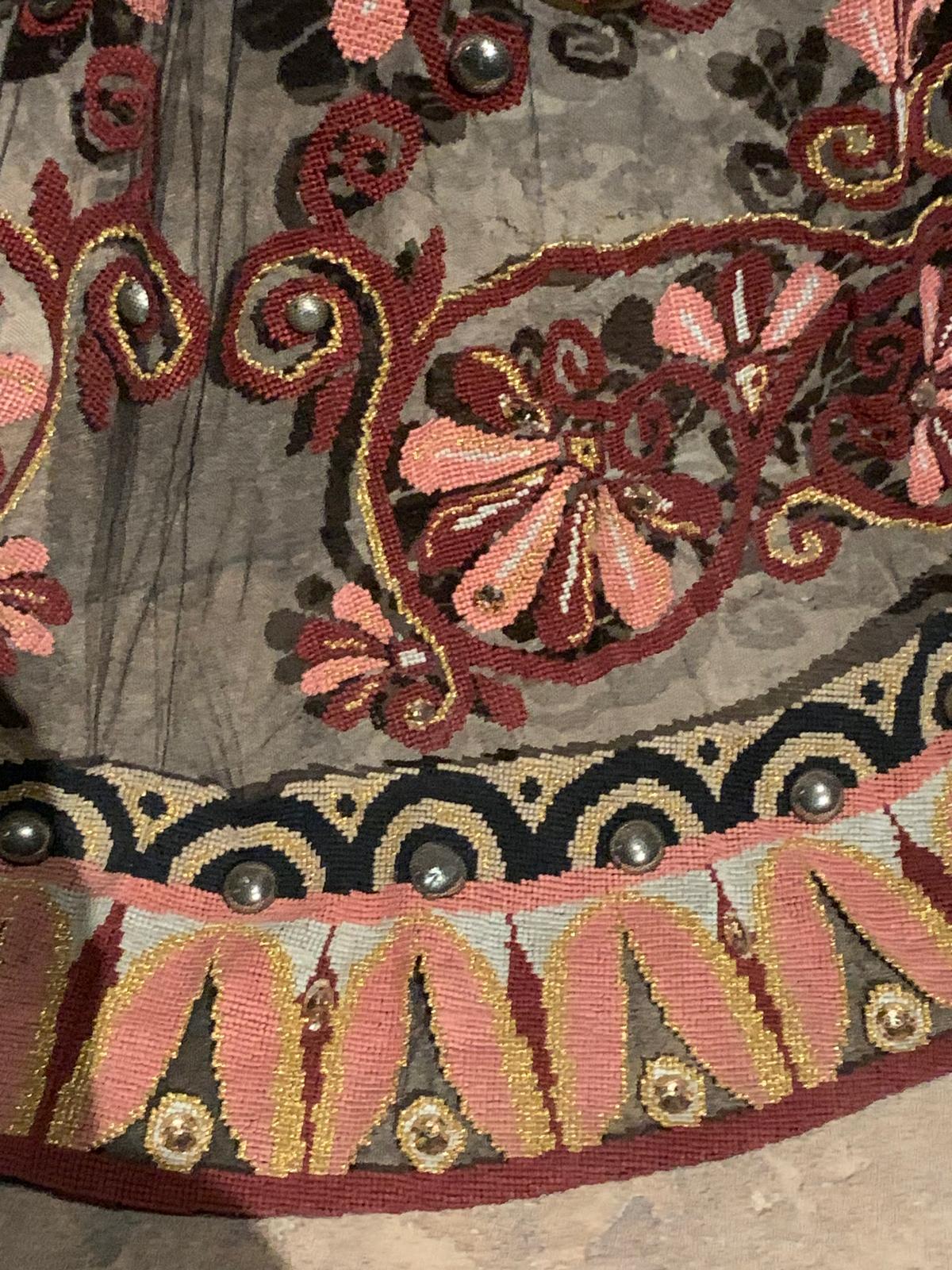
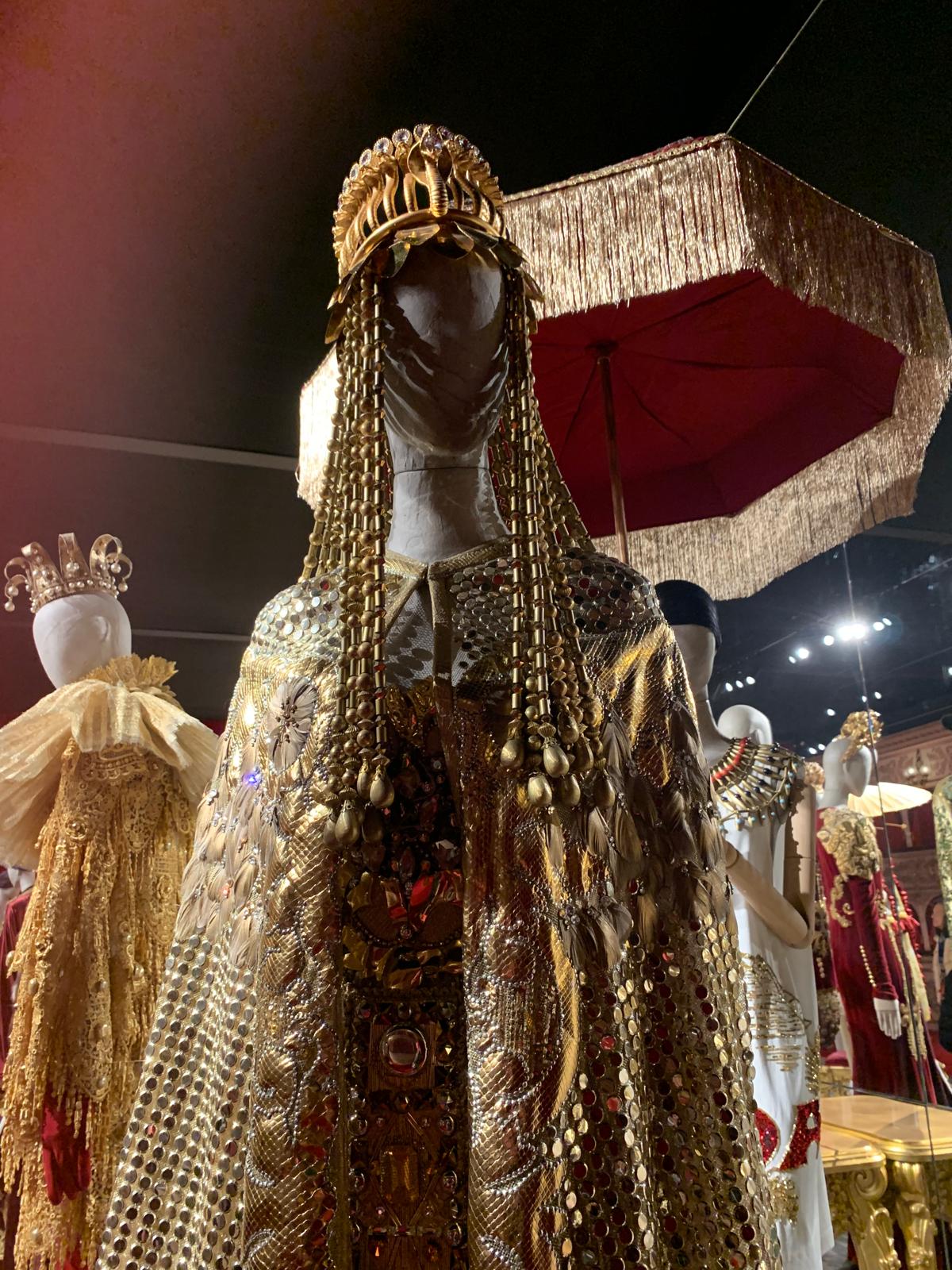
To be able to view close up the couture collections of Domencio Dolce and Stefano Gabbanna was amazing and virtually impossible to capture in photos. Their exceptional inspiration, imagination and creativity and the intricate hand crafted pieces were exquisite. Their Sicilian backgrounds marrying tradition with innovation.

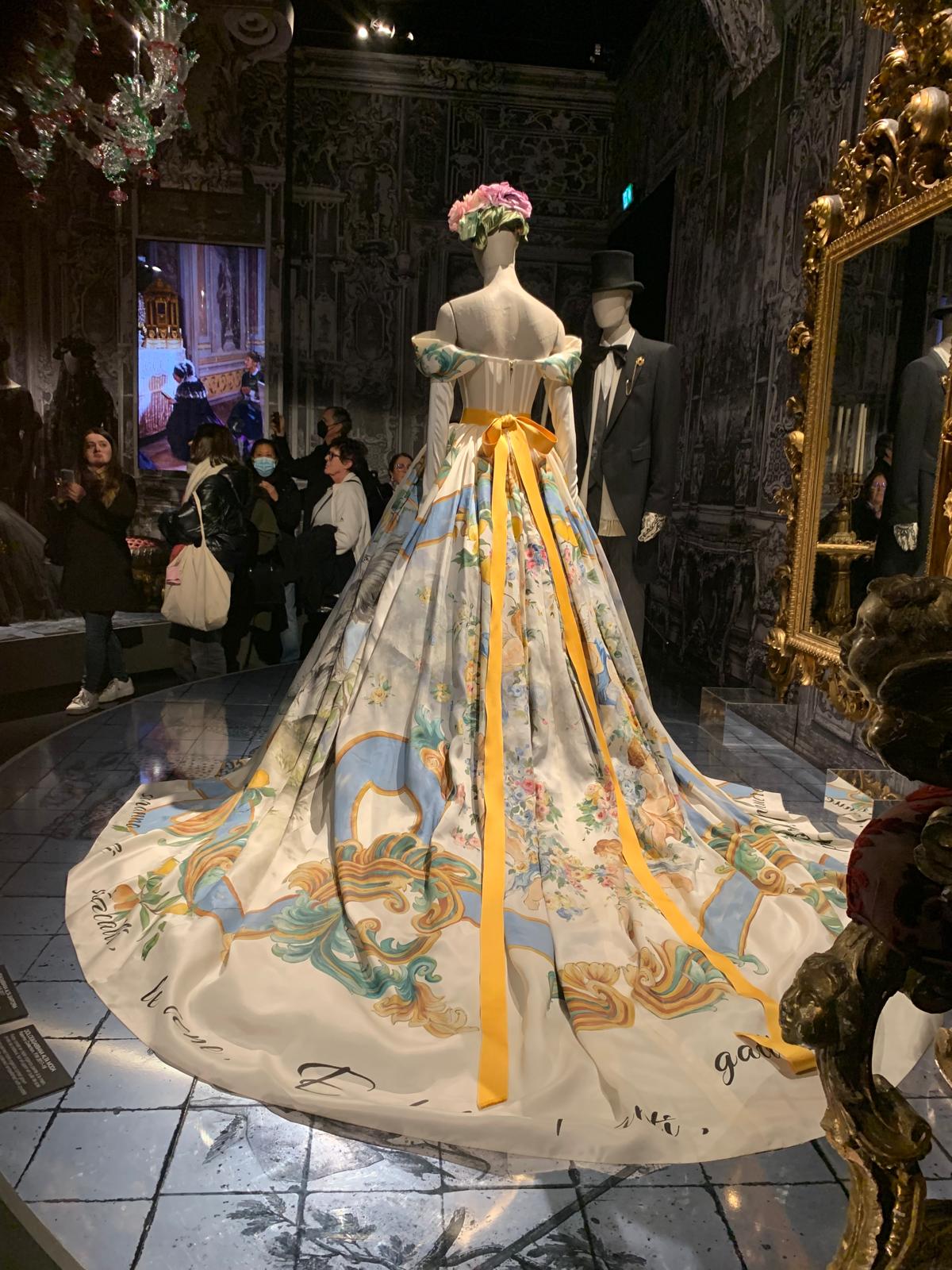
The ‘Architectural et Pictural’ room showcased hand painted silks. The atmosphere changed with moving images, ‘ live wallpaper’.

We felt guilty walking on the stunning hand painted ceramic tiles by the Bevilacqua brothers in the ‘traditions siciliennes’ room. Their work was dominated with bright yellow, intense blue, emerald green and deep black, representing the Sicilian sun, sea, hills and lava on Mount Etna.

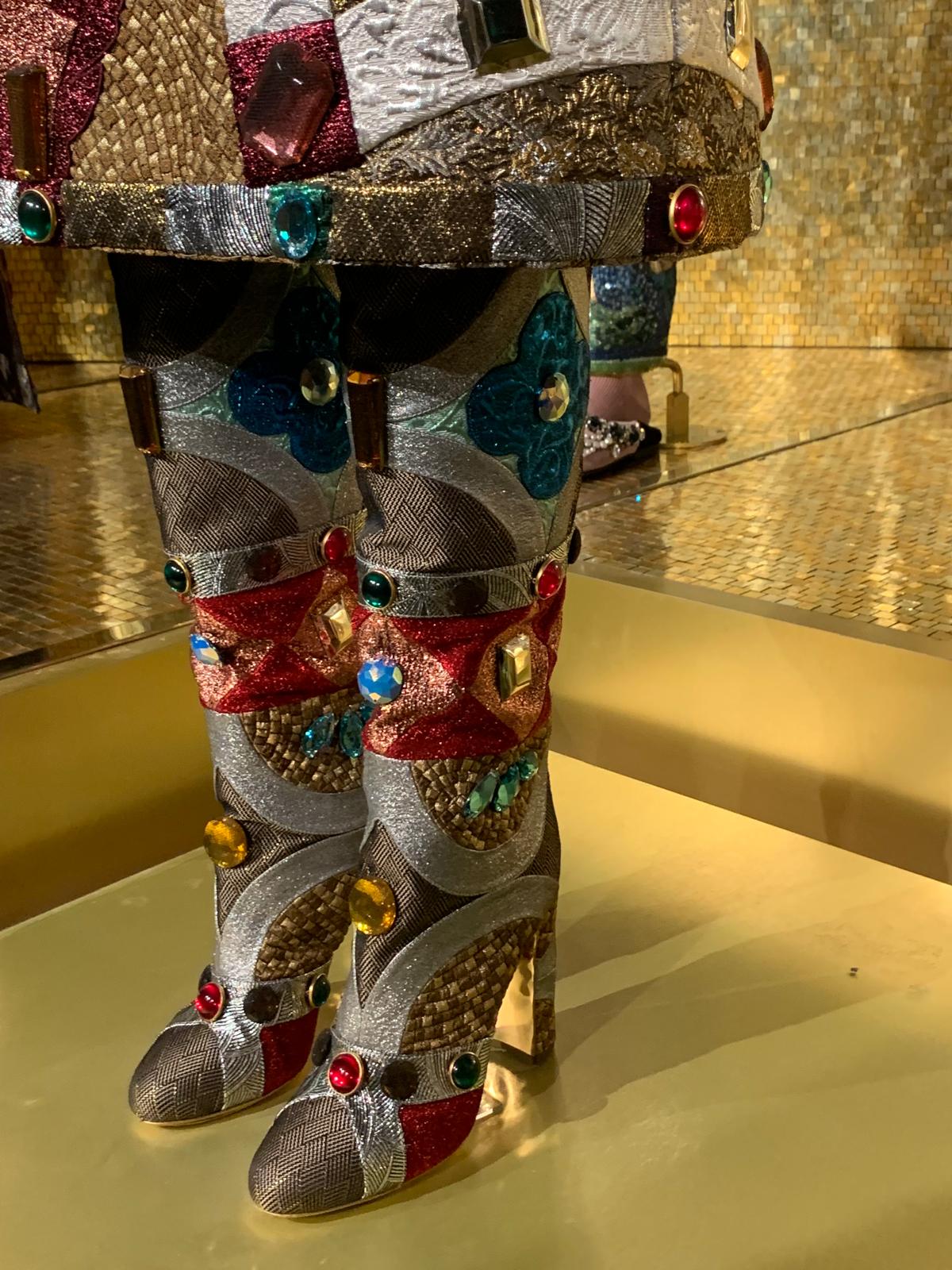
How about one of a hundred exclusive Smeg fridges? And we couldn’t ignore the shoes and handbags!

We moved through to the ‘Rêve de divinités .’

The ‘Divines mosaïques’ room was incredible.

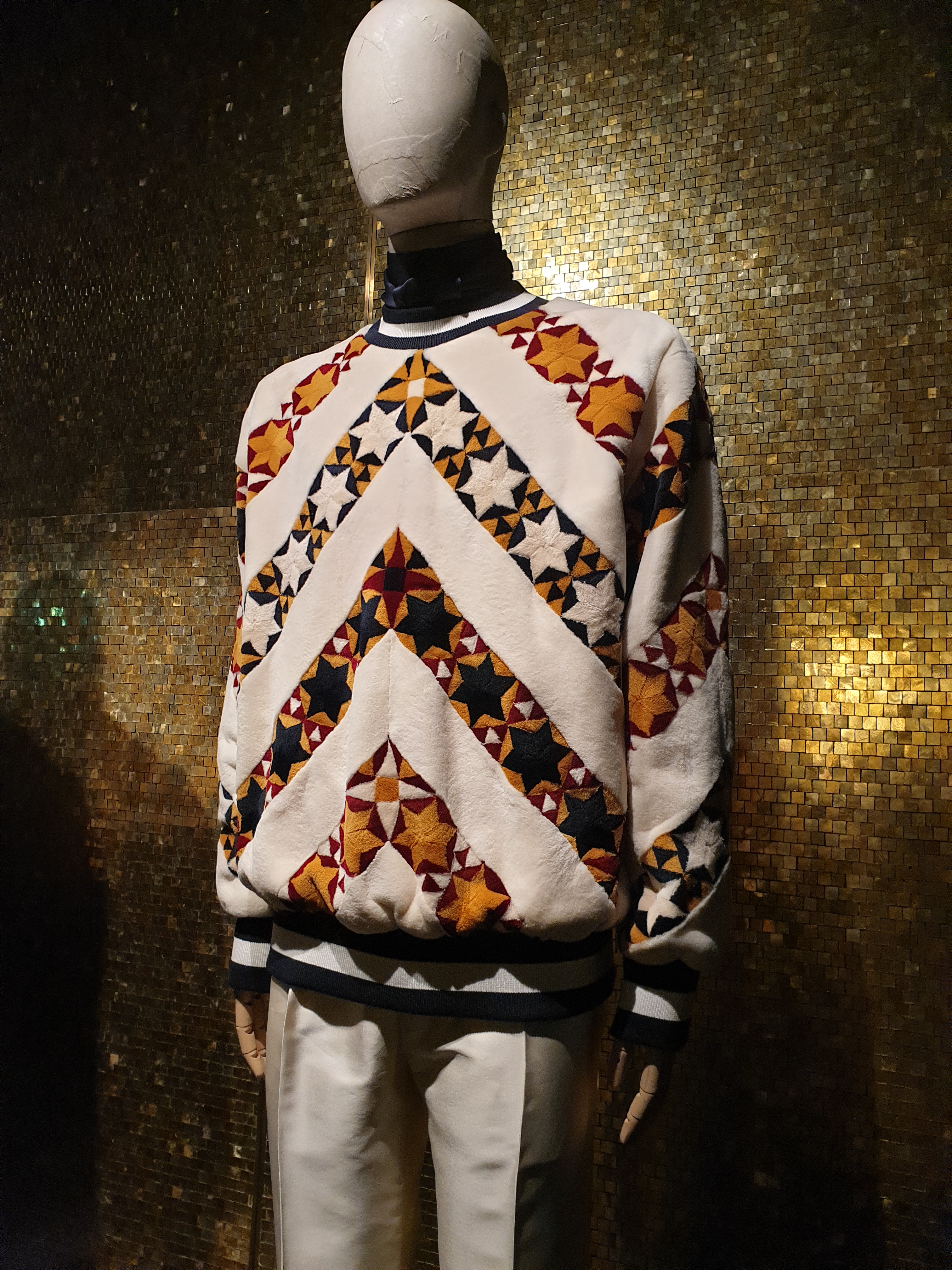
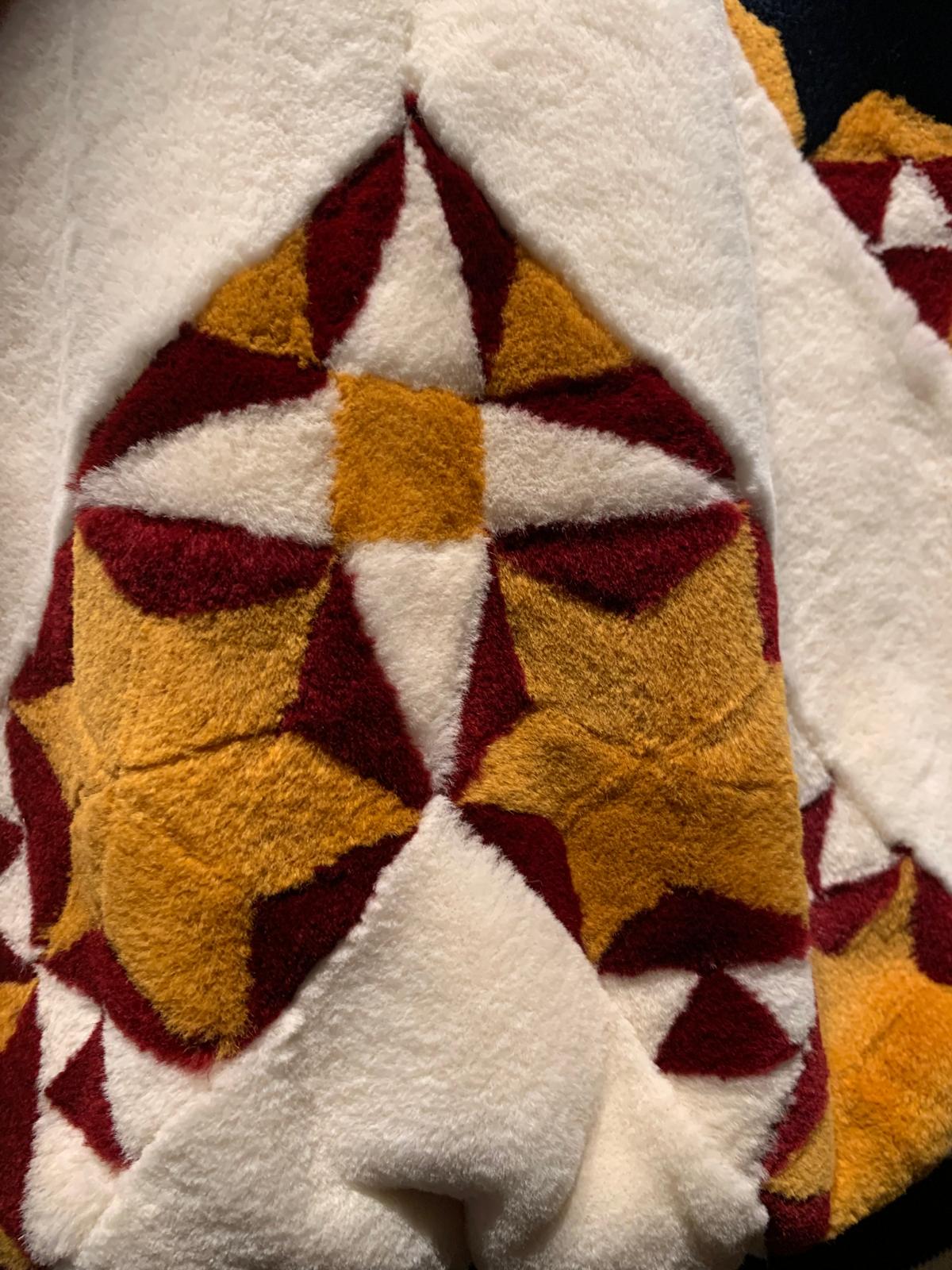
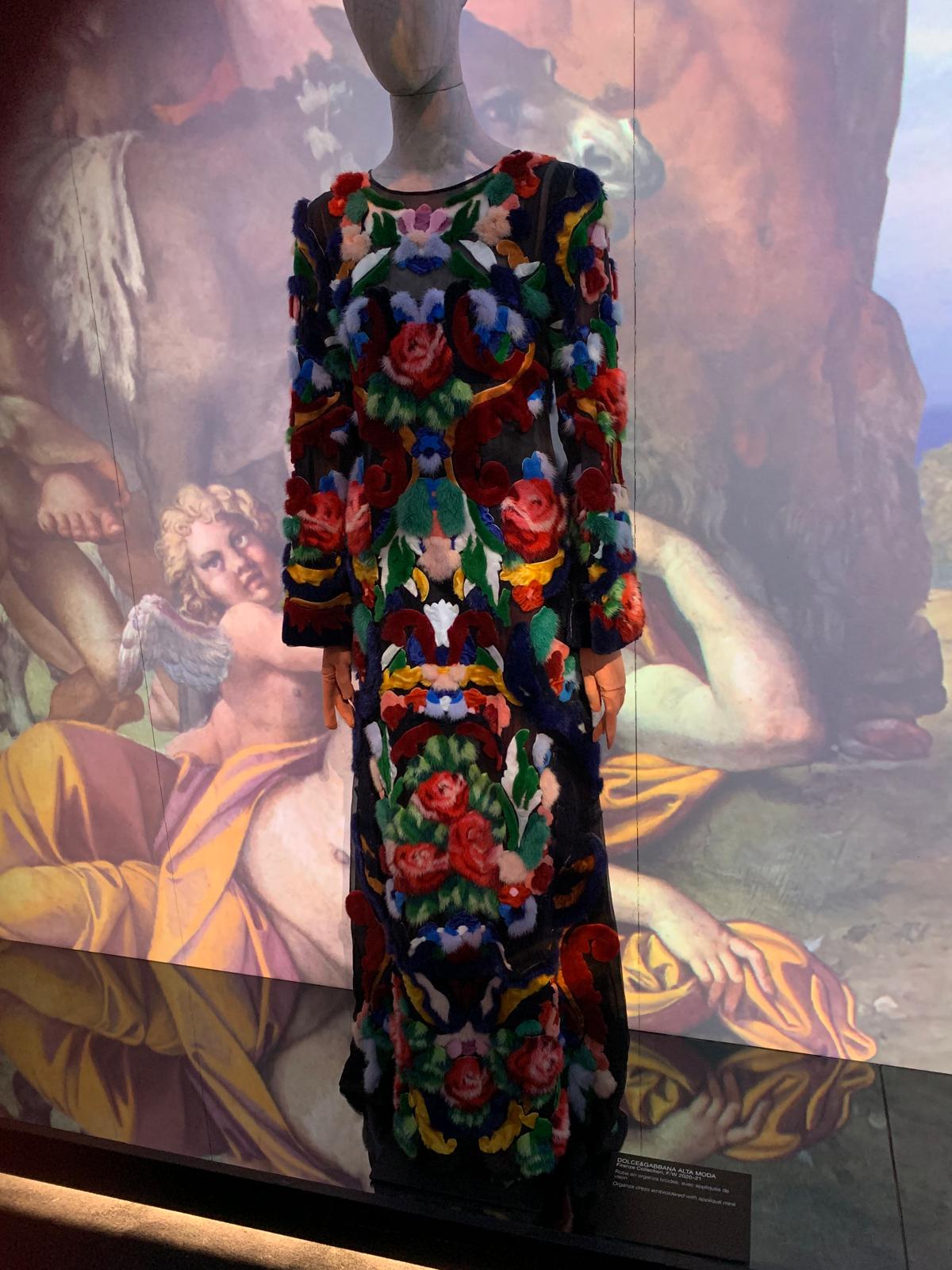
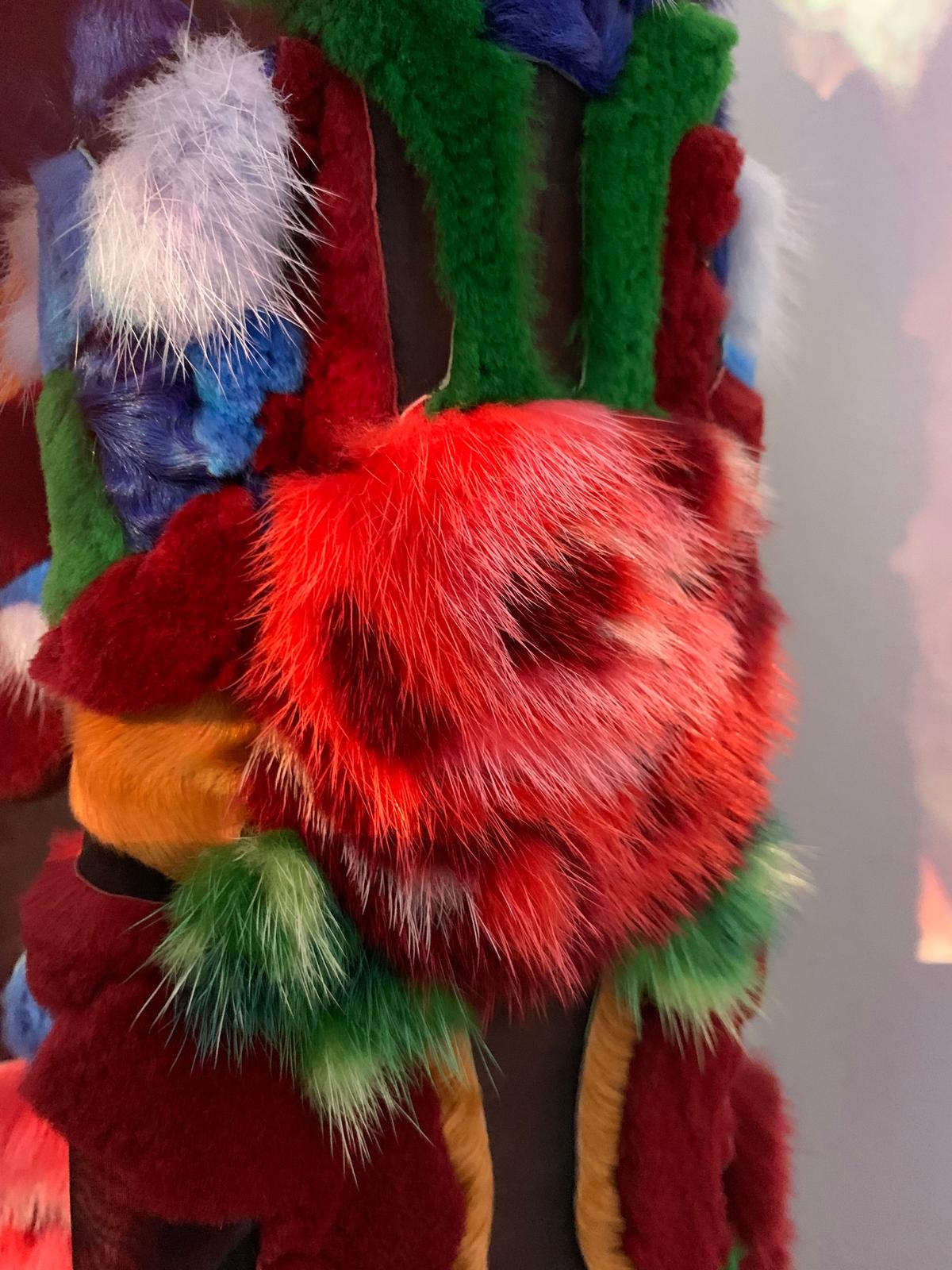
How about a mink sweater?

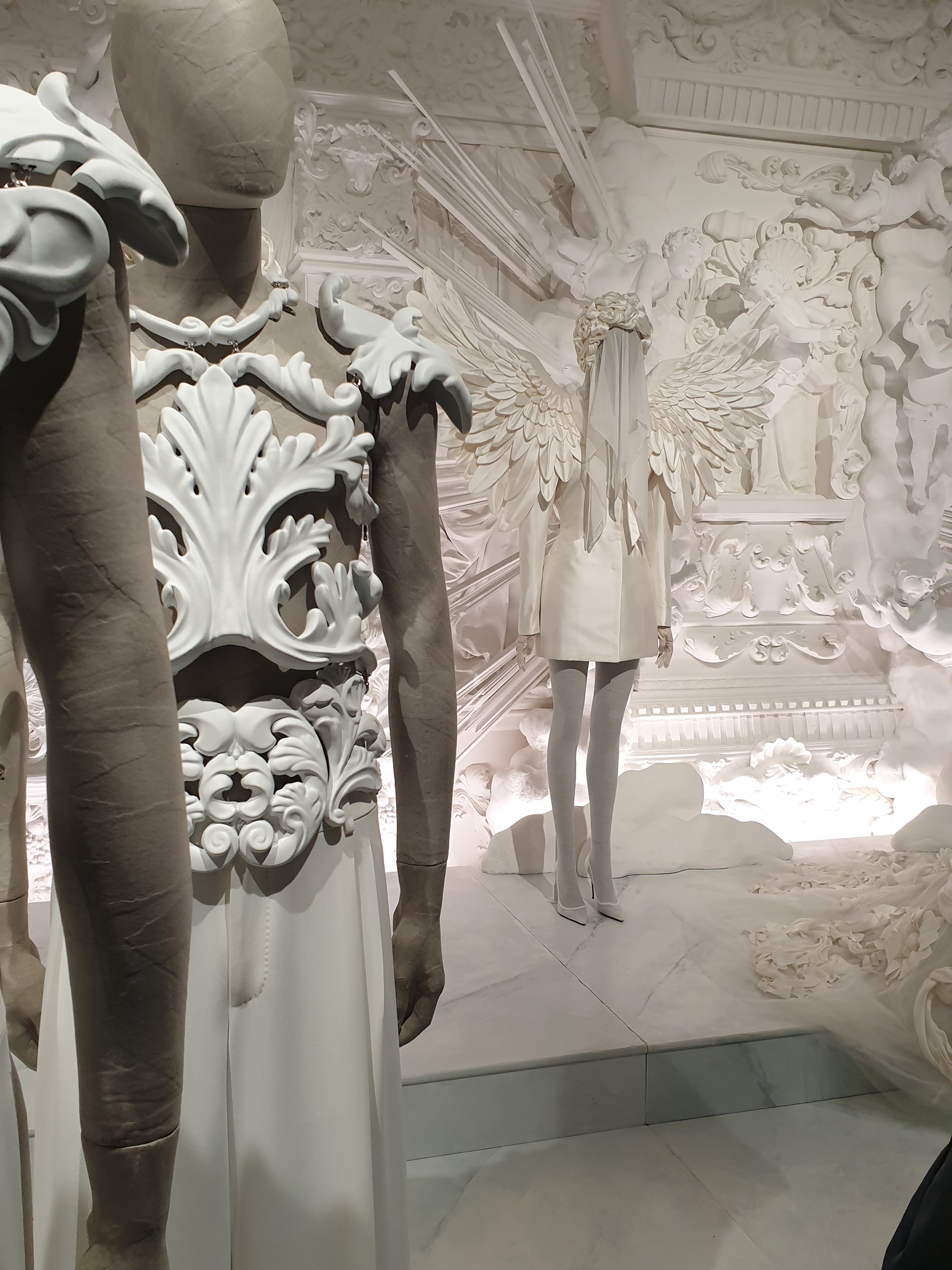
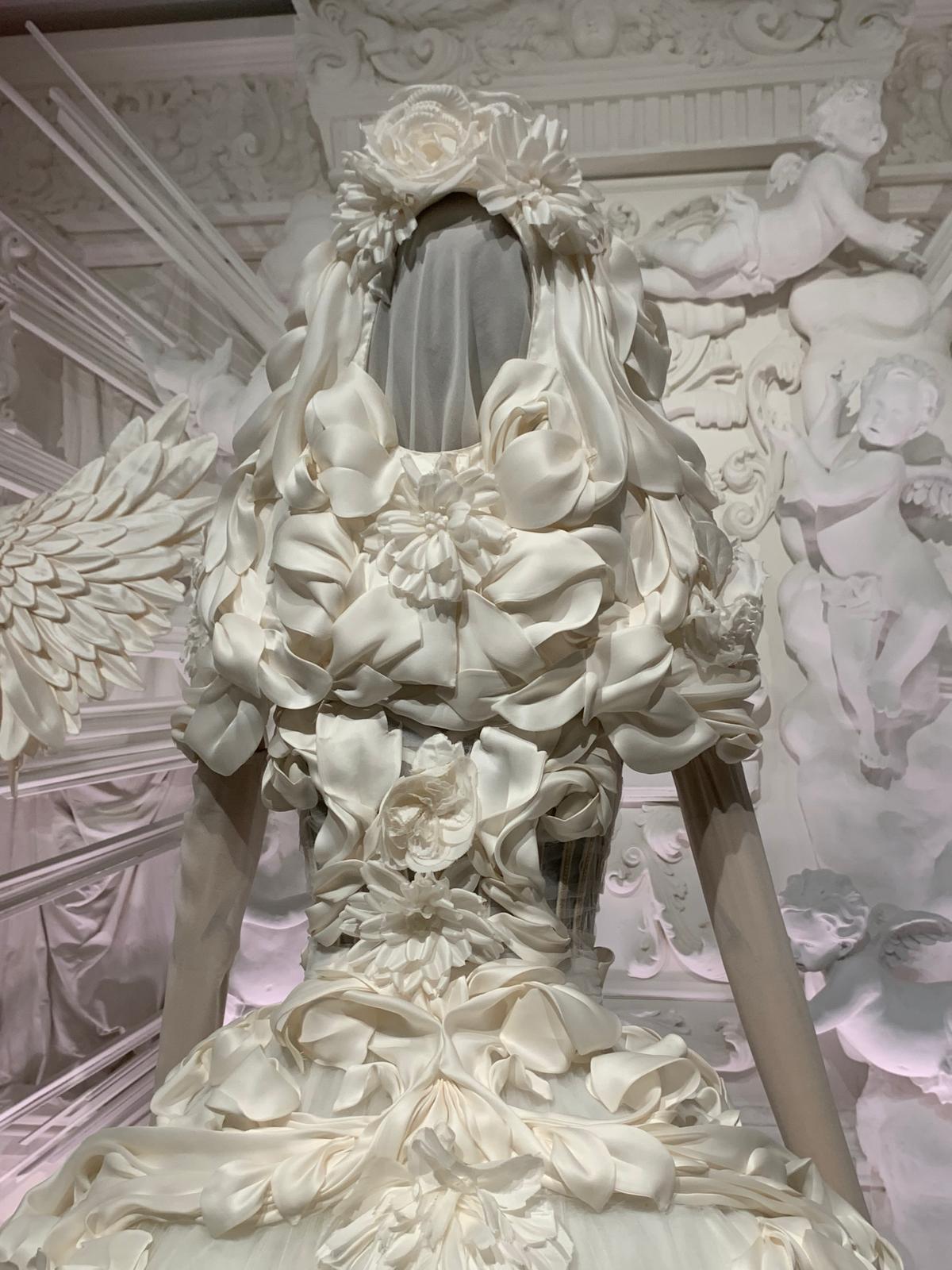
The ‘Baroque Blanc’ room felt calm and ethereal.

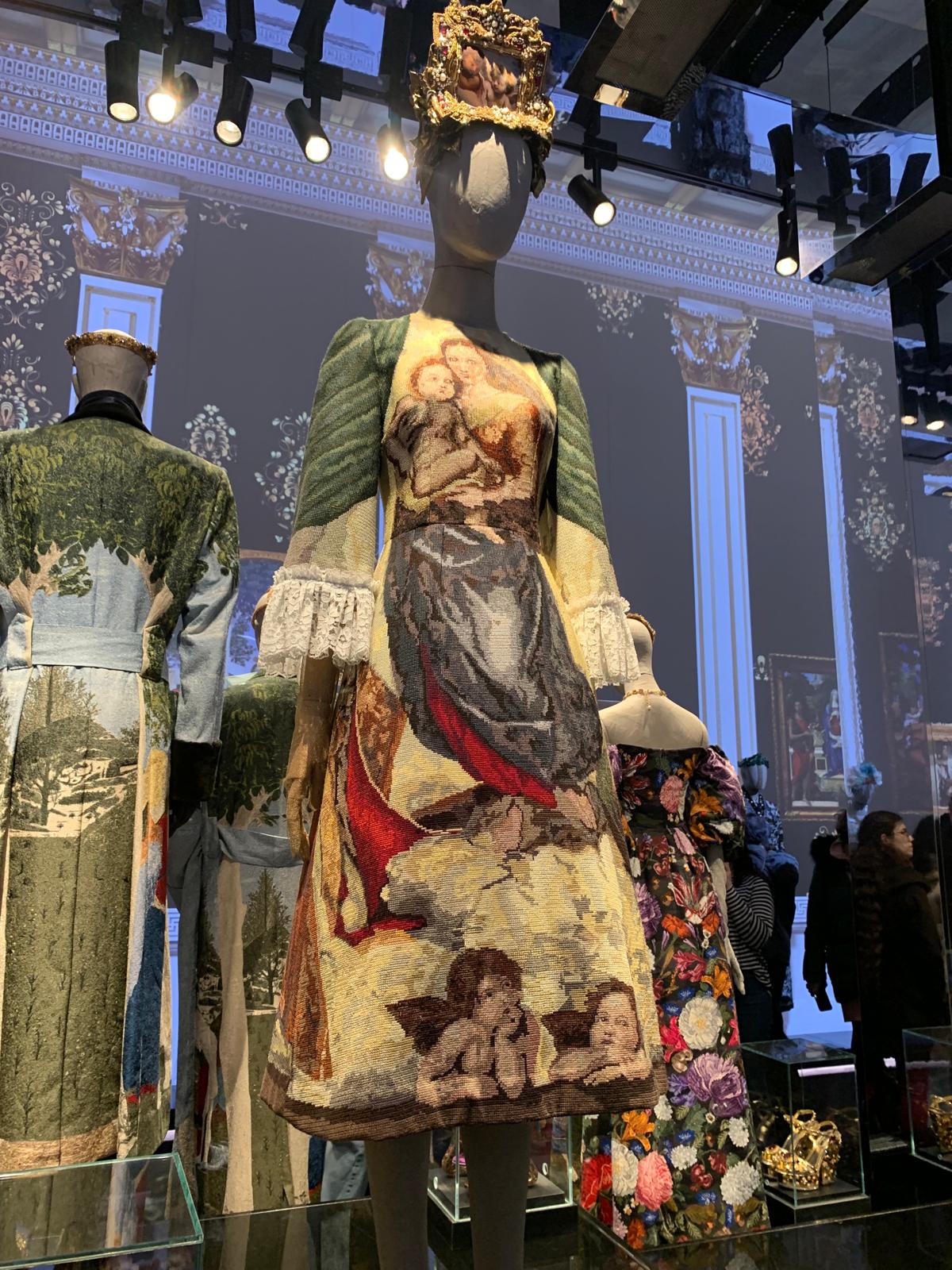
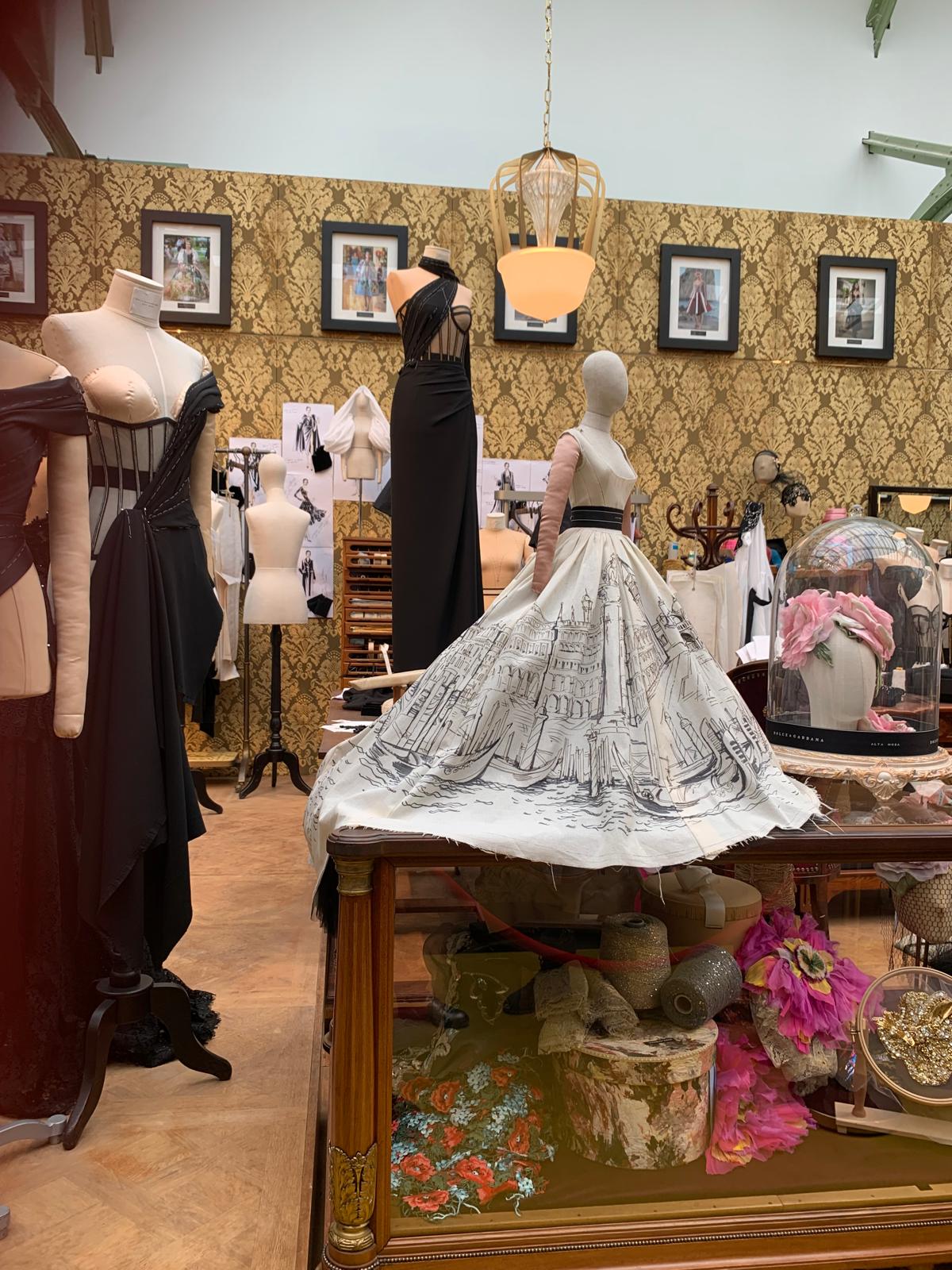
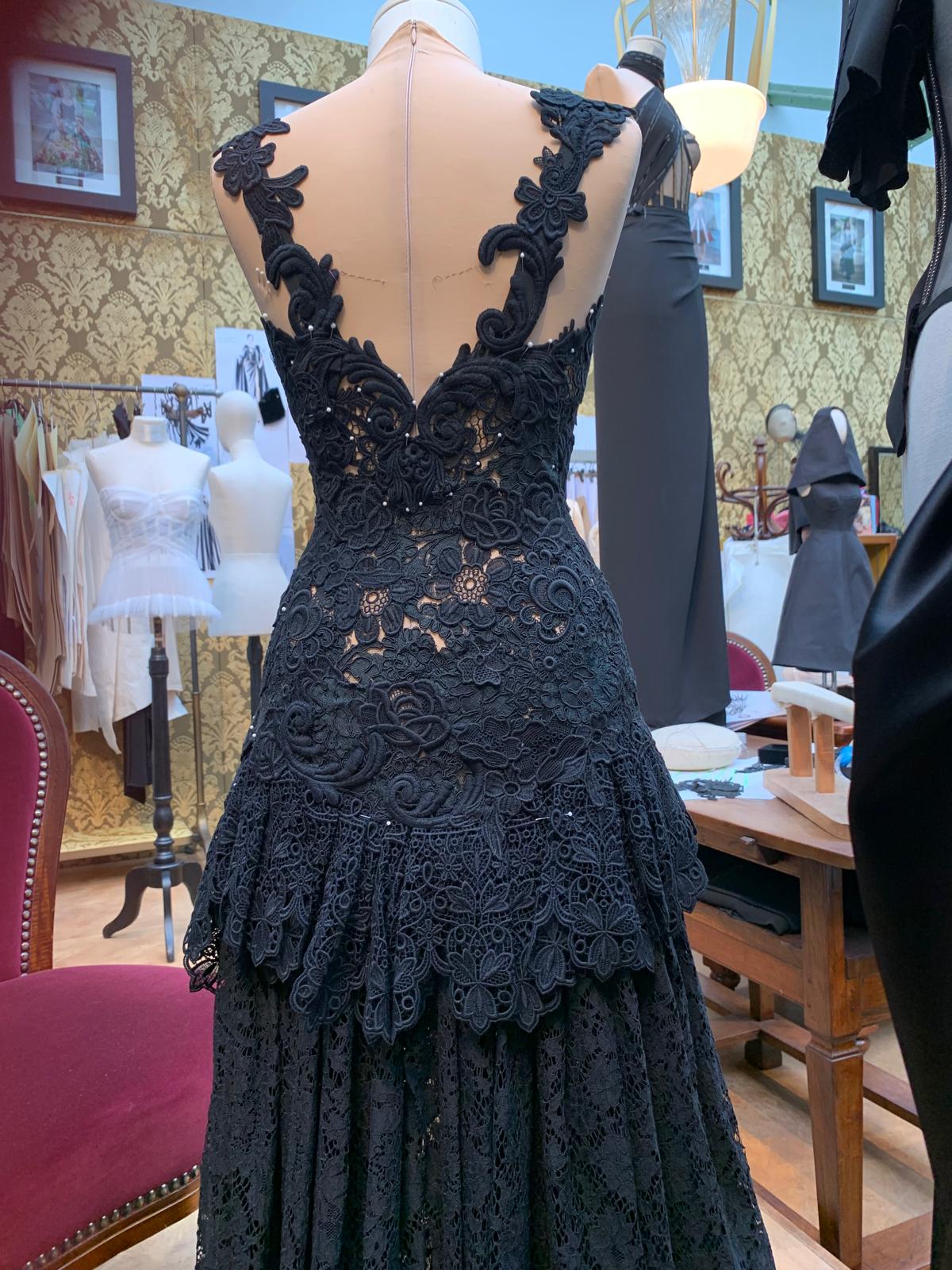
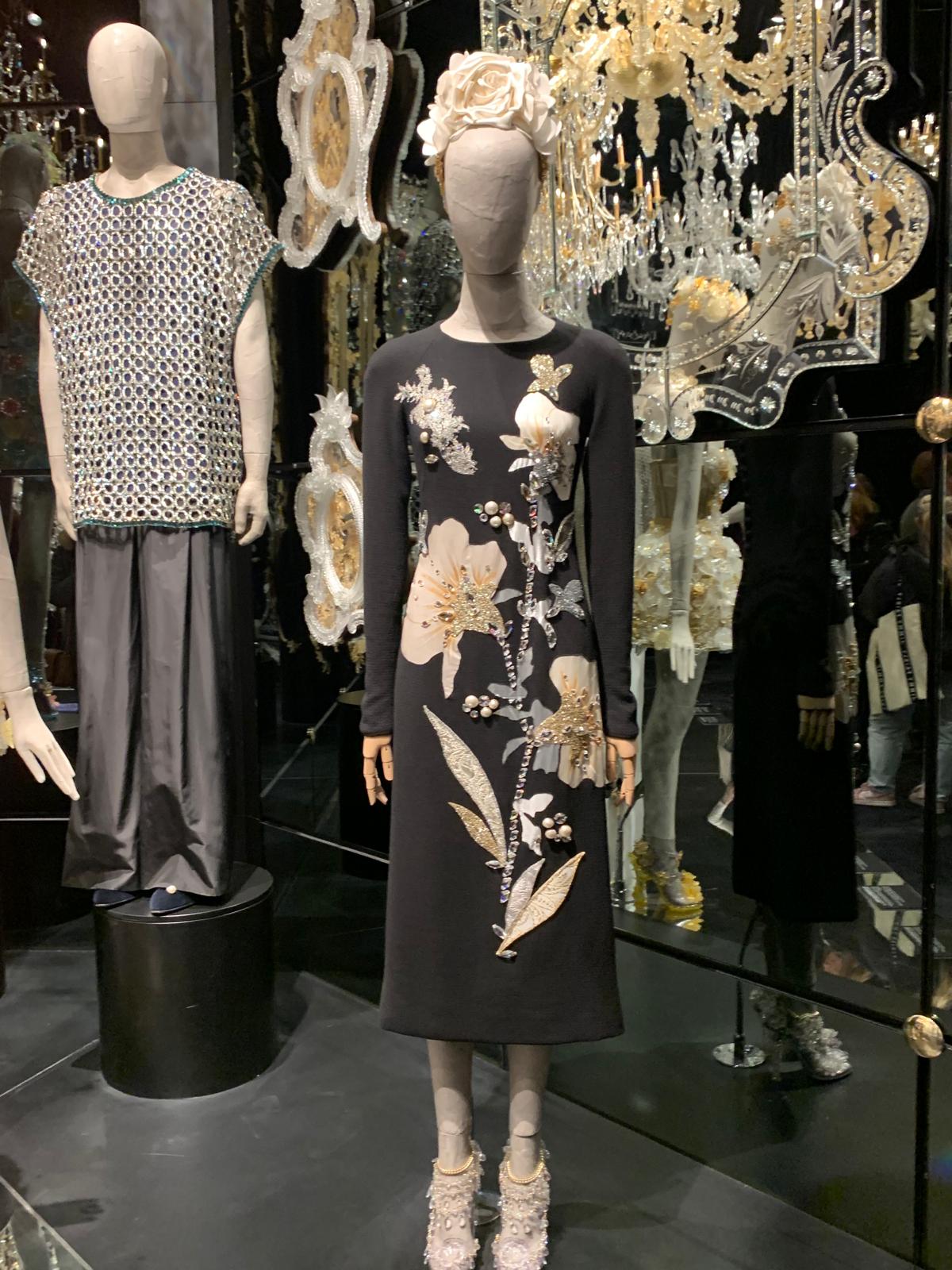
‘Ateliers, ornements et volumes’ room showed where art becomes fashion and a selection of black dresses currently being developed. For Dolce & Gabbana black is a key colour, the essence of purity for a woman and a traditional colour worn by working class women in Italy. One hundred and twenty people work on the creations at the Milan headquarters. Working with new technology but also reviving time honoured tradition such as cross stich embroidery.

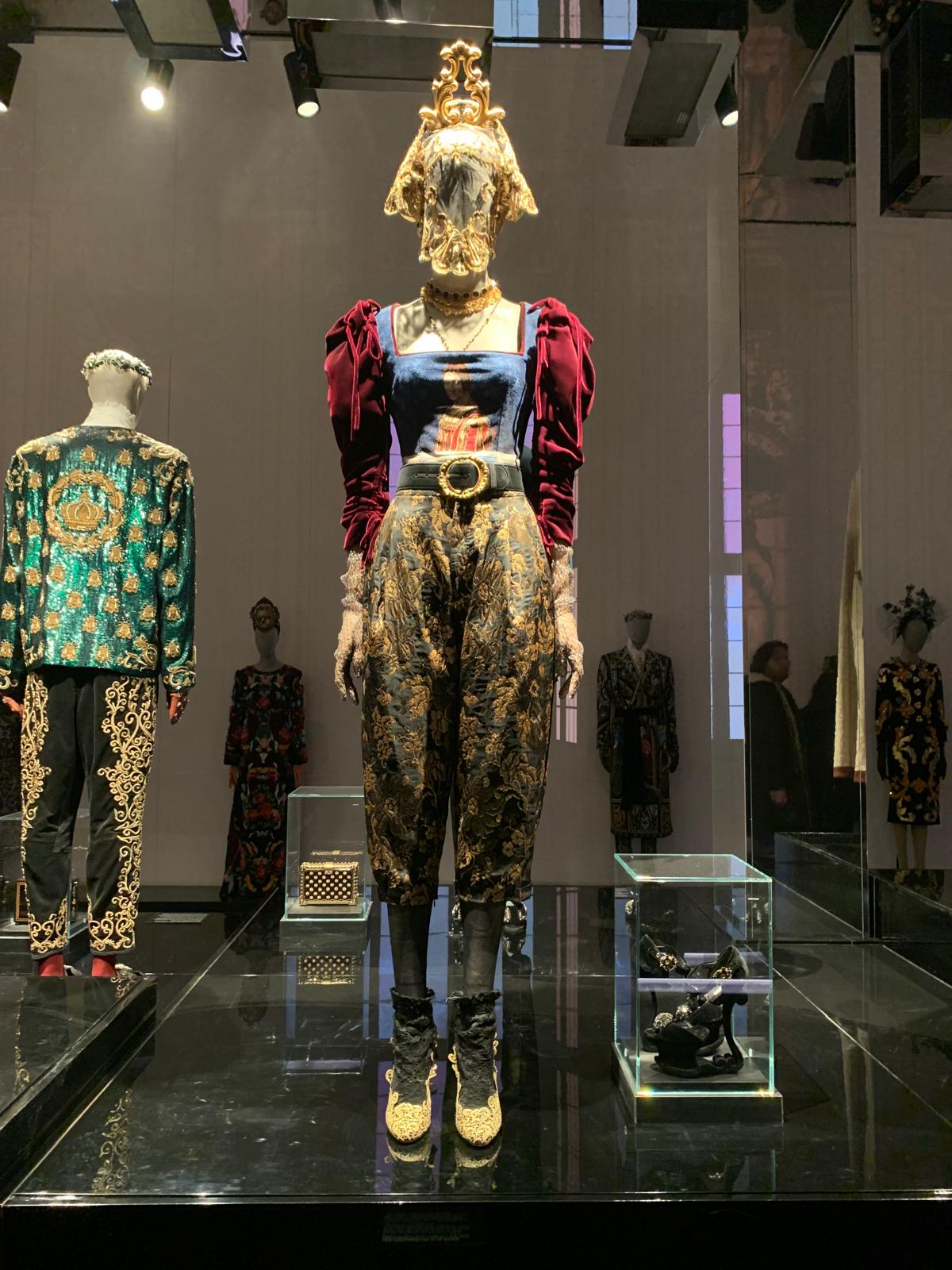
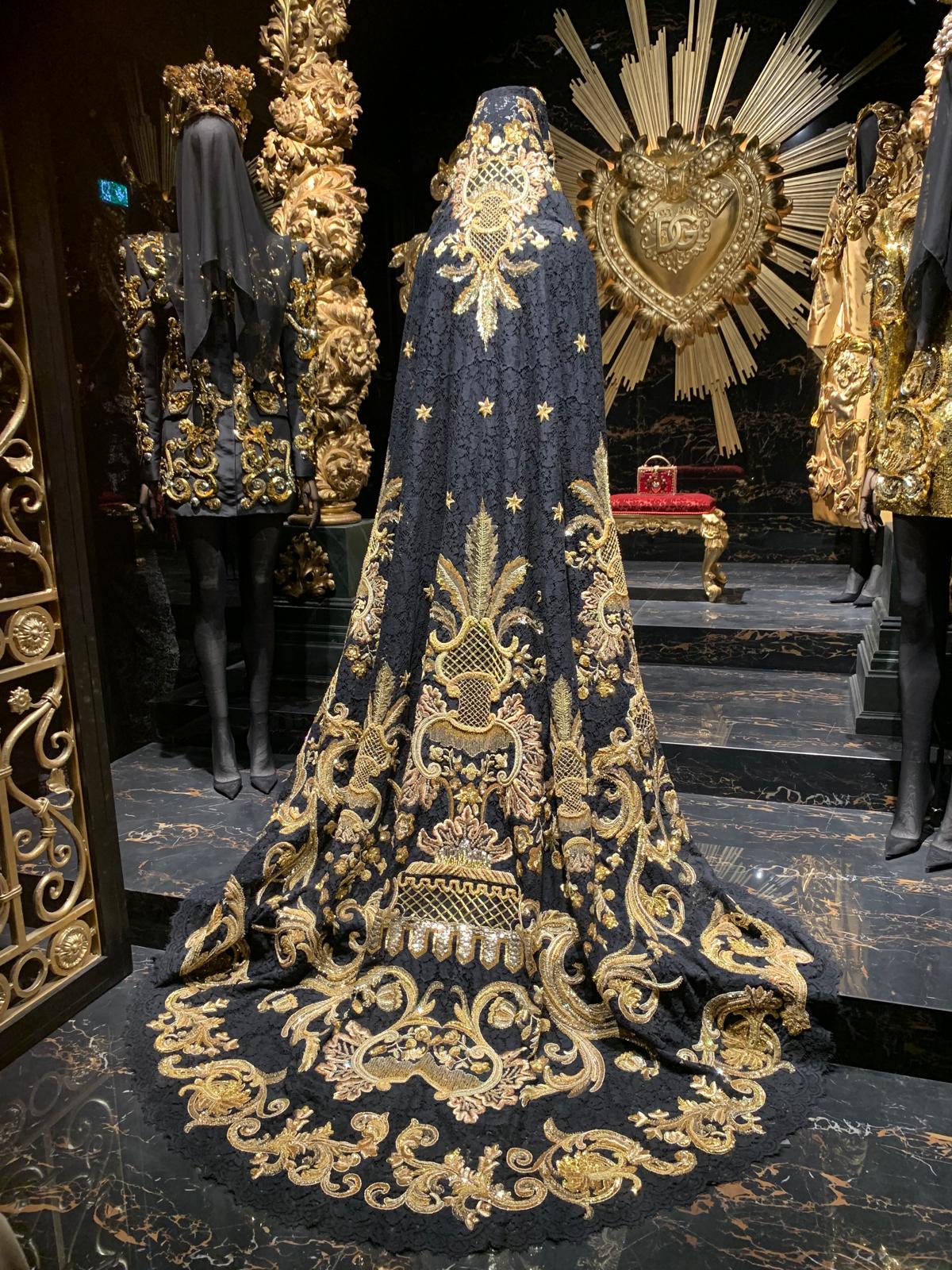
‘The room ‘Dévotion’, was true and dramatic Dolce and Gabbana full of black lace and gold pieces.

Through ‘Le Guépard’ inspired room,

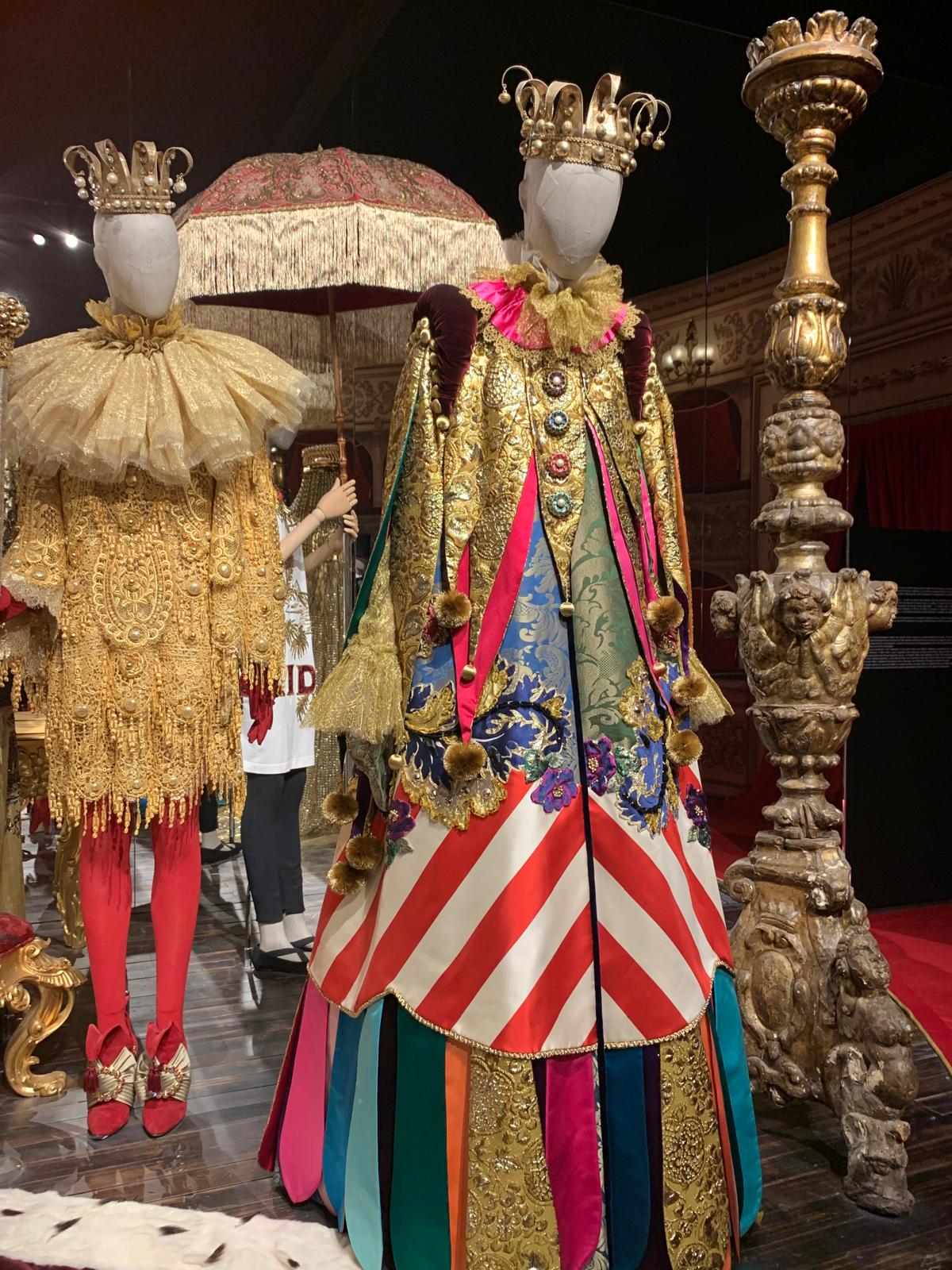
and then the world of ‘Opéra’

I have to say, my personal favourite was ‘l’art et savoir faire du verre’. Simply wow! Ornate crystal pieces embellished with flowers and mosaics in a room full of crystal chandeliers (I would think Murano), mirrors and background sound effects of breaking glass! Unapologetic excess.

Congratulations to the curator of the exhibition historian Florence Müller, as the attention to detail not just with the presentation of the pieces but to the atmosphere of each room was stunning. In a recent interview about the exhibition she said ‘What fascinated me was examining the clothes up close, observing all the intricate tailoring work and their sophisticated structure. Then, delving into the research on fabrics, colours, and embellishments that draw upon various crafts, from appliqué embroidery to glass embroidery.’

Refreshingly, Dolce and Gabbana have not sold their brand to the luxury conglomerates LVMH, Richemont etc. They own 40% each and the remaining 20% owned by the Dolce family. This ensures the brand stays true to its Italian roots.

Back outside and to the reality of the world, we wandered back to the station stopping for coffee and discussing our next fabulous trip to Paris.


Talmont-sur-Gironde

My blog buddy, Carolyn, had planned our day at Talmont-sur-Gironde and we set off early. We arrived 2 hours later at this picturesque village situated 15km south of Royan in Charente Maritime.

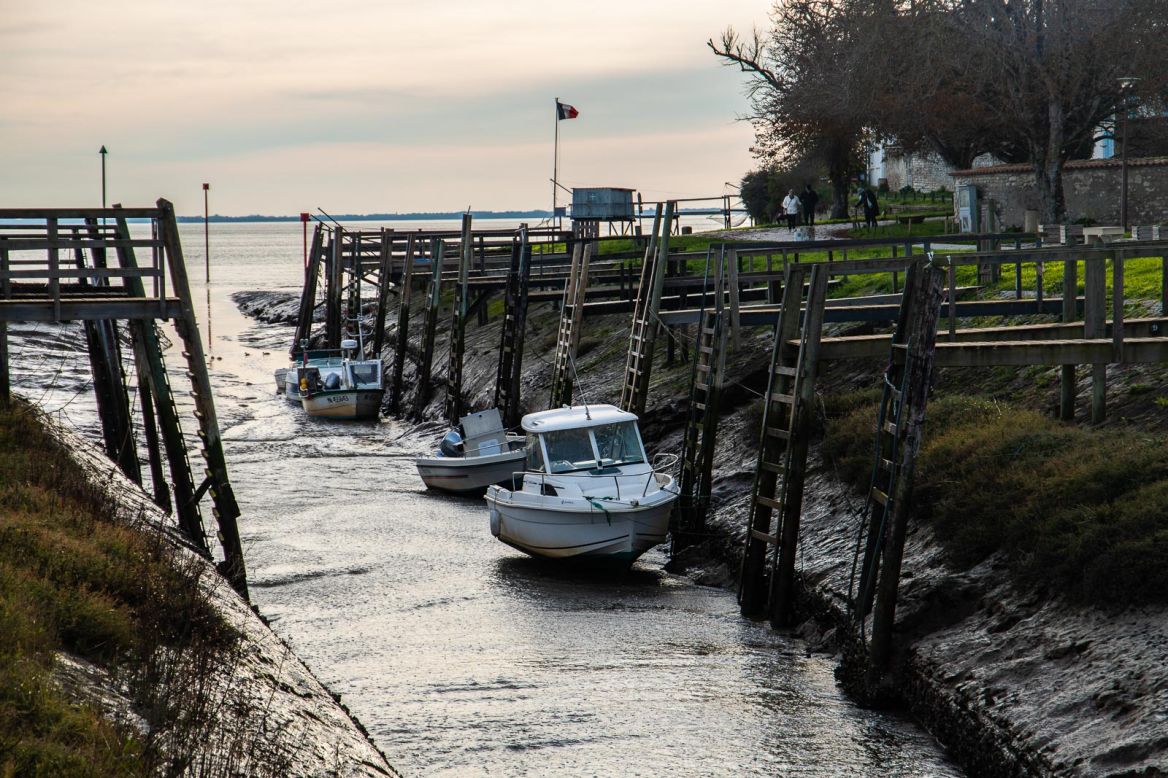
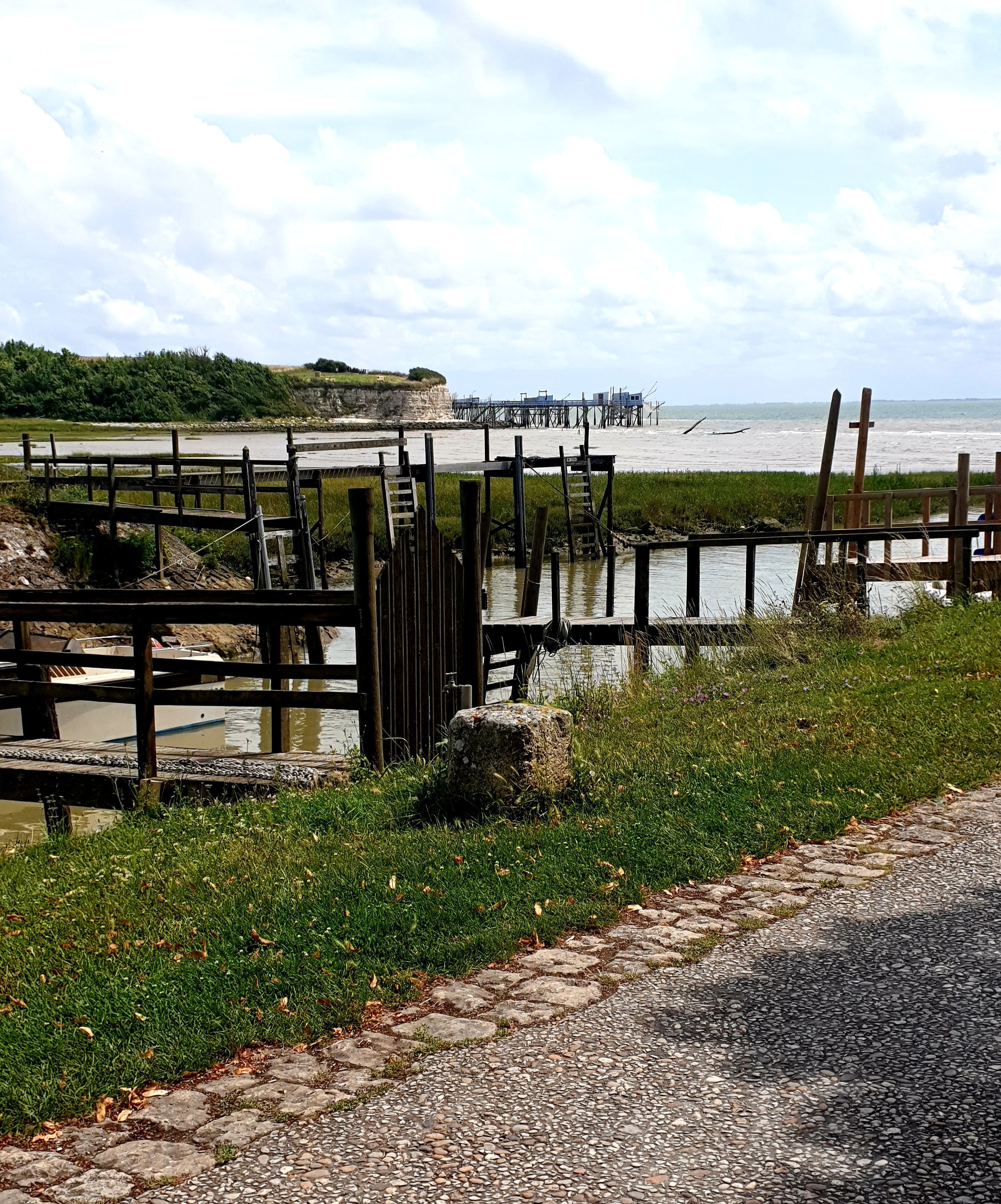
As we walk from the carpark, there are beautiful views of the coastline and the traditional wood fishing huts ‘carrelets’ (even with grey skies!). The port peaked in the first half of the 20th century with fishing for sturgeon and its caviar production.

The fortified village was built in this strategic location, overlooking the Gironde estuary, on the orders of King Edward I in the 13th century.

After a coffee, we took a windy walk around the ramparts to the imposing church Sainte Radegonde. The Romanesque church was built between the 11th and 14th century. At one time the church became a resting place for the pilgrims en- route to Santiago de Compostela.

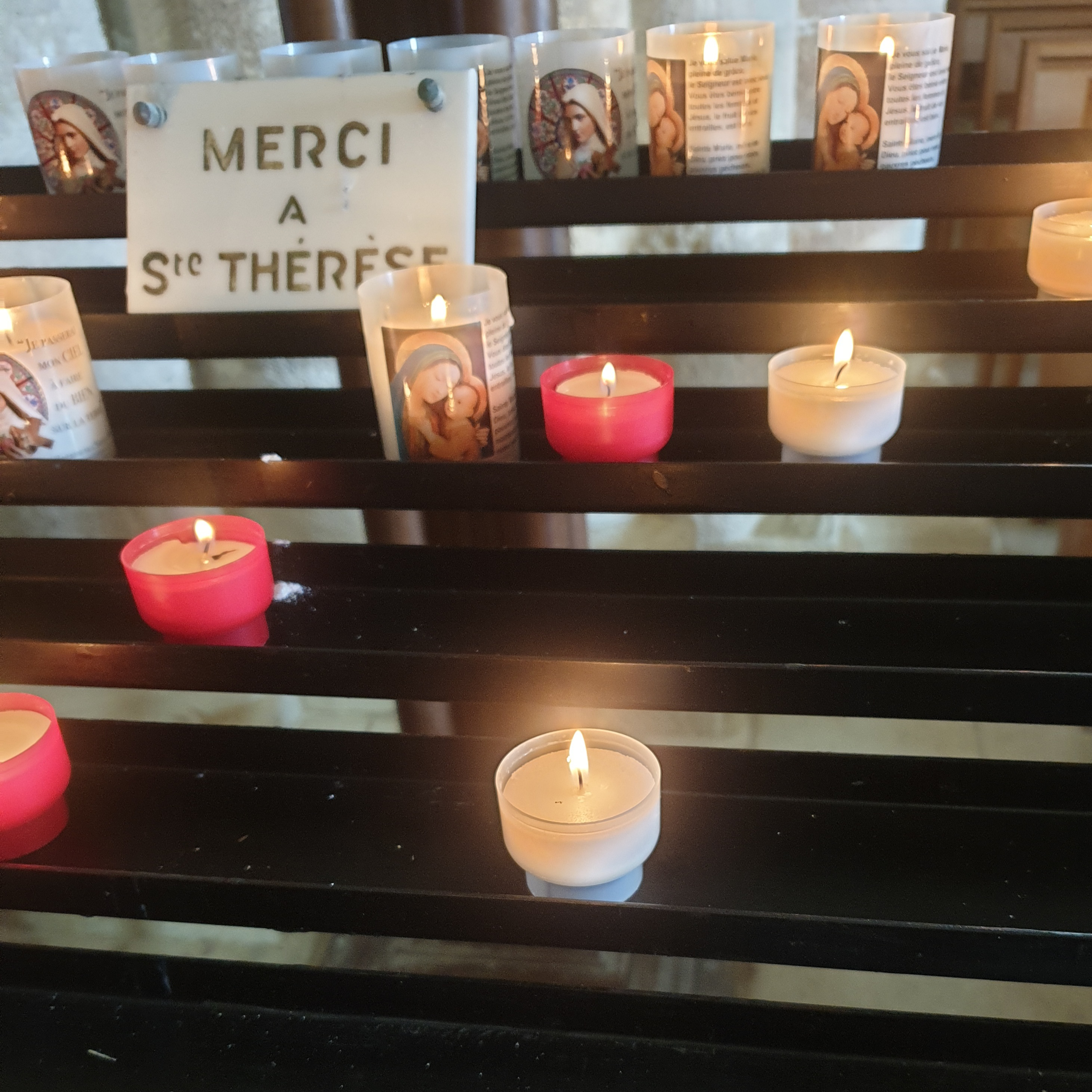
Inside the church, the atmosphere was very peaceful and I took a moment to light a candle for mum, who would have loved the position of the church by the coast.

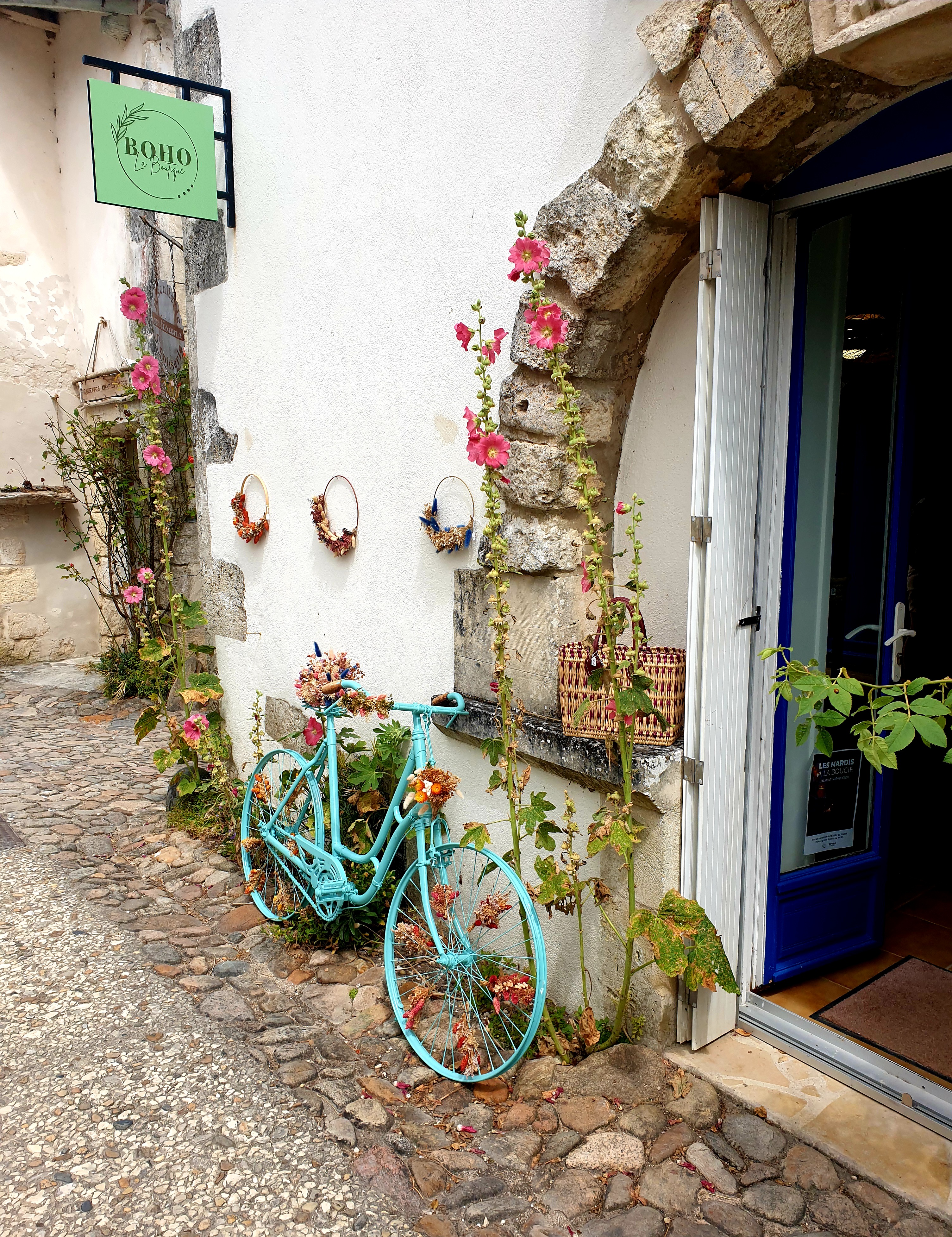
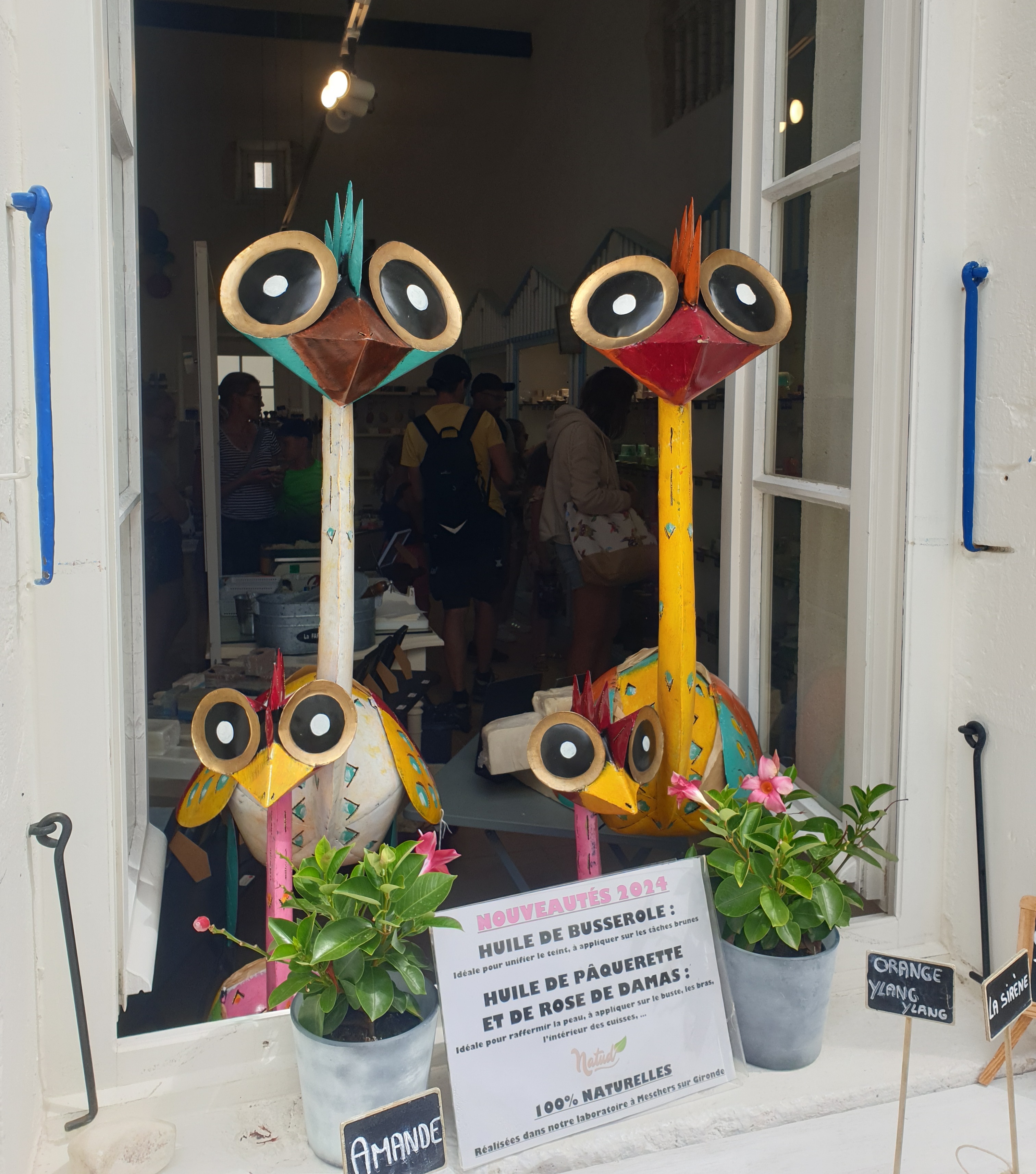
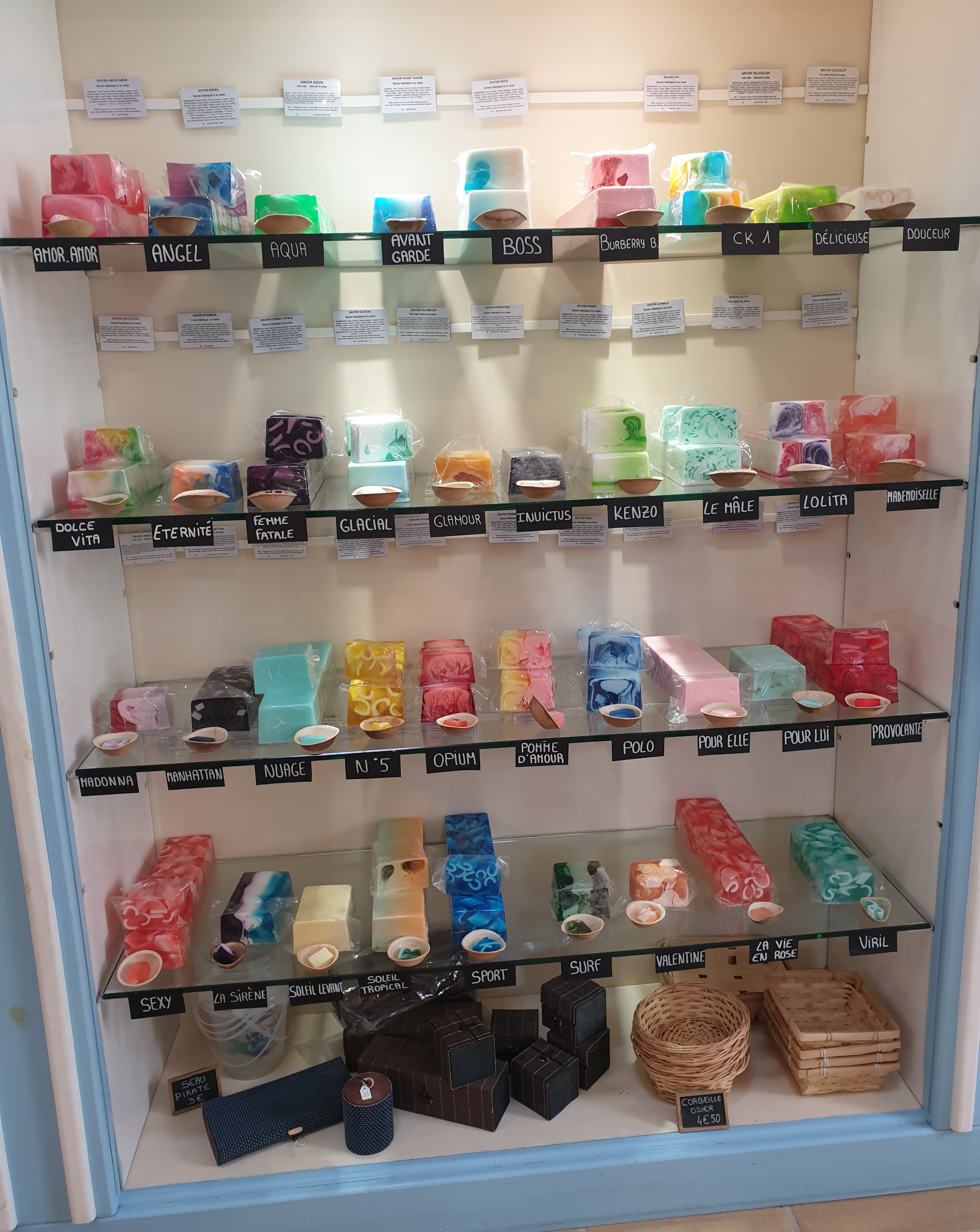
Talmont is also known for all the abundance of hollyhocks that pop up everywhere and add to its charm. The village is a member of Plus Beaux Villages de France which as of 2024, has almost 180 member ‘beautiful villages’ across France. It was very easy to see why as we strolled through the narrow cobbled streets full of white washed artisan shops and houses.

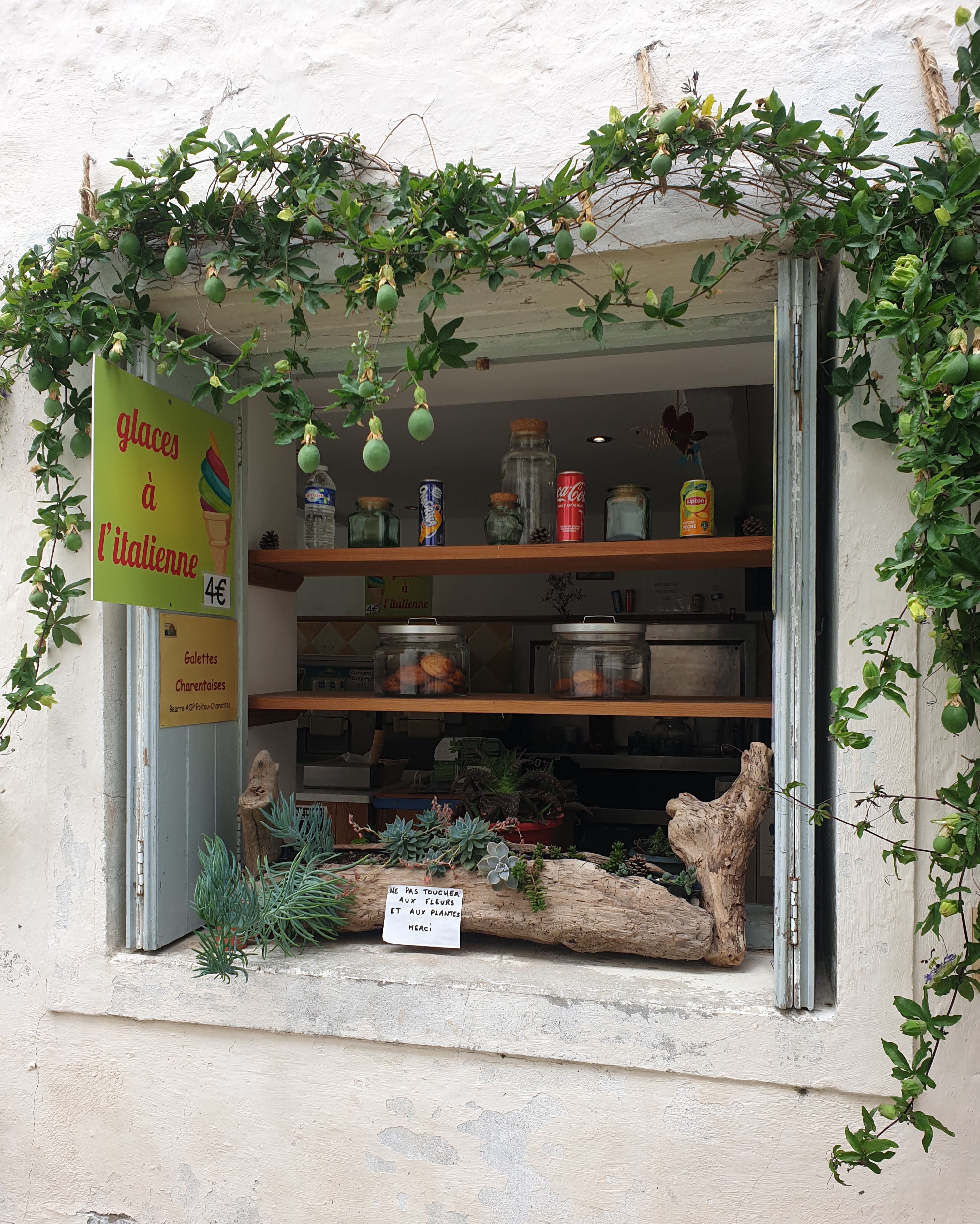
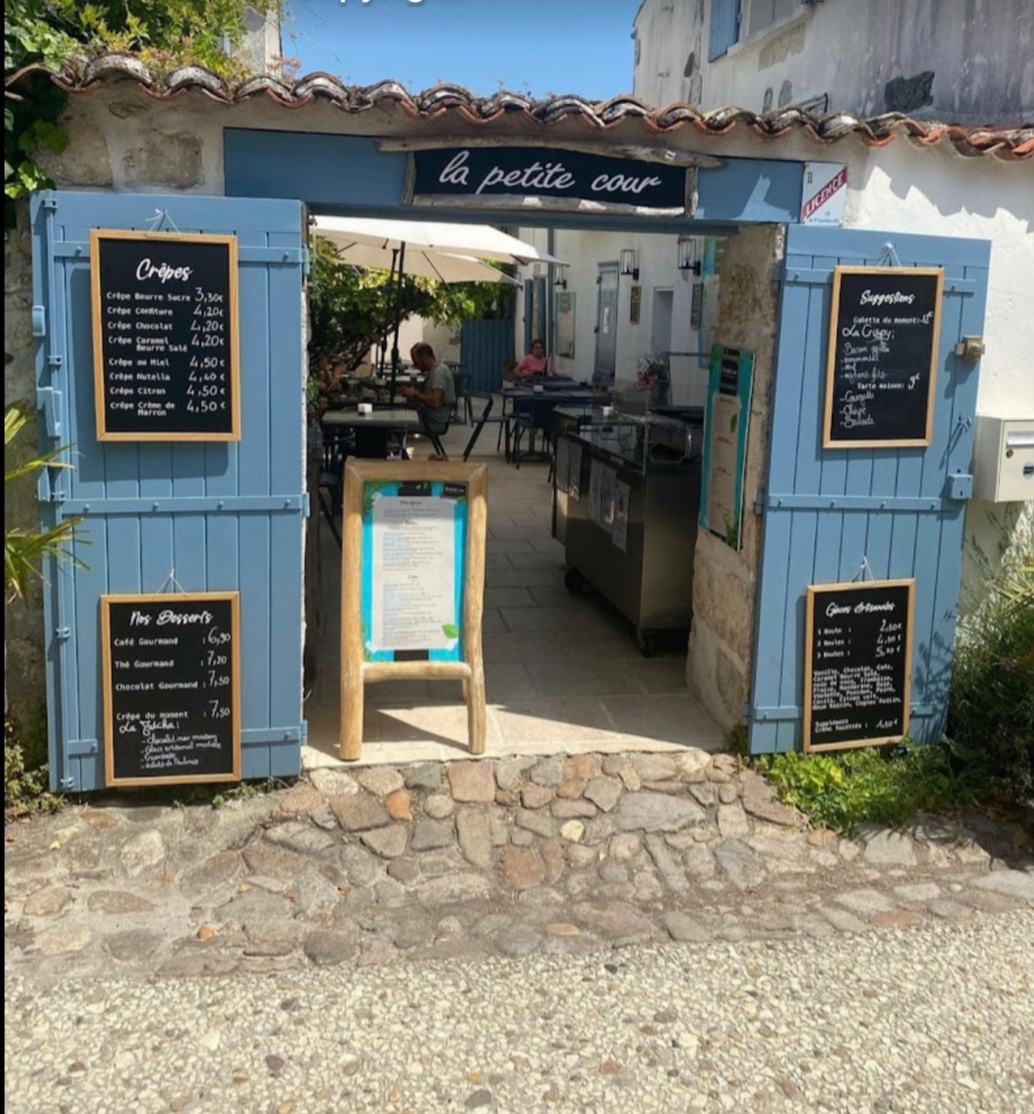
We stopped for lunch at La Petite Cour crêperie. I tried a galette for the first time which is a savoury crèpe made with buckwheat flour. It has a slightly stronger flavour and is also gluten free. However, we did laugh ordering the ‘galette Italienne’ in France. ‘Lunch was well timed as the heavens opened but afterwards, it was back to the shops to treat ourselves to some goodies. Well, it would be rude not to!

In the summer months, Tuesday evenings the shops stay open until 21.00 and the village is all lit up and I can imagine just magical.

Anyway, armed with our bags, we walked back in the sunshine to the carpark and it was time to go home.

Simply, a fabulous day and thoroughly recommend a visit.

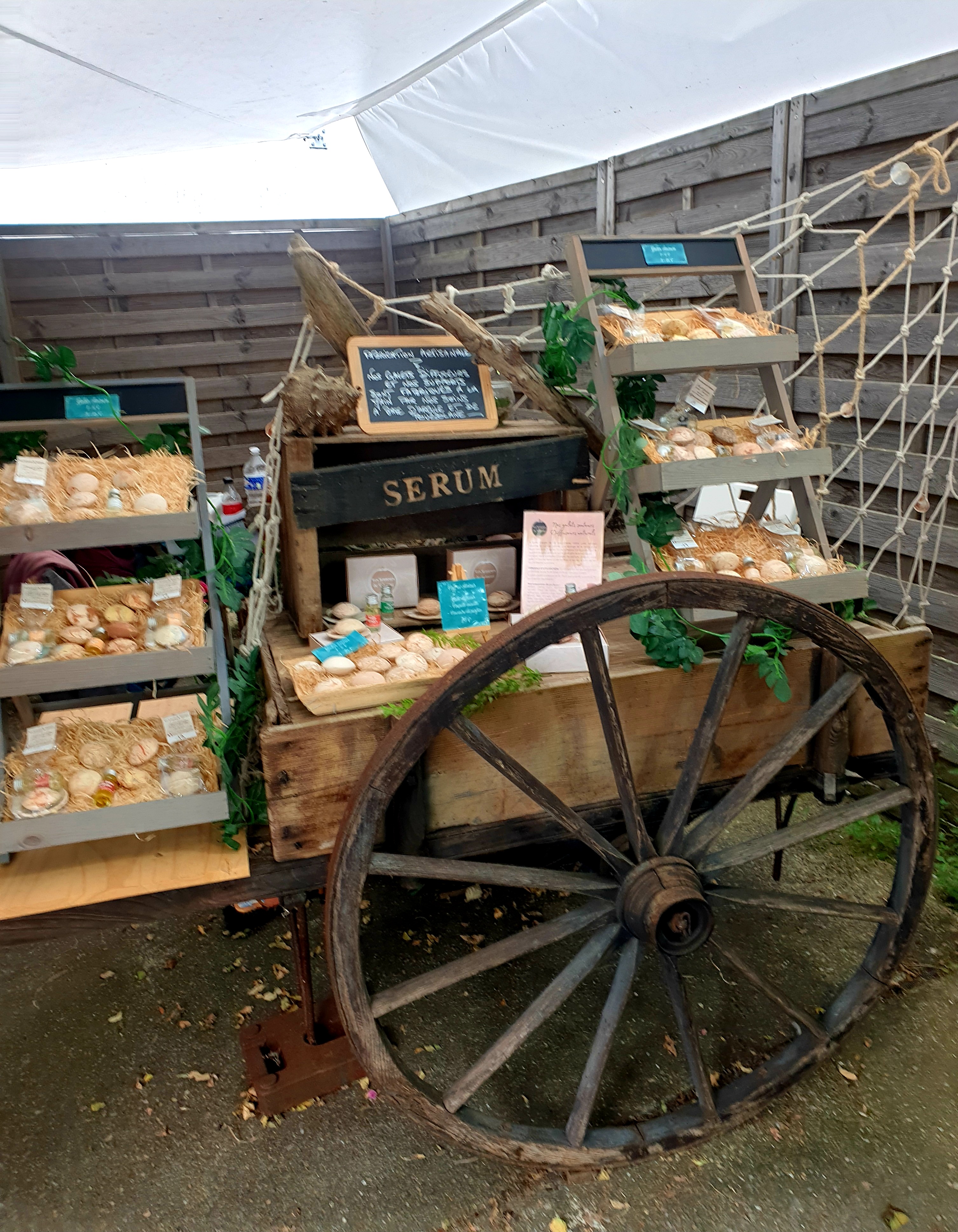
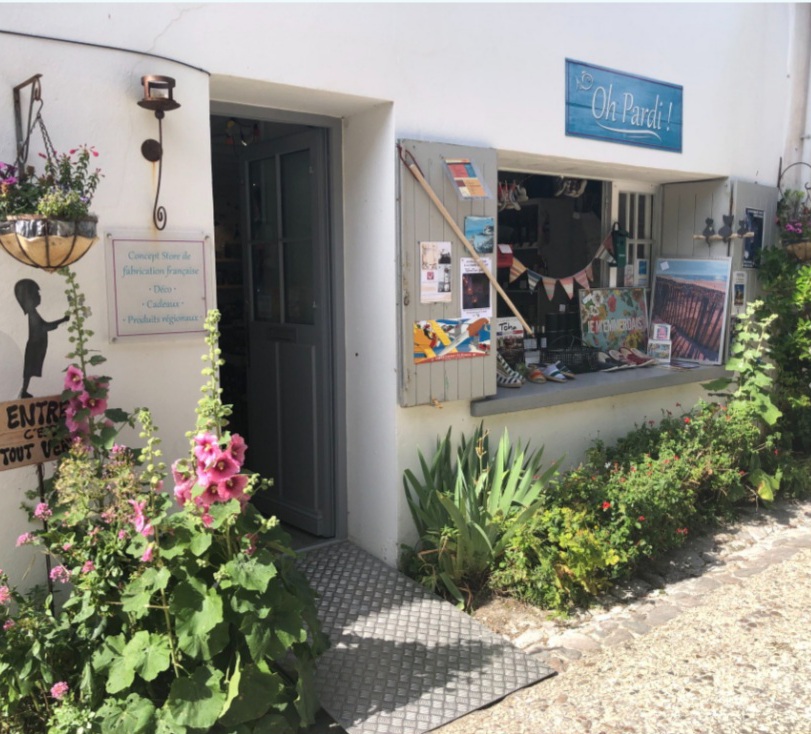
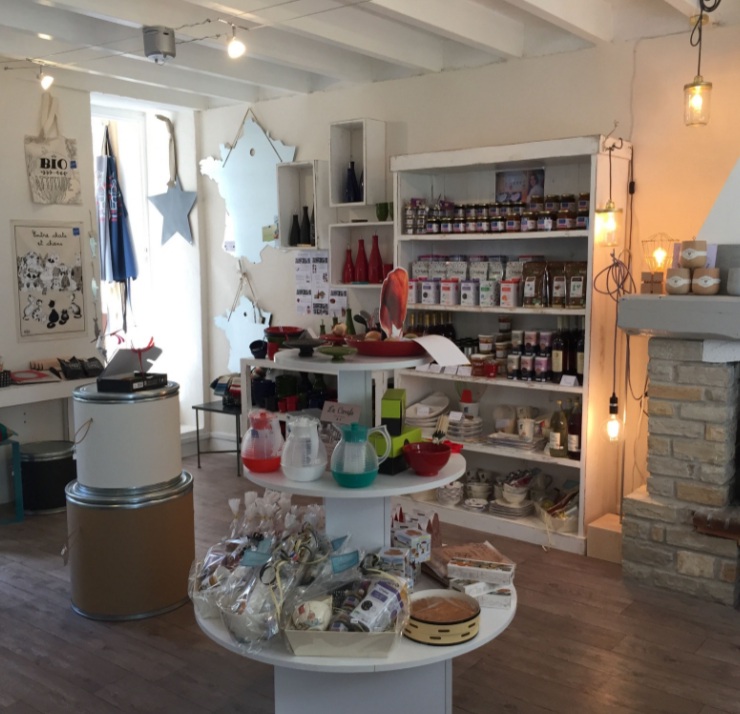
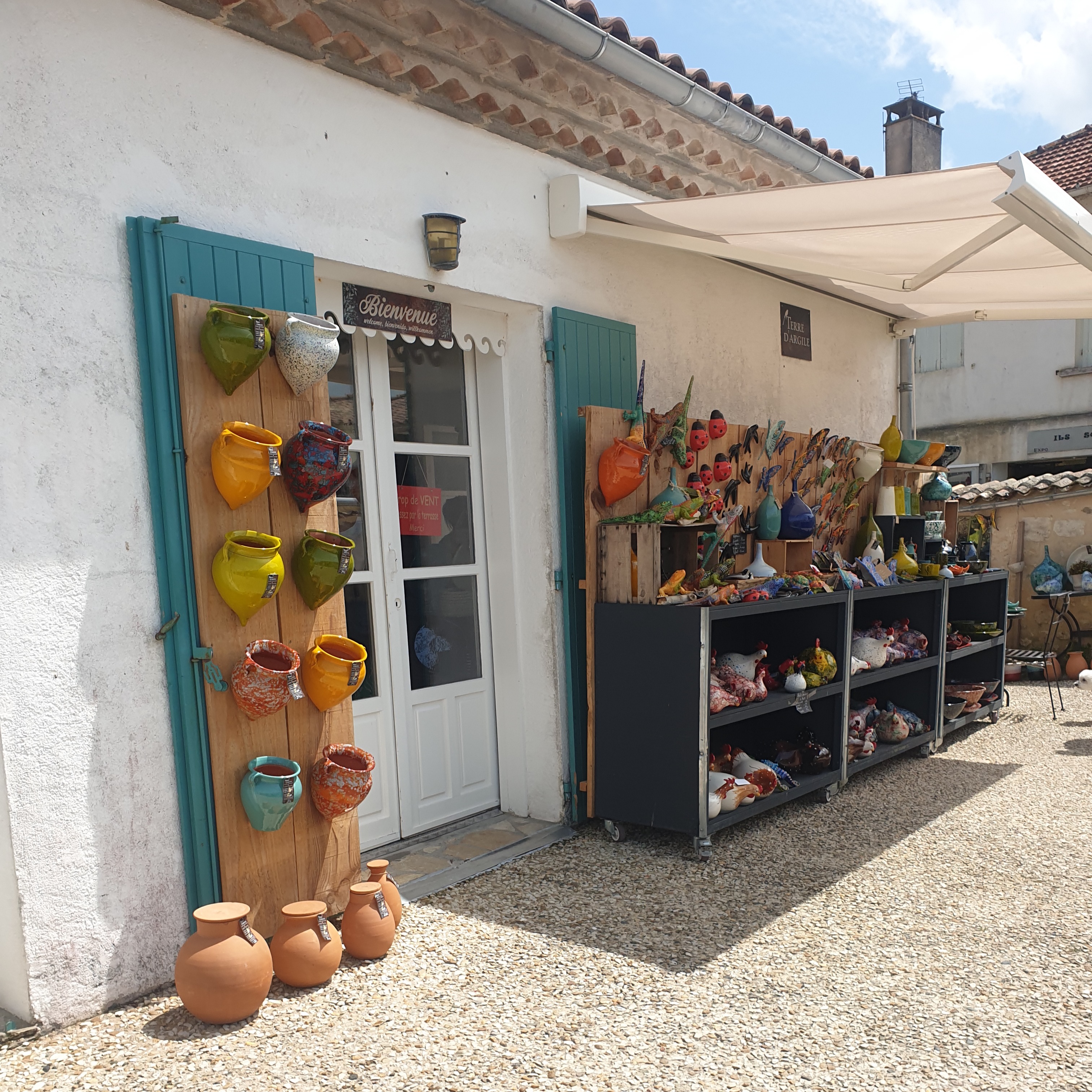
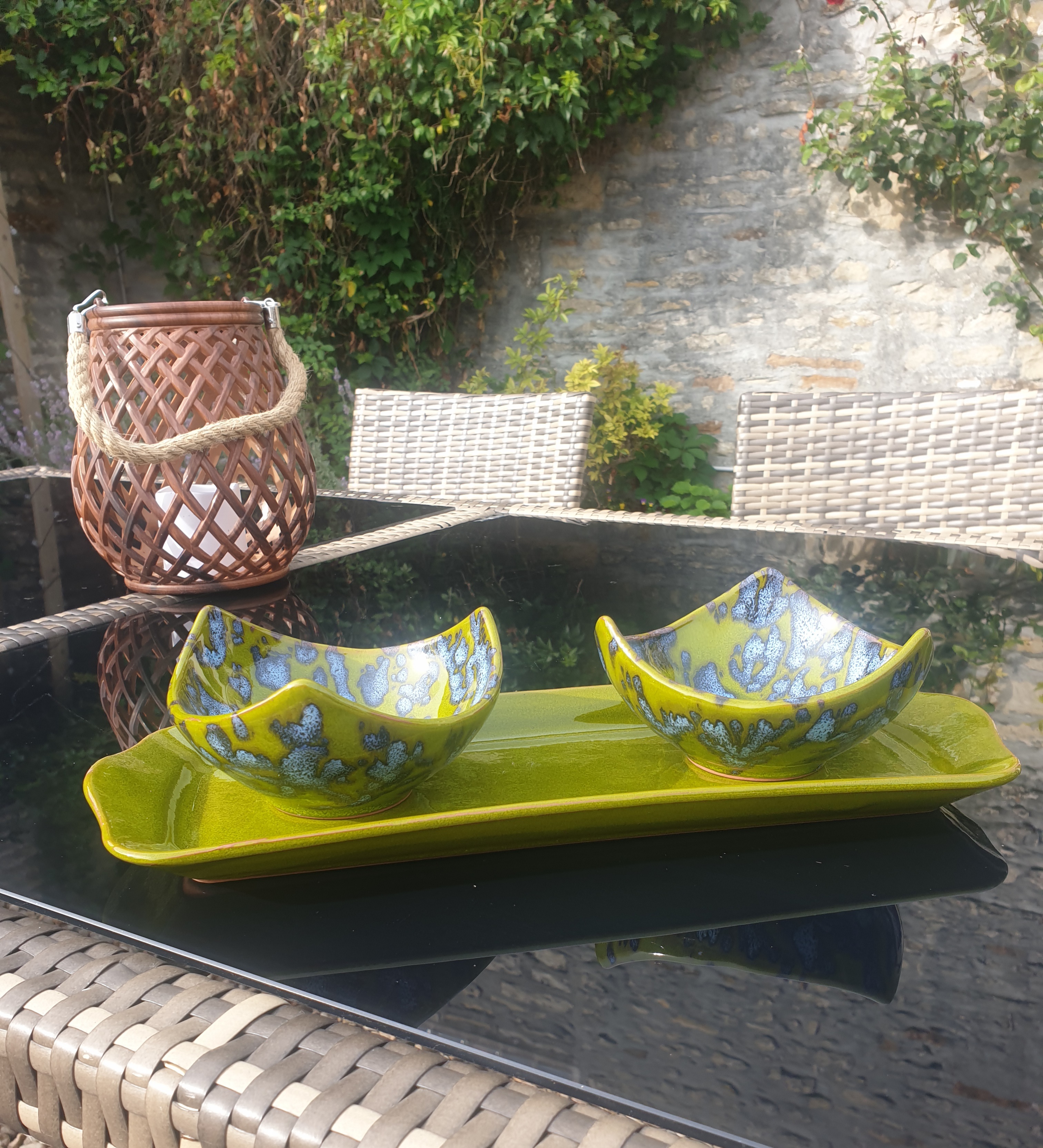
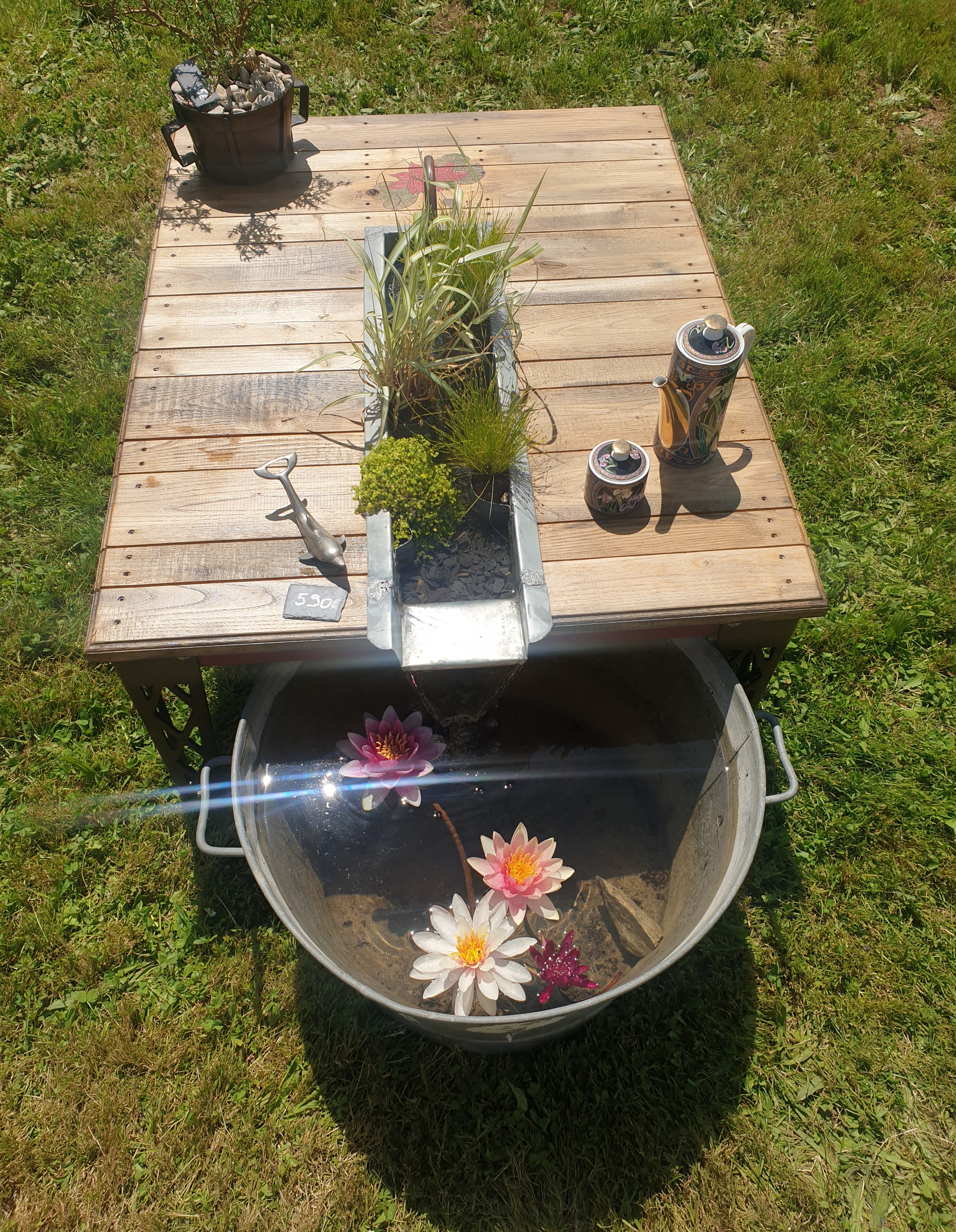
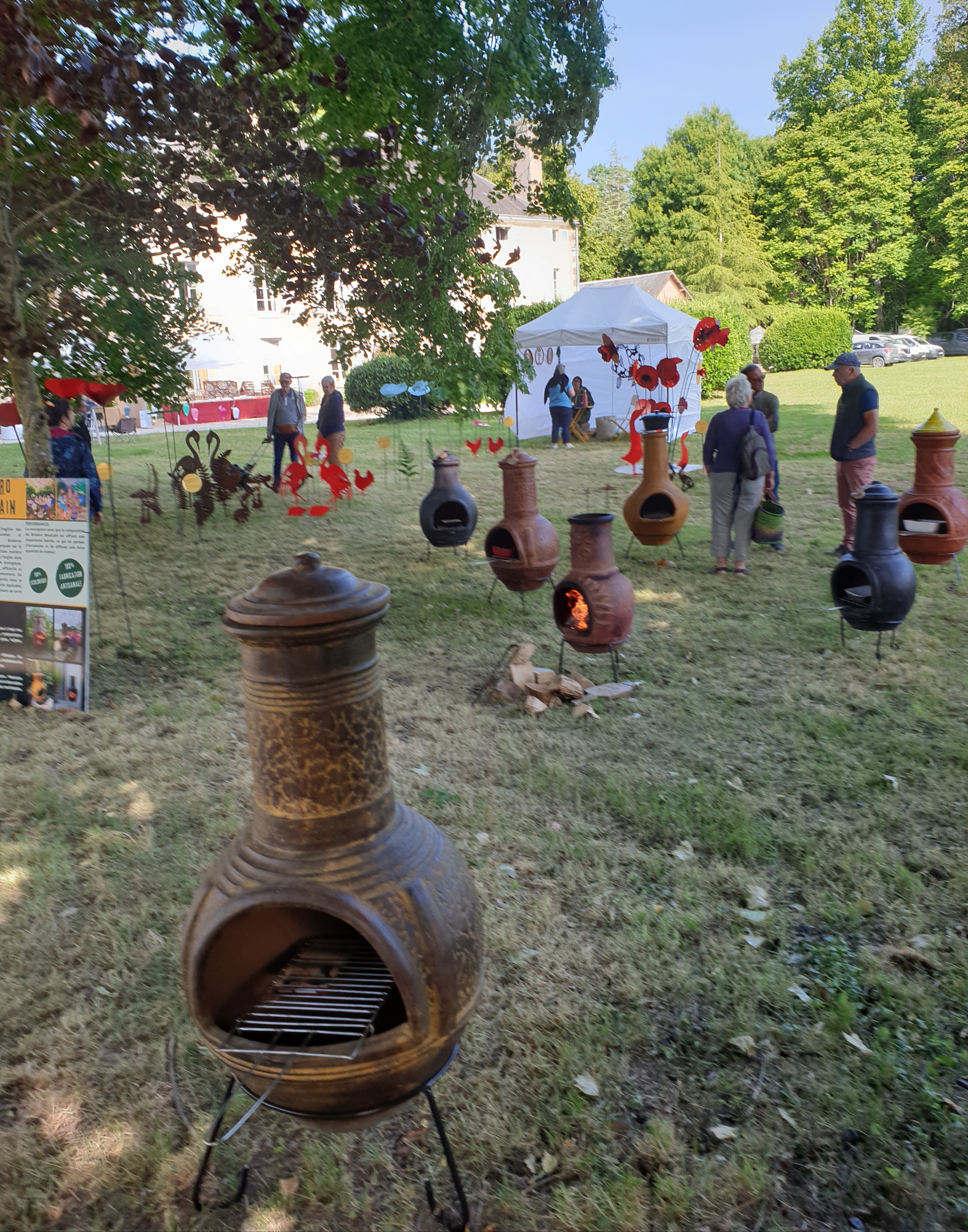
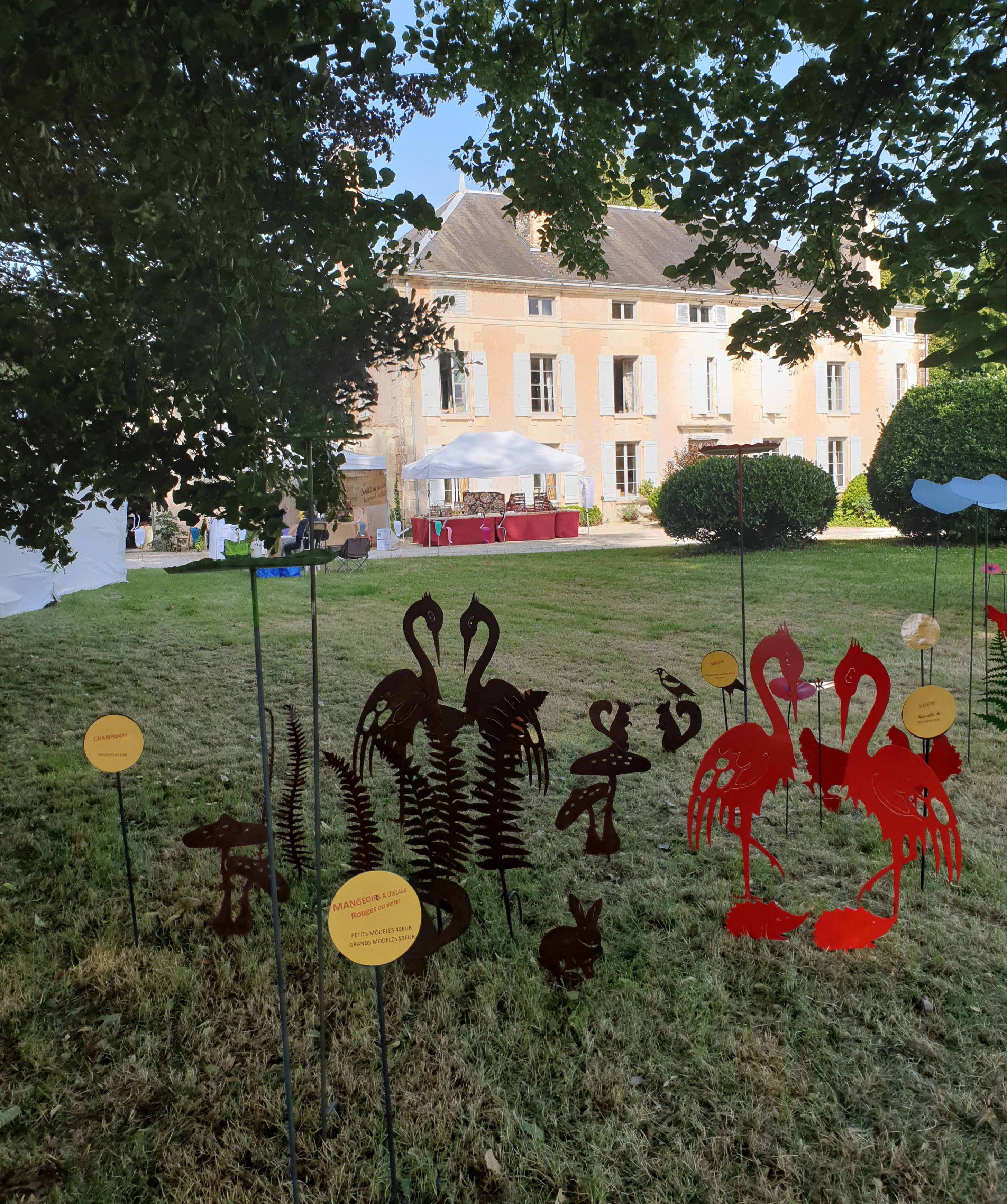
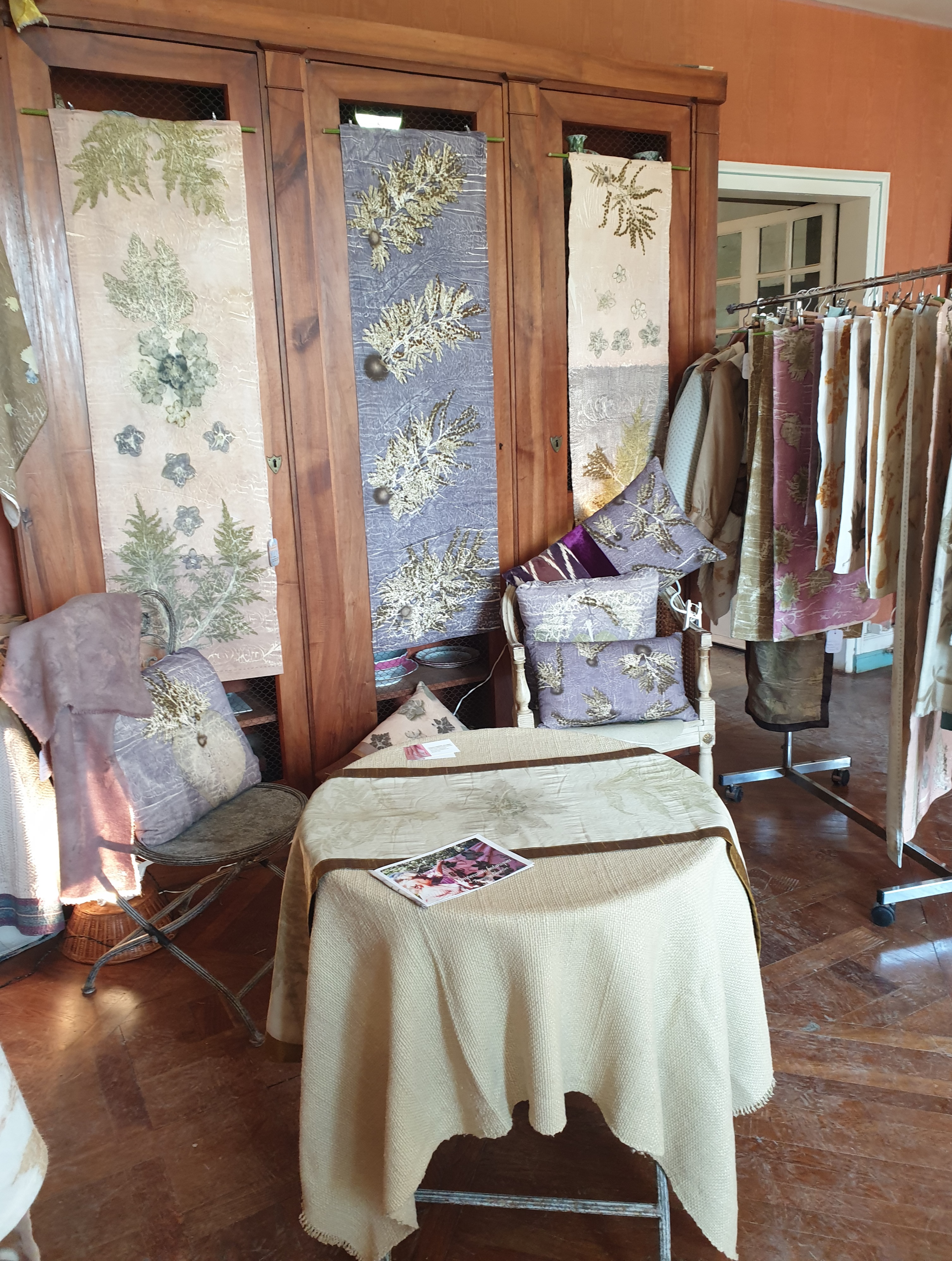
And here is my garden decoration from Oh Pardi! and my dishes for nibbles, with apéros of course, from Terre D’ Argile.

.

If I was having a coffee right now …..

If I was having a coffee right now, I’d be melting in the 32c July heat. Yes, summer has finally arrived in South West France! It seems to have been an eight month rainy season in a lot of countries but I still managed some lovely sunny French’ days out and about.

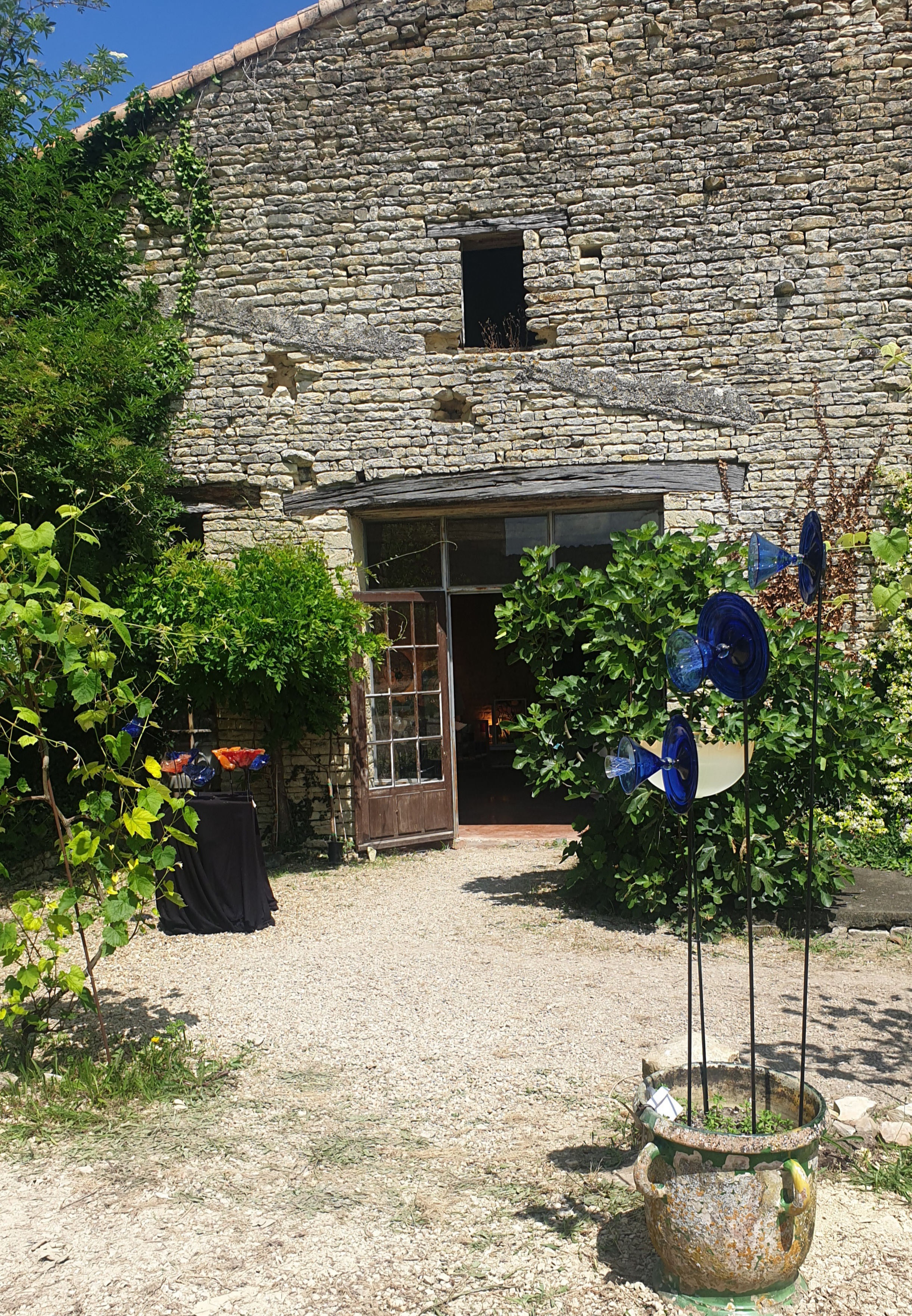
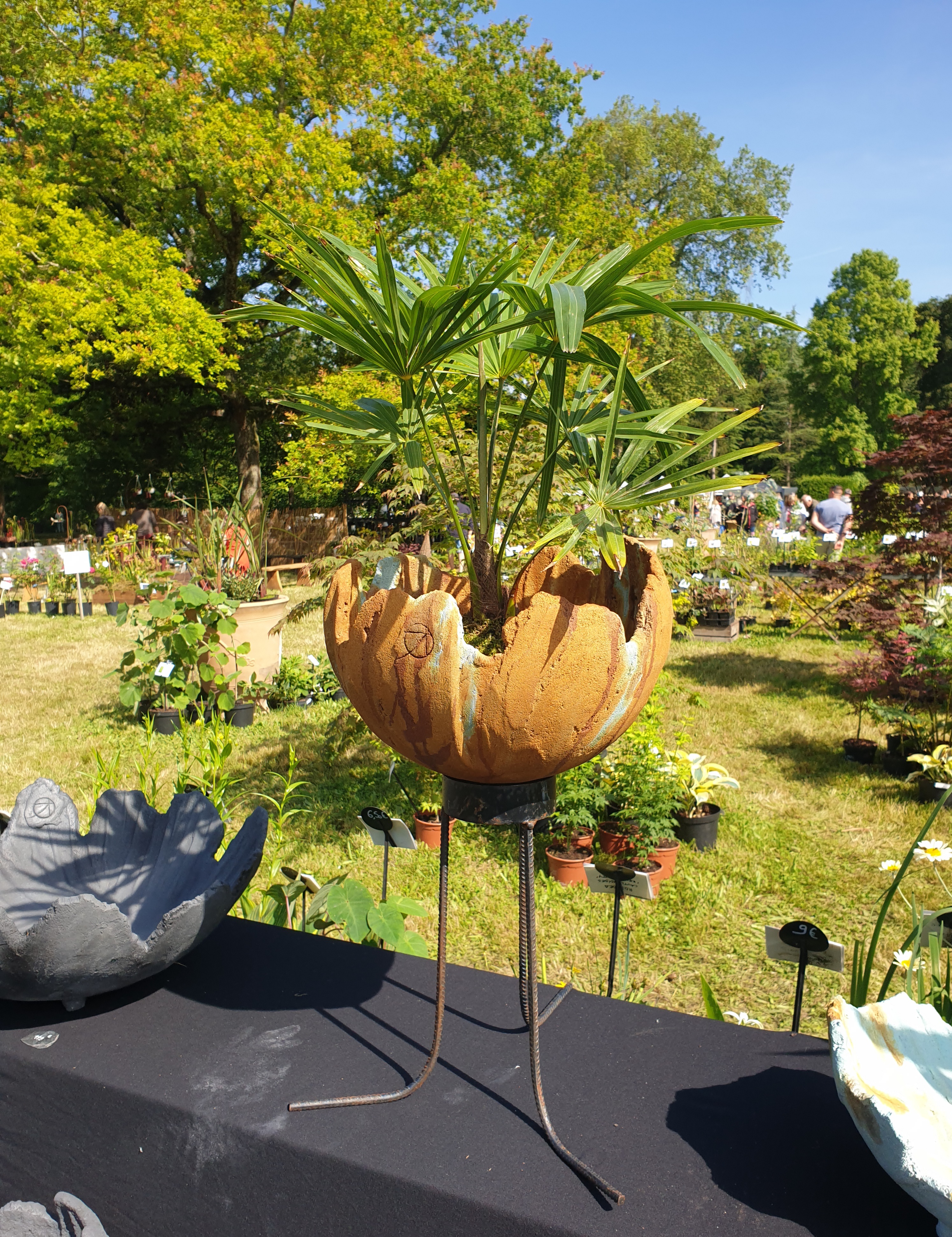
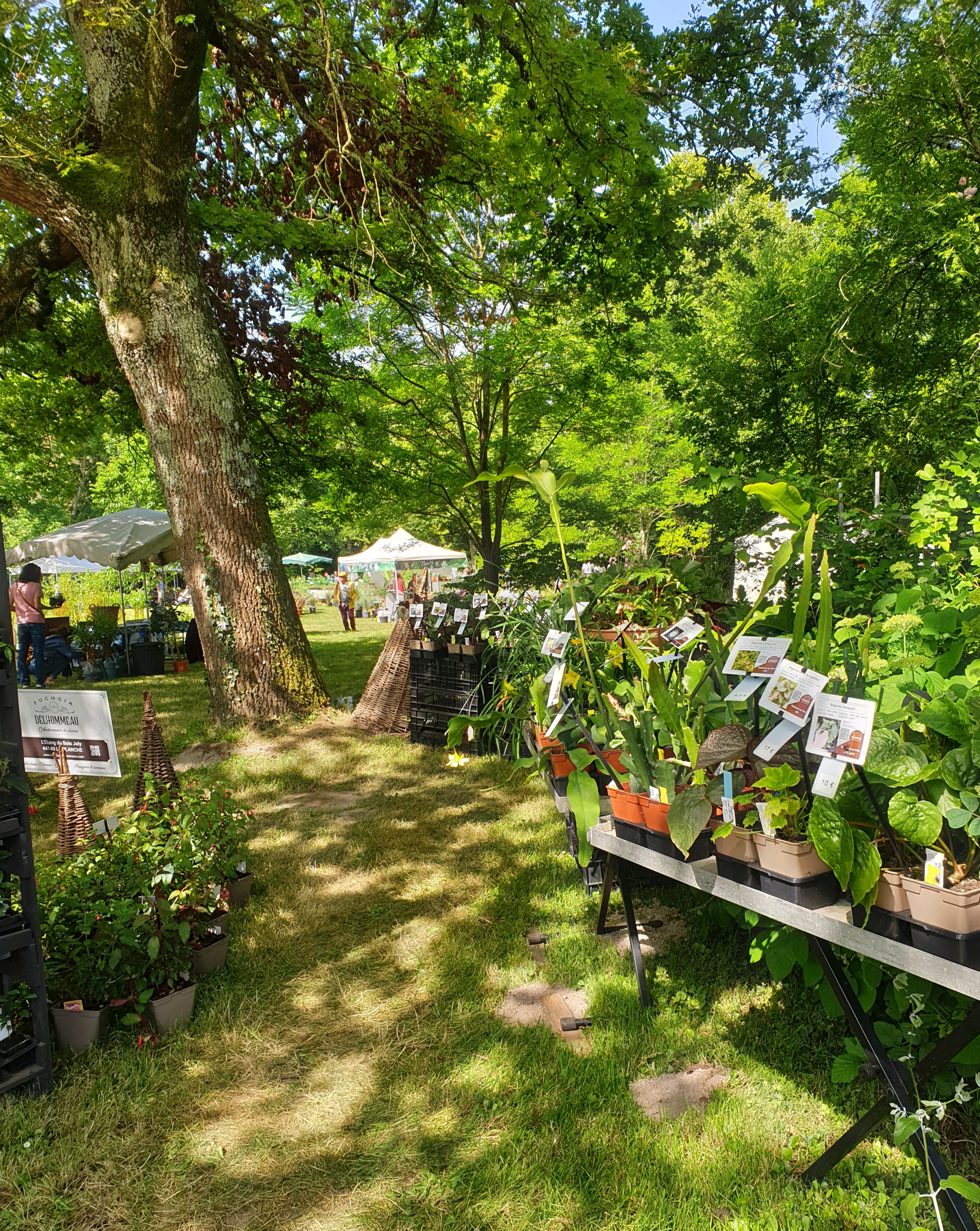
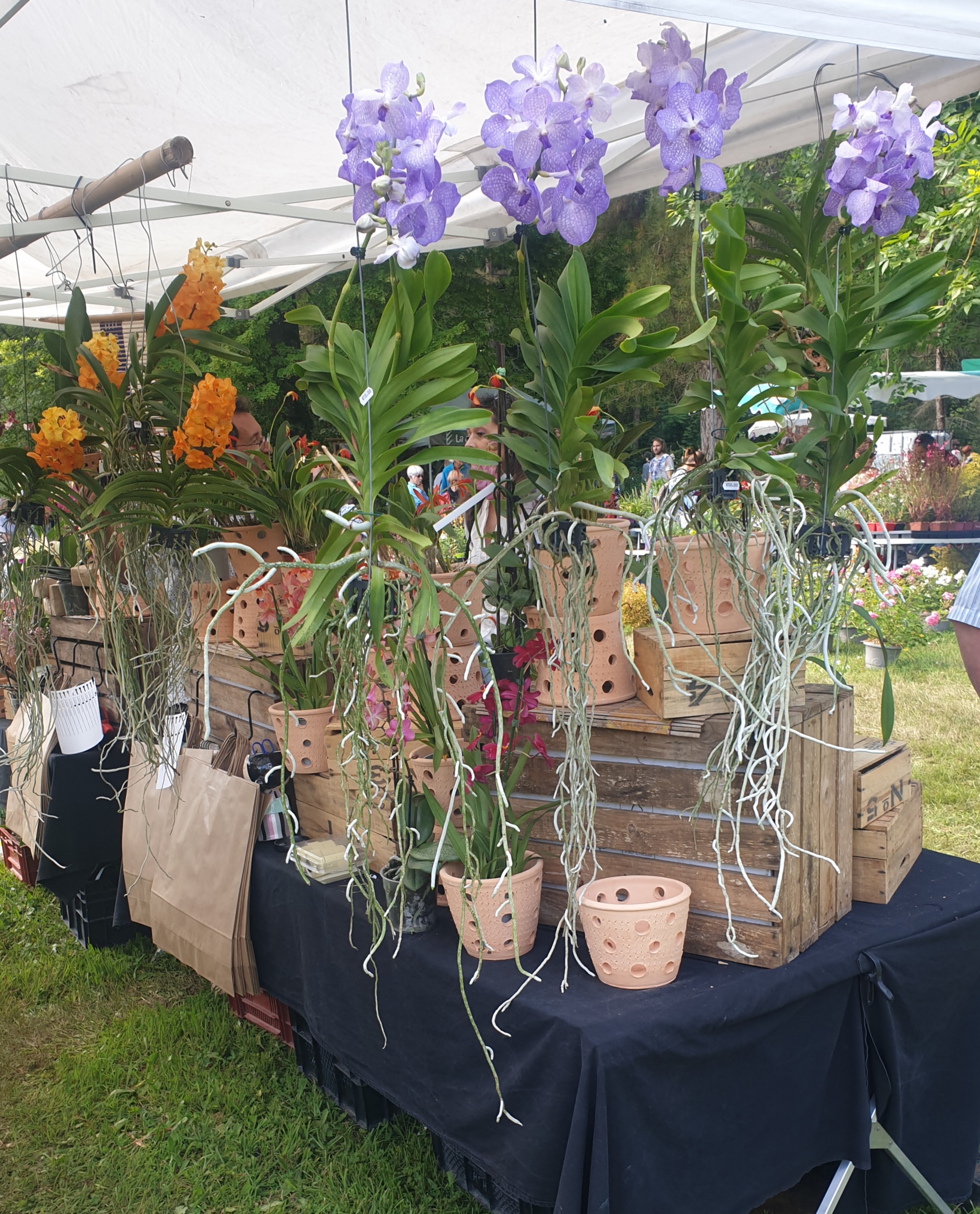
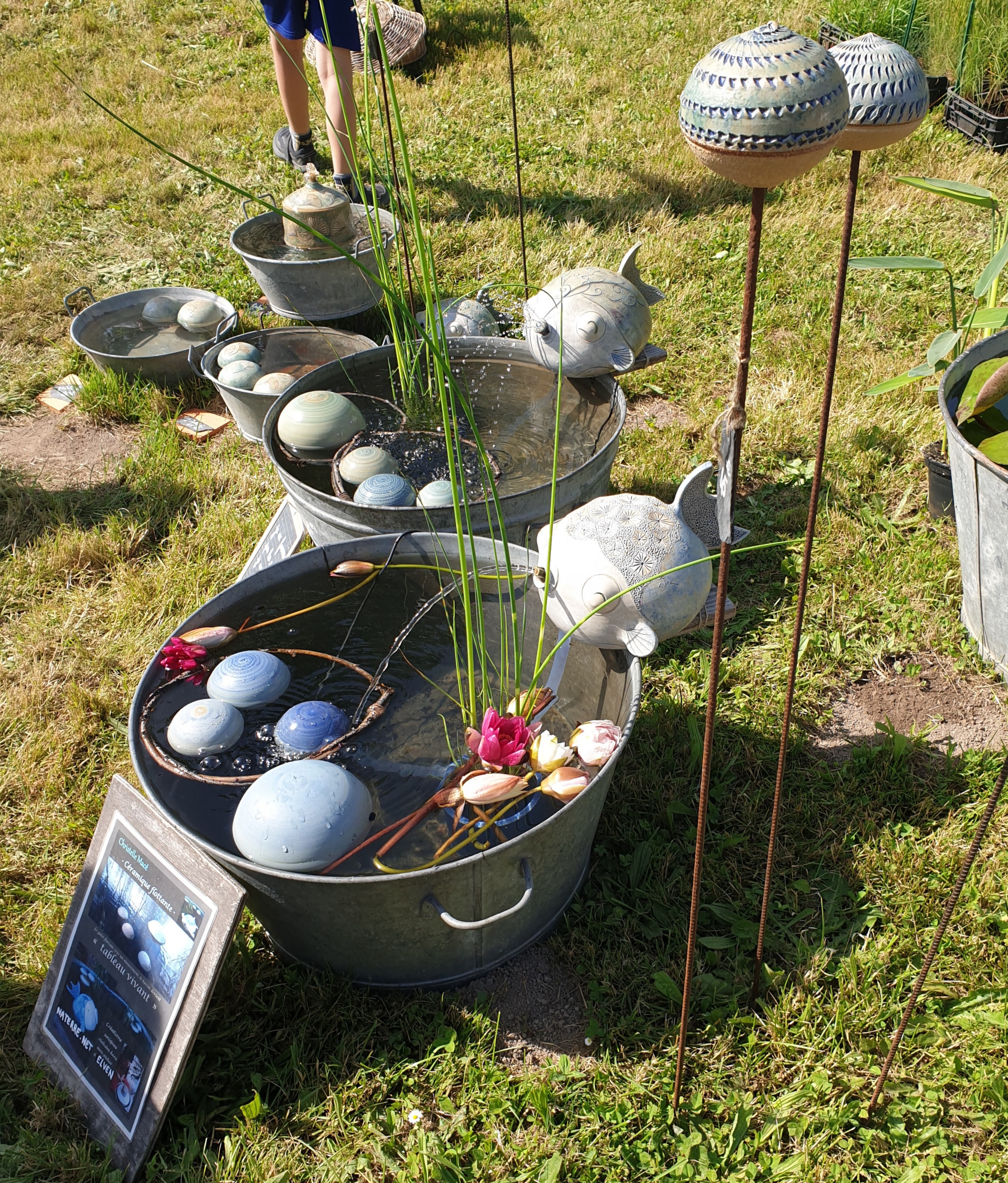
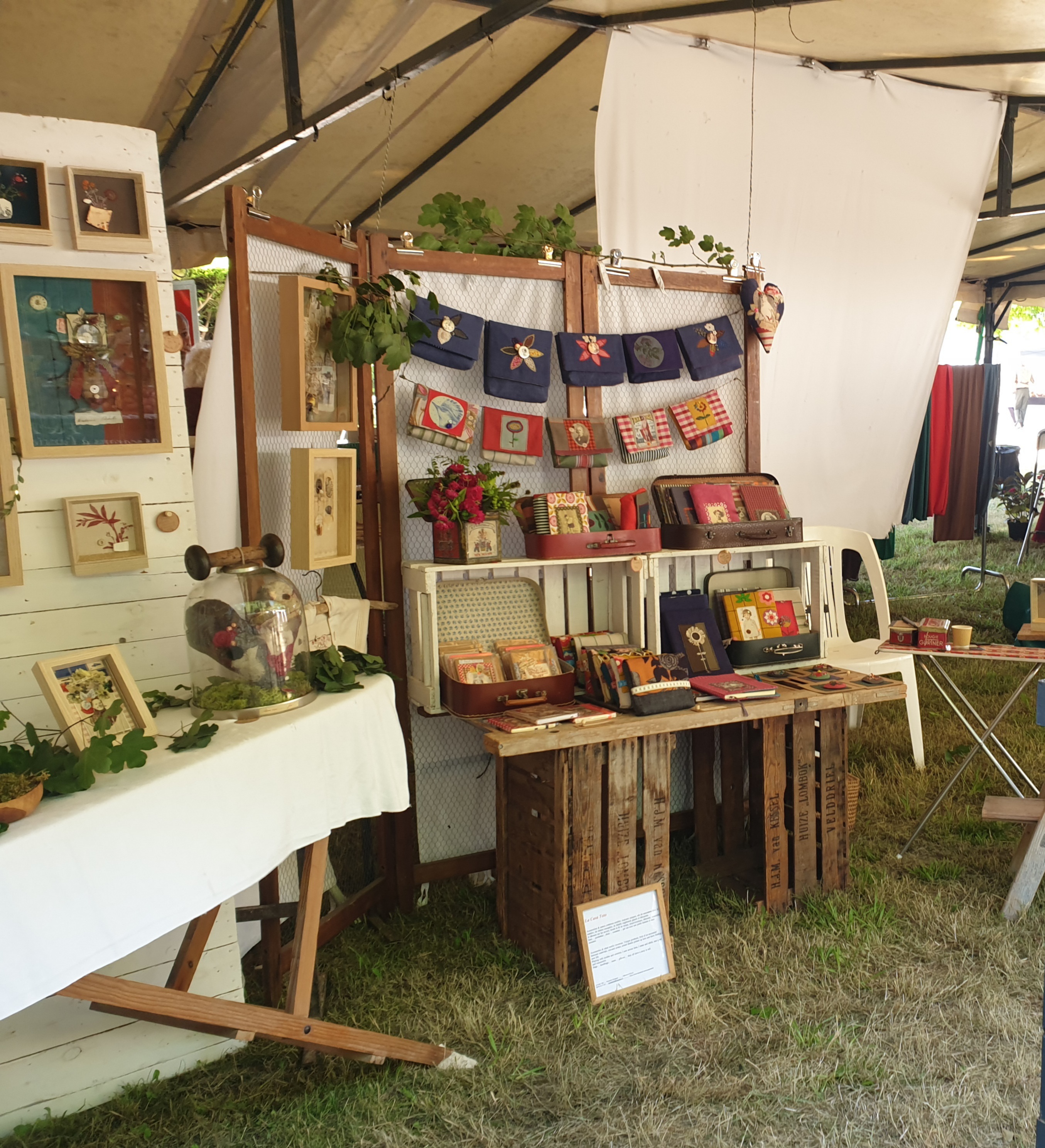
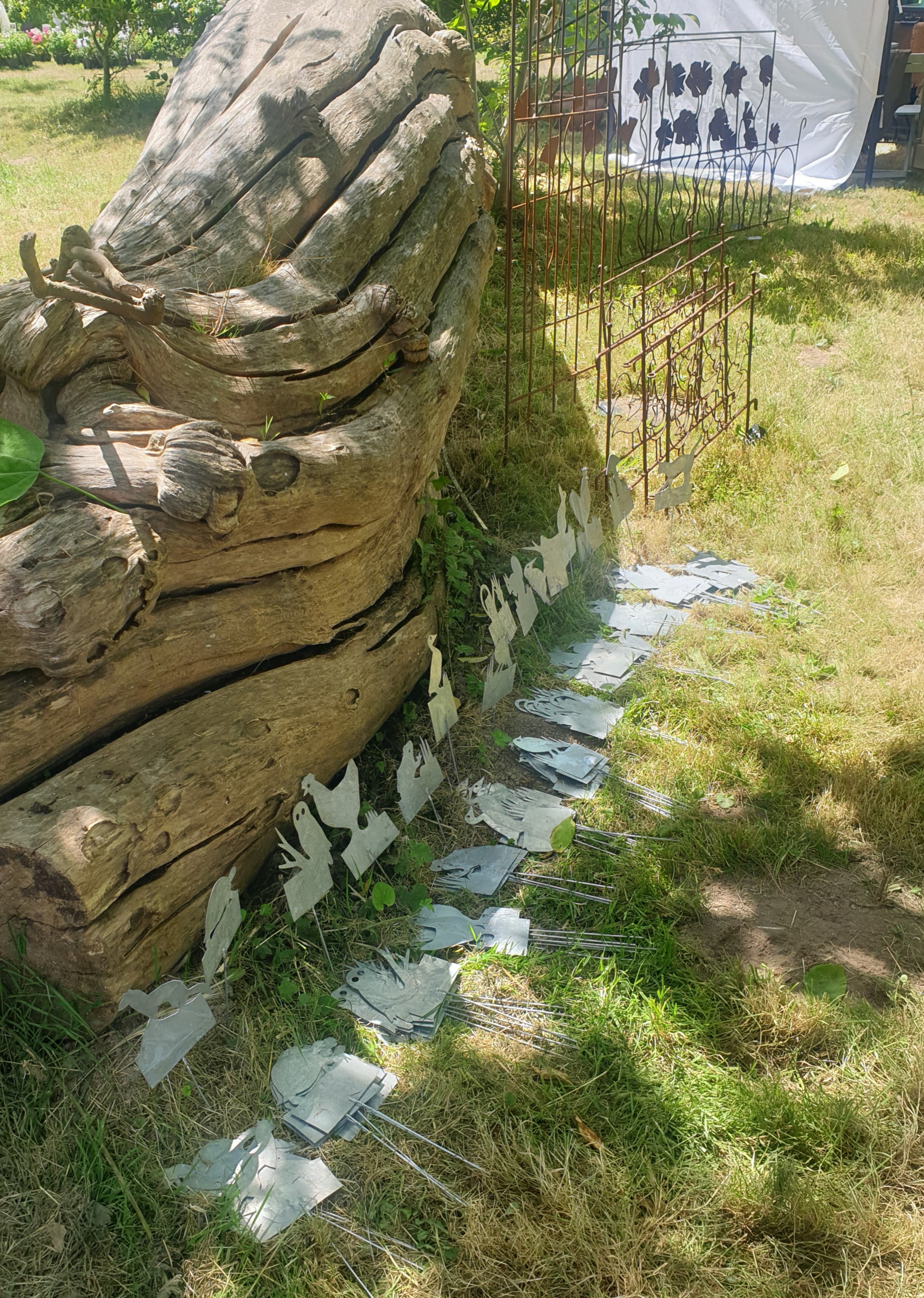
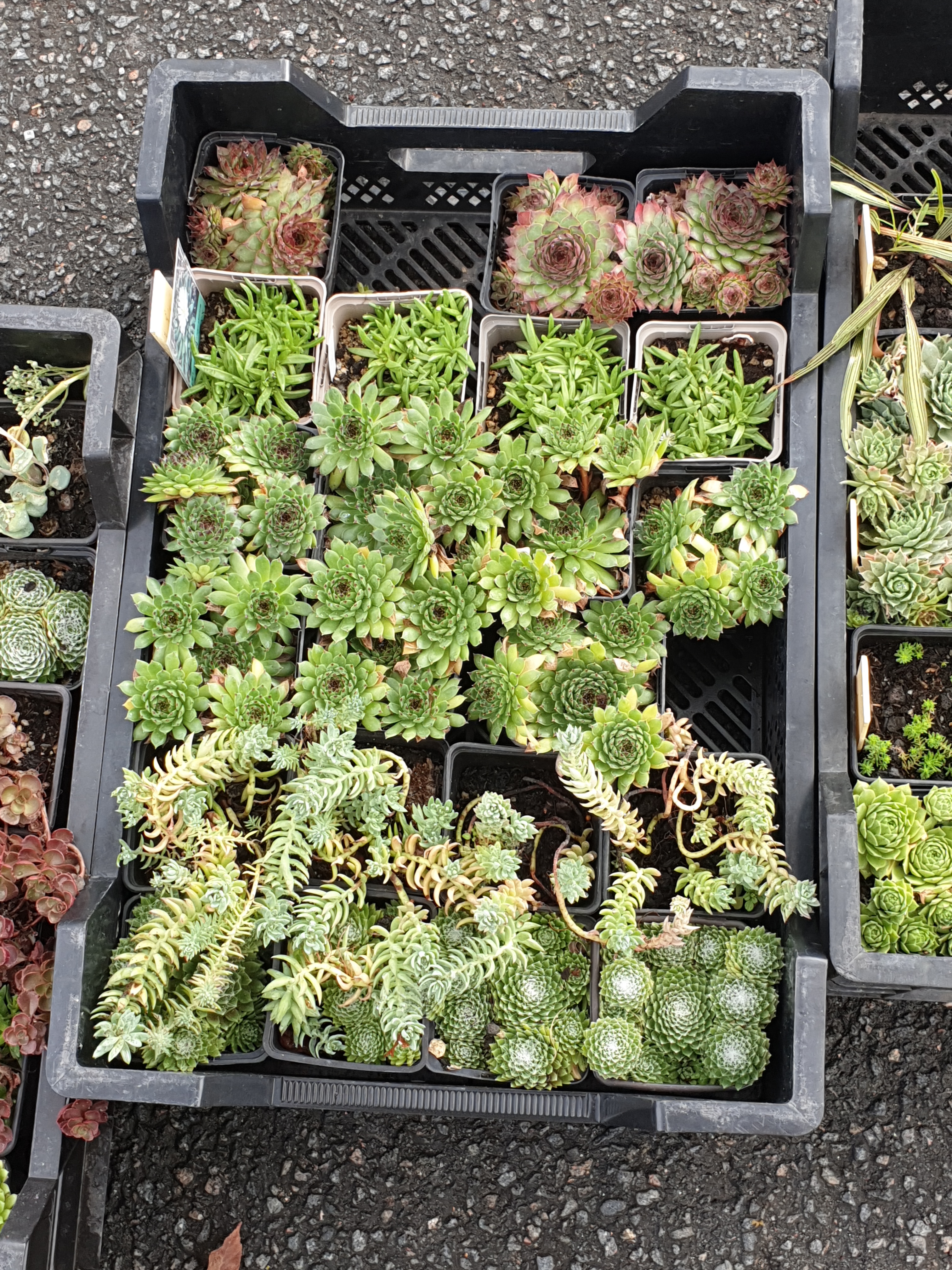
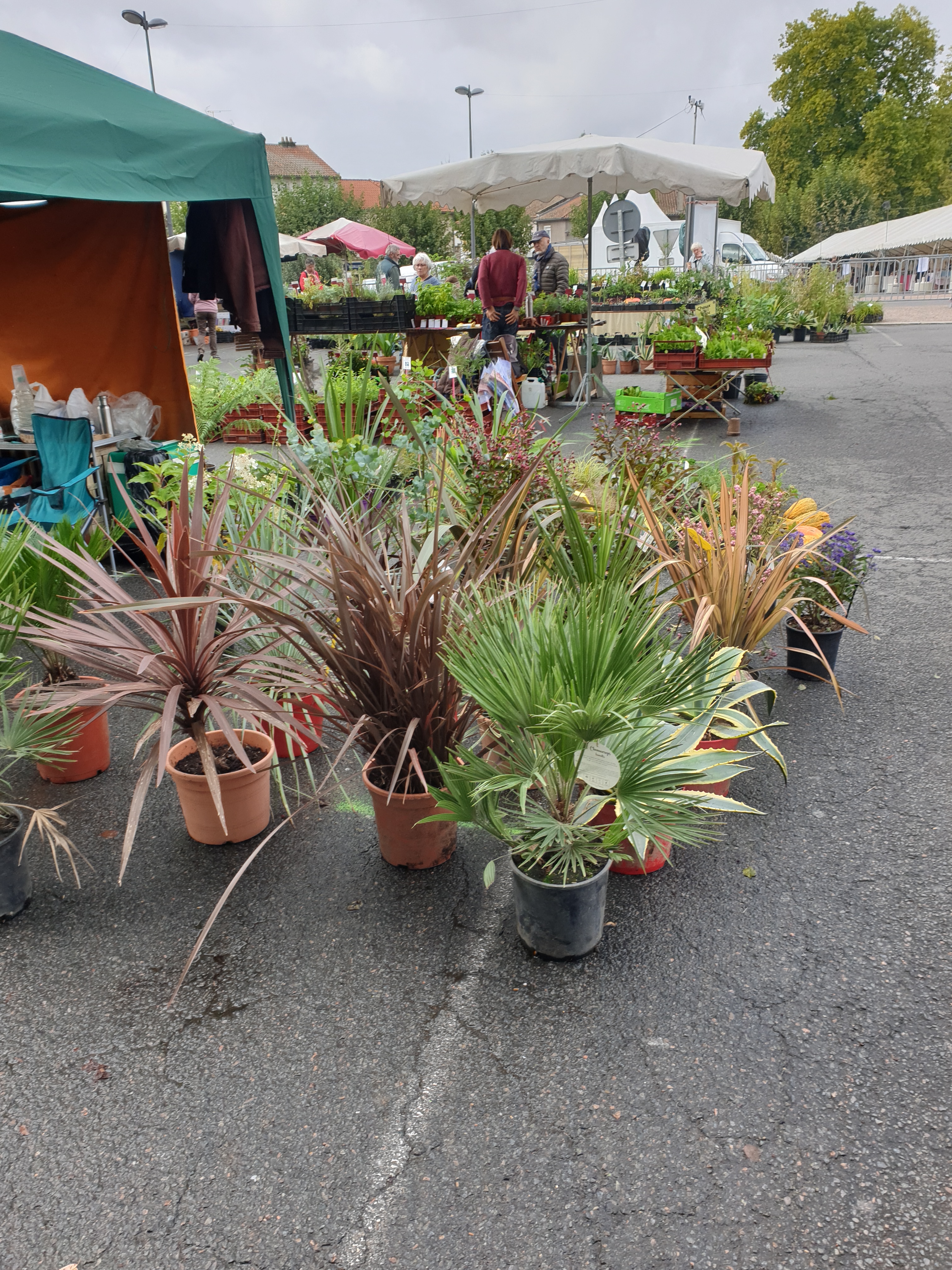
Last month I visited ‘La Fête des Plantes et du Jardin du Domaine de Péré at Prissé la Charrière, just 30 minutes drive from home. This charming estate holds this event in June and October with over 100 exhibitors from France, Belgium and England. Horticulturalists, botanists, garden designers plus a selection of arts and crafts (respecting our planet). Also a fab range of food carts catering for everyone’s taste.

The current château was built in the early 19th century, although the estate has been in ten successive generations of the Bastard de Crisney family since the 18th century. It has a 20 hectare wooded park and 100 hectares of farmland.

I start my visit inside the château where ceramics, jewellery, paintings, leather goods etc were very tempting.

Then stepping outside I felt a real festival vibe! Also felt I should have worn a floral maxi dress and huge floppy hat!

I strolled around the stalls in the stunning grounds several times and of course bought a wisteria to plant outside our house. So French. I wish I’d bought one of the plaited willow trees above but next visit!

The rose stalls were very busy, so not easy to capture in the photos just how beautiful the selection of roses were on sale.

I have lots more ideas for our garden now and it was one of the best sort of Sunday mornings in my book. Roll on October.

Château de La Roche Courbon

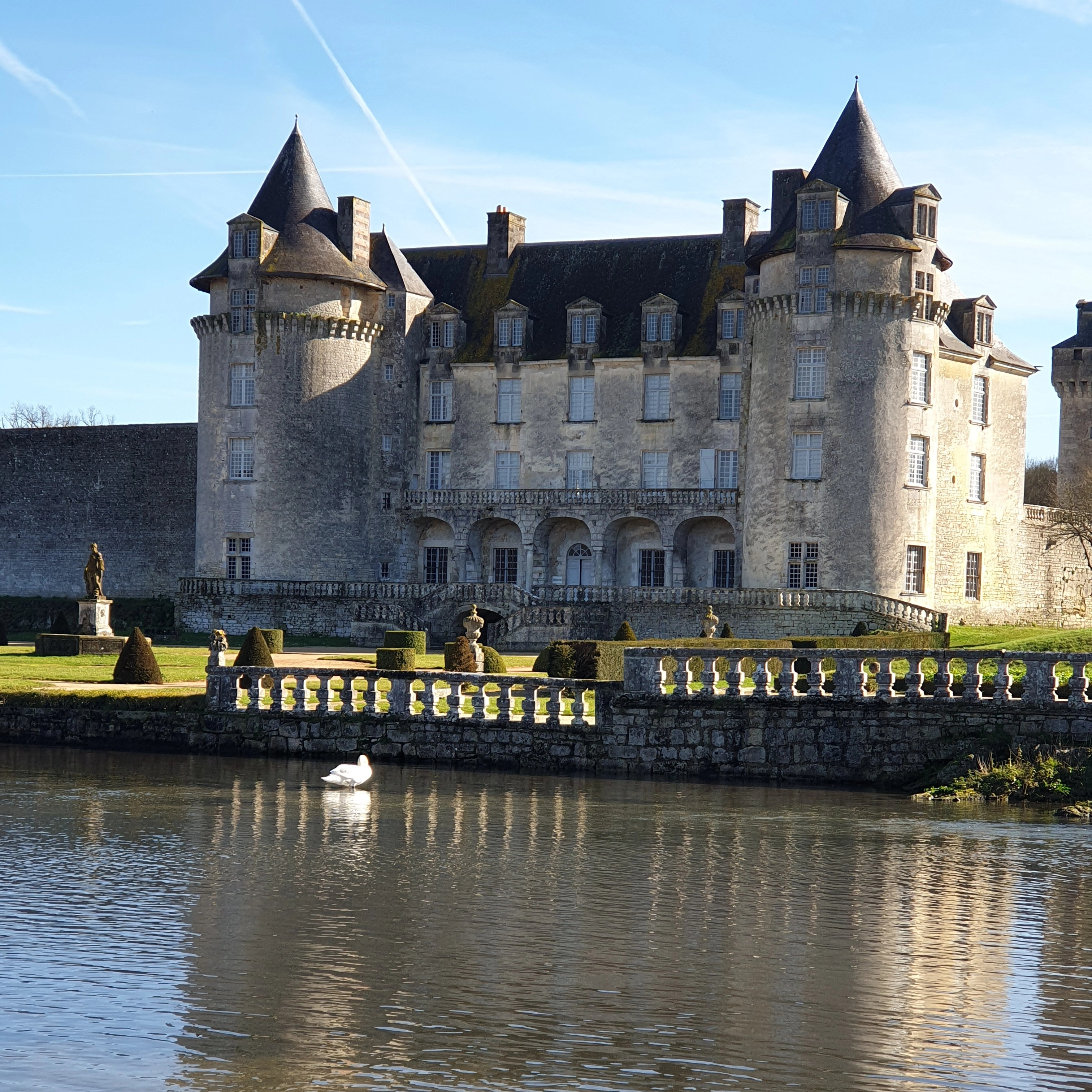
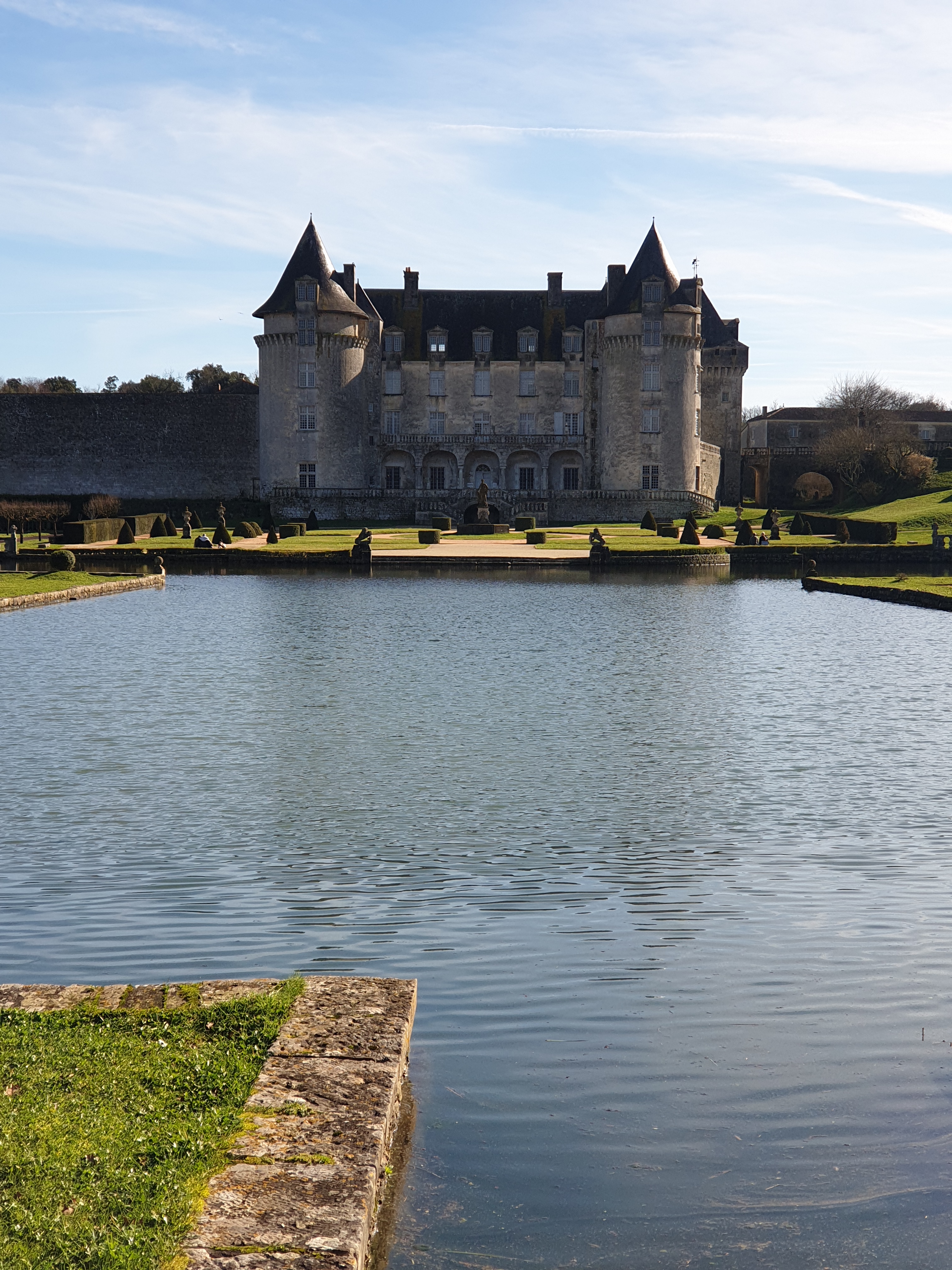
Last week the sun was shining and it felt like spring was in the air, so my ‘blog buddy’ Carolyn suggested visiting Château de La Roche Courbon, at Saint – Porchaire. Only an hour and twenty minutes drive away and as we pulled up in the carpark, the grandeur, charm and size of the château was a real ‘wow’!

The château dates back in the 15th century and was built by Jehan de Latour. After living there for more than two centuries, the Courbon family started to refurbish the château in the 17th century, making it a more elegant and comfortable residence which was eventually sold in 1817. The château was then mainly abandoned until Pierre Loti discovered and bought the château and then using his fame as a novelist, he launched a public appeal to save the château and forest by taking out a page in La Figaro in 1908. Paul Chénereau purchased in 1920 and set about fully restoring the château and its gardens to its former glory. It is still privately owned by the family.

The French gardens have the expected formality, topiary, fountains and statues and even on a February day, still looked stunning surrounding the ‘mirror pond’. Will need to revisit when the gardens are in full bloom!

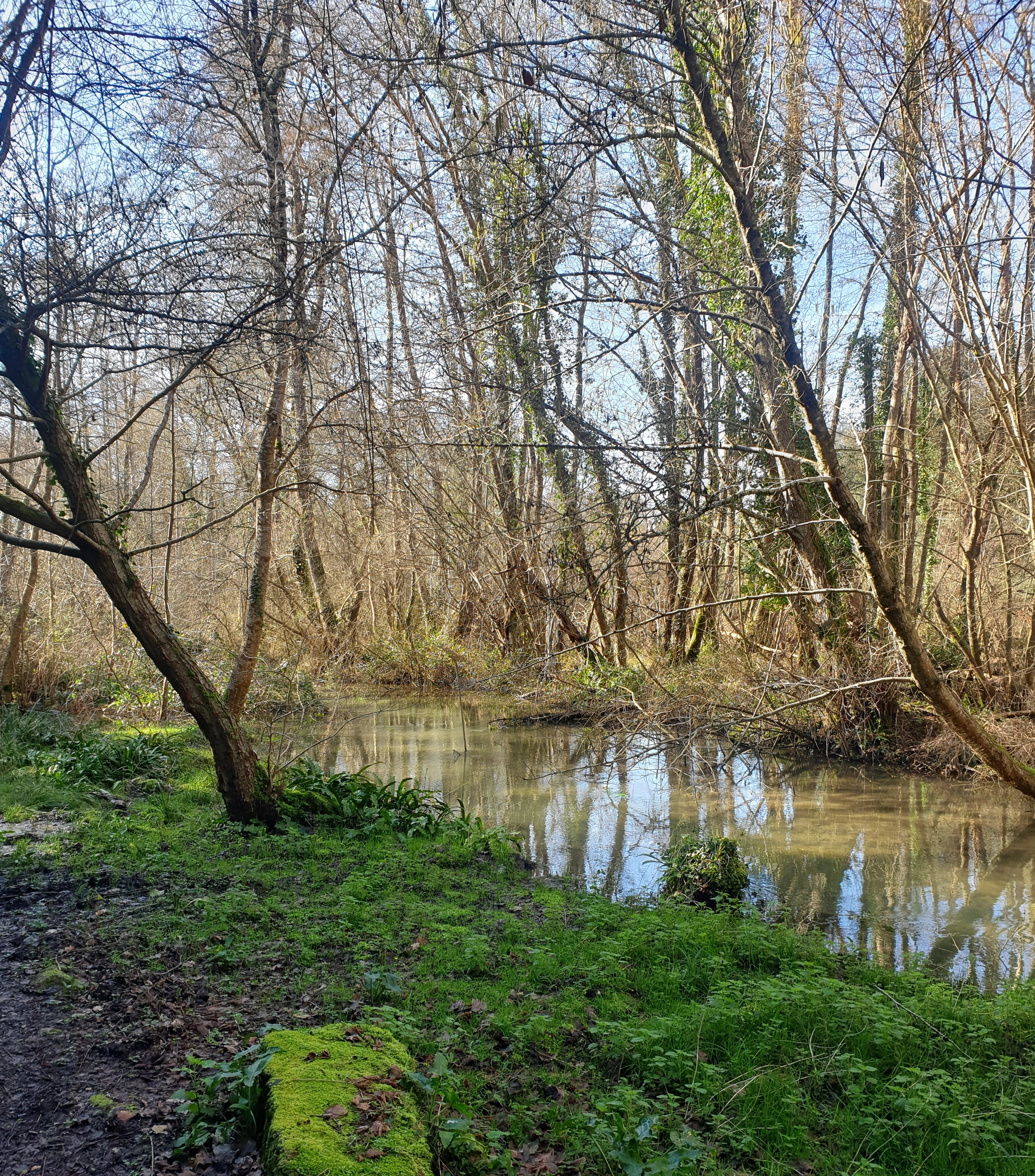
The river Bruant flows through the grounds and there are ornamental steps leading to higher ground and giving you the best view of the château.

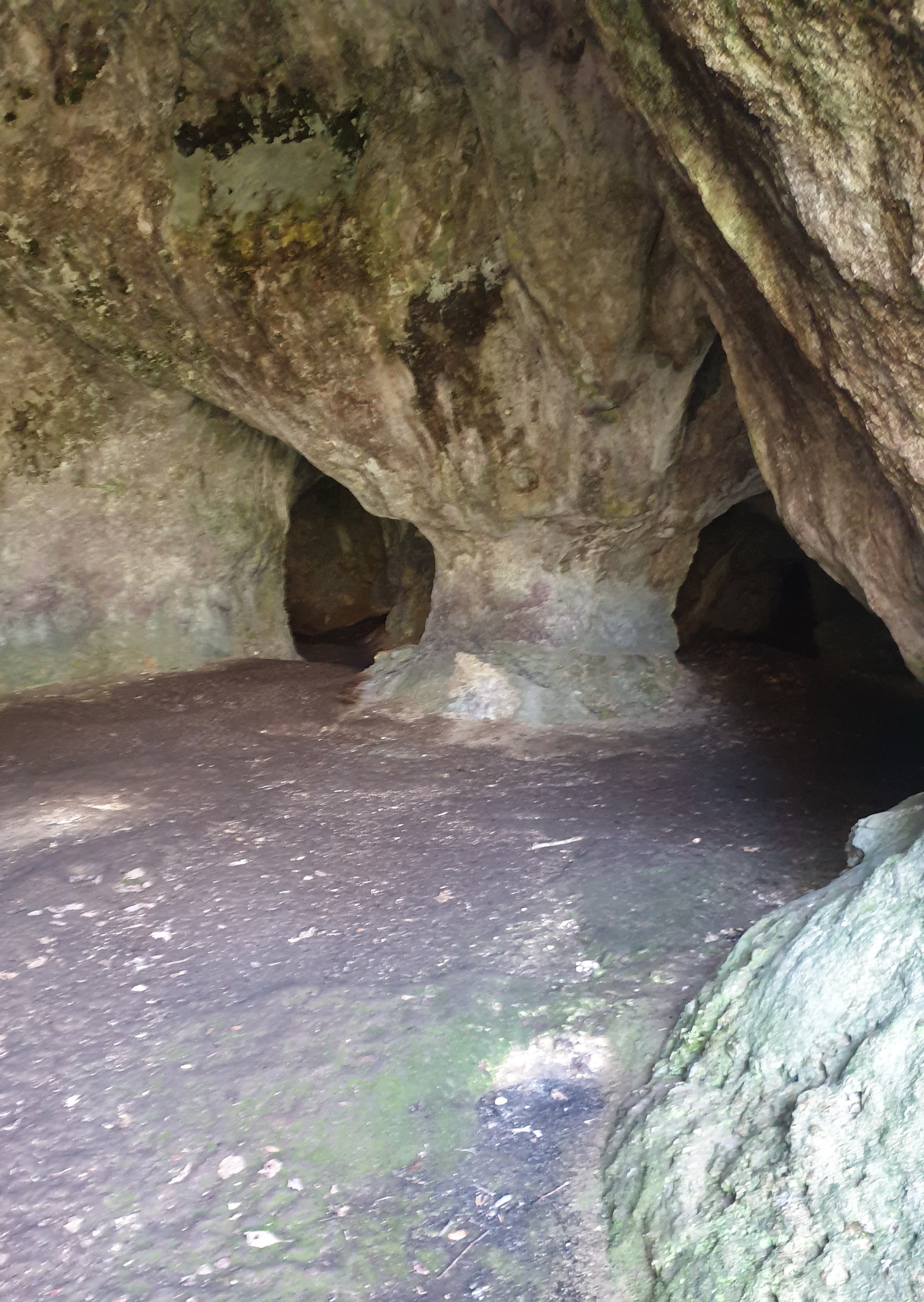
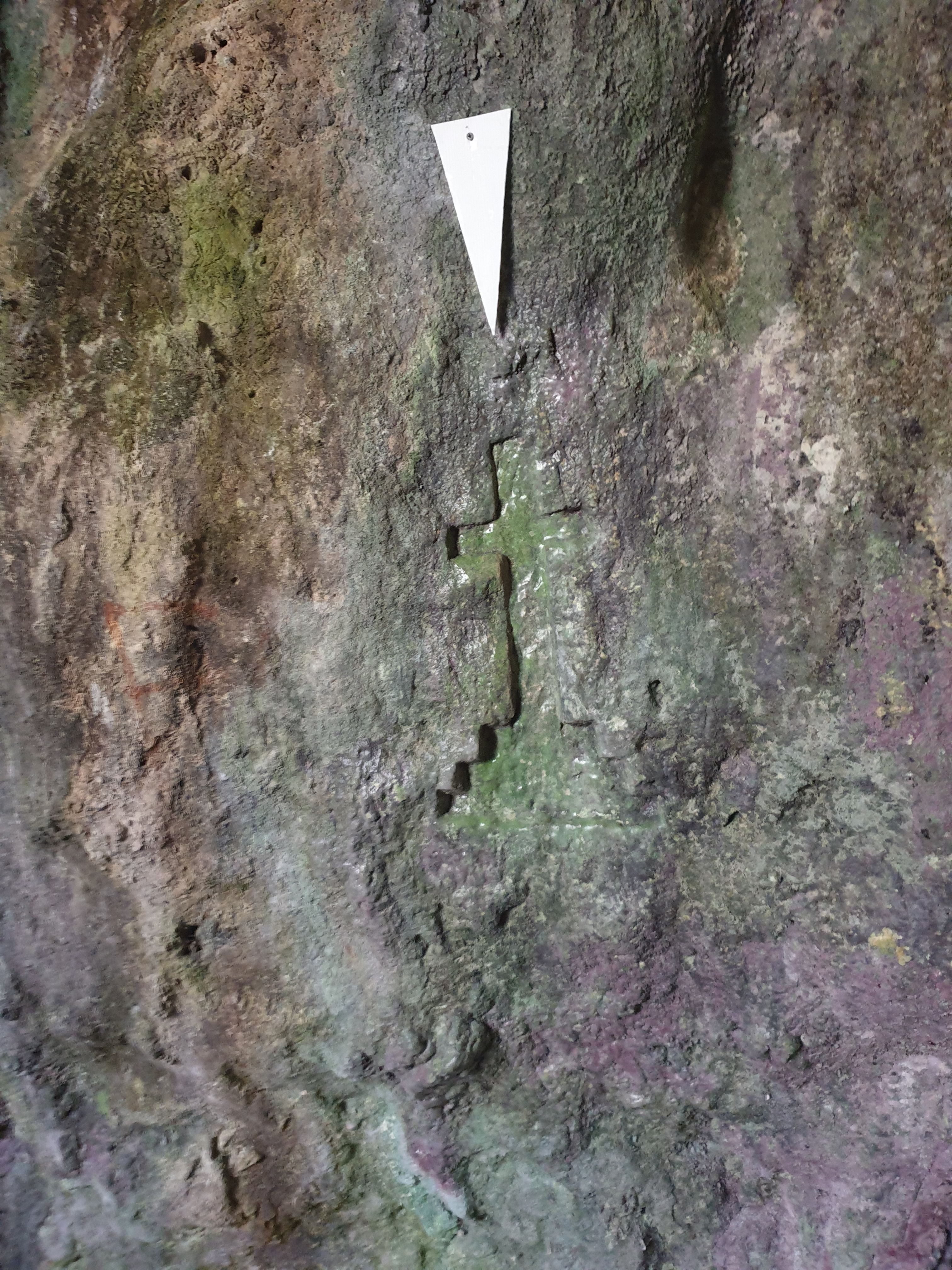
At this time of the year, only one of the walking routes was open and it took us through pretty woodlands to the sandstone cliffs and caves dating to prehistoric times. Neanderthal man lived in these caves approximately 50,000 years ago. The first prehistoric art works were probably made by Neanderthal. And here is the geology bit – the caves have been carved out by running rainwater through the limestone layer and the backwash of the river’s flow which follows the whole length of the caves.

The maintenance of the château and the grounds is on going, of course. Sadly, during a terrible storm in December 1999, 60% of the forest was destroyed. The project of replanting rows of oaks, lindons and field maples alongside the natural regeneration of the forest continues to this day.

So, a beautiful morning with the added plus of notching up 8000 plus steps! Oh! and in case you are wondering, there are about 45,000 châteaux in France.

Monsieur La Quintinie celebrations

Every year, on the first weekend of October, the town of Chabanais celebrates La Quintinie.

Why? Well, here’s the history bit in brief!

Jean-Baptisite de La Quintinie was born in 1626 here in Chabanais, Charente. Initially, he went to Paris as a lawyer at the Parliament, as he was known for his exceptional writing skills. The president of the general accounting office requested that La Quintinie teach his son whilst on a trip to Italy. During the trip La Quintinie was impressed with the Italian gardens and became fascinated with horticulture. On their return from Italy, La Quintinie decided to give up his legal career and started studying and practicing in the gardens at an hotel. He visited England twice and King James II offered him a job managing his gardens, but La Quintinie declined preferring to be in France.

La Quintinie’s excellent reputation as a soil expert and gardener saw him work for many dignitaries. Then in 1661, Louis XIV gave him a job in the vegetable garden at Versailles. In 1670 the King created the role of ‘director of the royal fruit and vegetable gardens’ for La Quintinie who went on to design the ‘potager du roi’, the King’s vegetable garden between 1678 and 1683. This was a nine-hectare area. The objective being to provide fresh produce for the royal court and also becoming a horticultural experimental garden to cultivate out of season fruits and vegetables. When La Quintinie died in 1688 at Versailles, Louis XIV said to his wife ‘madame, we have suffered a great loss that we can never repair’.

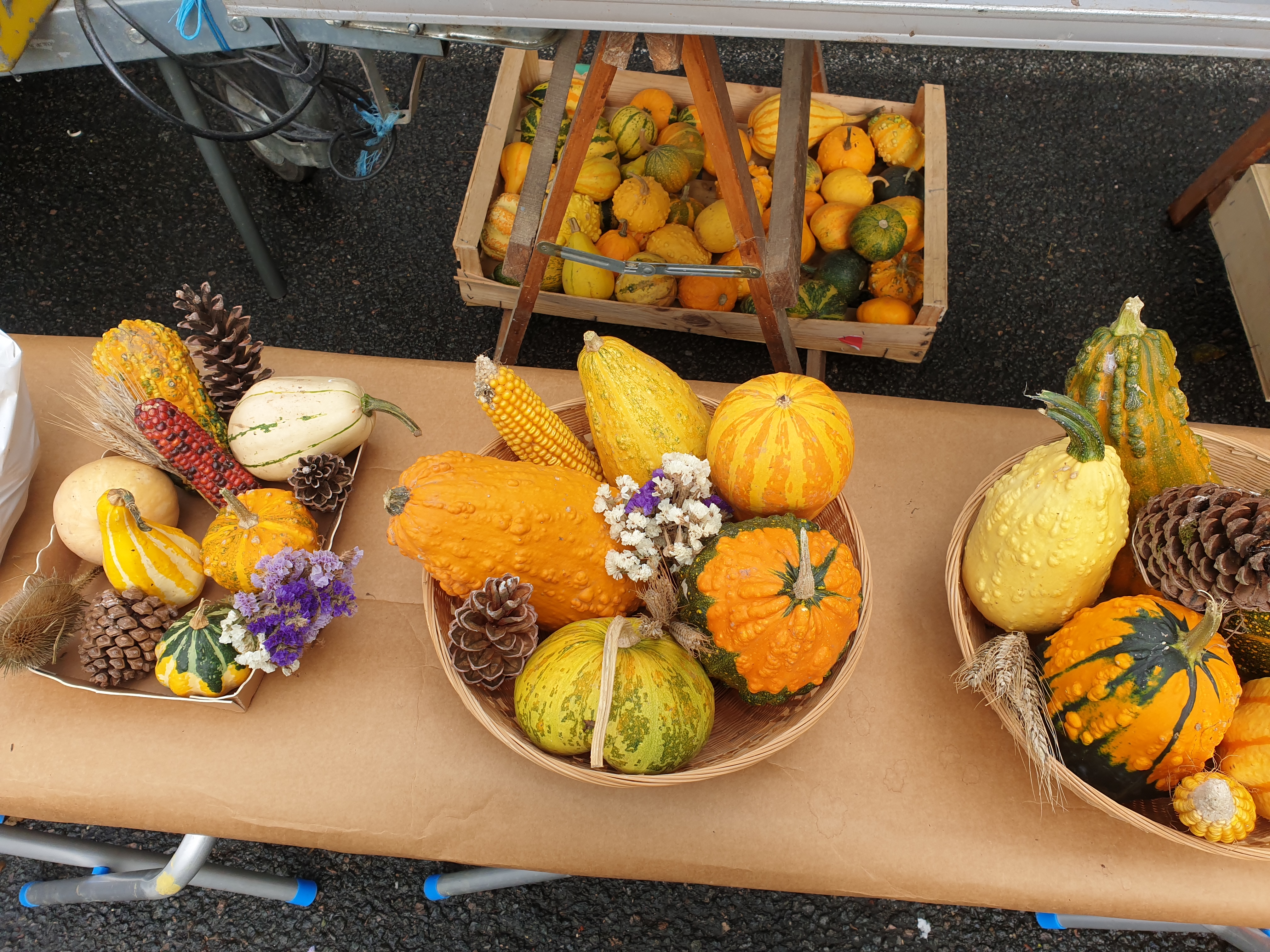
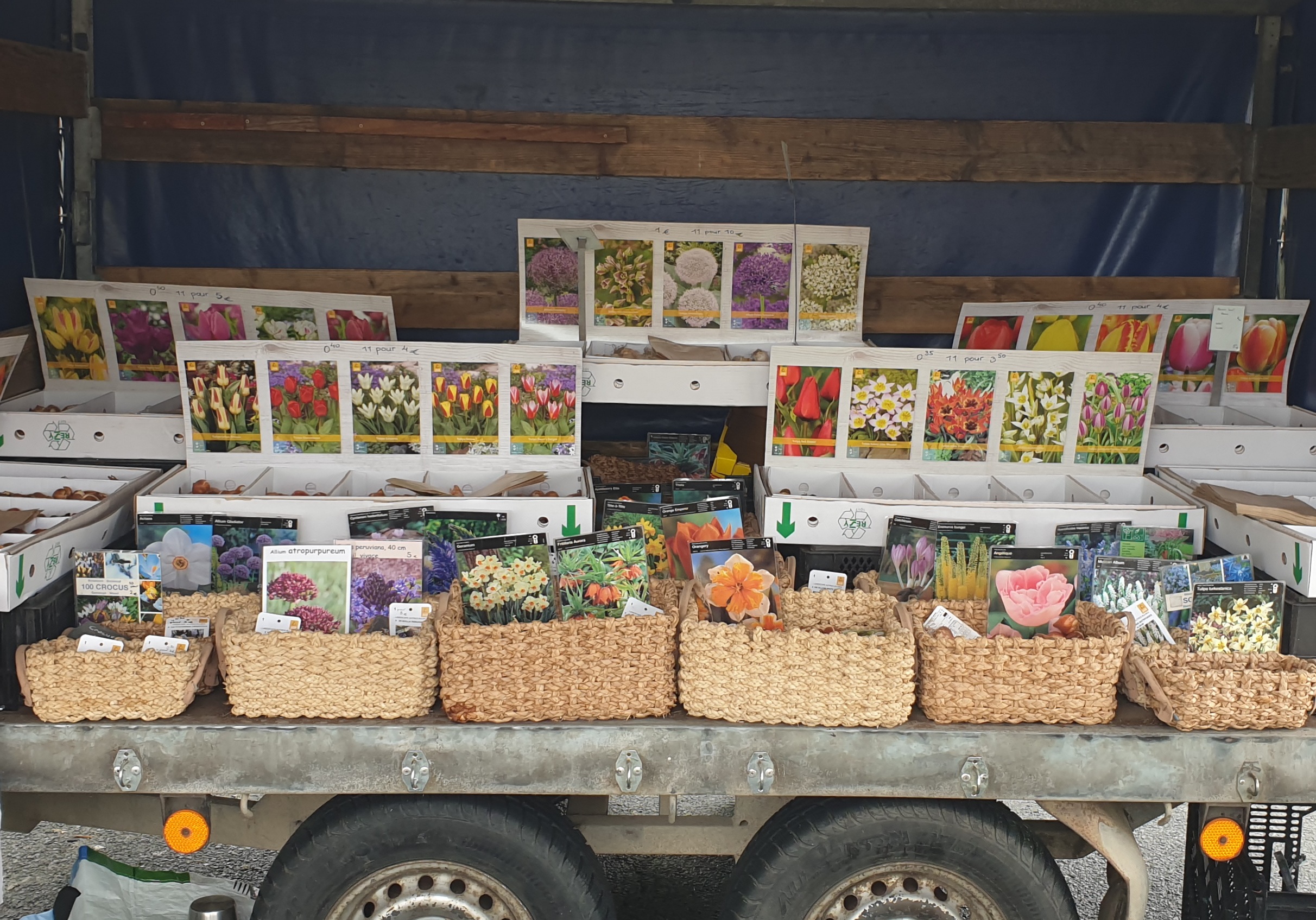
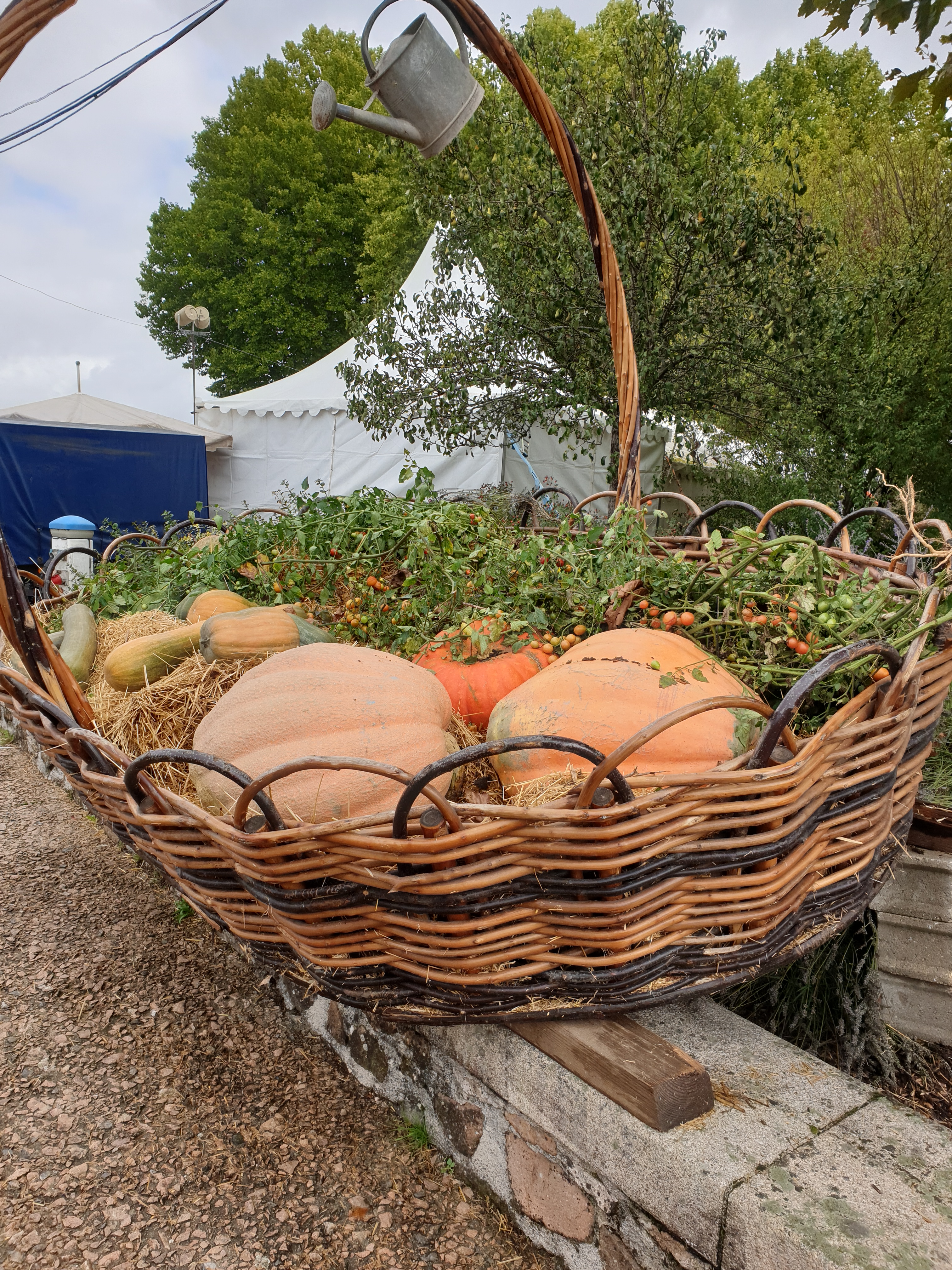
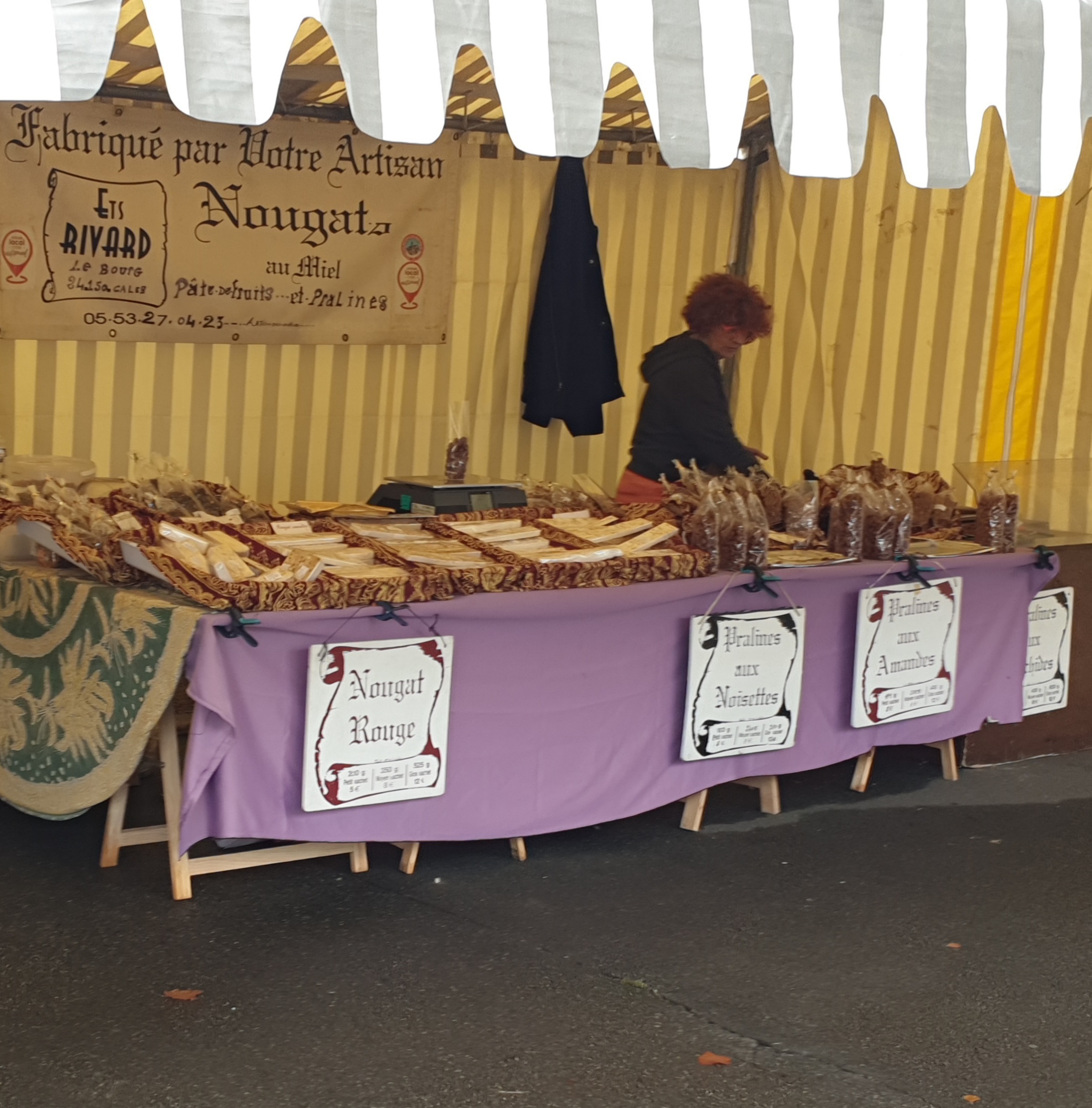
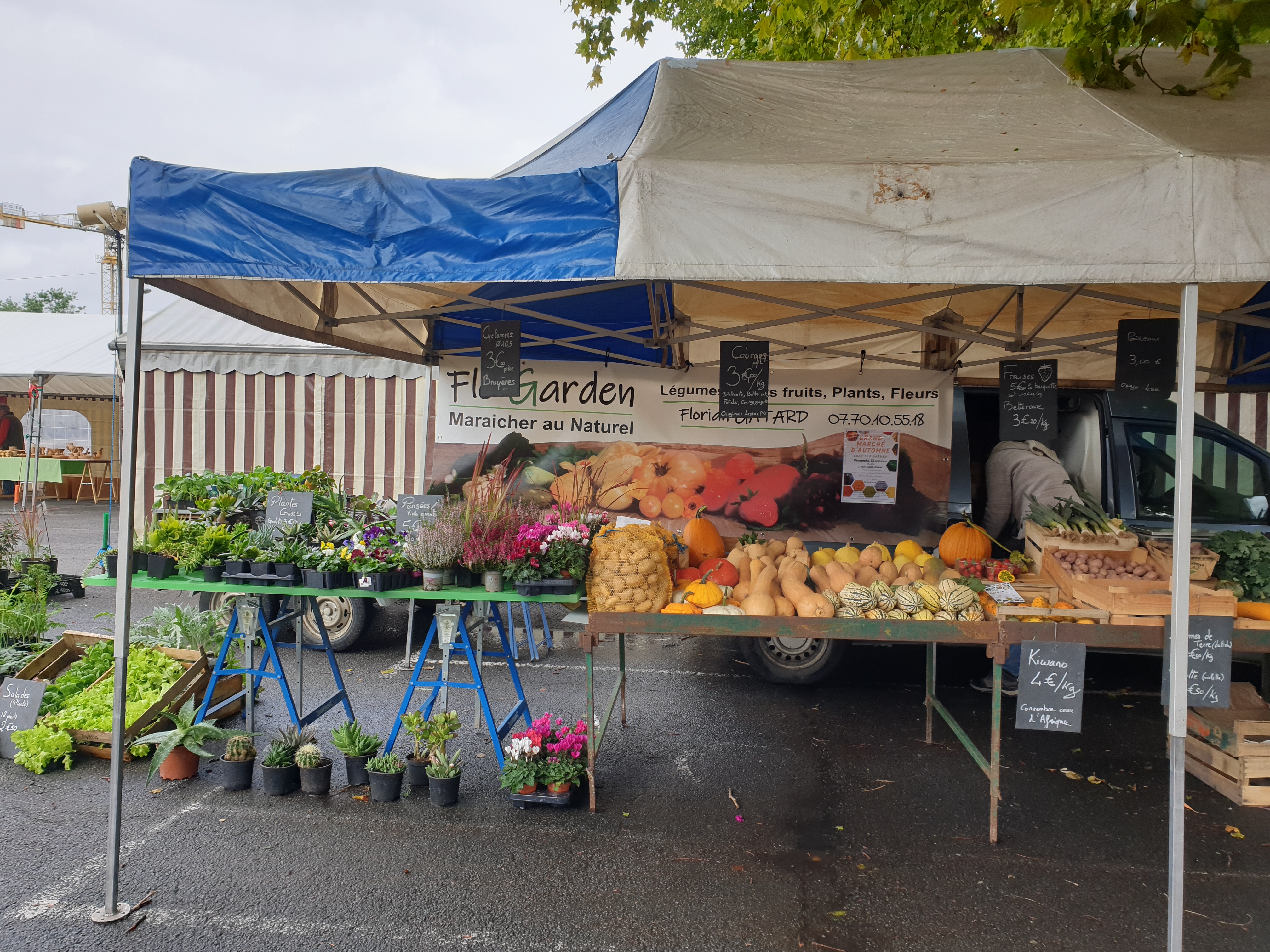
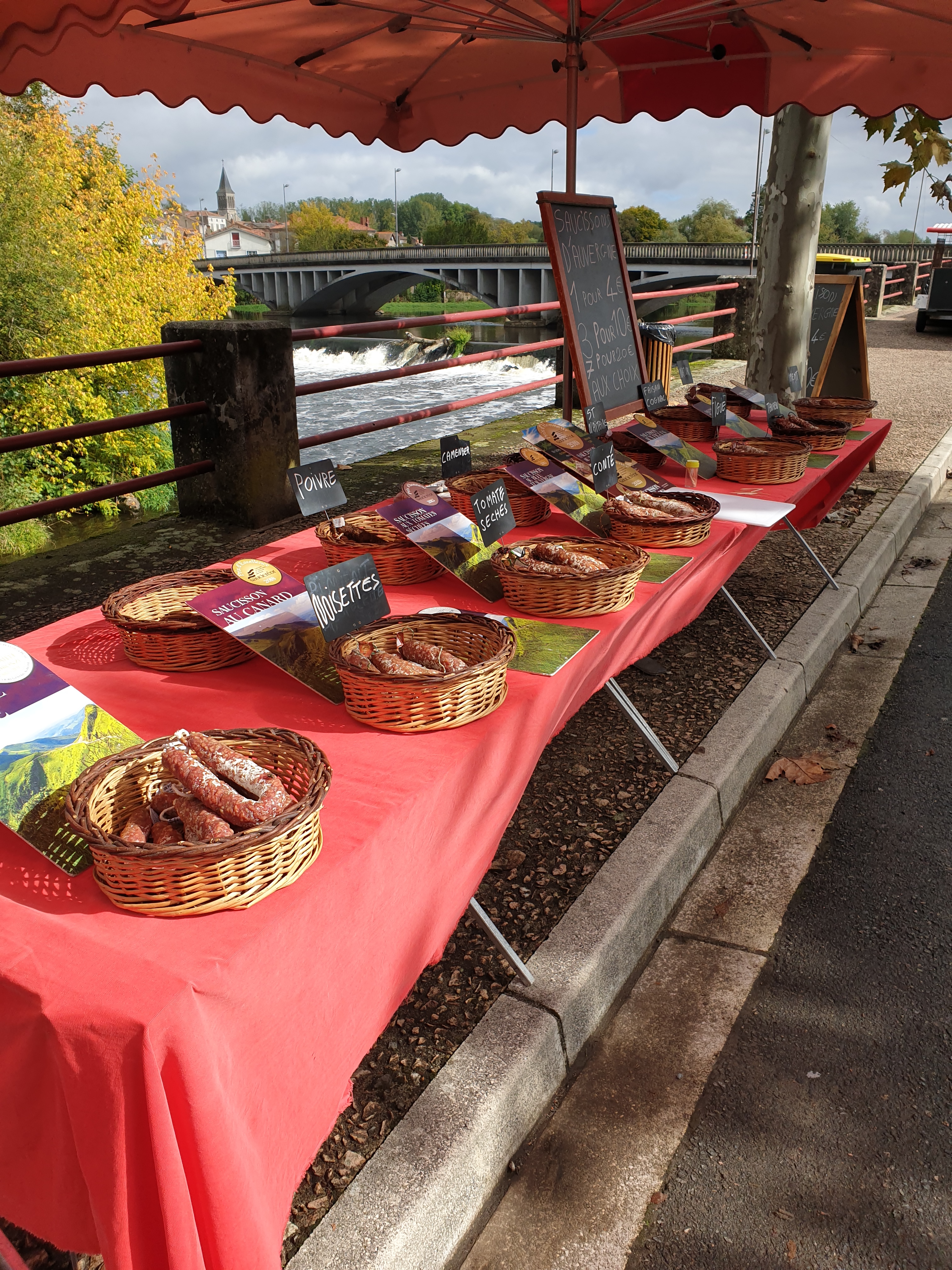
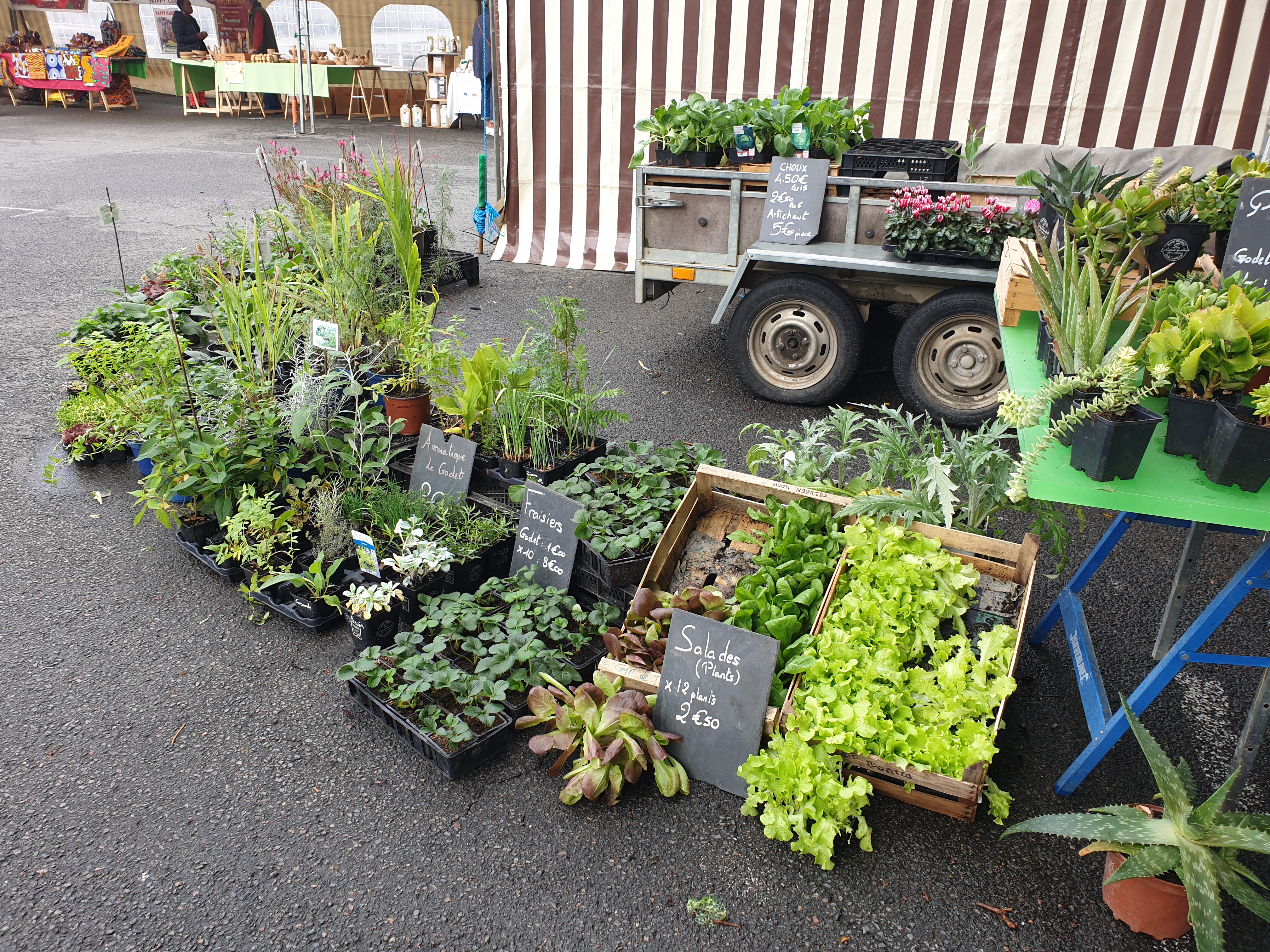
So here in Chabanais they are very proud of this history. Many exhibitors participate selling their local produce of fruits, vegetables plants and flowers over the weekend, plus their arts and crafts, wine, cheese, honey, nougat, fresh bread and freshly prepared crepes. Indoors, there is a selection of handmade jewellery, soft toys and more.

The theme for the celebrations this year is ‘l’eau au jardin’ and unfortunately Saturday saw continual heavy rain all day, so quite apt! However, Sunday was better and the market nice and busy.

The event was organised in association with the Friends of Quintinie who also ran gardening workshops on the two days.

I just love the charm of these local events. I was so tempted to buy a plant or two, but we are still about seven weeks away to moving into our house in Loubillé.

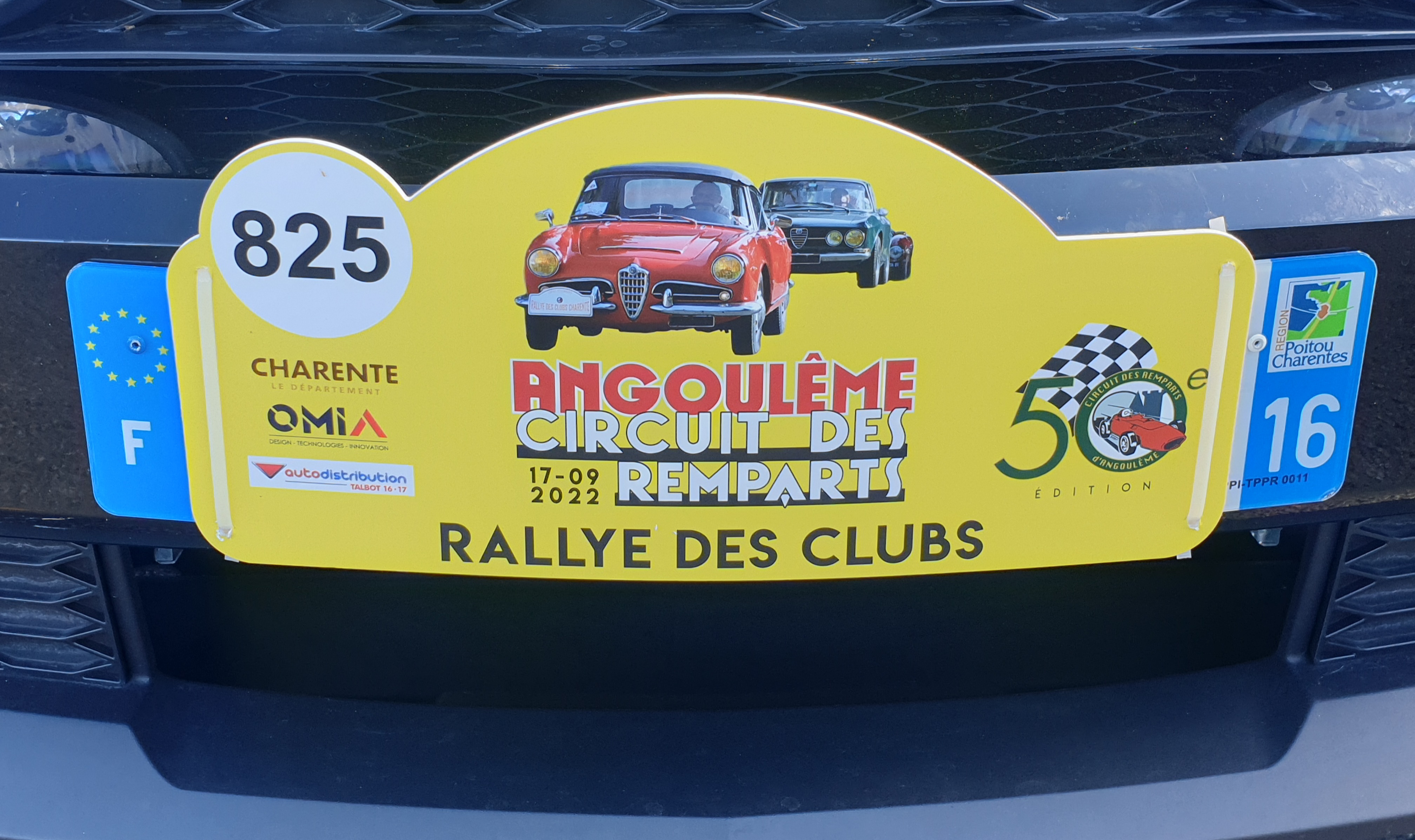
Angoulême Circuit des Remparts

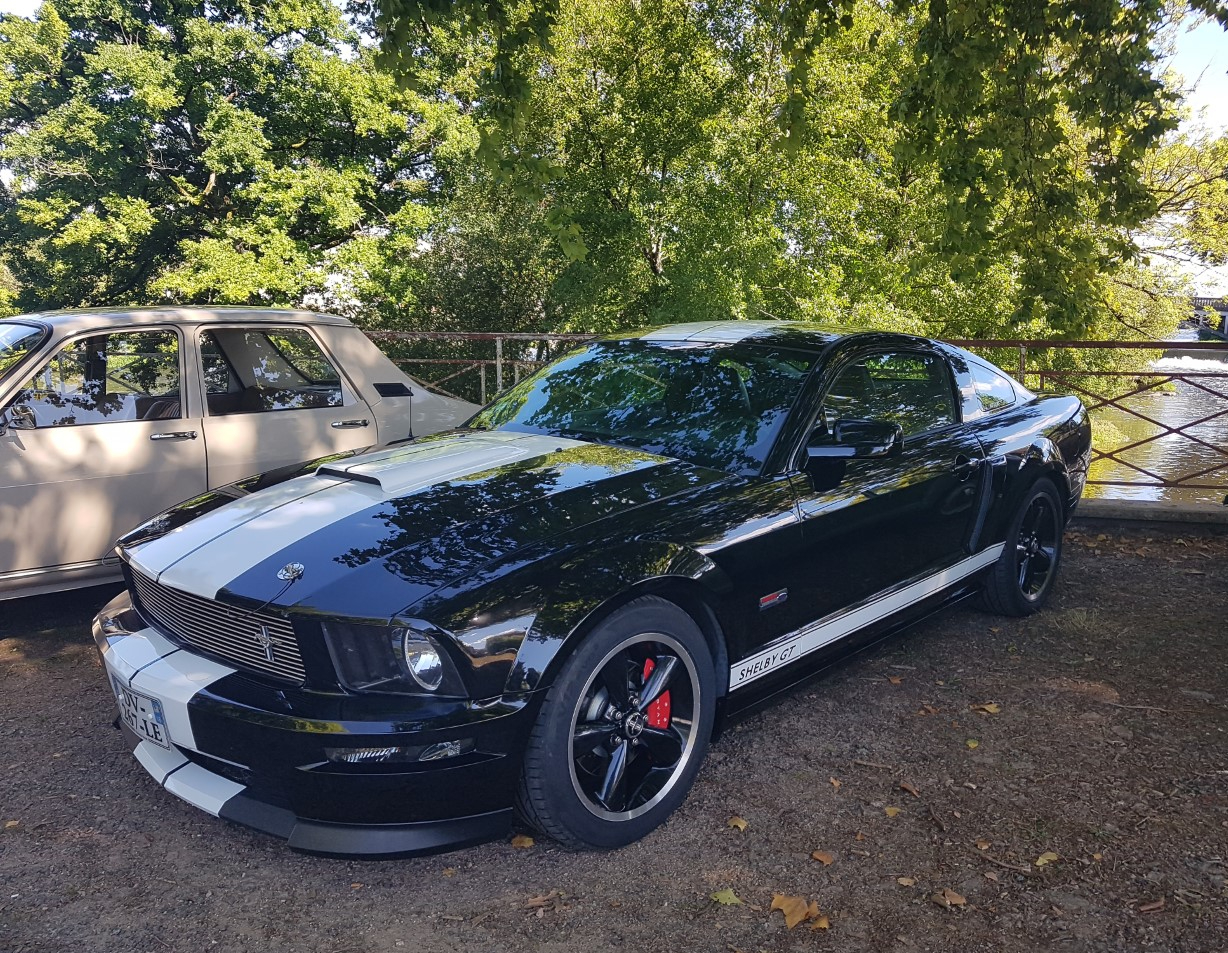
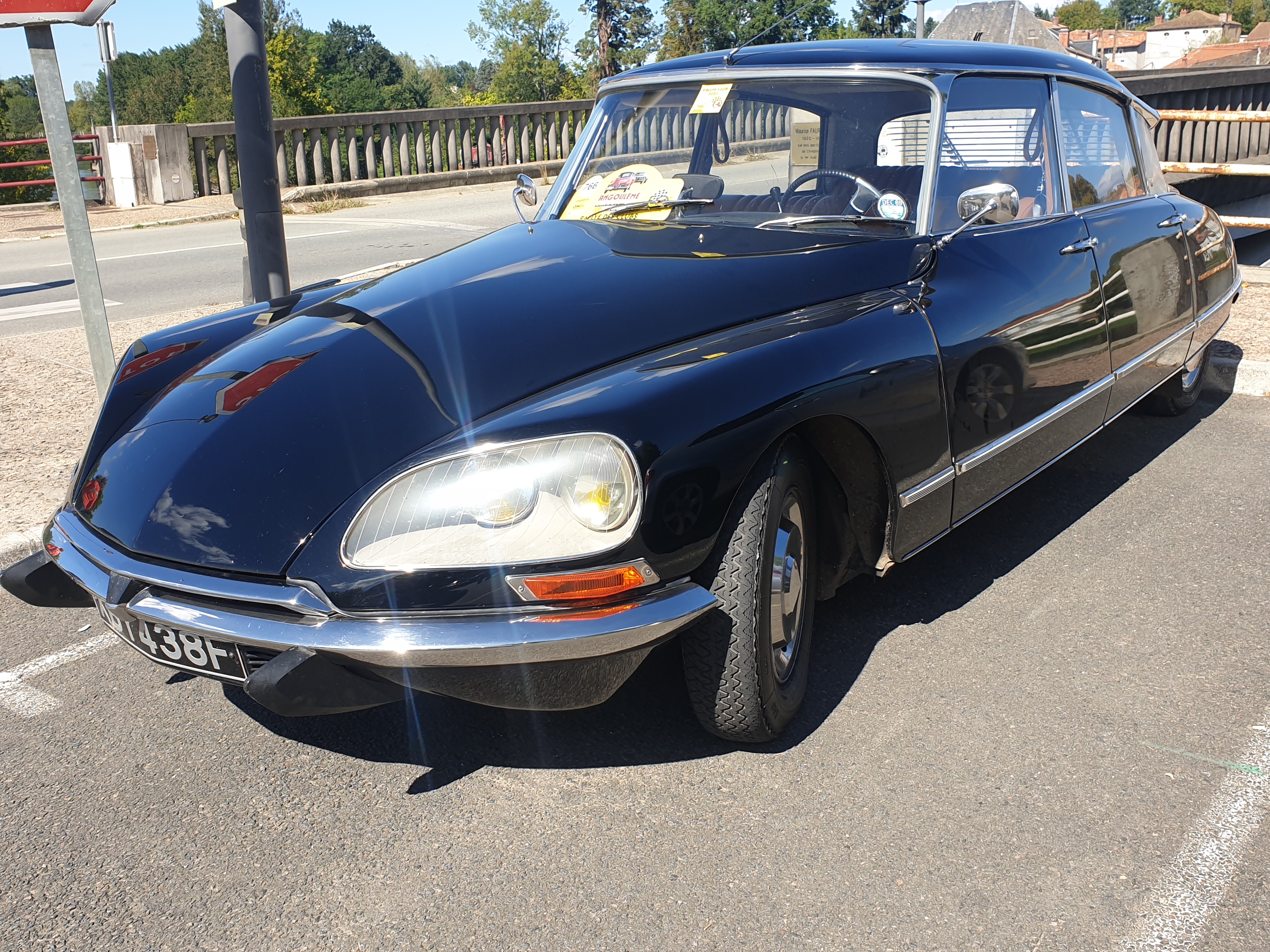
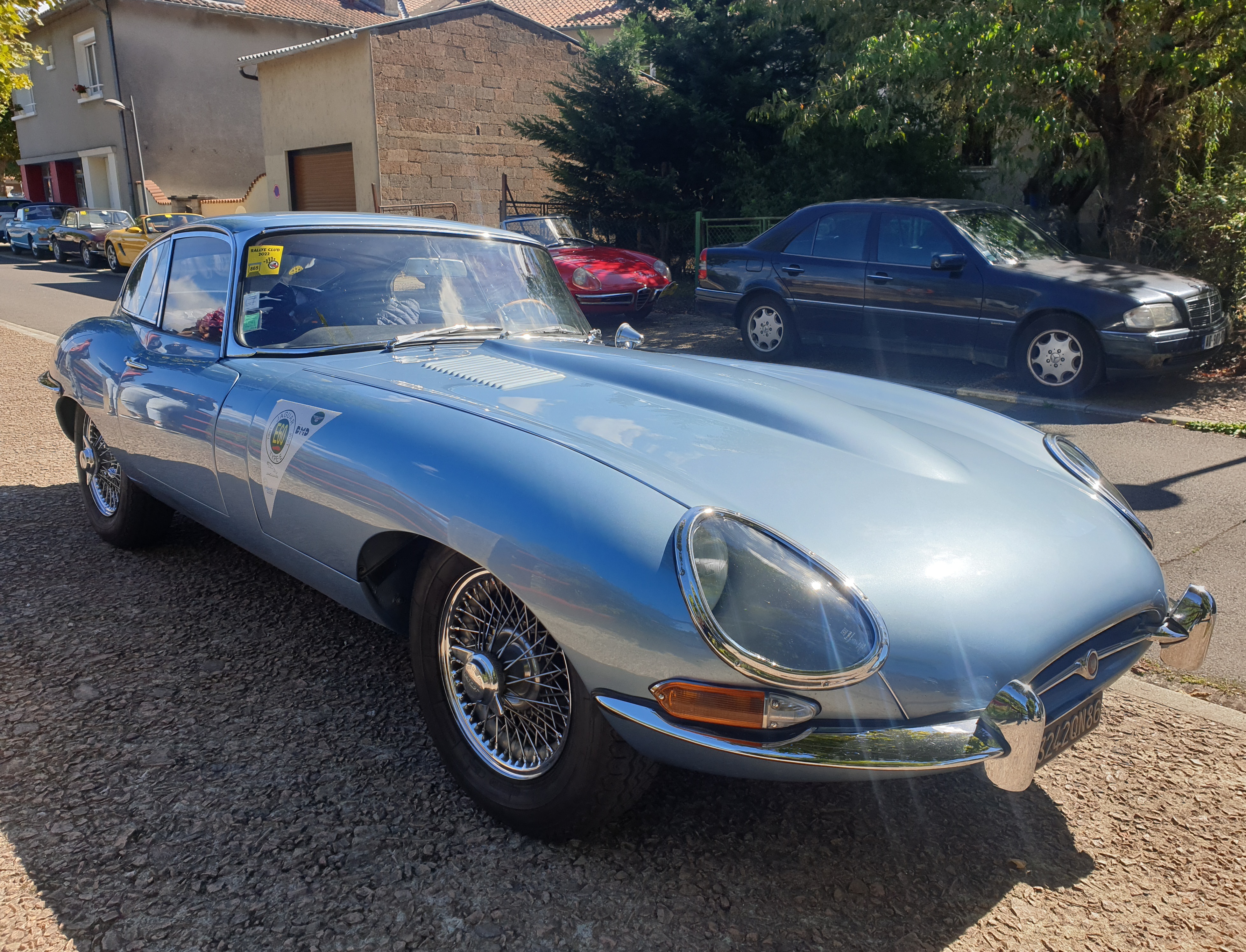
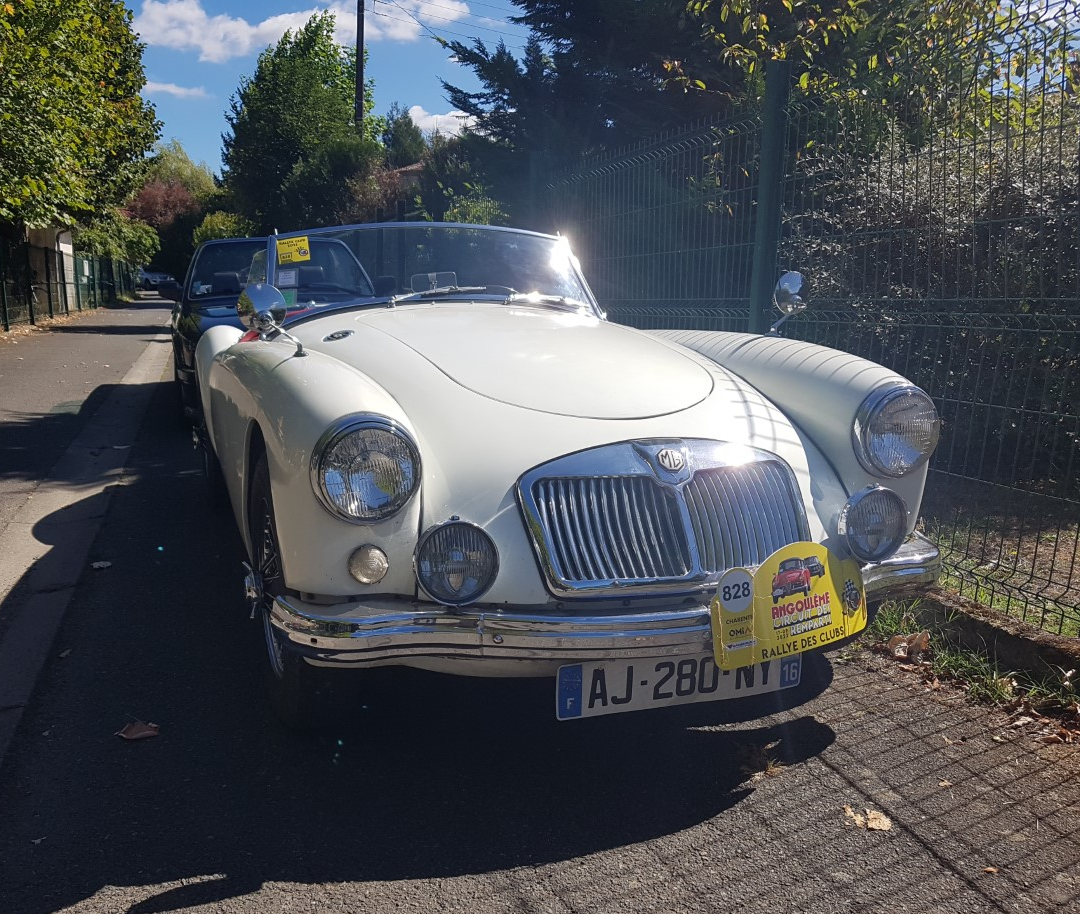
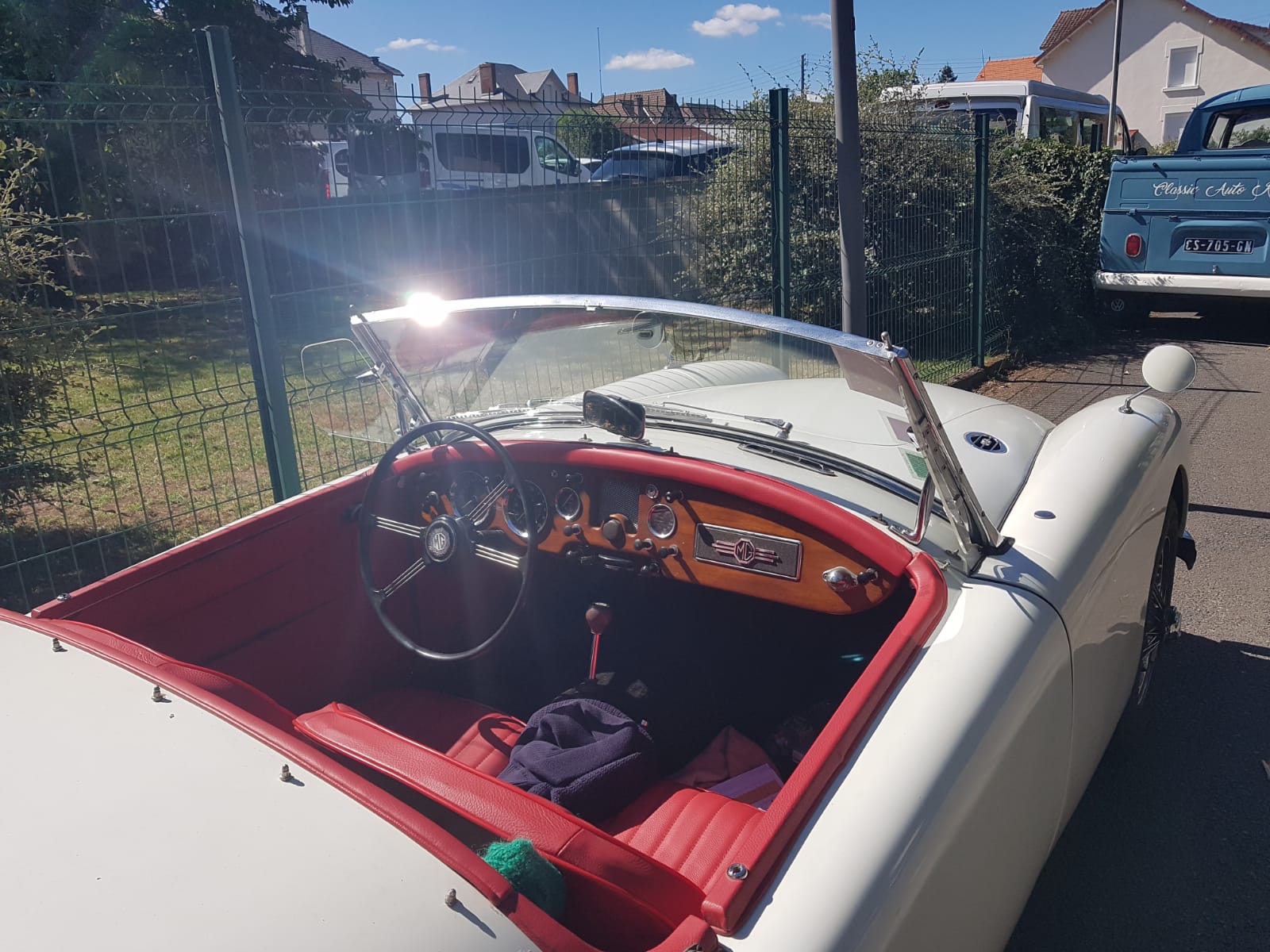
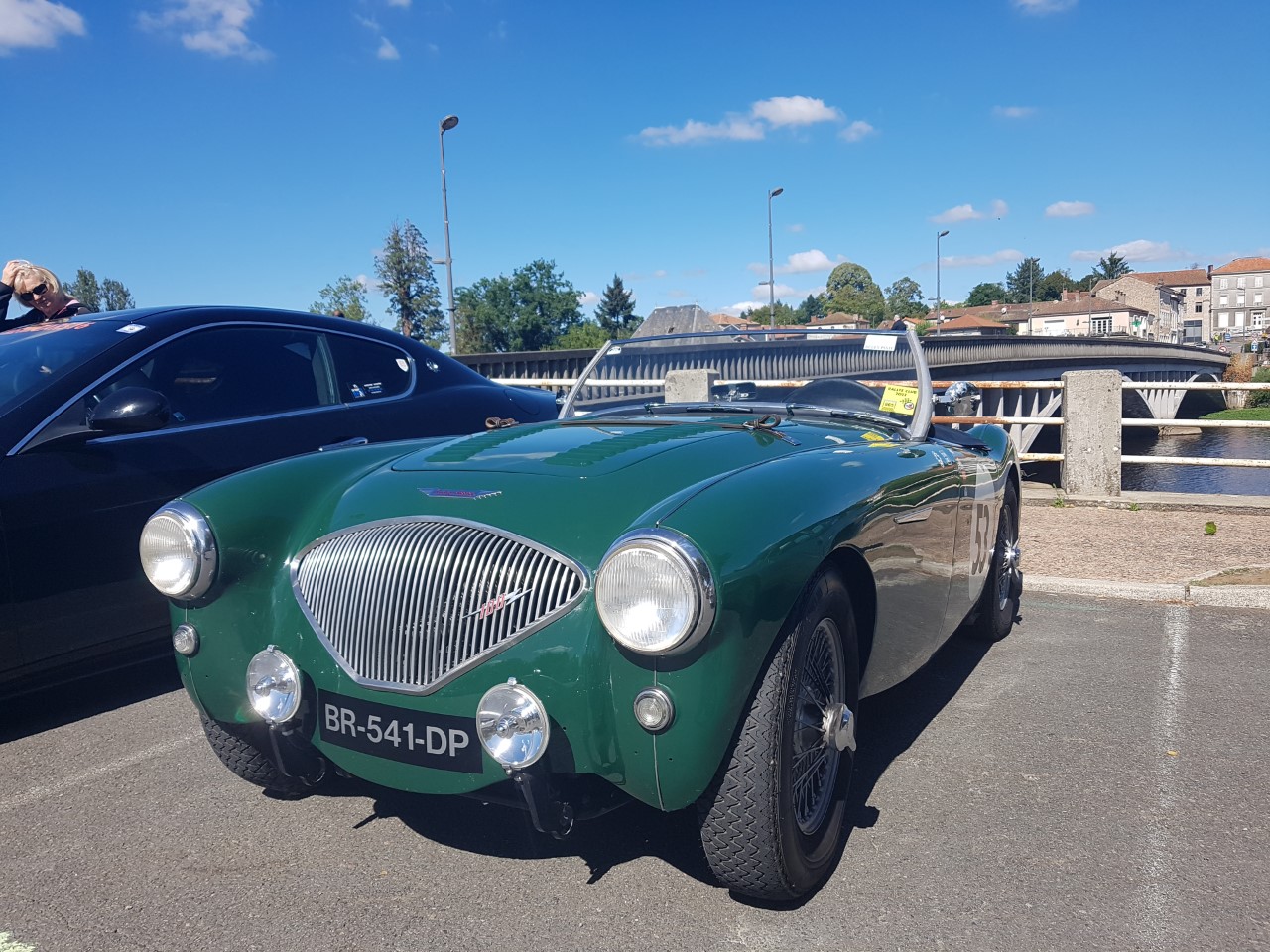
Last Saturday, Chabanais was busy and buzzing with competing cars from the Angoulême ‘Circuit des Ramparts’ having a lunchtime ‘pit stop’.

The Angoulême Circuit des Remparts weekend is an event where classic cars ‘race’ around the twisting roads of Angoulême. It is a key event for car enthusiasts!

The first race was held in 1939 and the circuit of 1,279 meters has not changed since. Relaunched in 1947 but abandoned in 1955, this race saw the greatest drivers of the time. Although the circuit is often referred to as the slowest in the world, this didn’t stop Juan Manuel Fangio leaving his mark in 1950 with three hours and twenty-four minutes for the 80 laps.

In 1983 Circuit des Ramparts was revived. Today, only three French city circuits are active, the others being Pau and Monaco. This year is special, as it is the 50th edition of Circuit des Ramparts.

So, it is historic but also a celebration with concours competitions. A beautiful road trip through the Charente countryside!

In the park, along the river, on side roads, all the cars looked so colourful and really great in the autumn sunshine and Steve was in his element. Seeing an Alfa Romeo Alfasud, the first car he owned!

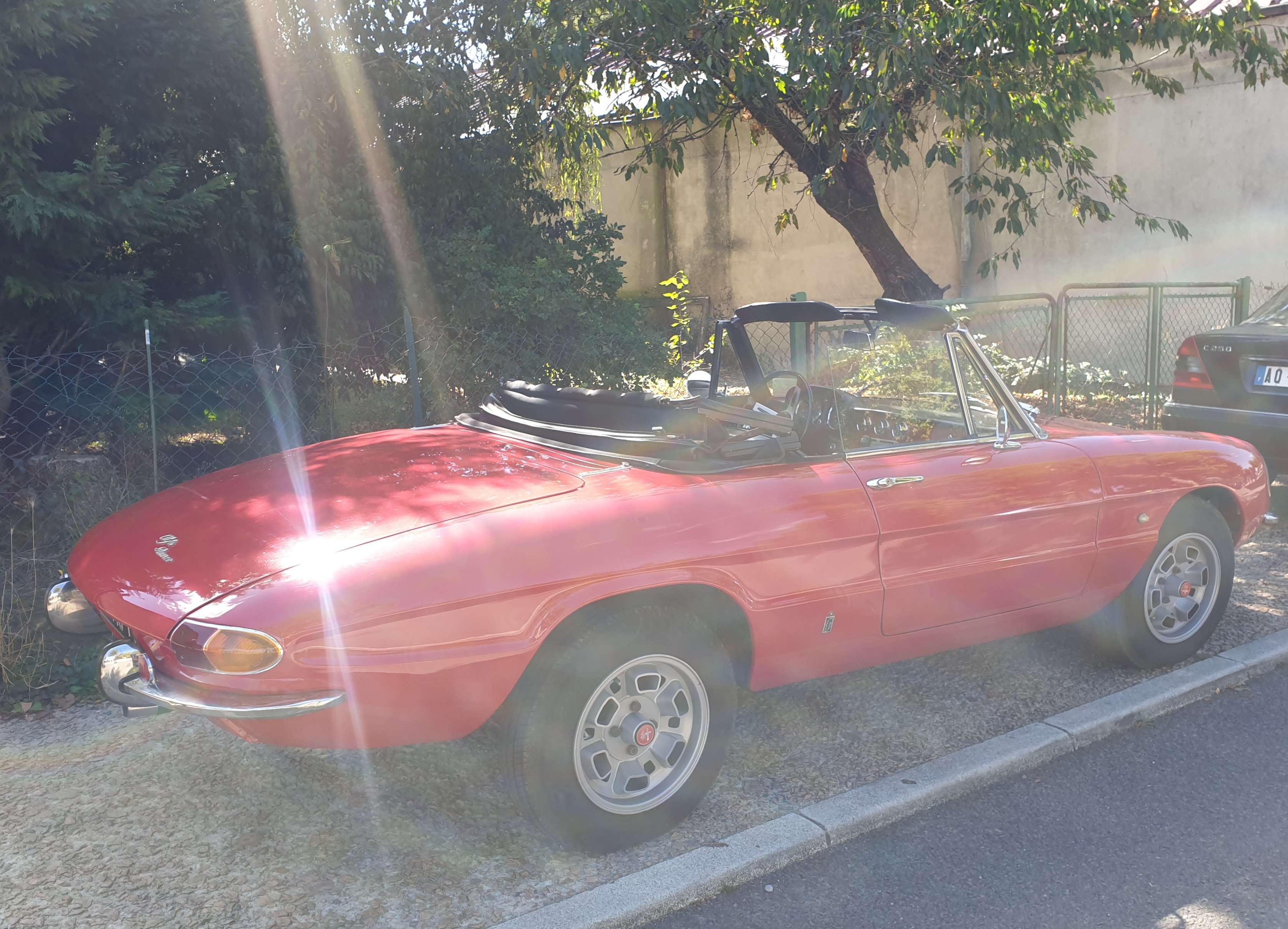
Then possibly his favourite car? Alfa Romeo Duetto Spider.

So, next year why not bring your classic car and come and tour the beautiful Charente region.

A Tale of Two Rivers

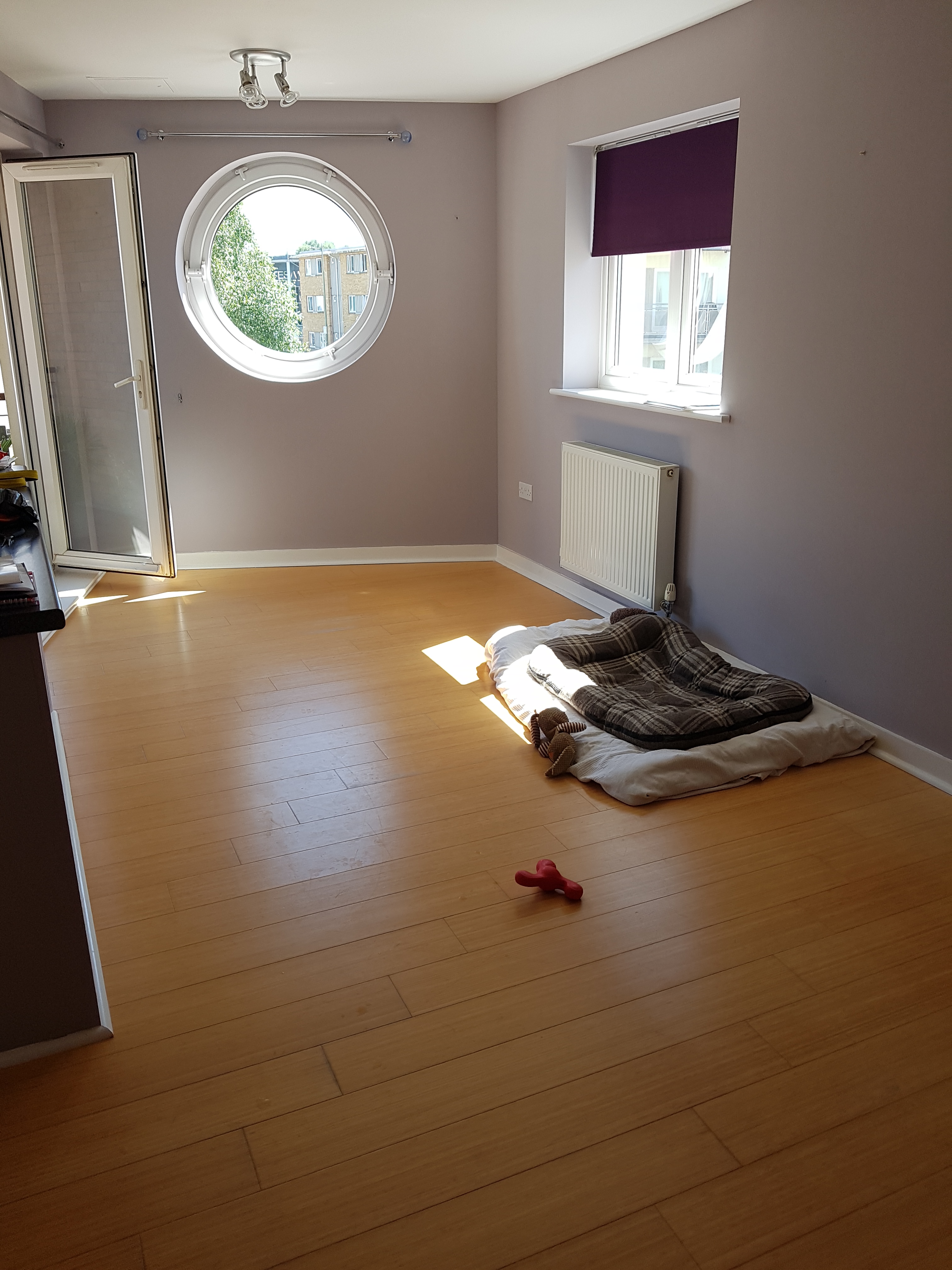
As the sun sets on the river Thames, we now find ourselves on a new dawn on the river Vienne. We’ve arrived in Chabanais!

And now let us go back ten days when we still didn’t have our French visas, therefore we couldn’t book a definite day to travel and Charlie, our lovely dog was too ill to have his travel Pet Health certificate issued. The sale of our apartment was due to complete on 20th June which would mean we would soon be homeless.

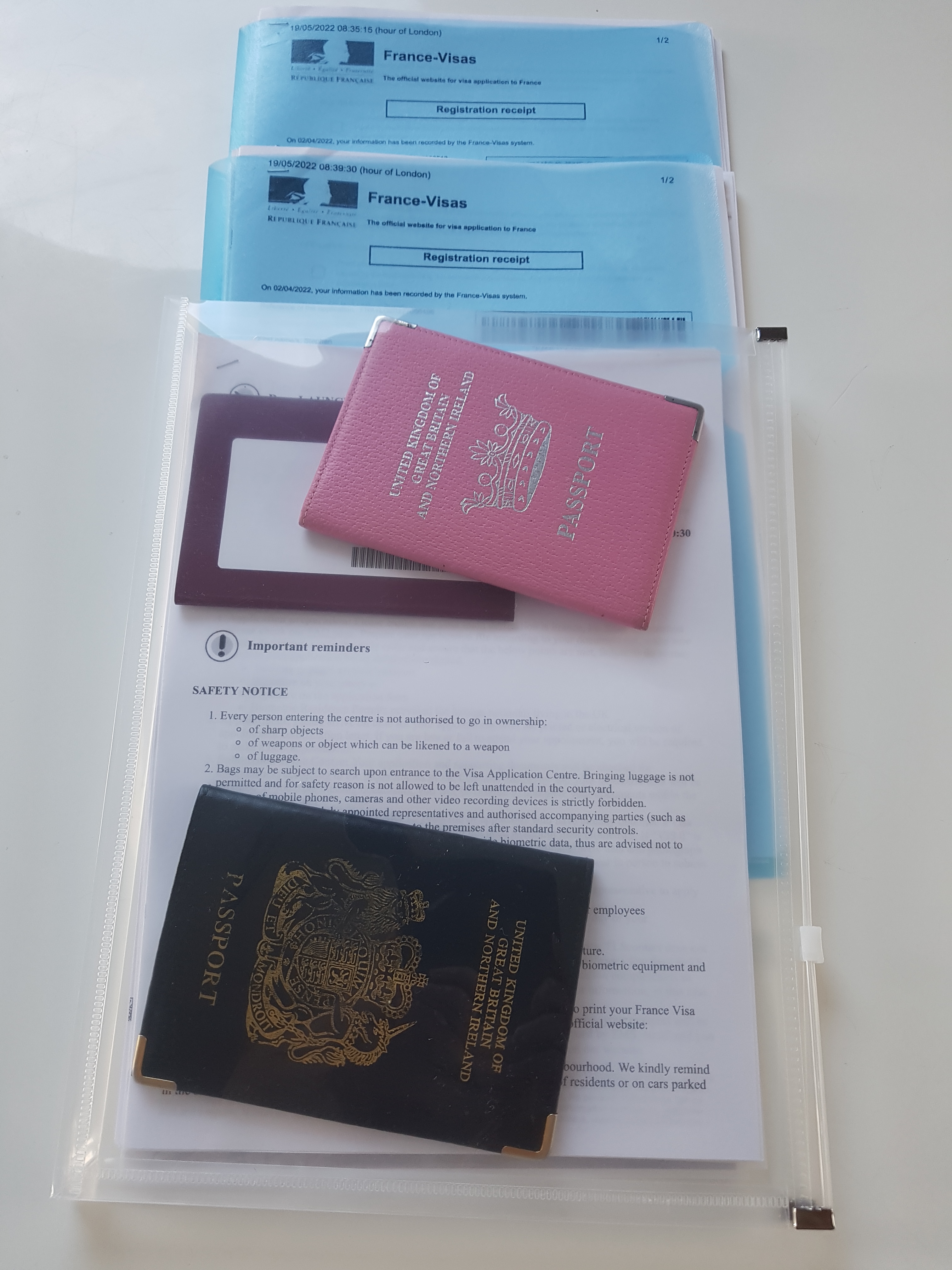
We set off for our long awaited visa appointment on 8th June, armed with reams of paper, enough to wallpaper our lounge! So much photocopying that our old printer almost died of exhaustion, so our neighbour took it off our hands. Our second printer was already packed! Our 10.30am visa appointment seemed to be shared with at least 50 other people, still it was a day out!

Meanwhile, back at our our apartment, the hot water pump had packed up and finding a plumber that could replace it within a few days was a challenge. While Steve organised a plumber and two new front tyres for our car, I was back and forth to the vets to to get blood and poo tests done for Charlie. His symptoms pointed to a nasty parasite, so the vet started treatment while still waiting on the results. Thank goodness Charlie got better and his certificate was issued on Tuesday 14th. The very day the removal company and the plumber descended on our home.

Later that day, we received the e mail from the visa centre saying our passports were back from the French Embassy and ready for collection. But no actual confirmation of the visas being approved. Even on the French Embassy website, there was no confirmation. We had to wait anxiously until 8.30am Wednesday 15th when I collected them and nervously opened the envelopes and looked inside the passports and we’d been approved! Bienvenue en France! Couldn’t quite believe it and I admit I shed a tear. When I arrived home, Steve dashed off to get a new front tyre fitted and yes, if you’re keeping up, I got a puncture in one of the brand new tyres on Tuesday night!

We were now booked on Eurotunnel 07.50 Thursday 16th with a nice 5am start! After such an exhausting week, with not much sleep, we decided to take up our friends Lucie and Tom’s kind offer to stay overnight at their place in France.

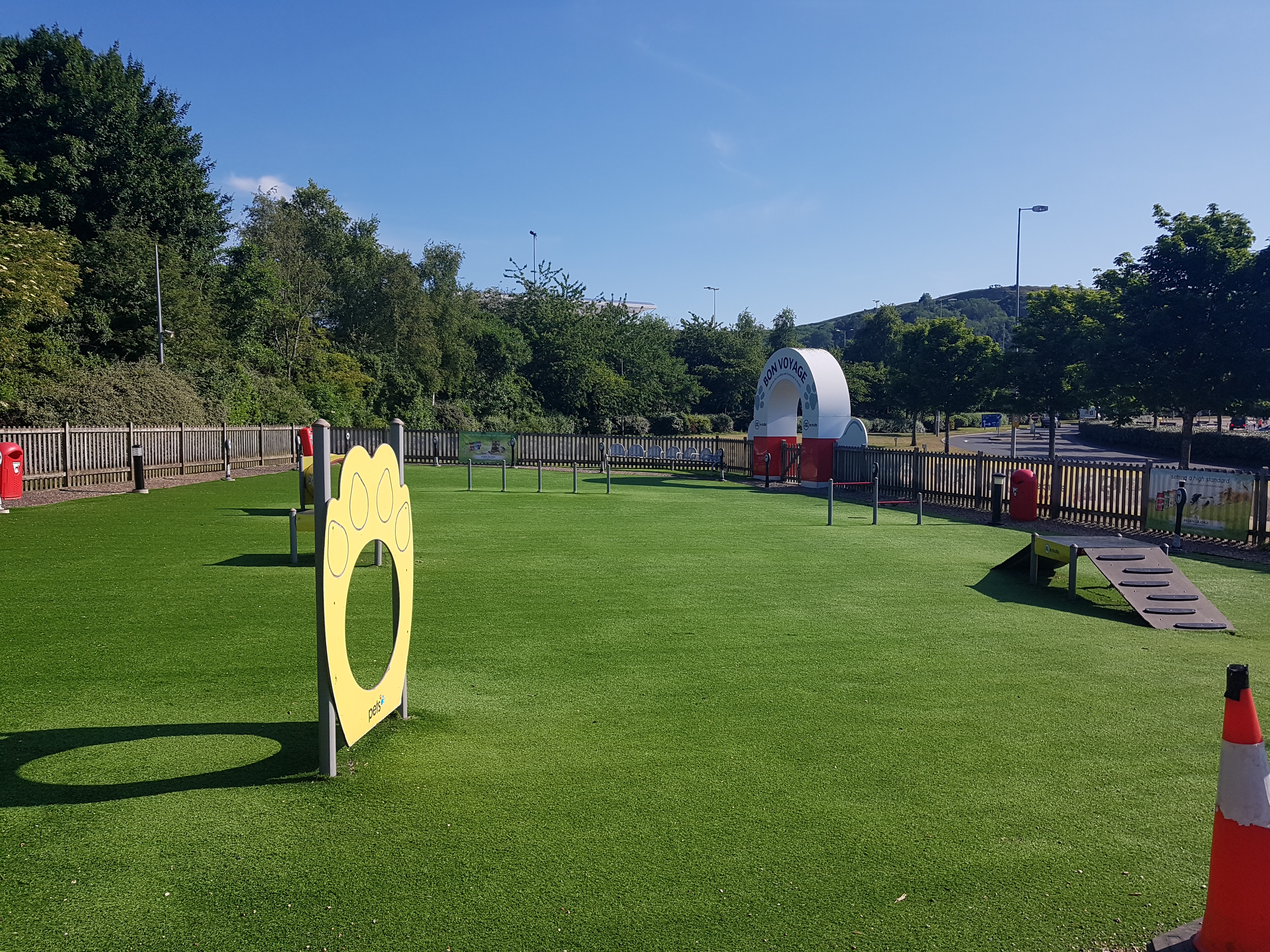
But there was still time for a little more stress on our way to Folkestone with an accident closing the M25 resulting in us missing the train, along with many other passengers. But the staff met us with a smile, no fuss and booked us on a later train. The friendliness, facilities and efficiency at the terminal were a very welcome surprise. Charlie was happy as he had longer to play on the agility course set up in the dog area! We drank a bucket of coffee!

Were these signs for us not to go? ….. were they heck, nothing was going to stop our “aventure français”.

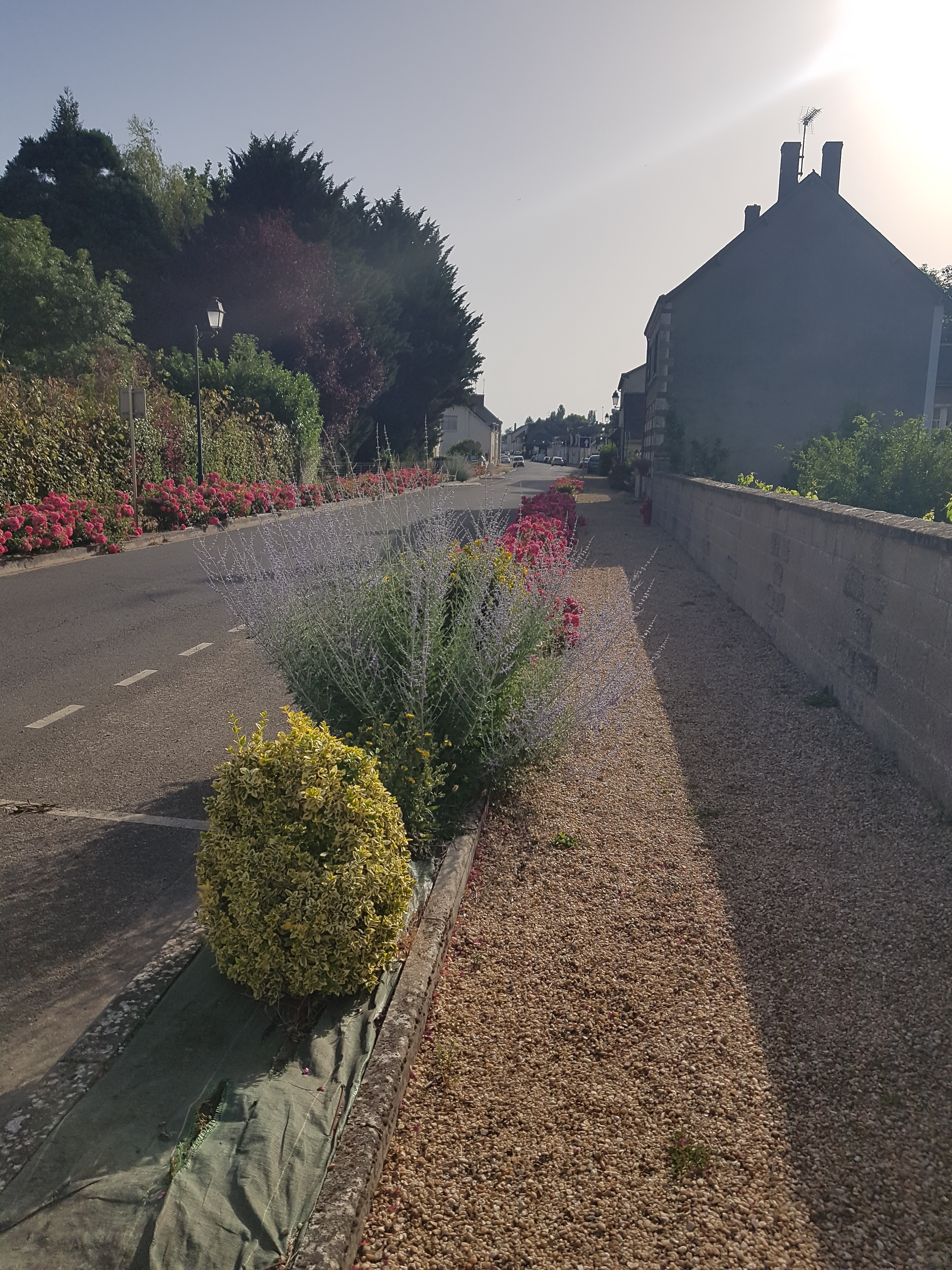
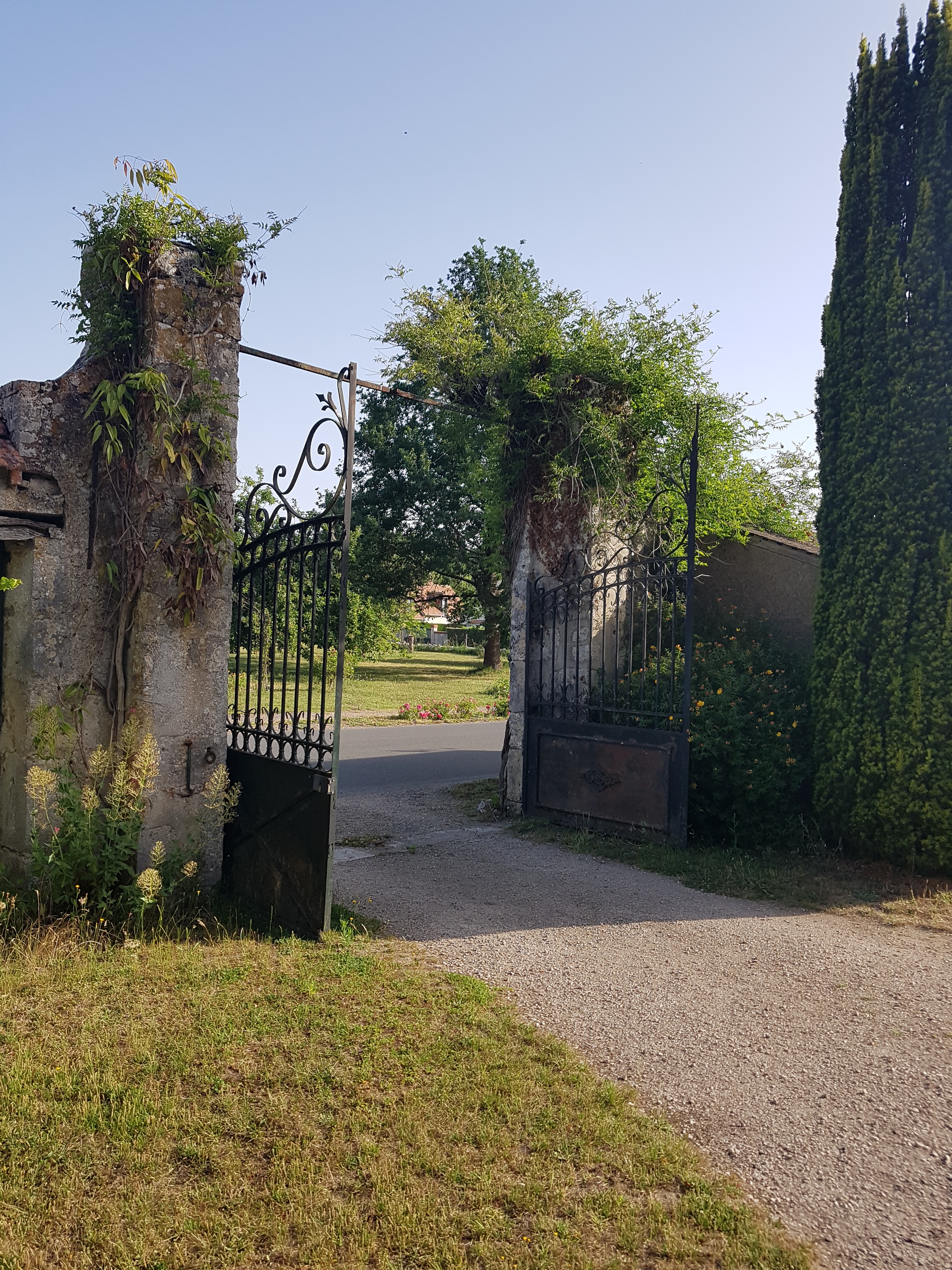
We arrived early evening in pretty Chitenay, (pronounced as you may think!) in Loir-et-Cher.

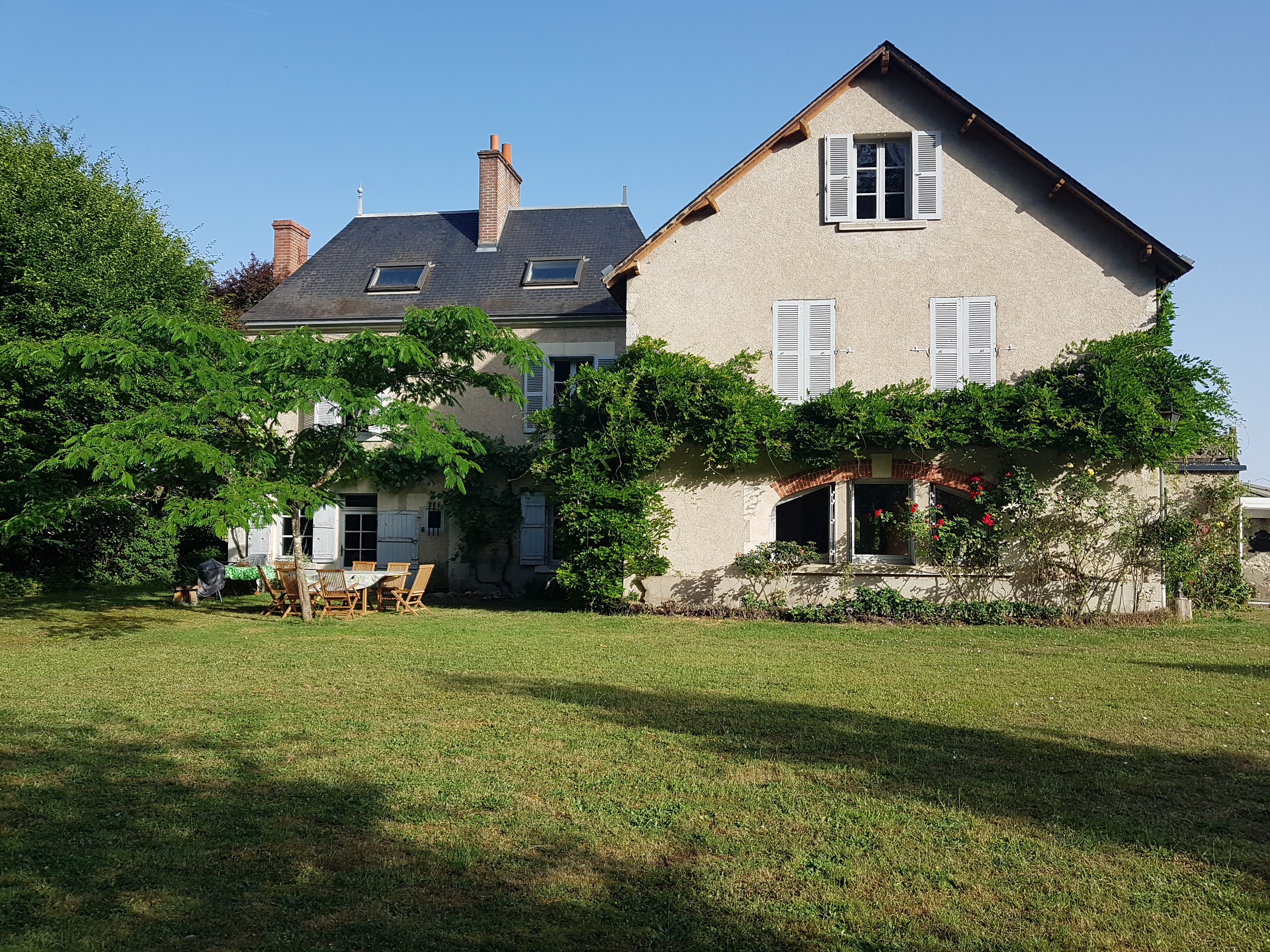
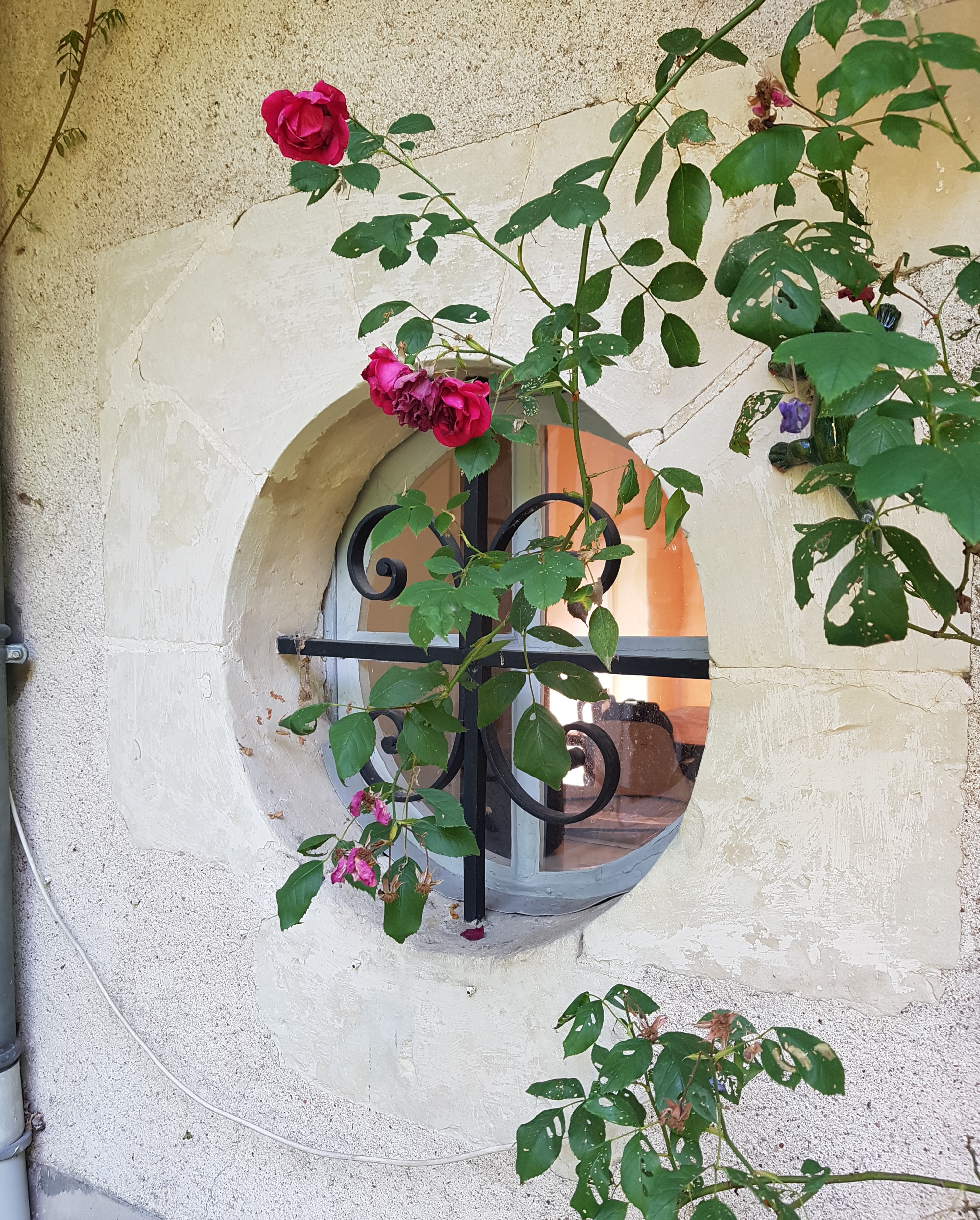
We were given a lovely French welcome and met Lucie and Tom’s young children for the first time, so did Charlie and he finally relaxed enough to receive a lot of fuss and cuddles from them! Lucie and Tom moved to their beautiful house in March. It will be their long term family renovation project, along with the gardens and woods. An idyllic location for their children to grow up in.

And potentially, only a few hours from where we may find our new home? Next morning, fresh croissants and coffee for breakfast and dear Lucie sent us on our way feeling refreshed for the first time in weeks.

Finally, I now feel we can get really excited as we are here. Our little rental house is right in the village centre and 2 minutes walk from the river, the local café and local shops.

Now the house hunting begins!