
I’m back and my poor little blog has seriously been ignored. I have do not have a good excuse! I wrote this back in August and now in November, I finally publish it! I also can’t believe we have lived in France for over four years. Of course, I’m still out and about discovering lovely places.
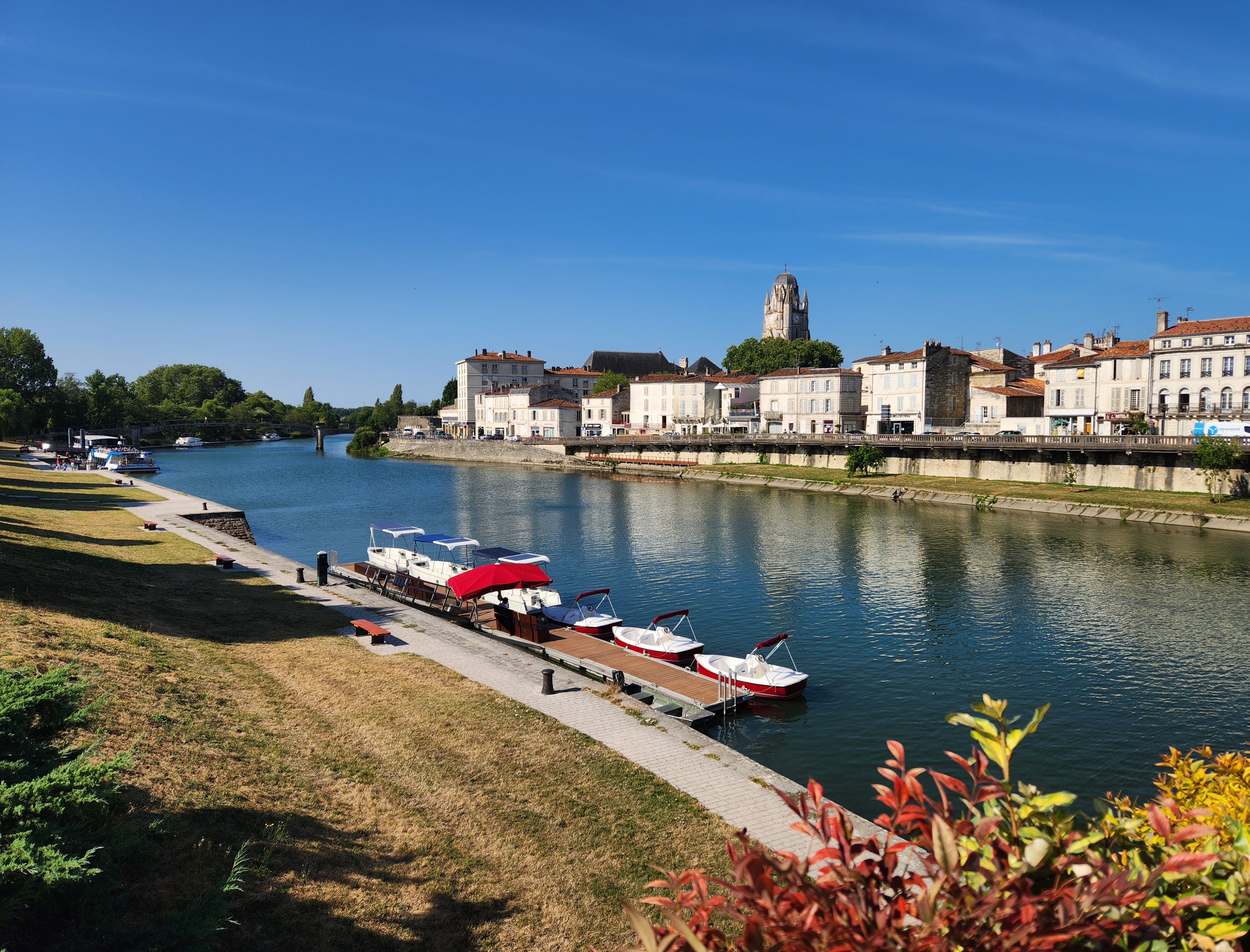
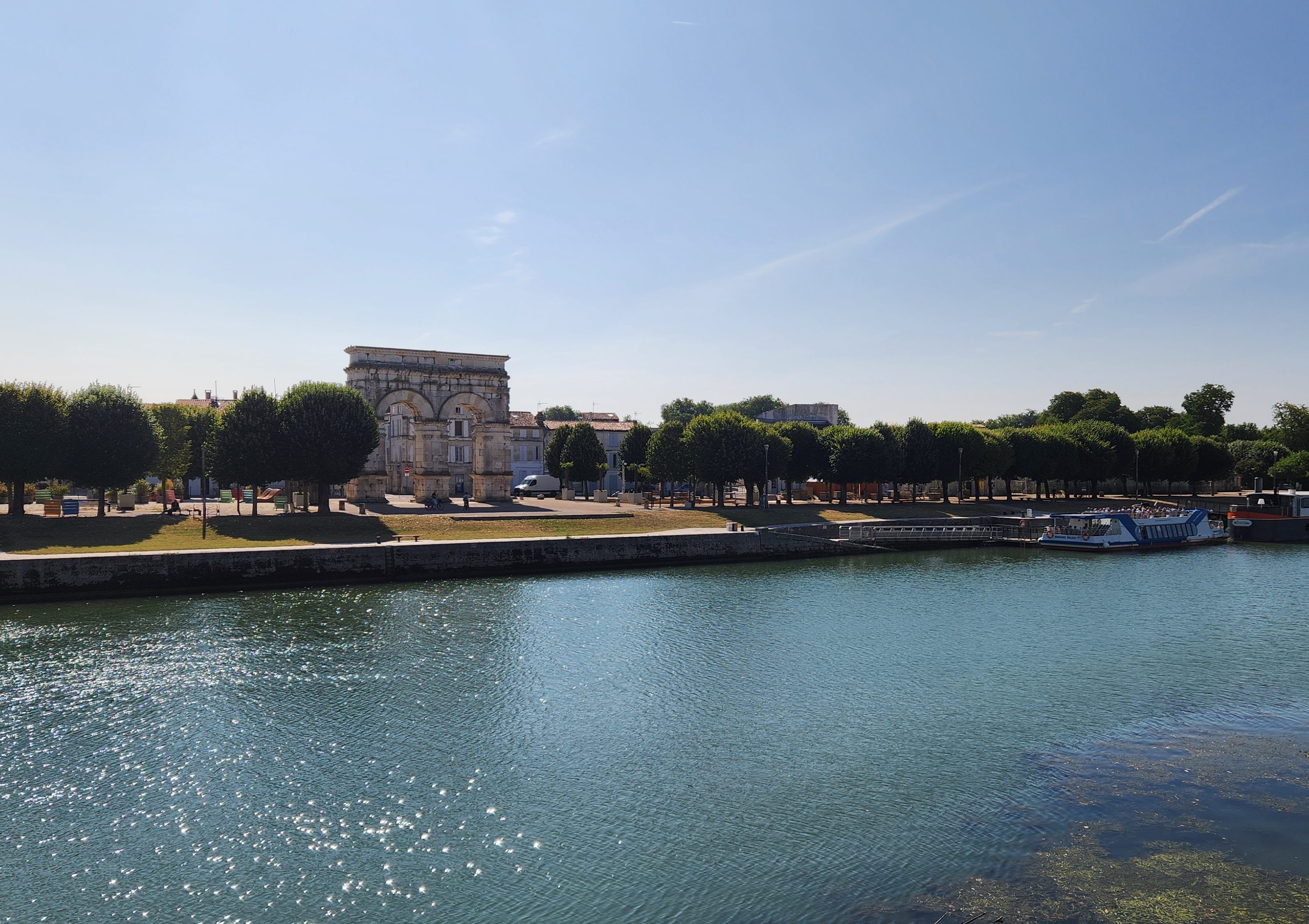
In July, my ‘blog buddy’ Carolyn and I spent the day in Saintes, Charente Maritime. Starting with a stroll in the morning sunshine along the Bernard Palissy Bridge to the old town with a good view of the Arch of Germanicus, a Roman arch constructed around 18-19 AD.
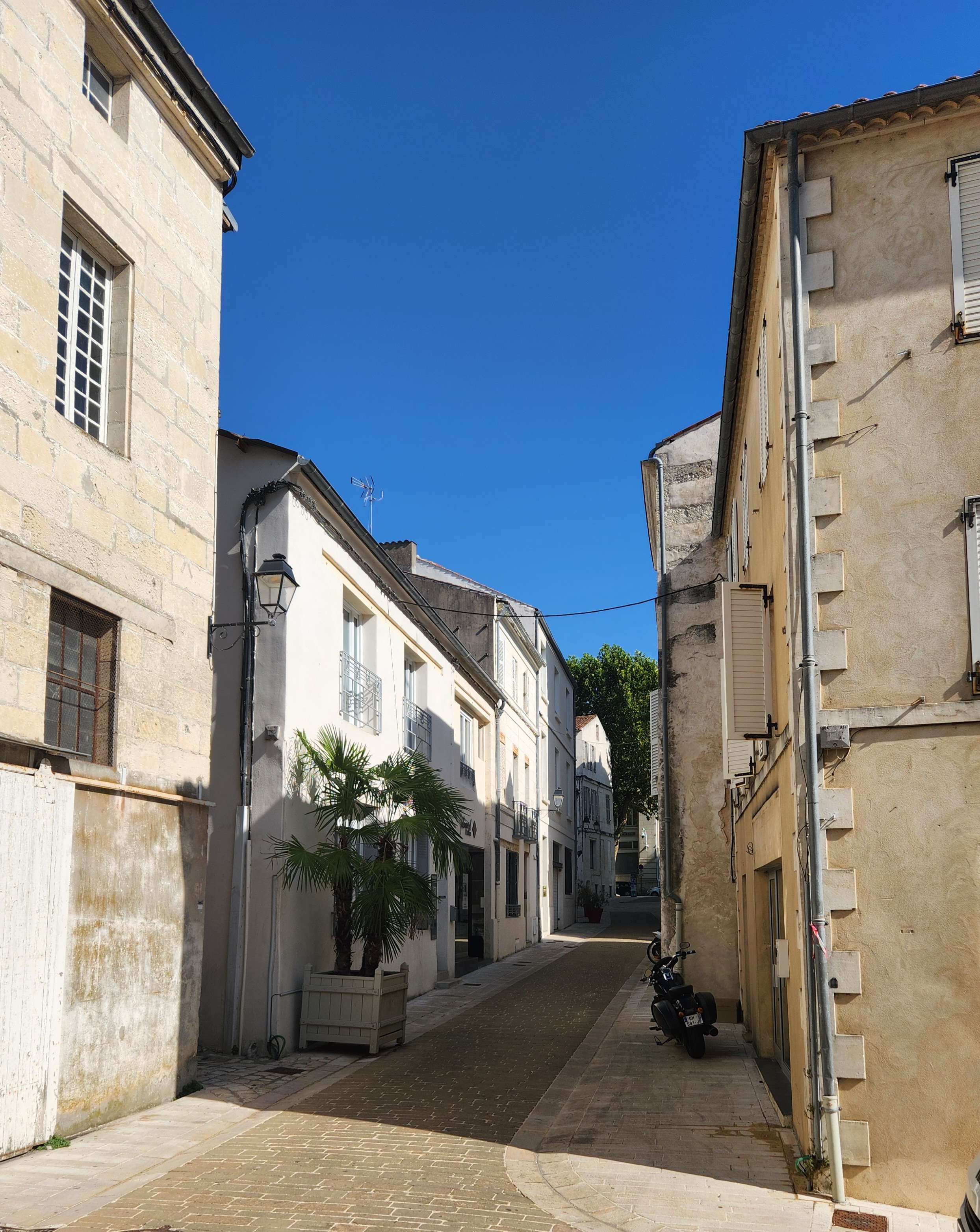
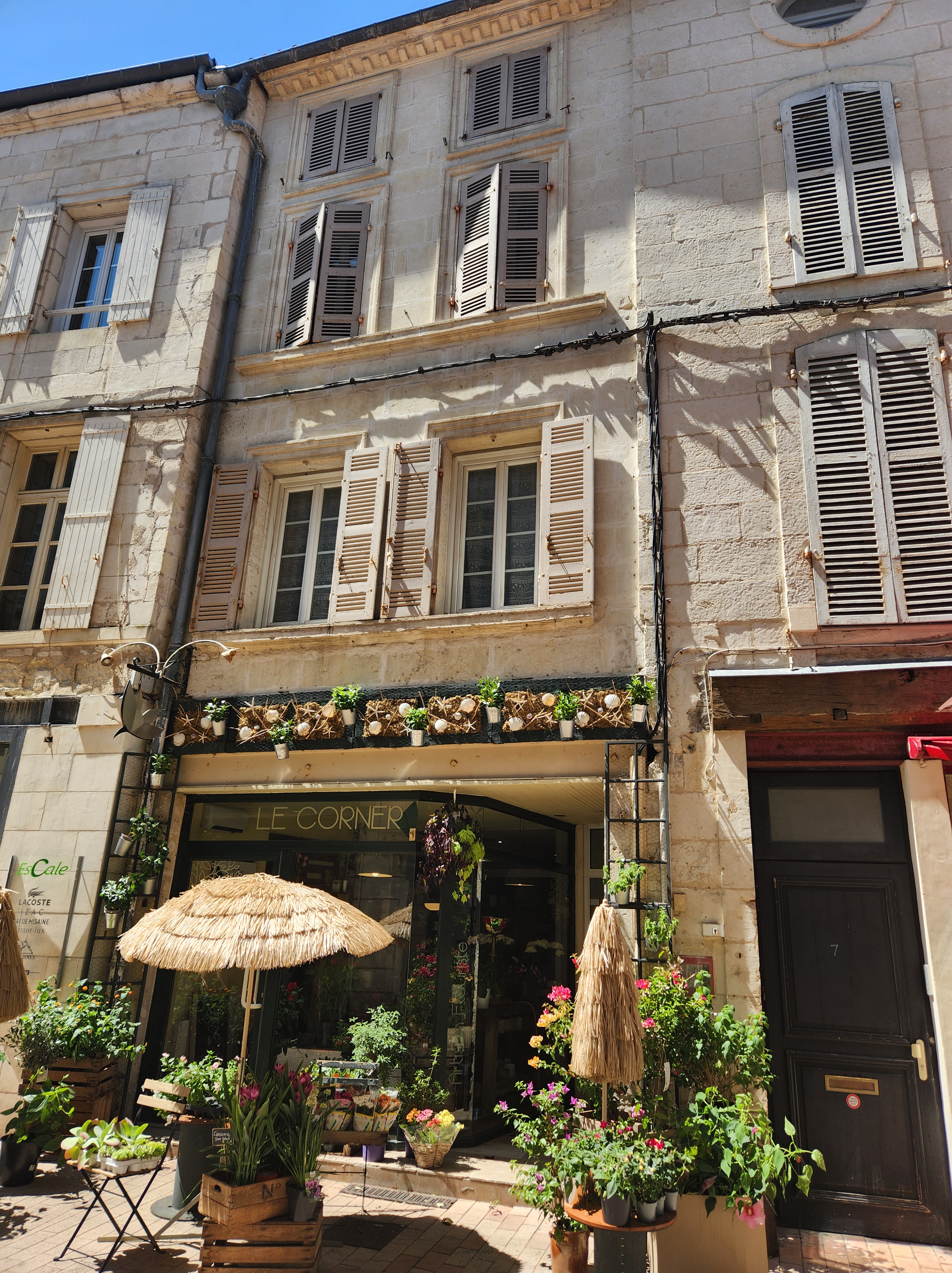
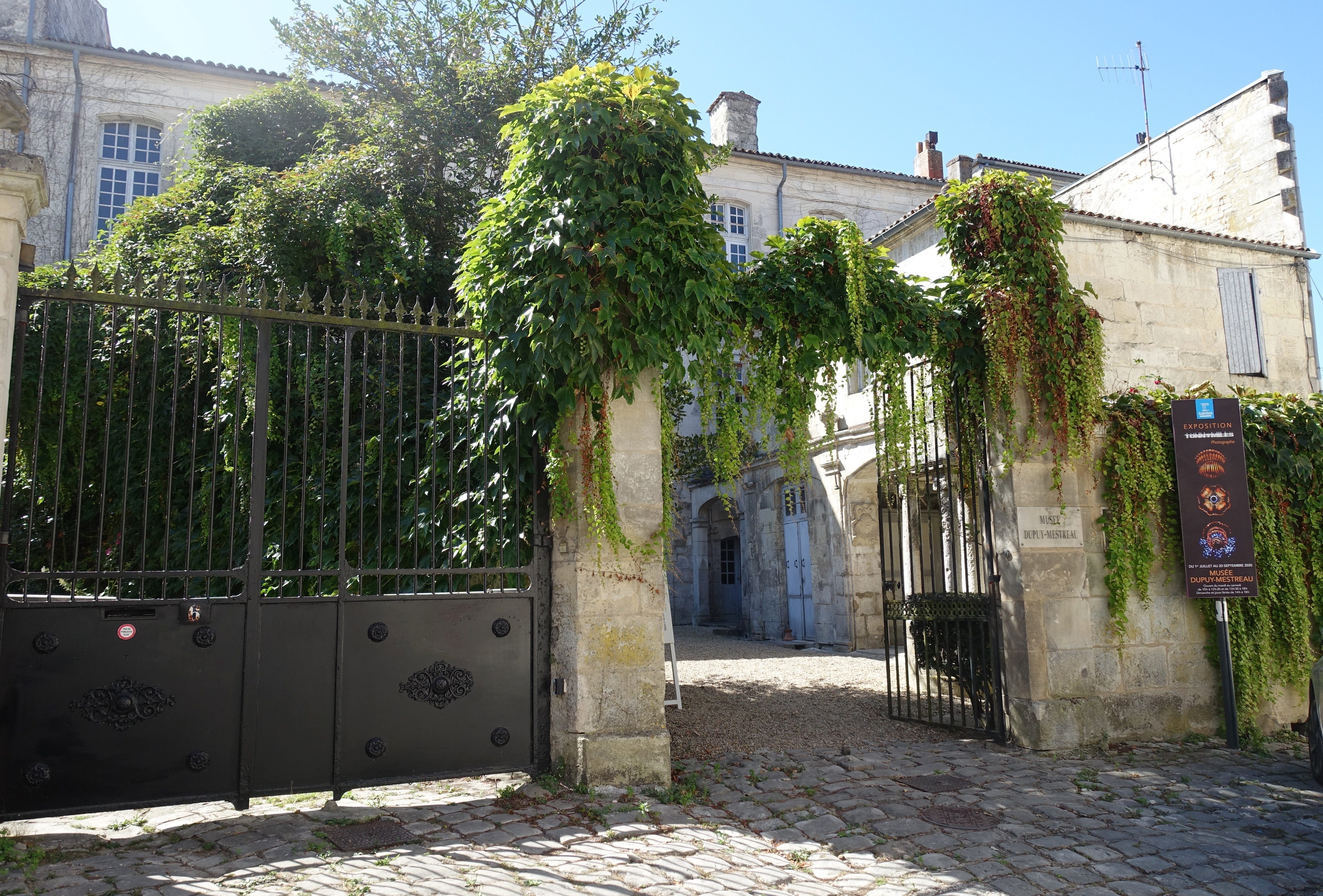
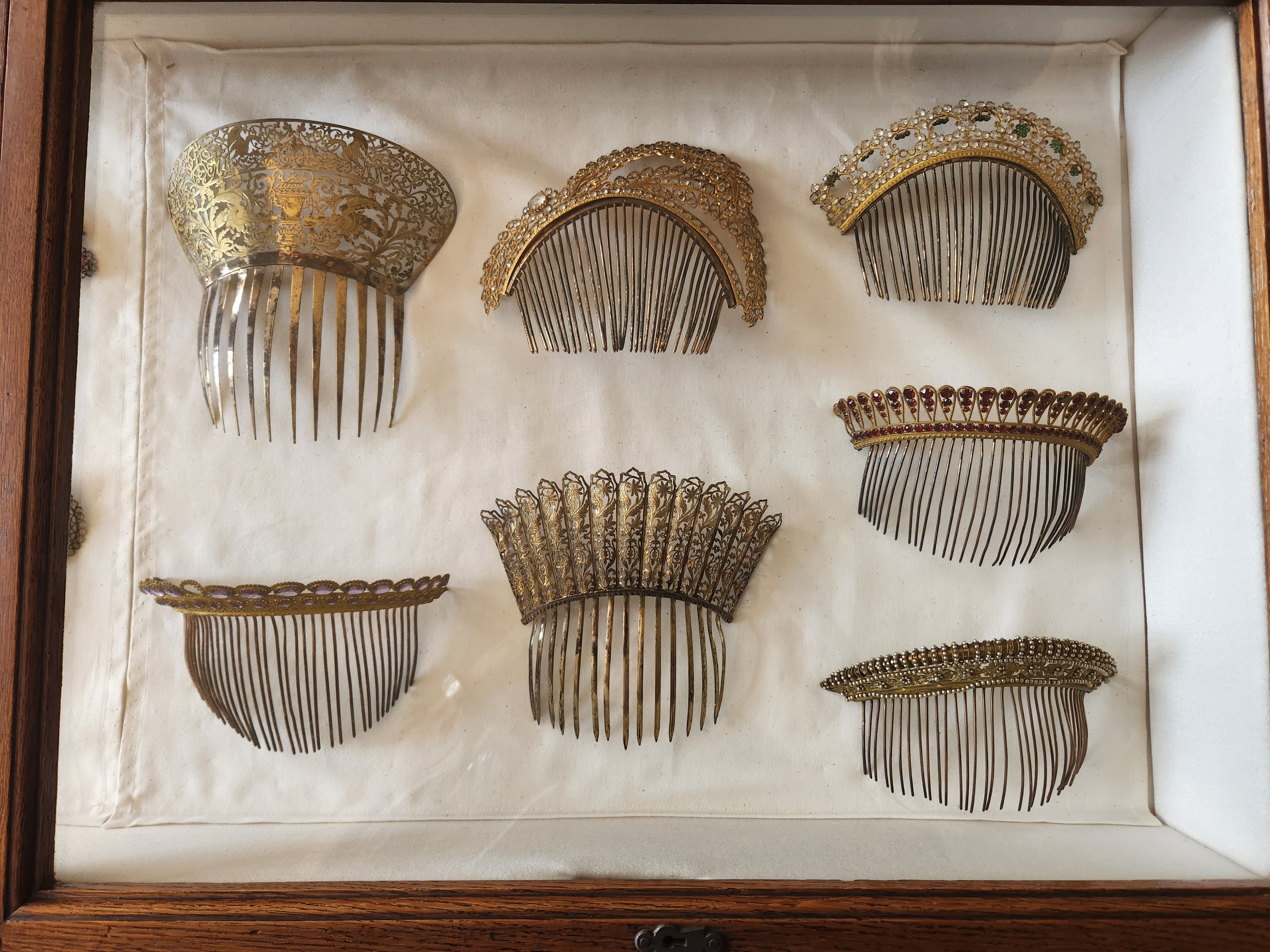
After a much needed coffee, we visited the cultural museum Dupuy Mestreau. This small, intimate museum featured a collection of artefacts and showed the historical significance of Saintes and the surrounding area.
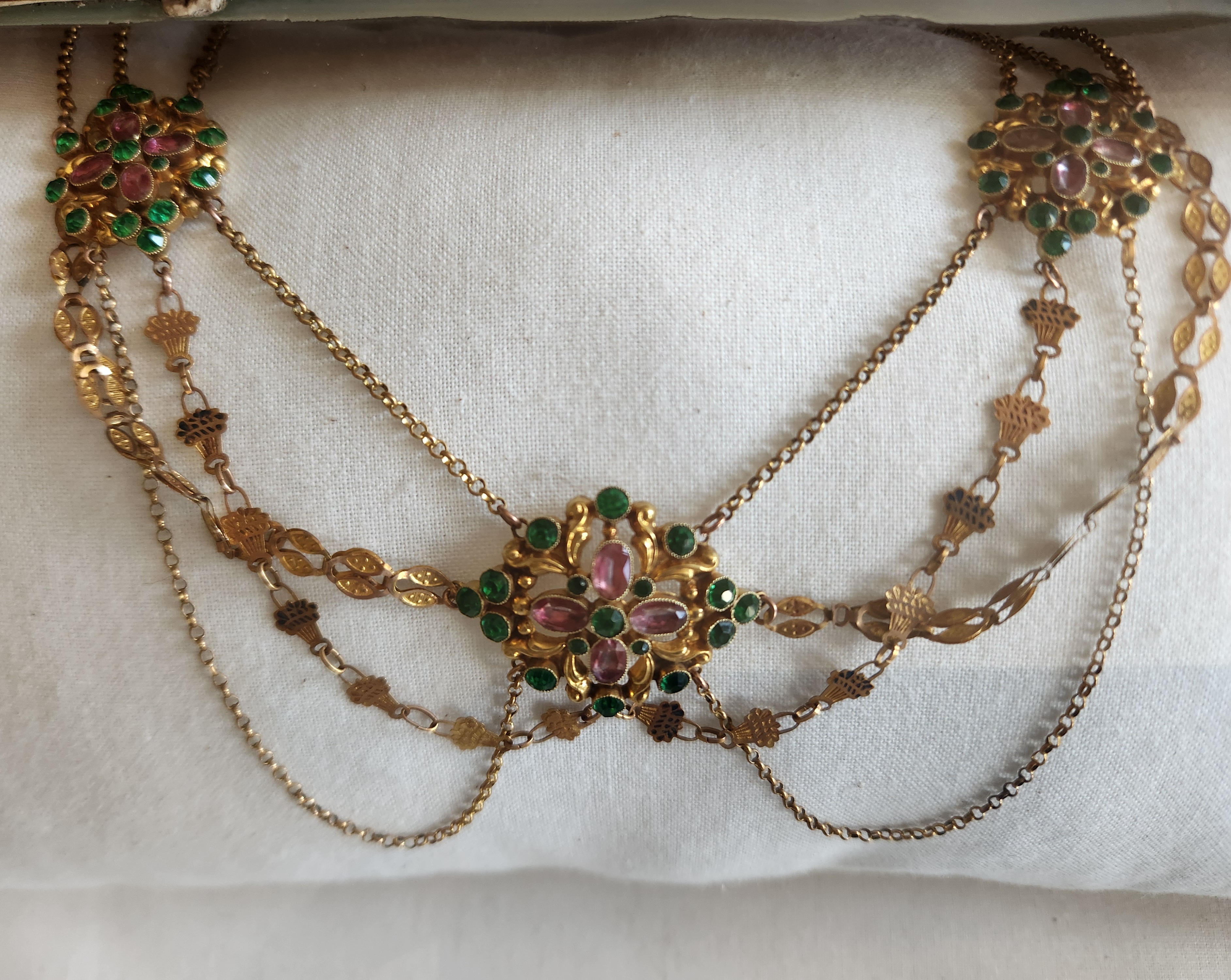
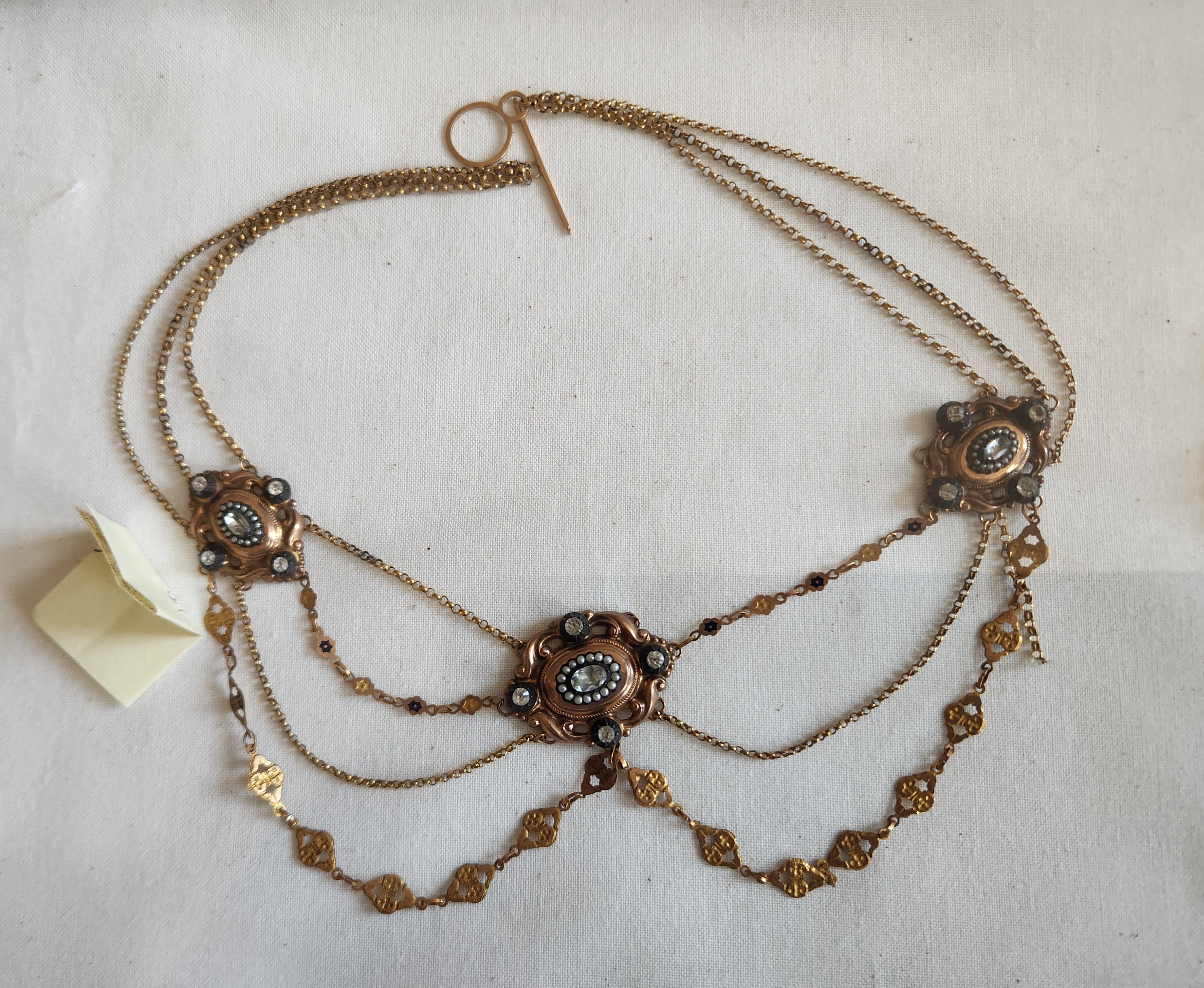
There was a display of pretty ‘colliers d’esclavage’ better known as ‘slavery necklaces’. The fashion for this type of necklace emerged in the first half of the 17th century among the prosperous French peasantry, particularly in Auvergne, Normandy, Poitou, and Saintonge. This trend extended across France during the second half of the 19th century. The necklace consisted of three chains symbolising one for the past, one for the present and one for the future. Sometimes, a fourth chain was added for the eternal union of the spouses or their first child. The materials used varied according to the family’s wealth. Traditionally, a young man would give this type of necklace to his fiancée when the couple were formally introduced to their parents. A sign of love and the sincerity of their commitment. The ‘slavery’ label applied may also suggest that, at the time, marriage was perceived, metaphorically, as a form of slavery. A wedding song from Poitou proclaimed, ‘To set up house is nothing but certain death… Farewell to pleasures, farewell to happy days; I am in slavery.’
Saintes Cathedral grounds showed Gothic elements. The construction started in the 12th century and was finished in the 17th hence a mix of architectual styles.
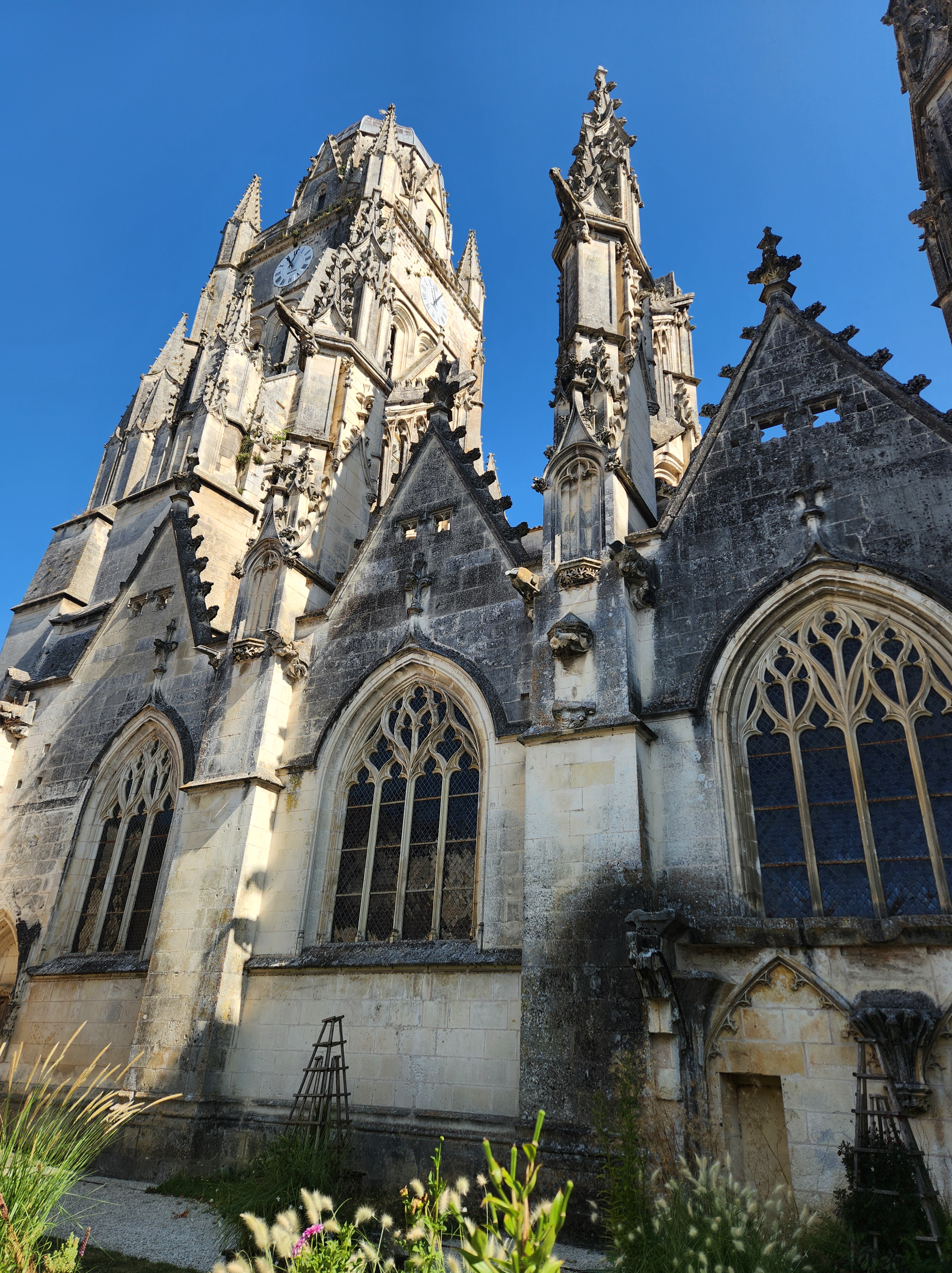
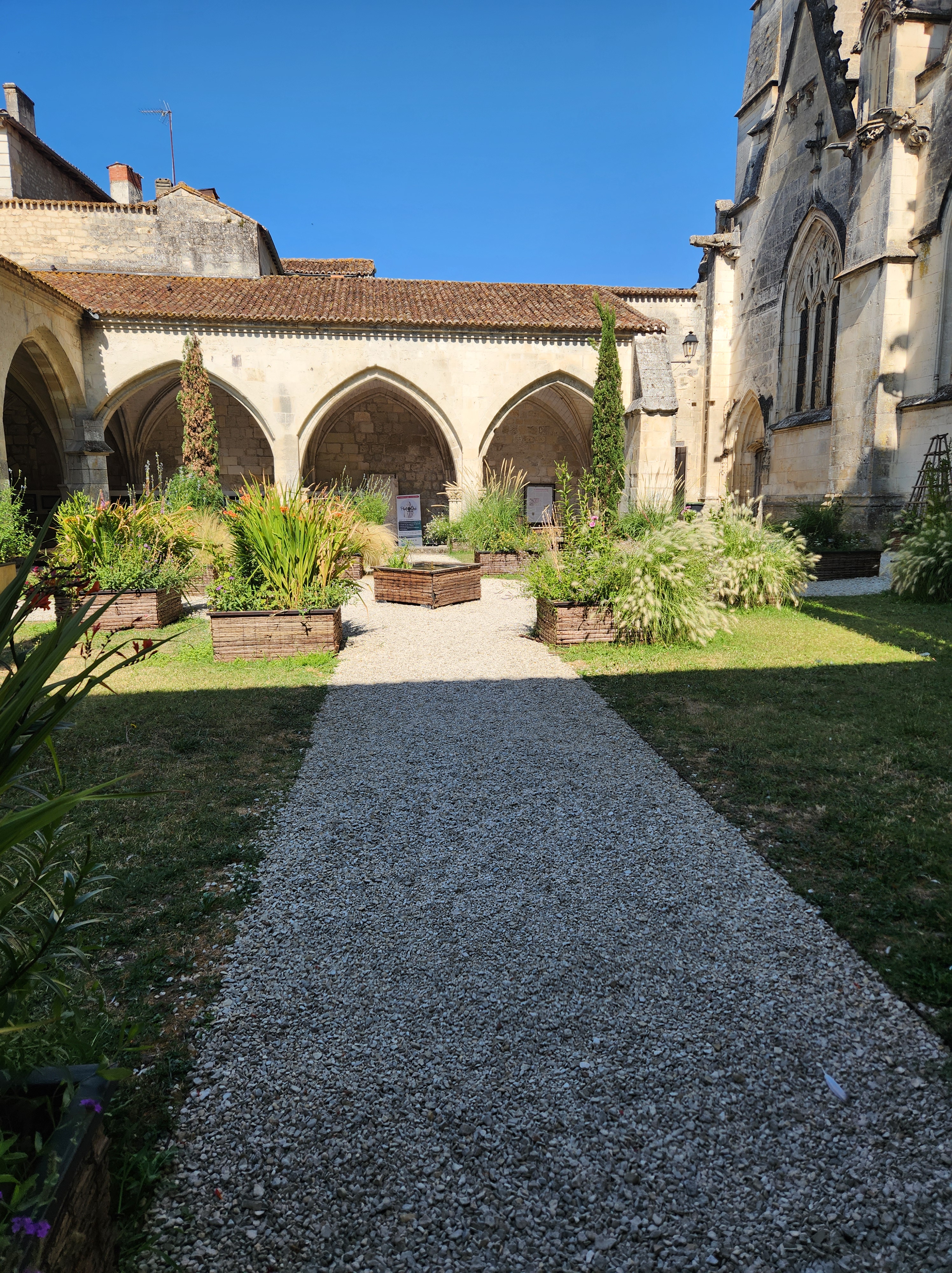
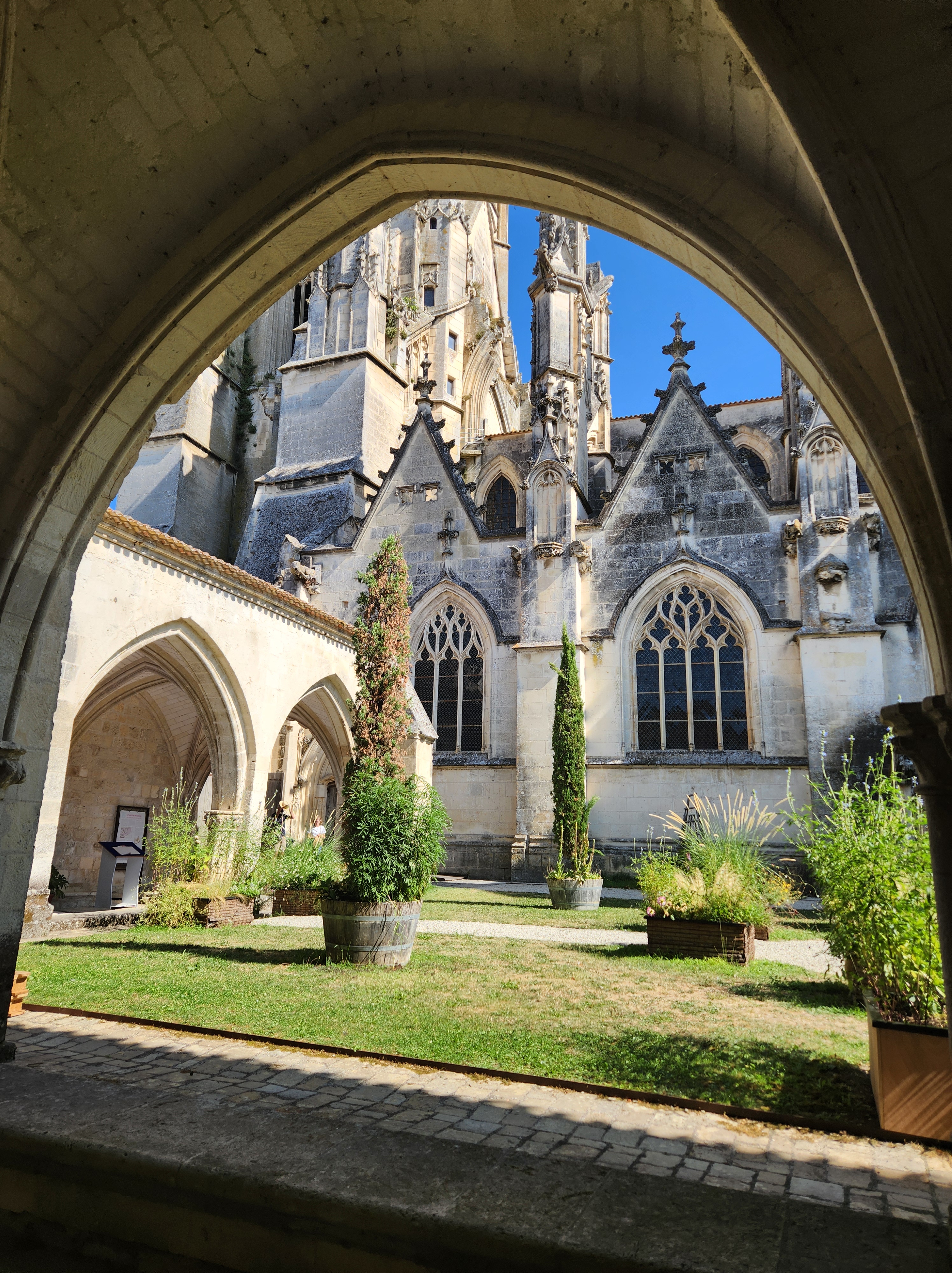
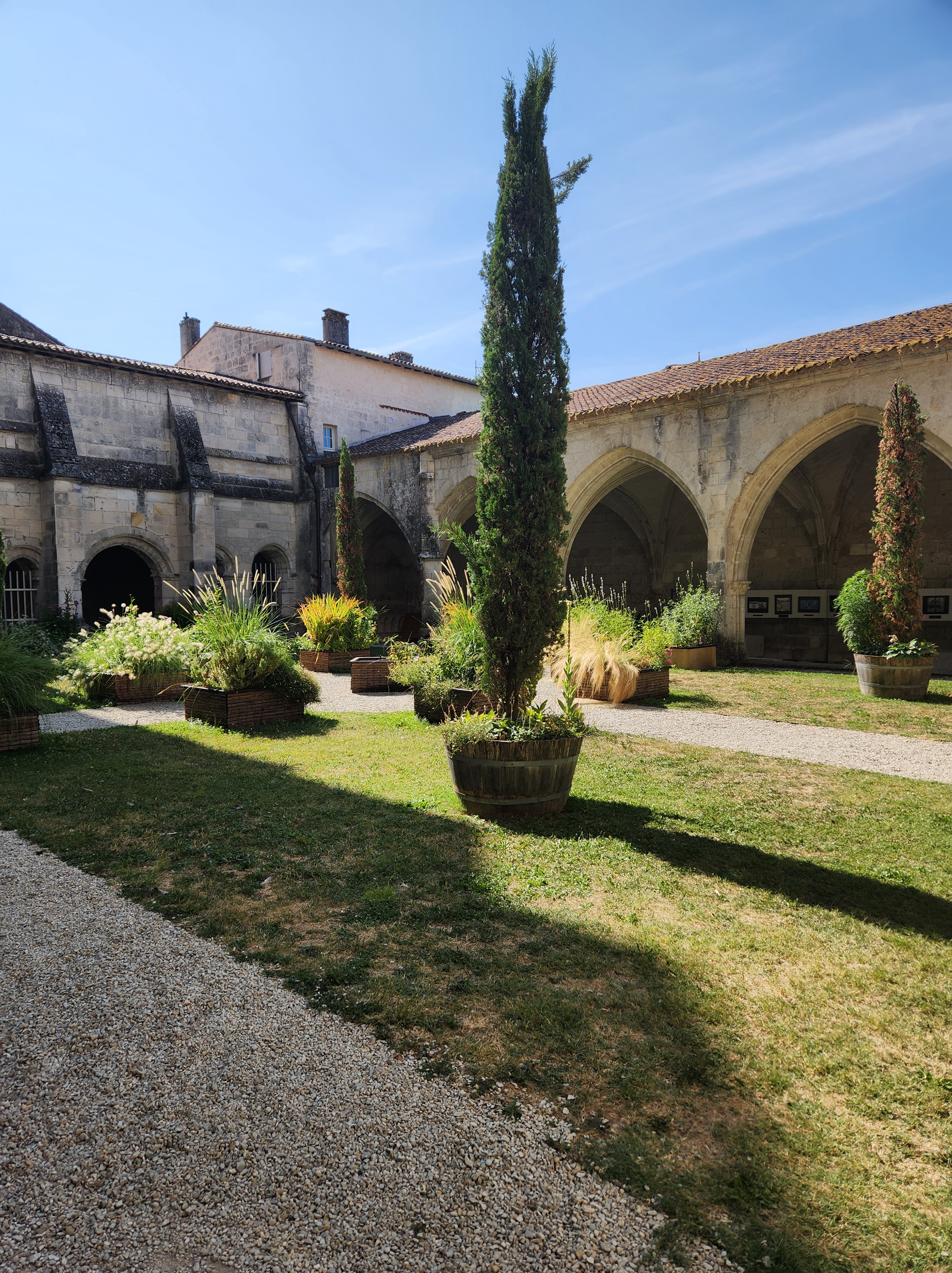
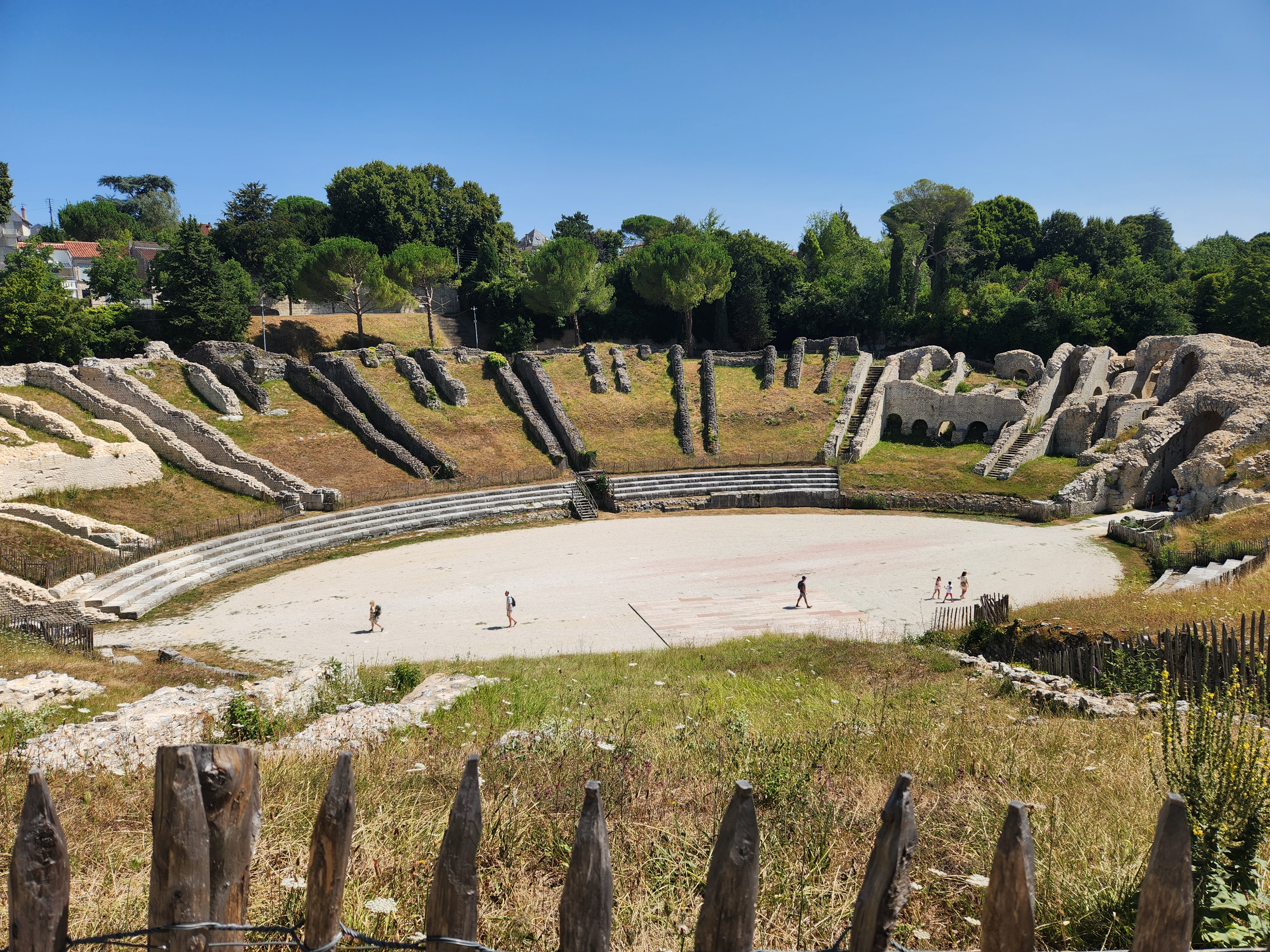
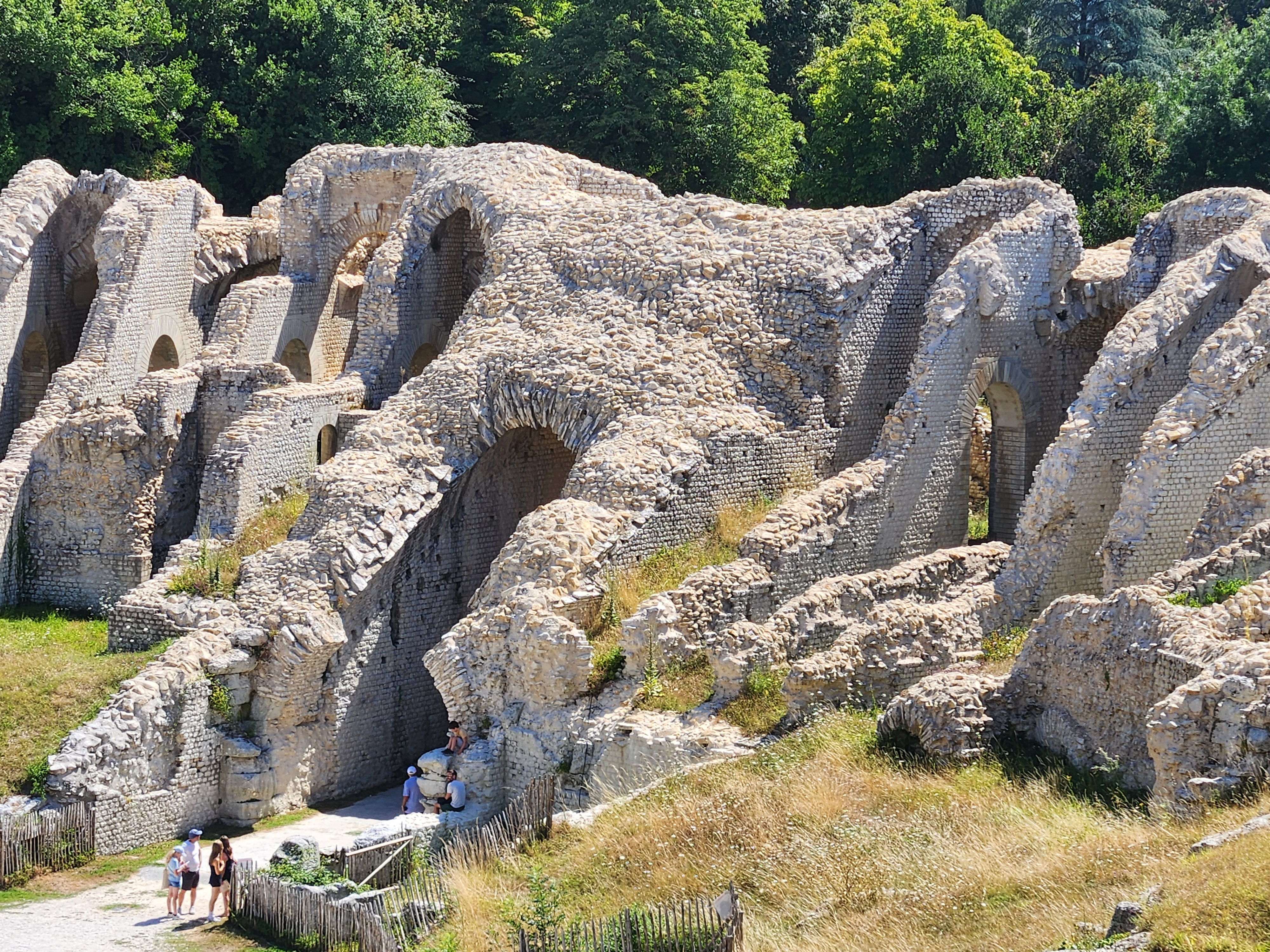
The main tourist attraction in Saintes is the amphitheatre built around 40-50 AD, during the reign of Emperor Claudius and believed about thirty years before the Colosseum in Rome. In 1906 work started on clearing several meters of sediment. But 1982 saw serious flooding which caused landslides. So, in 2021 a three year restoration project started to preserve what was left of the amphitheatre. There is a tour you can take but on very hot day, and a lot of walking, a late lunch and cold drink beckoned!
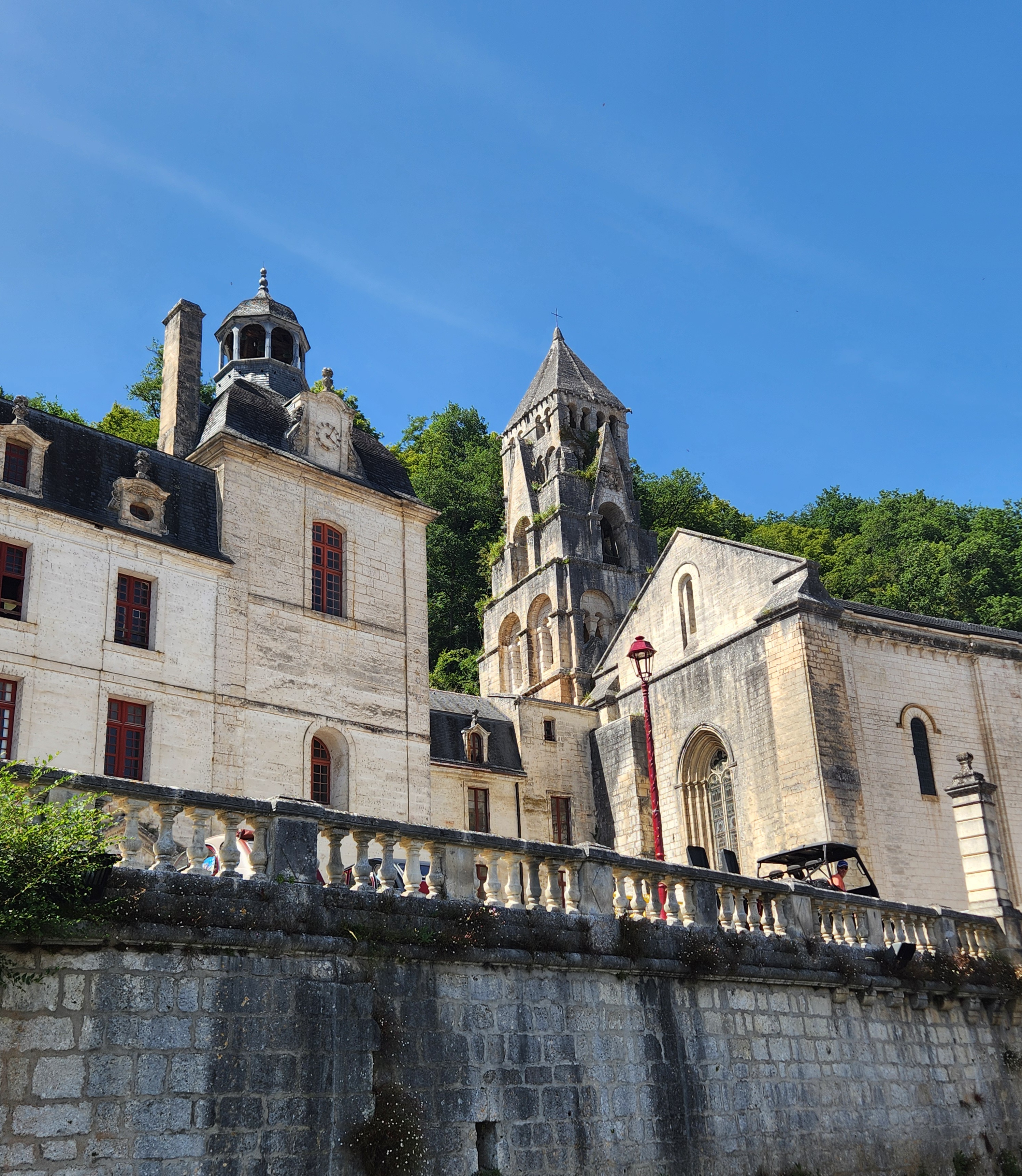
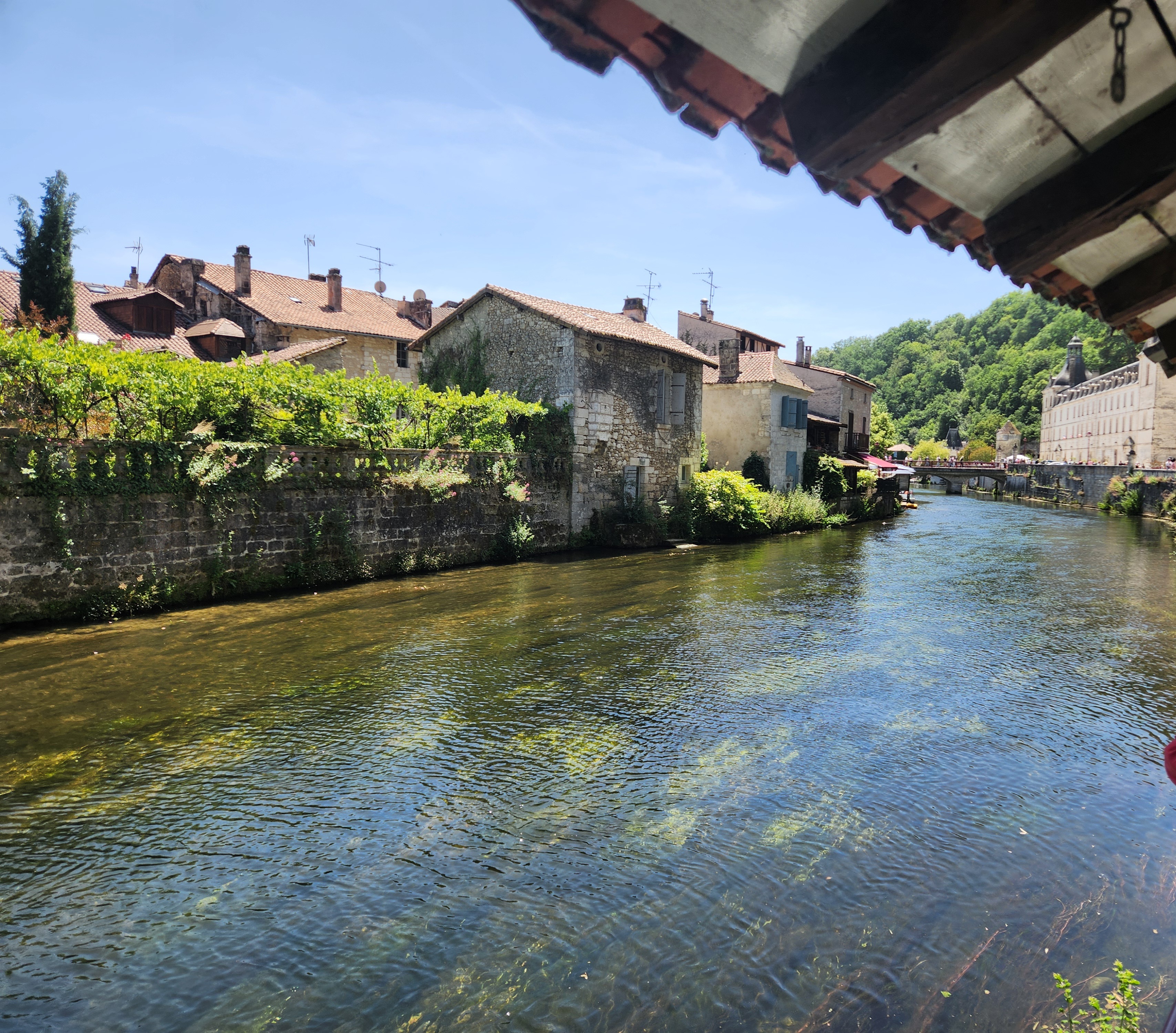
In June, I took an organised trip to Brantôme in the north of the Dordogne. Set on the river Dronne, Brantôme is very pretty, with a backdrop of steep wooded slopes and the Benedictine Abbey. Unfortunately, I didn’t have time to visit the abbey, which was founded by Charlemagne in 769 and the most historical highlight of the town.
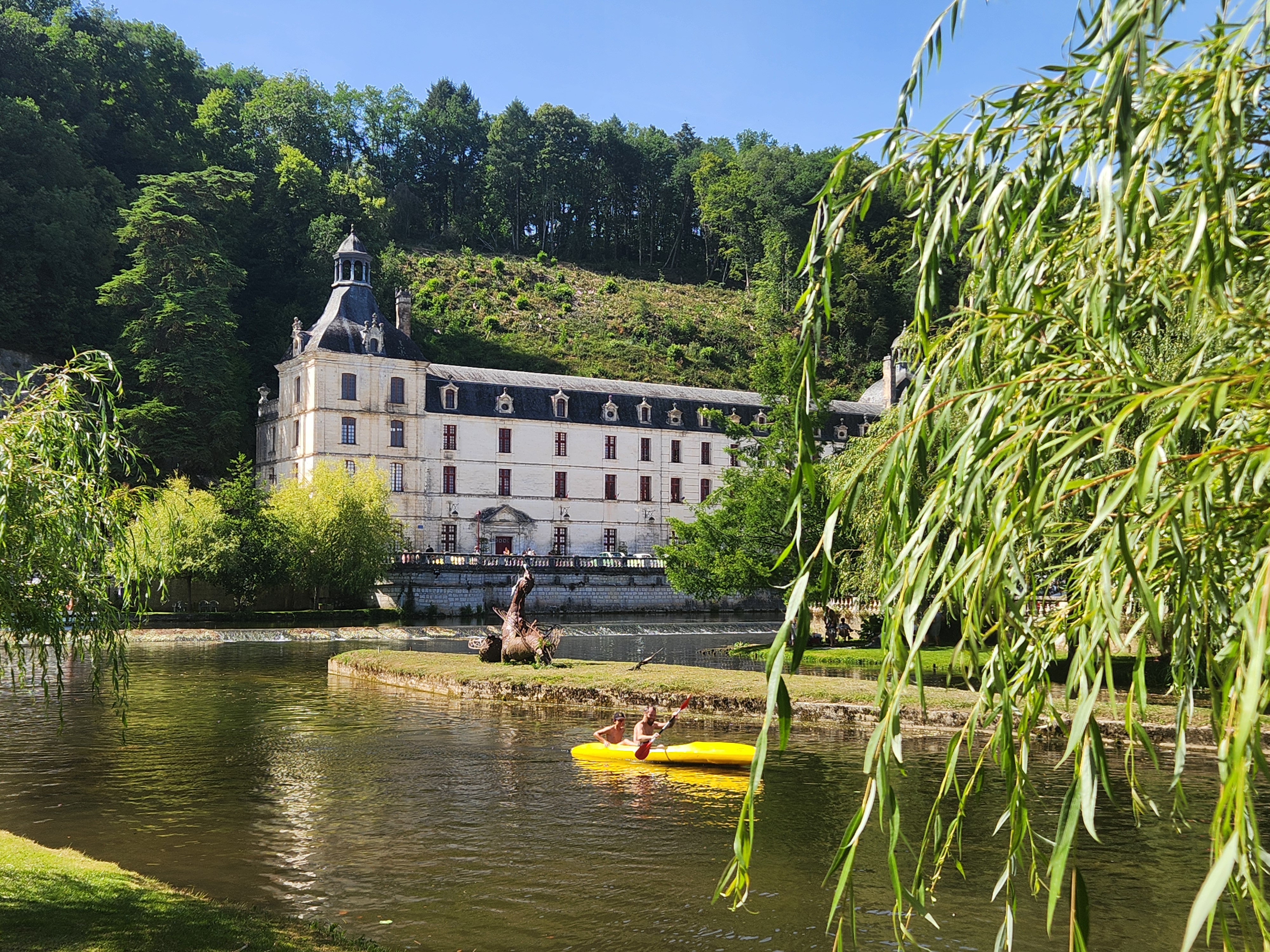
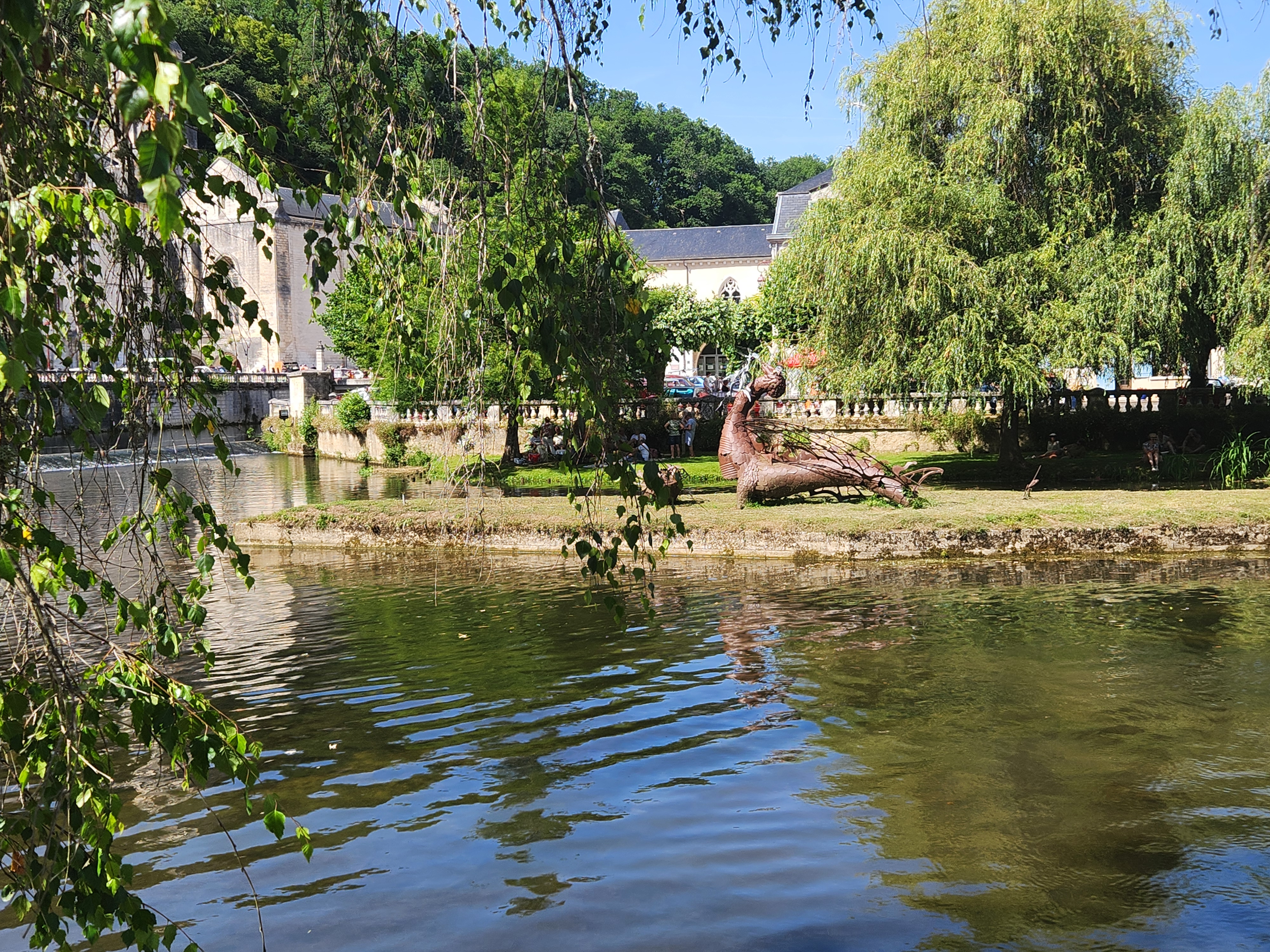
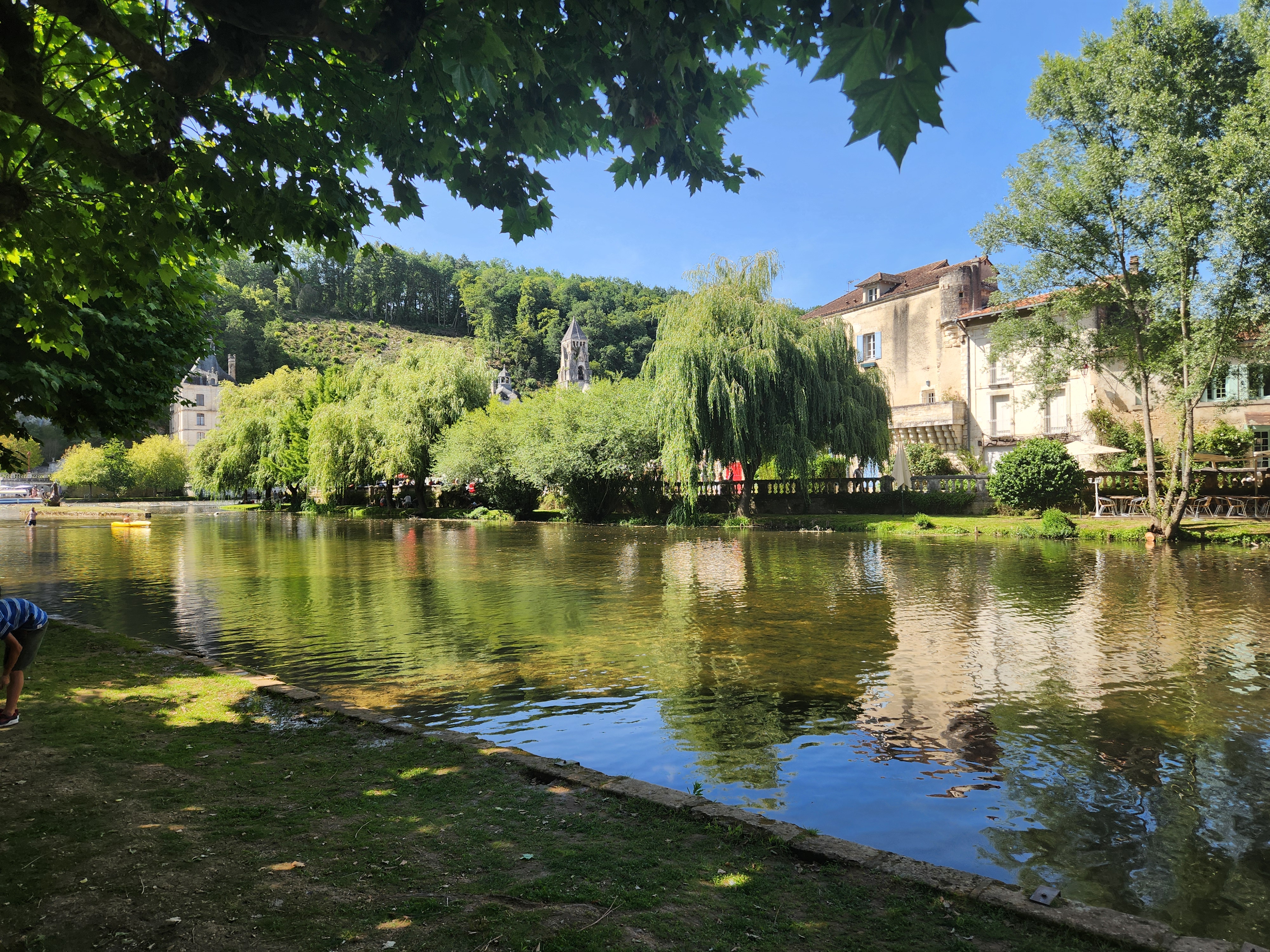
Brantôme was really busy with tourists plus there was a Classic Car meeting on, which added a festival summer vibe!
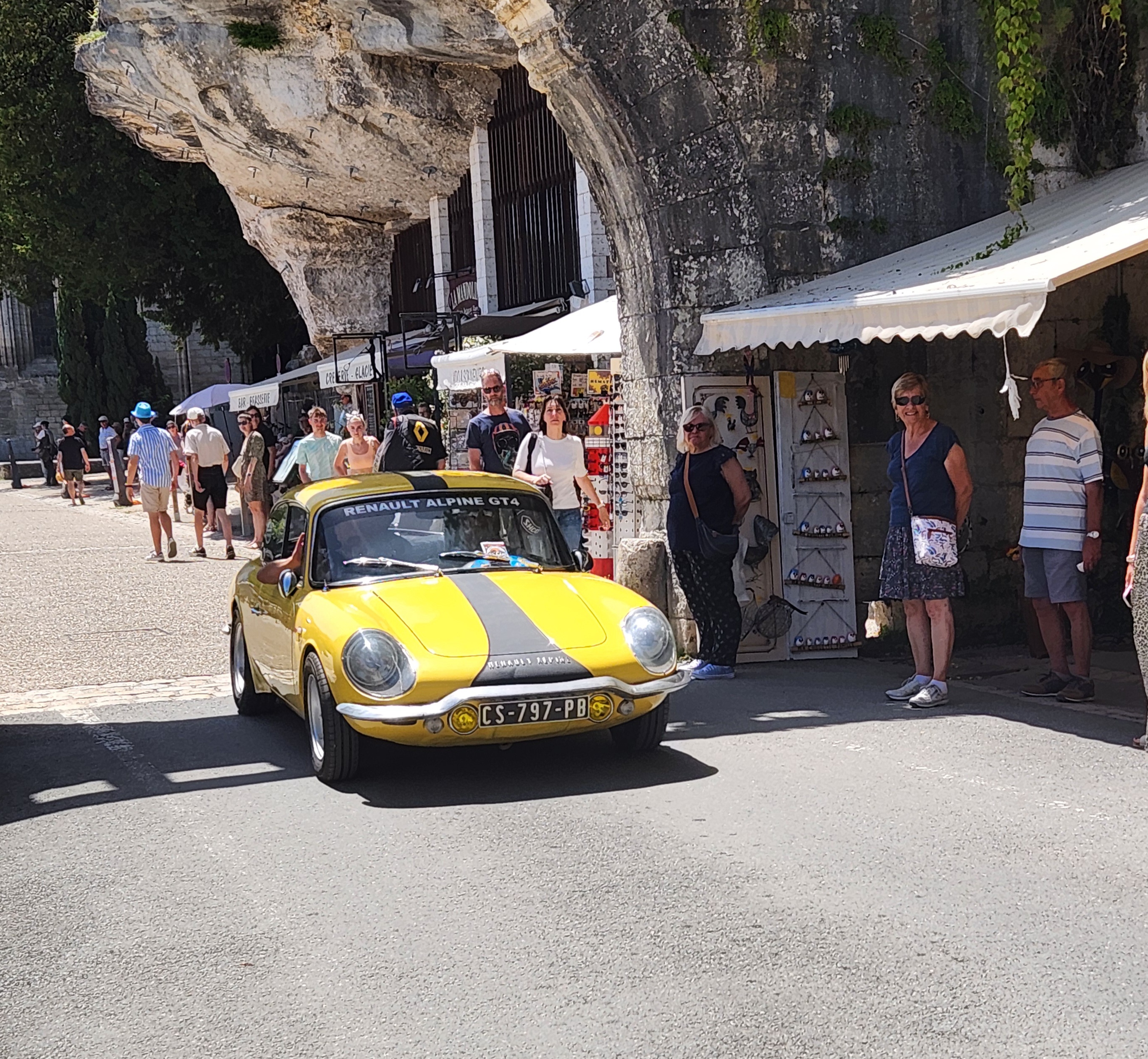
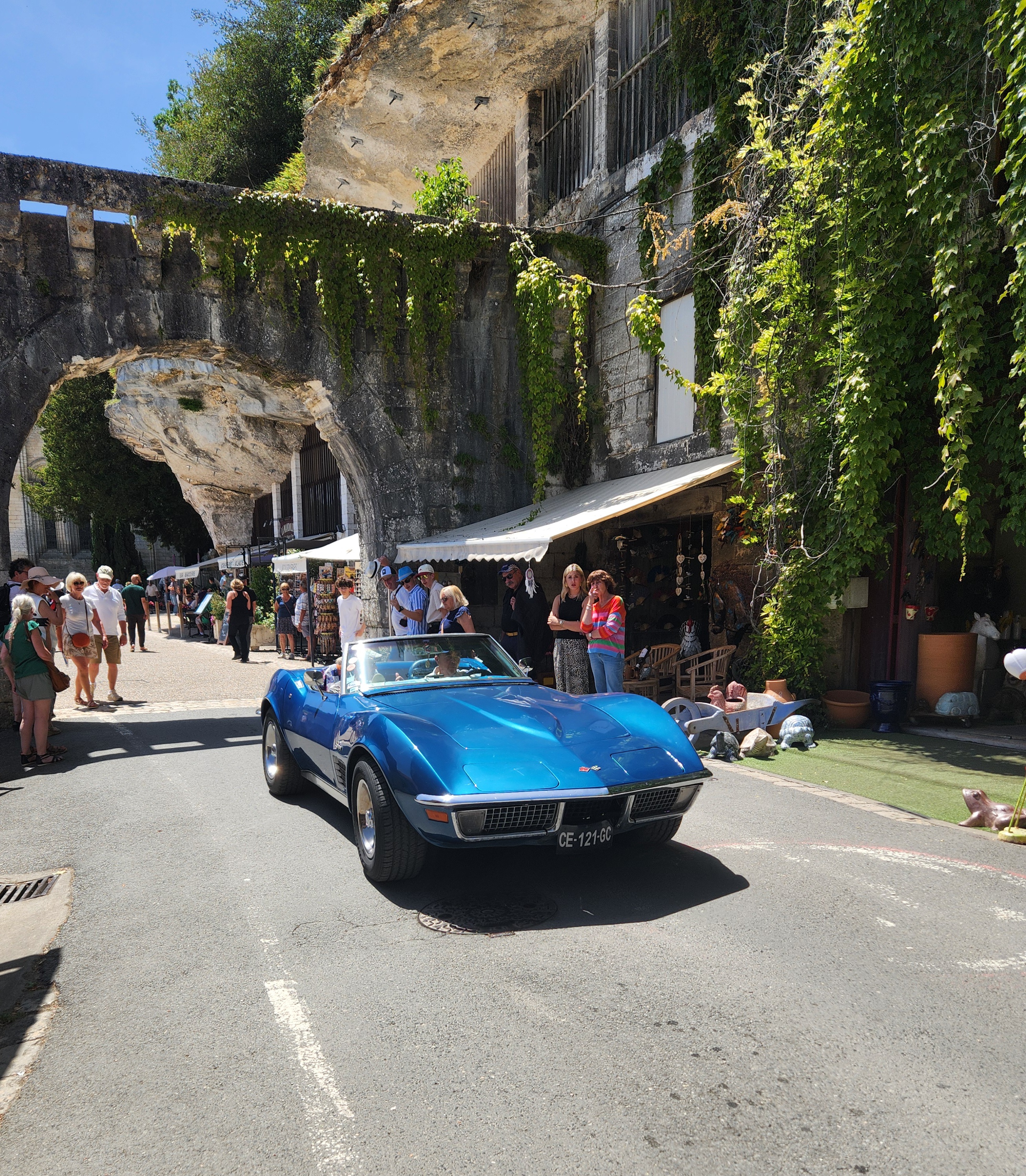
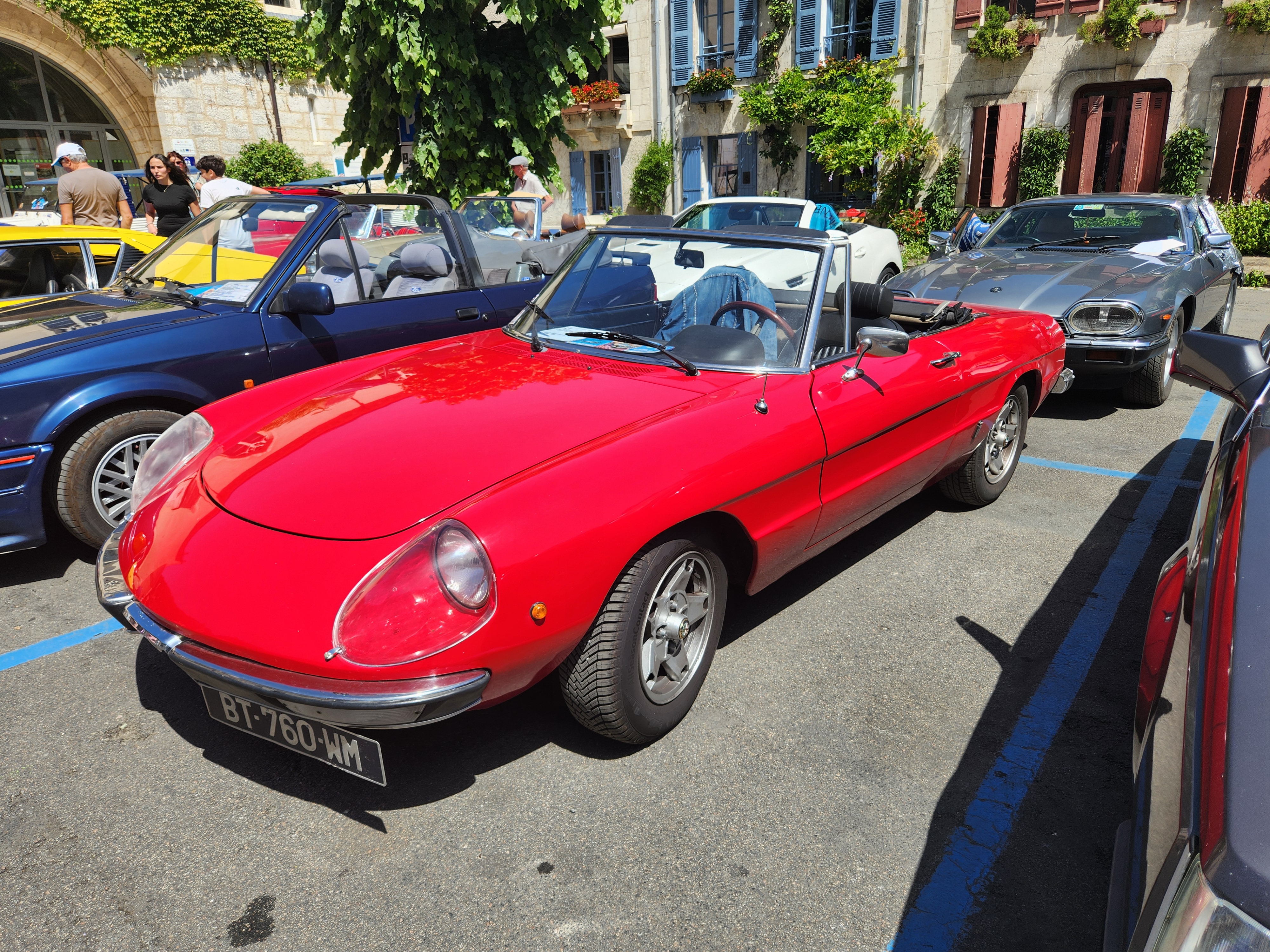
The riverside restaurants were buzzing and plenty of cold drinks were needed in the sunny 33°C. People out in canoes, kids and dogs swimming in the river, just lovely.
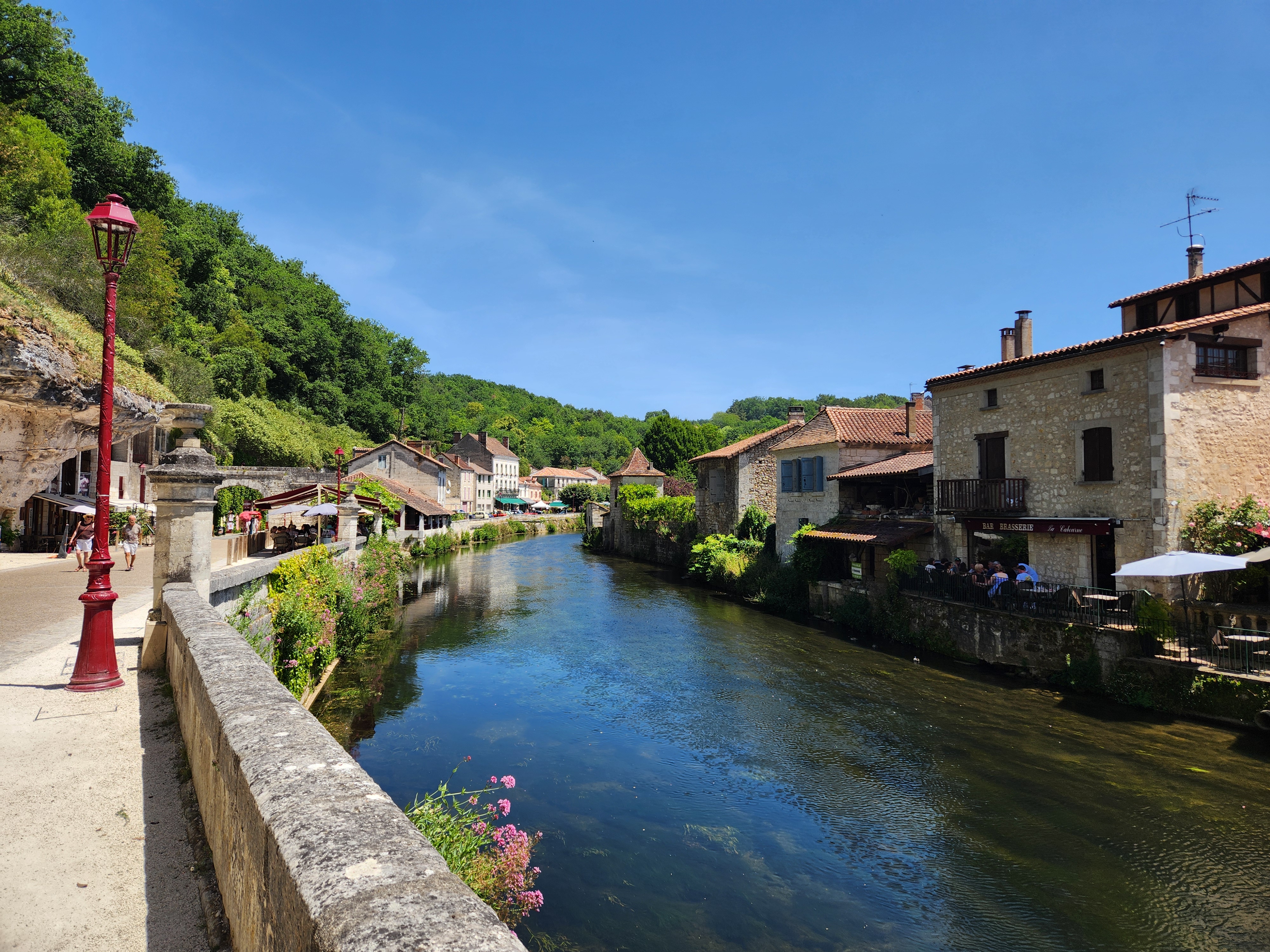
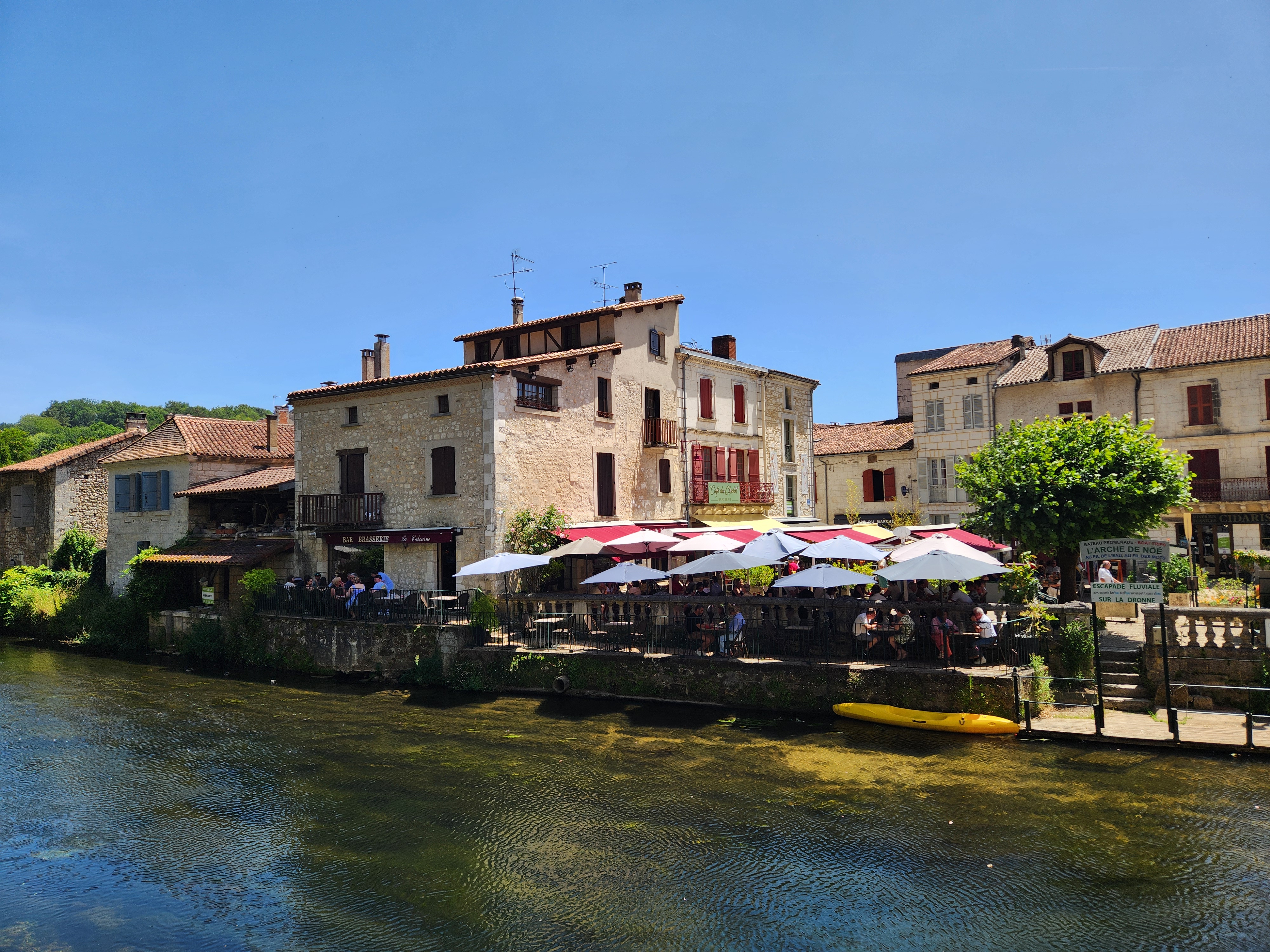
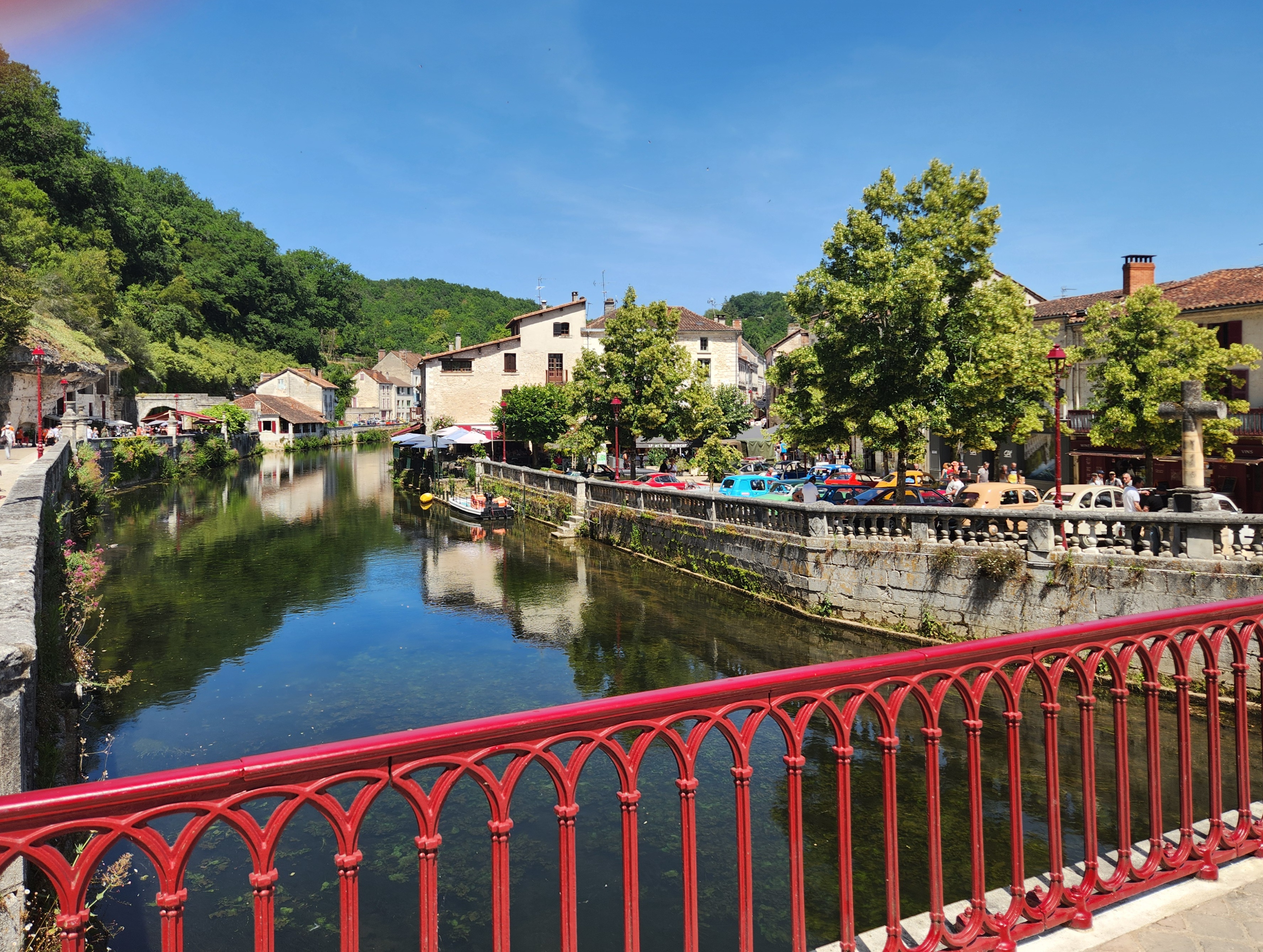
After a leisurely lunch and a wander, it was time for our riverboat trip. We passed by the remains of old rounded tower of the castle attached to the Abbey in the 16th century. On the opposite side the old Millers Ford. There were also the remains of a once planned hotel in the 1930’s. The project was rejected by the historical monuments act.
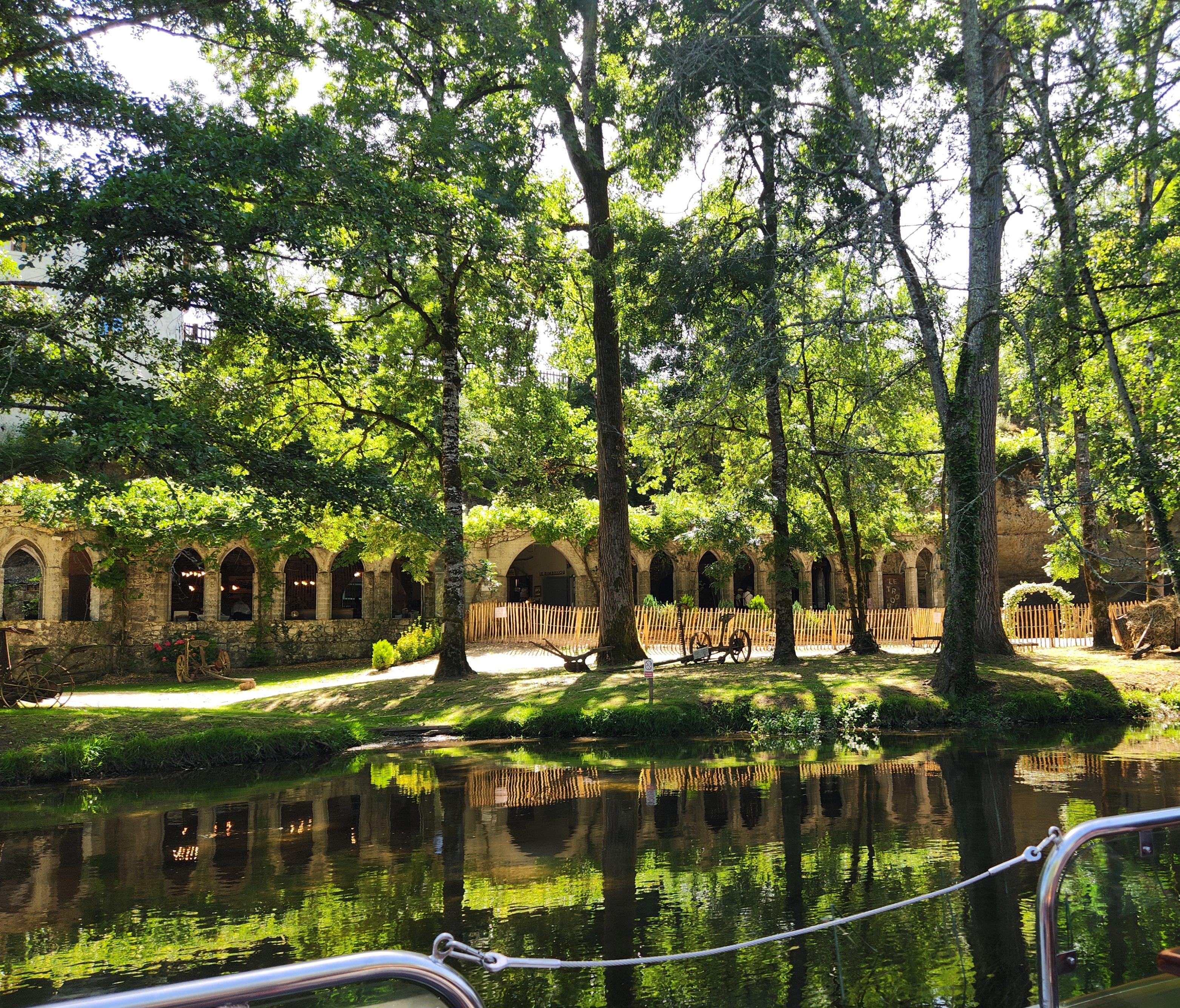
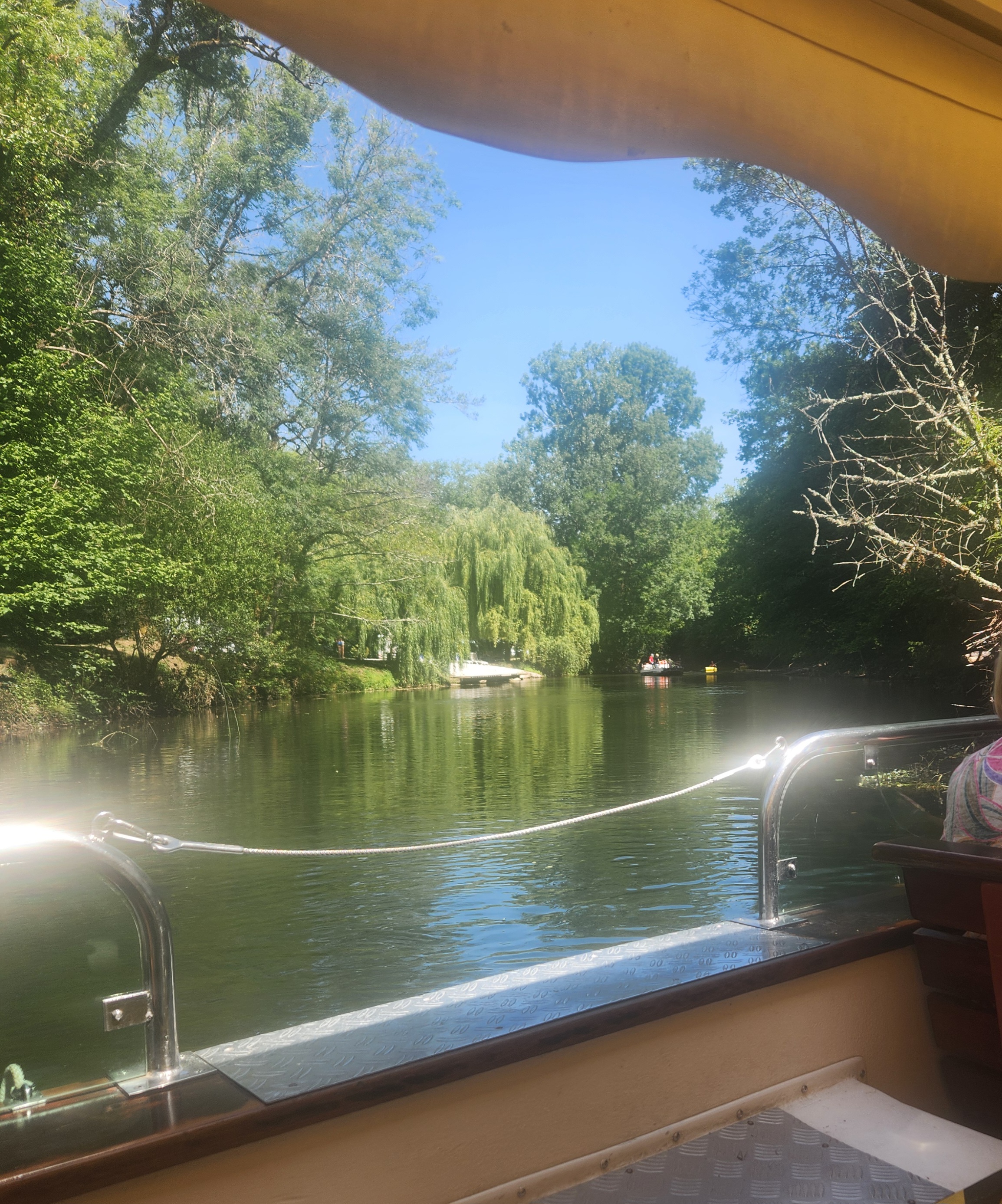
Further along the river it was so peaceful, cool and picturesque. Eighty percent of the watercourse of La Dronne is classified as Natura 2000, which is a network of protected areas across the EU. The water was so clear with apparently an abundance of trout, pike, zander and more. Some migratory birds, herons, moorhens and mallards nest there.
I will definitely re visit Brantôme to enjoy more of the town and I think out of season when it will be quieter.
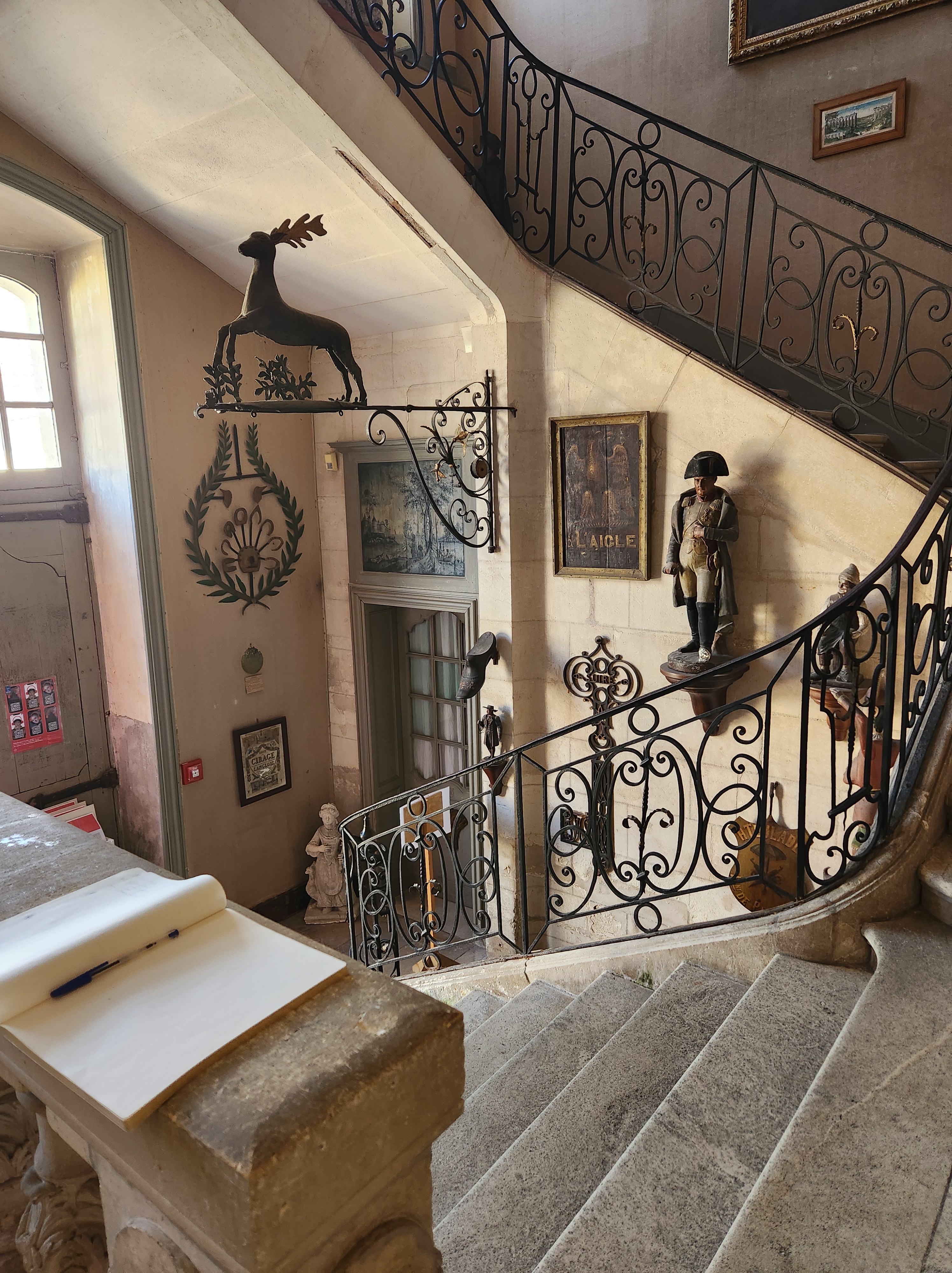
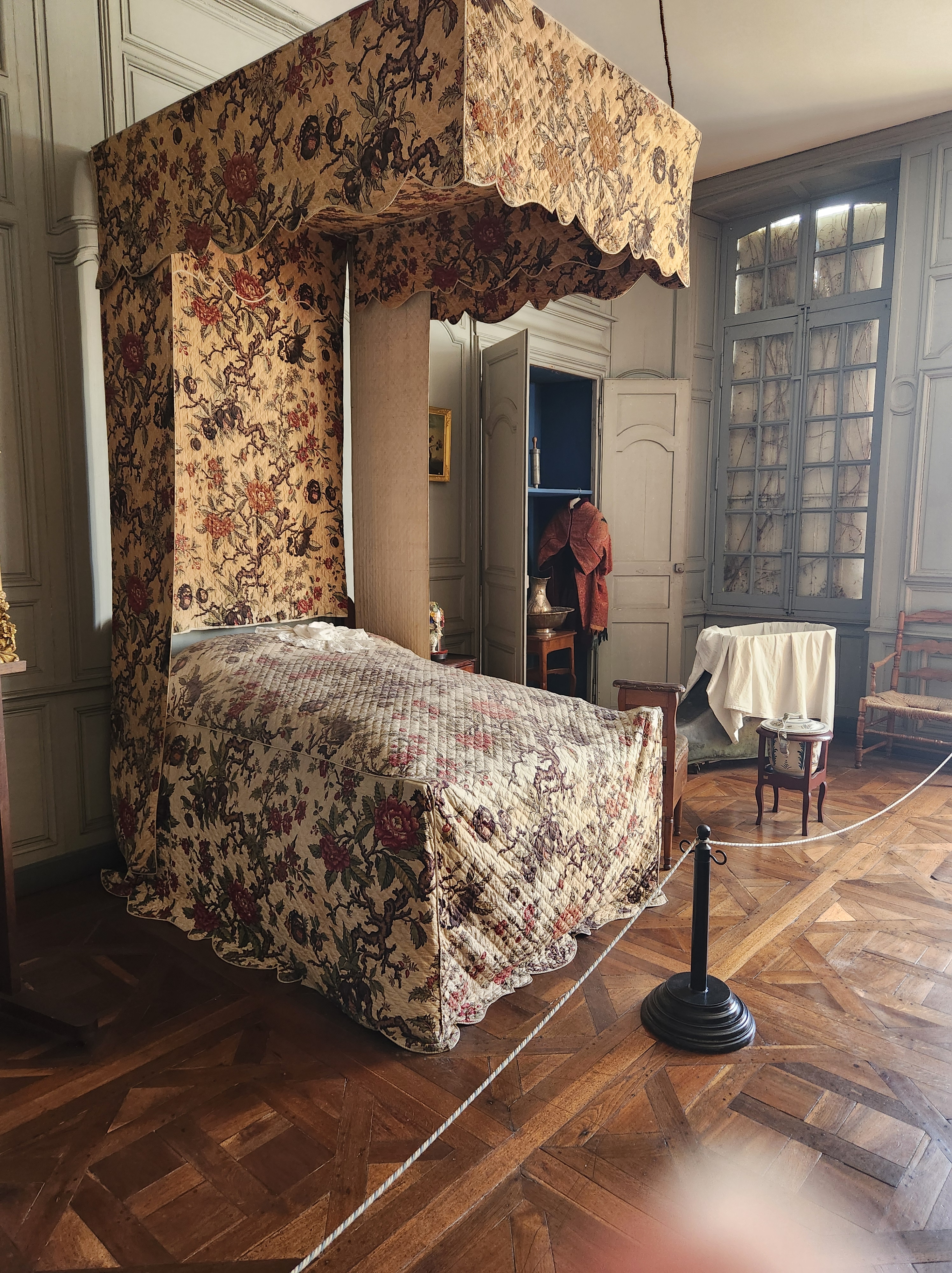
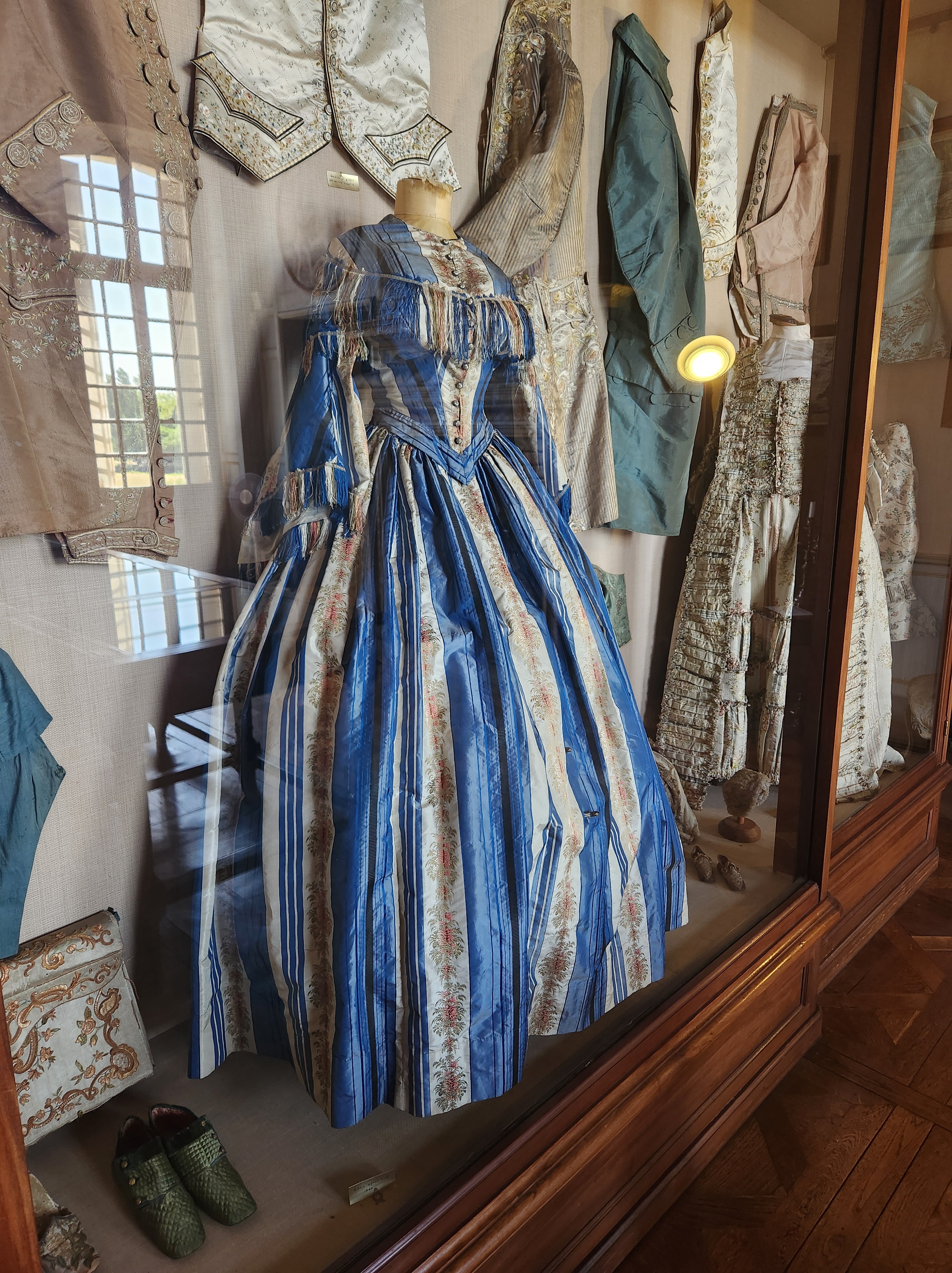
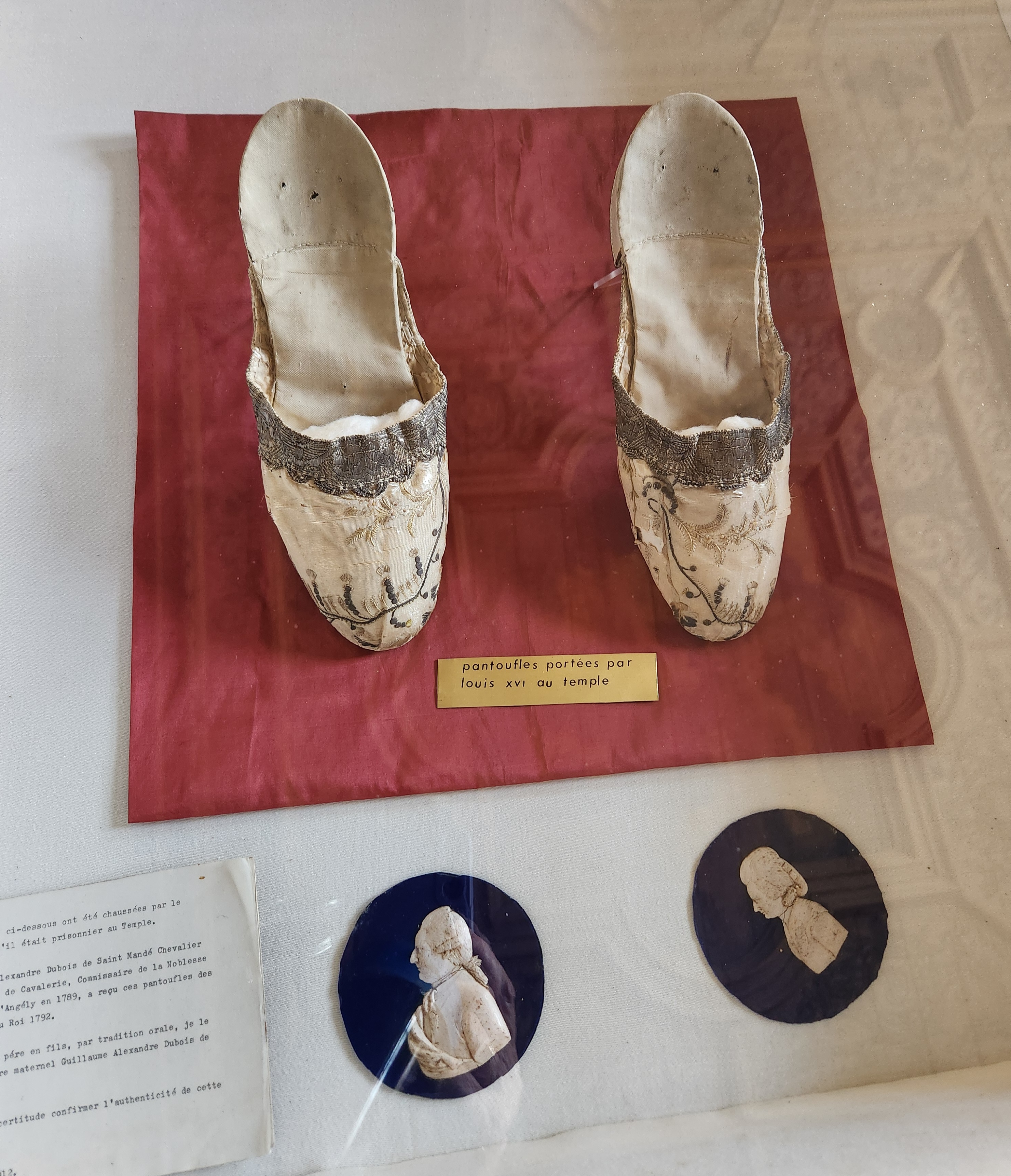
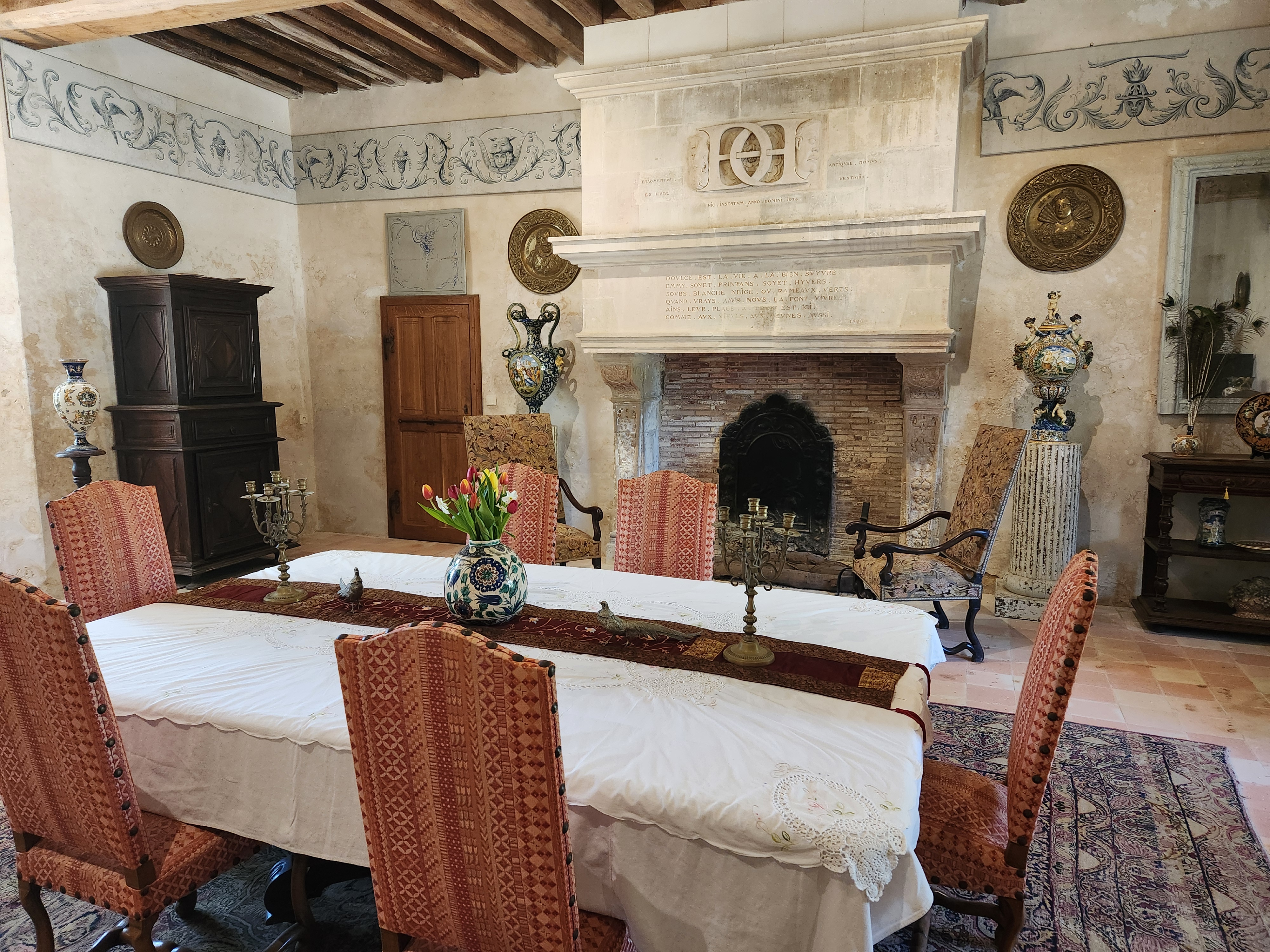
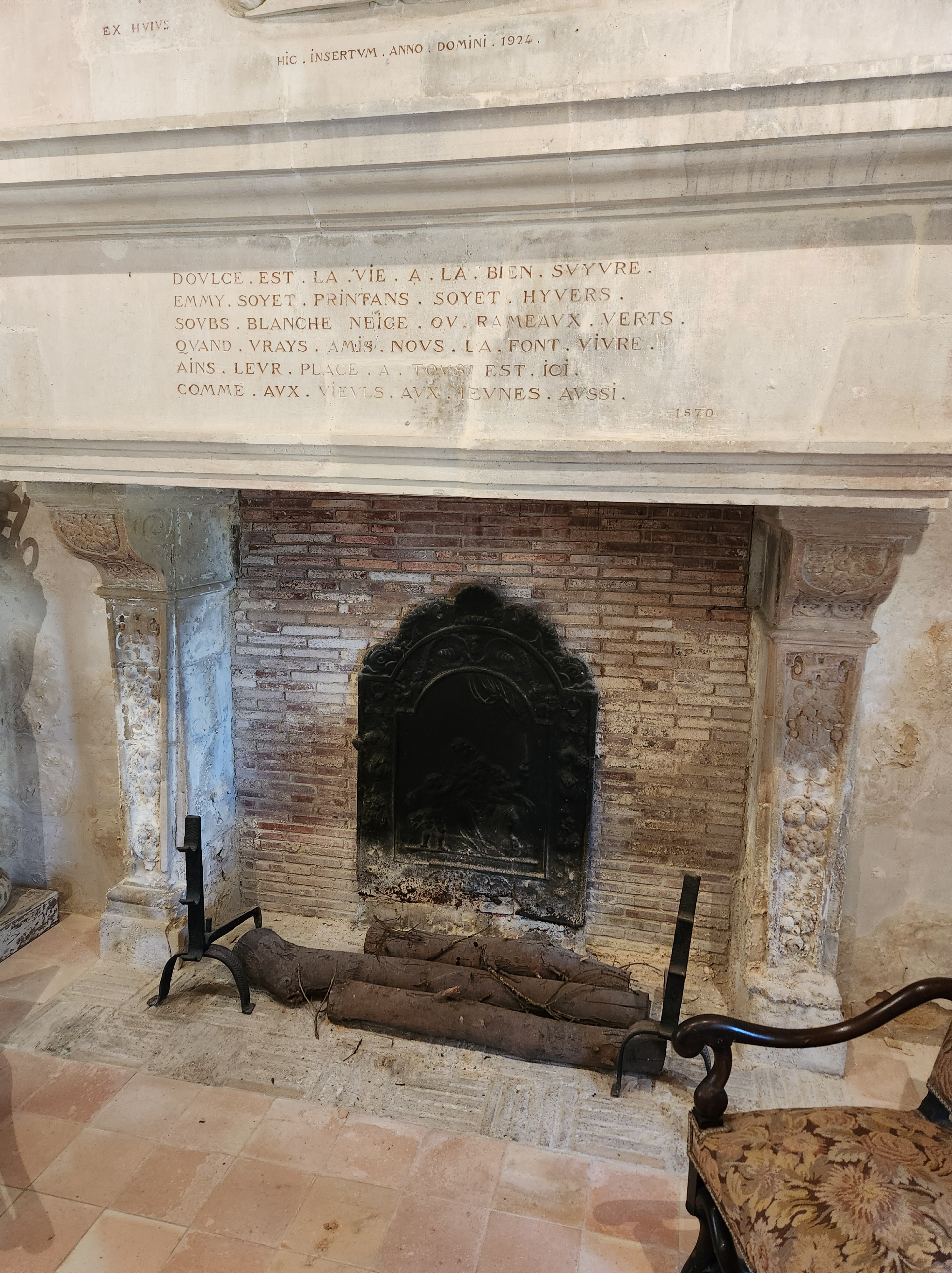
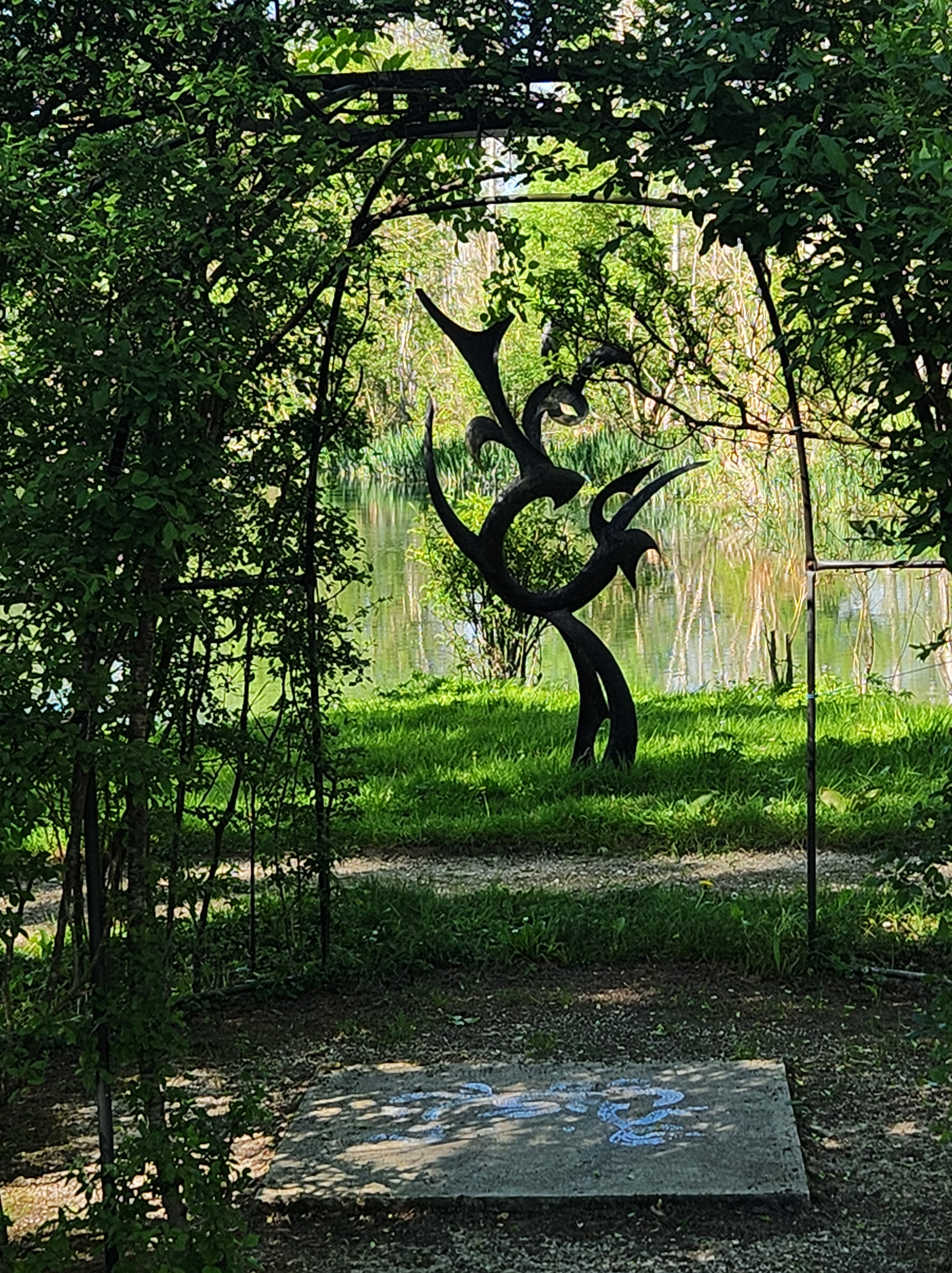
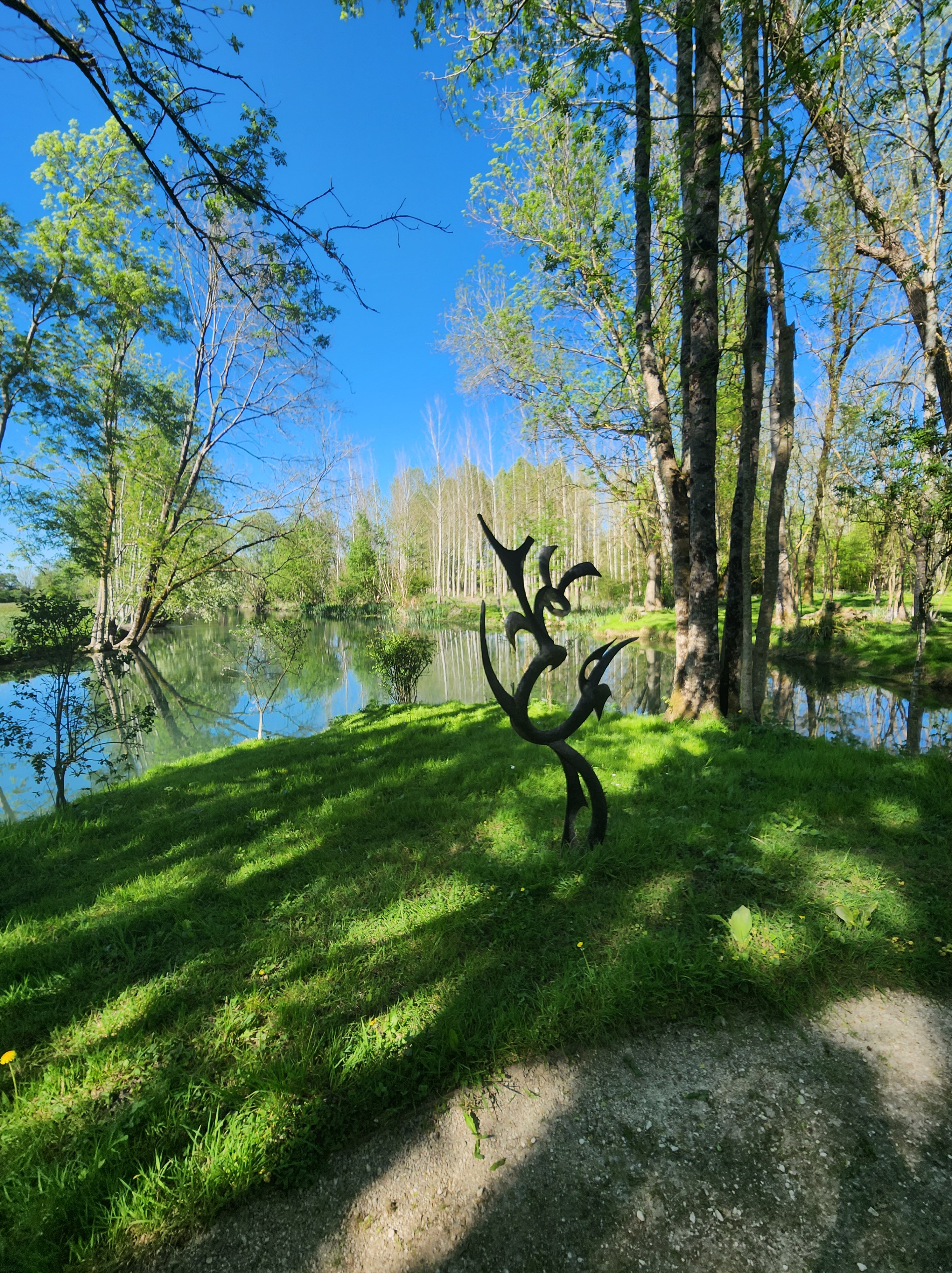
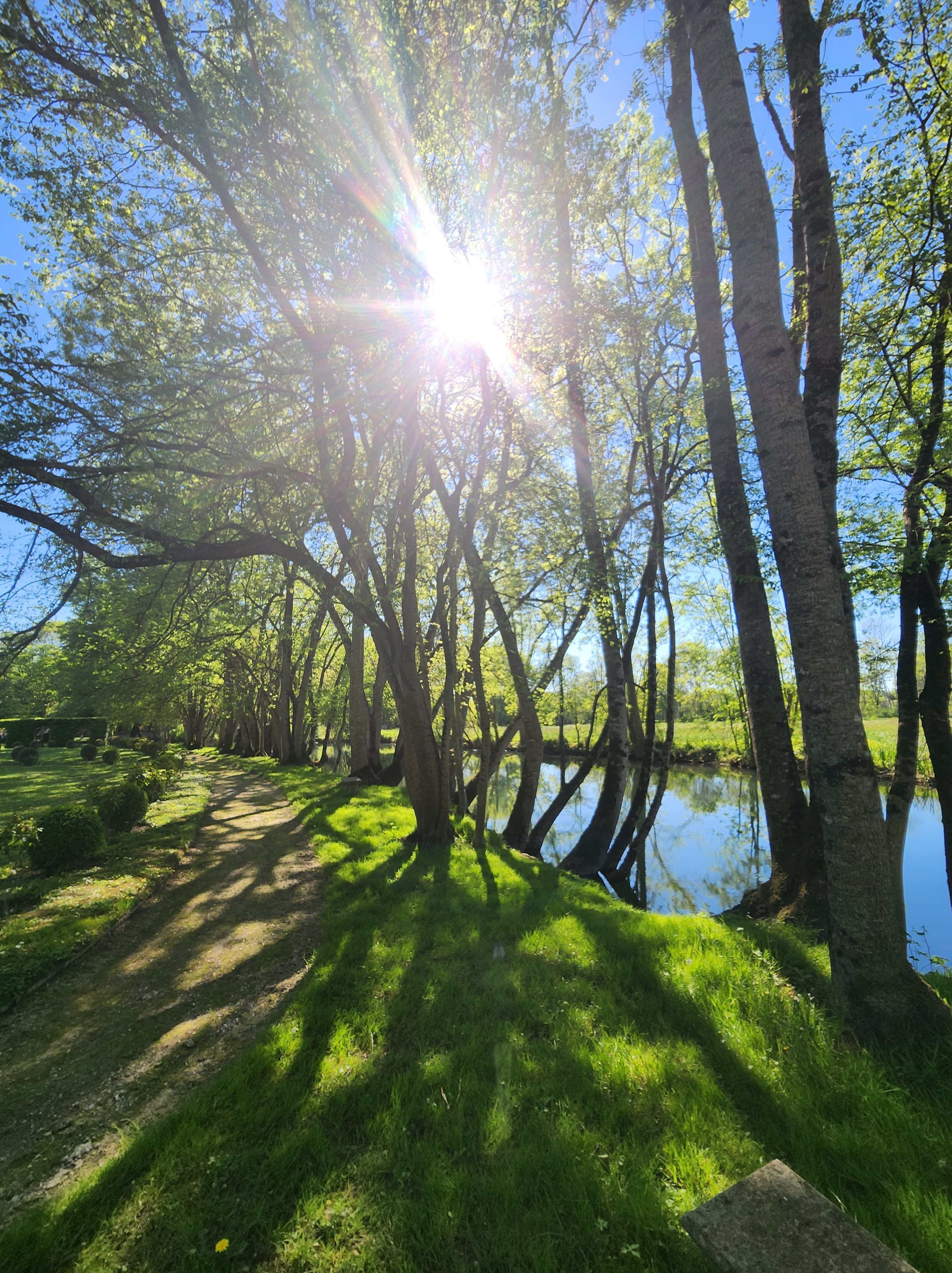
Early in spring, I took an afternoon tour at Château de Dampierre – sur -Boutonne, in the Charente Maritime.
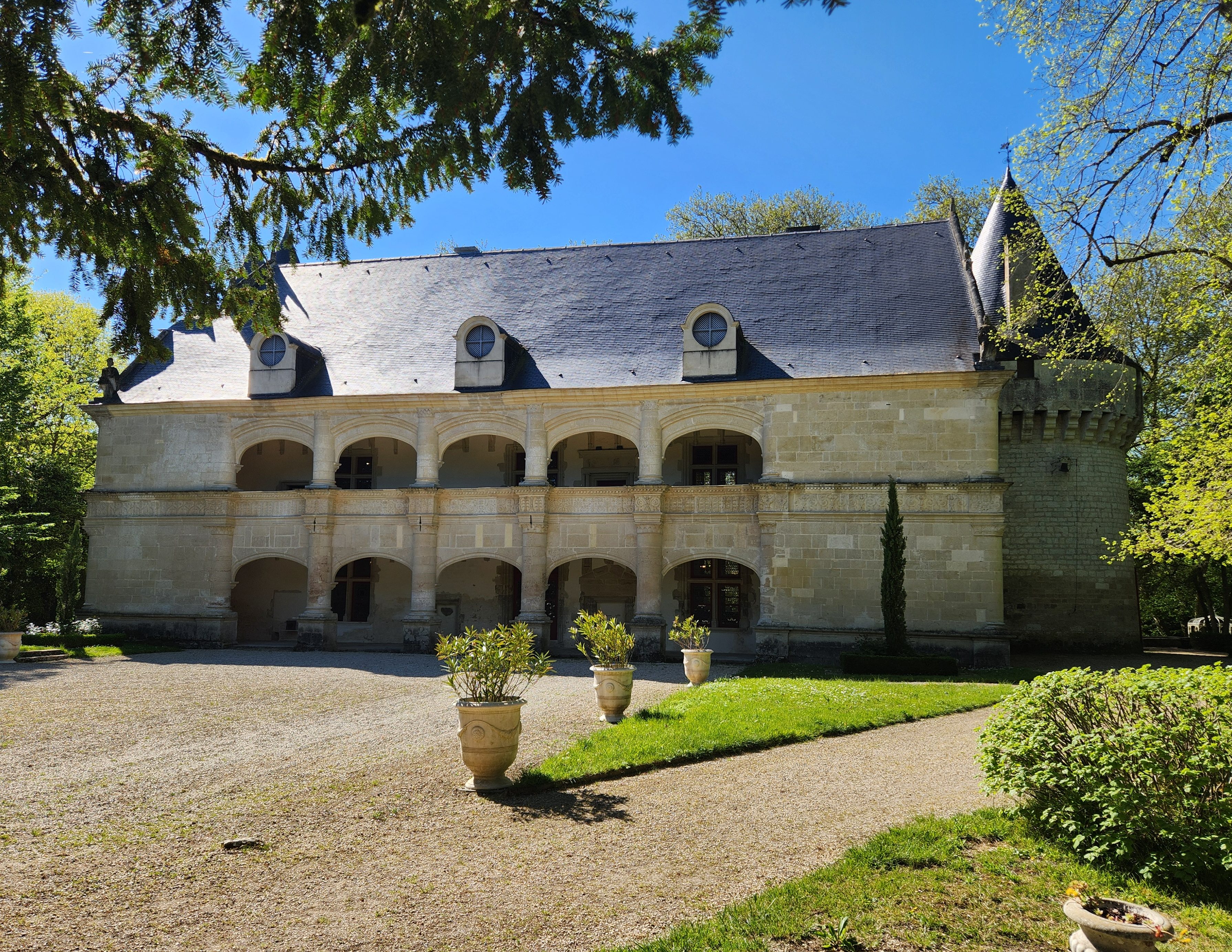
The château has a very rich and long history dating back to 995 when the village church was the château chapel. (Visit the website chateaudampierre.fr) It is an interesting read especially about all the influences with the structure of the château and how it has evolved over centuries.
In 1495, François de Clermont returned from Italy and was so impressed with the art of the Renaissance he decided to abandon his old fortified château and build on the site of a former priory of the Knights Templar (south tower), a residence in the style of Italian palaces. This is the origin of the current château located on the two islands surrounded by the water of the Boutonne, the main tributary of the Charente.
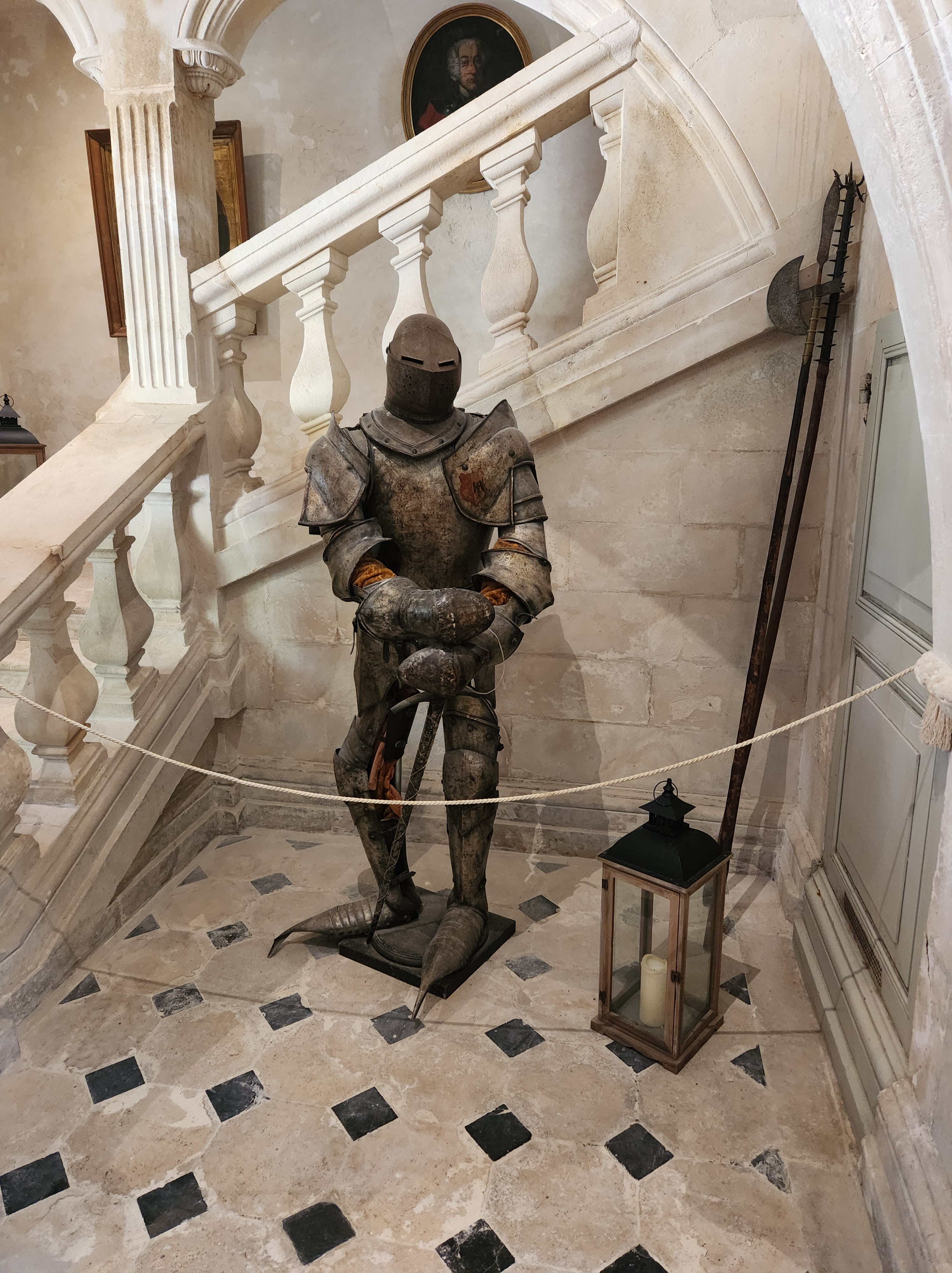
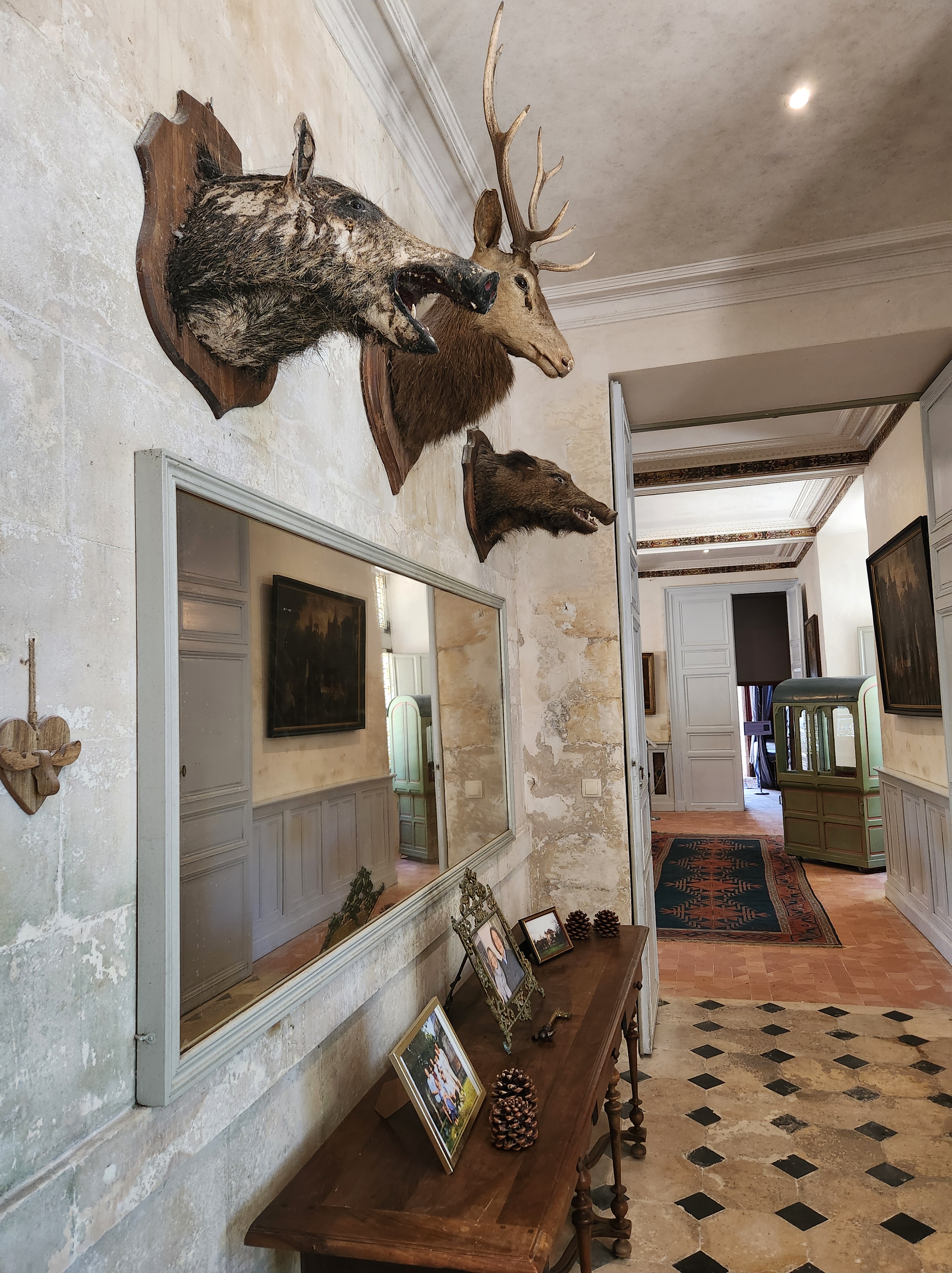
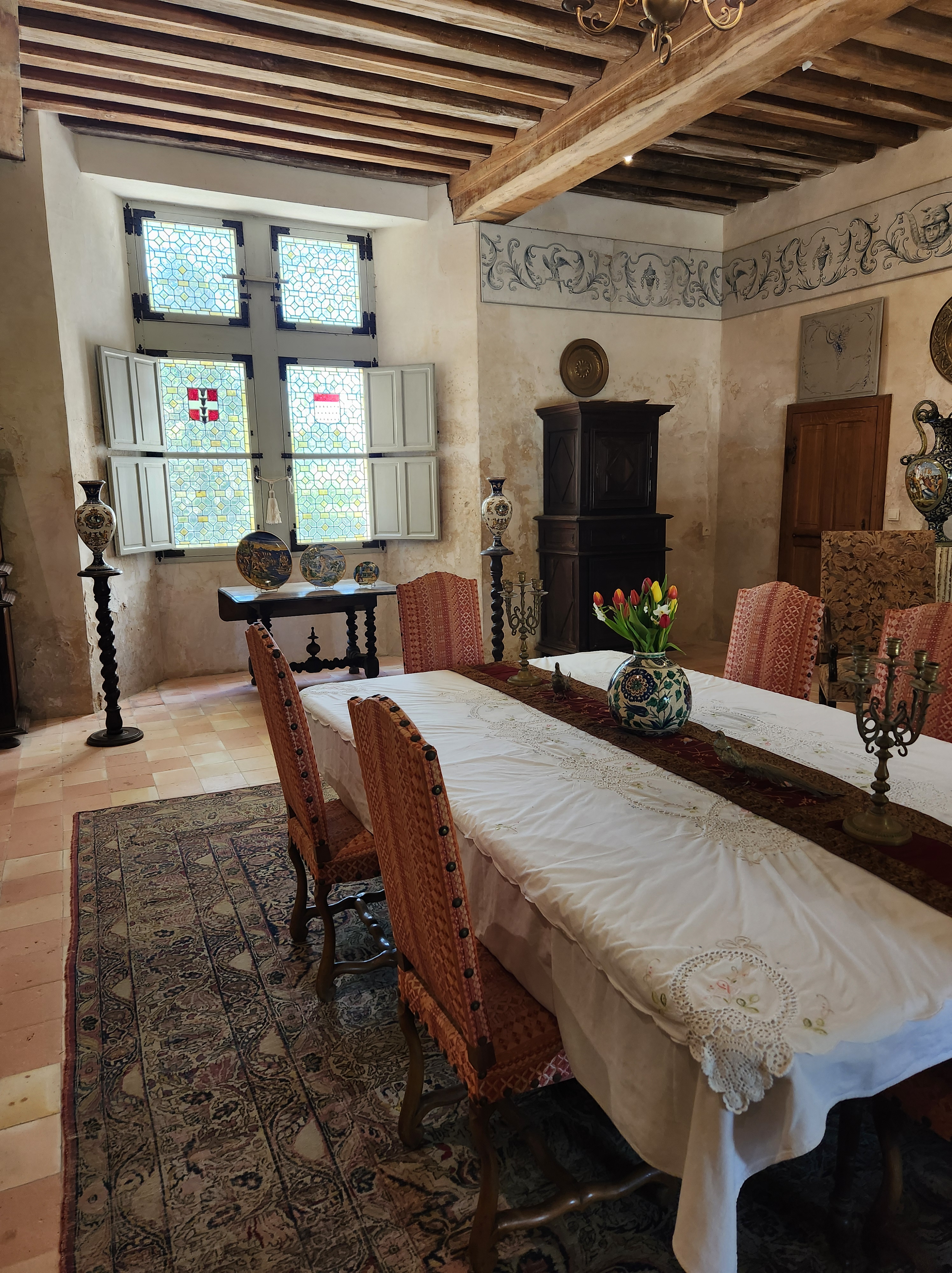
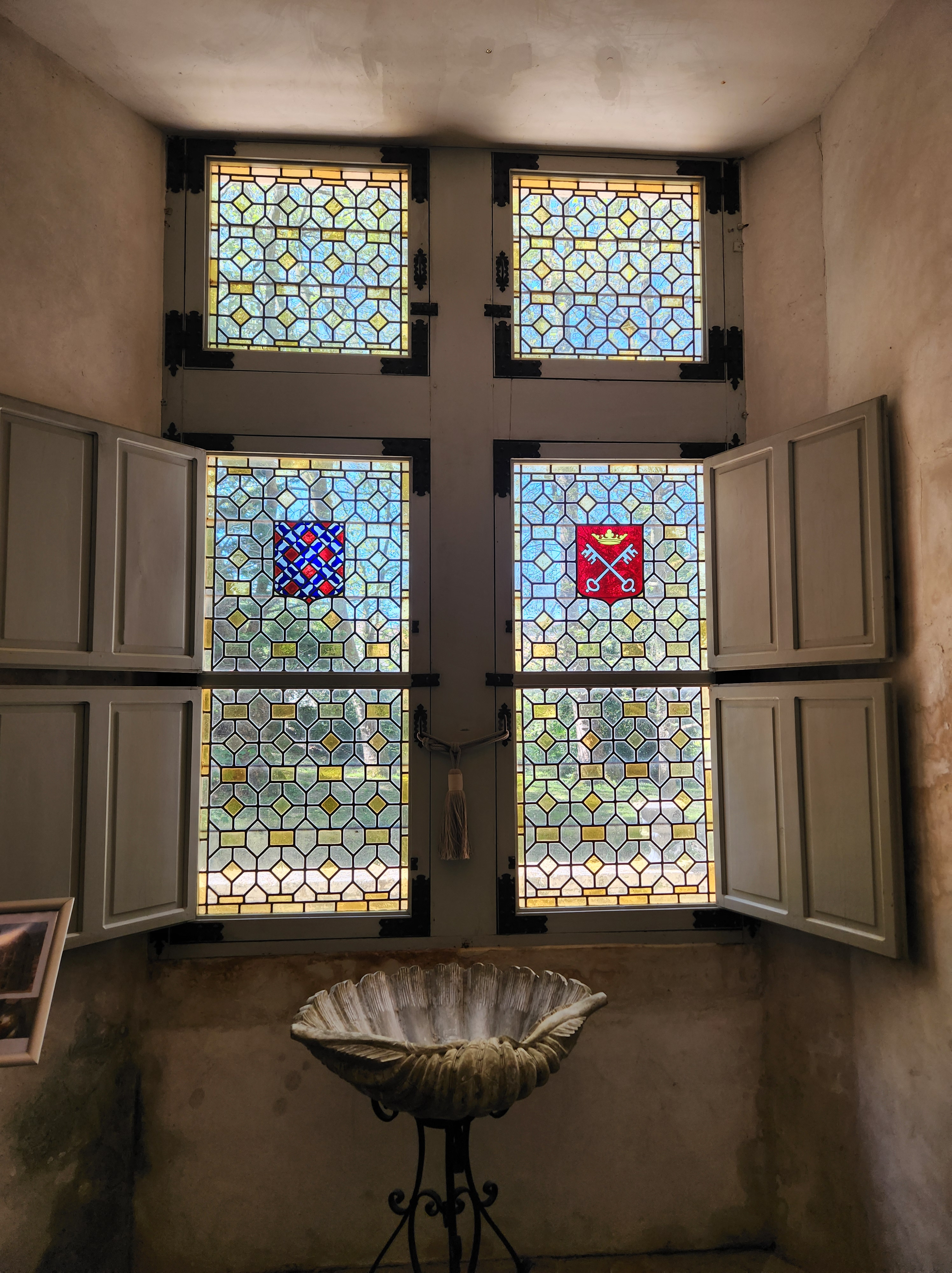
There is a Renaissance poem inscribed on the façade of the castle
Si tu viens partager notre lumiere blonde, salut!
Mais si tu veux la partager longtemps,
Ne viens qu’avec ton coeur,
N’emporte rien du monde
Et ne raconte pas ce que disent les gens.
Translated…
If you come to share our blonde light, hello!
But if you want to share it for a long time,
come only with your heart,
takes nothing of the world,
and don’t tell what people say.
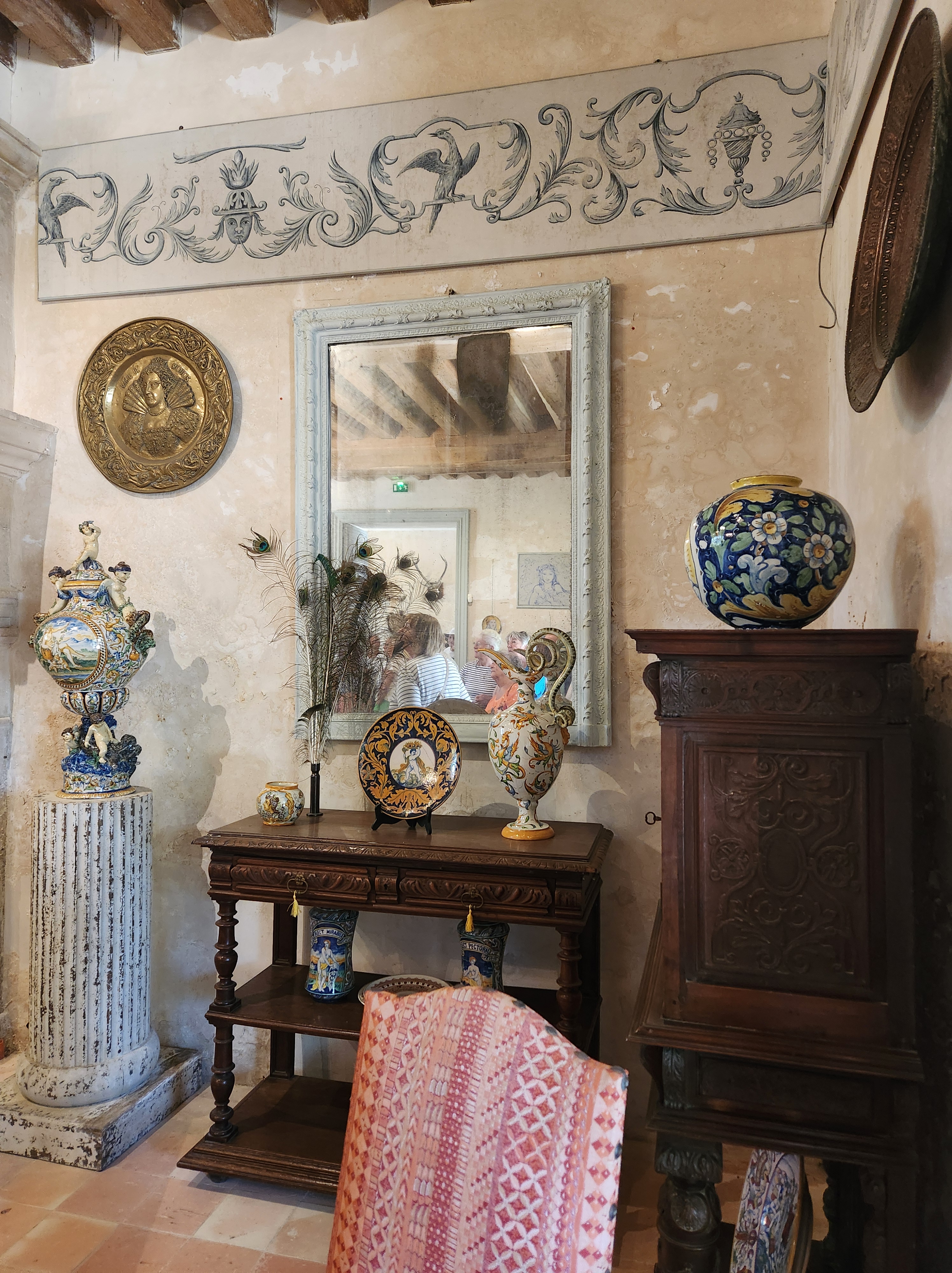
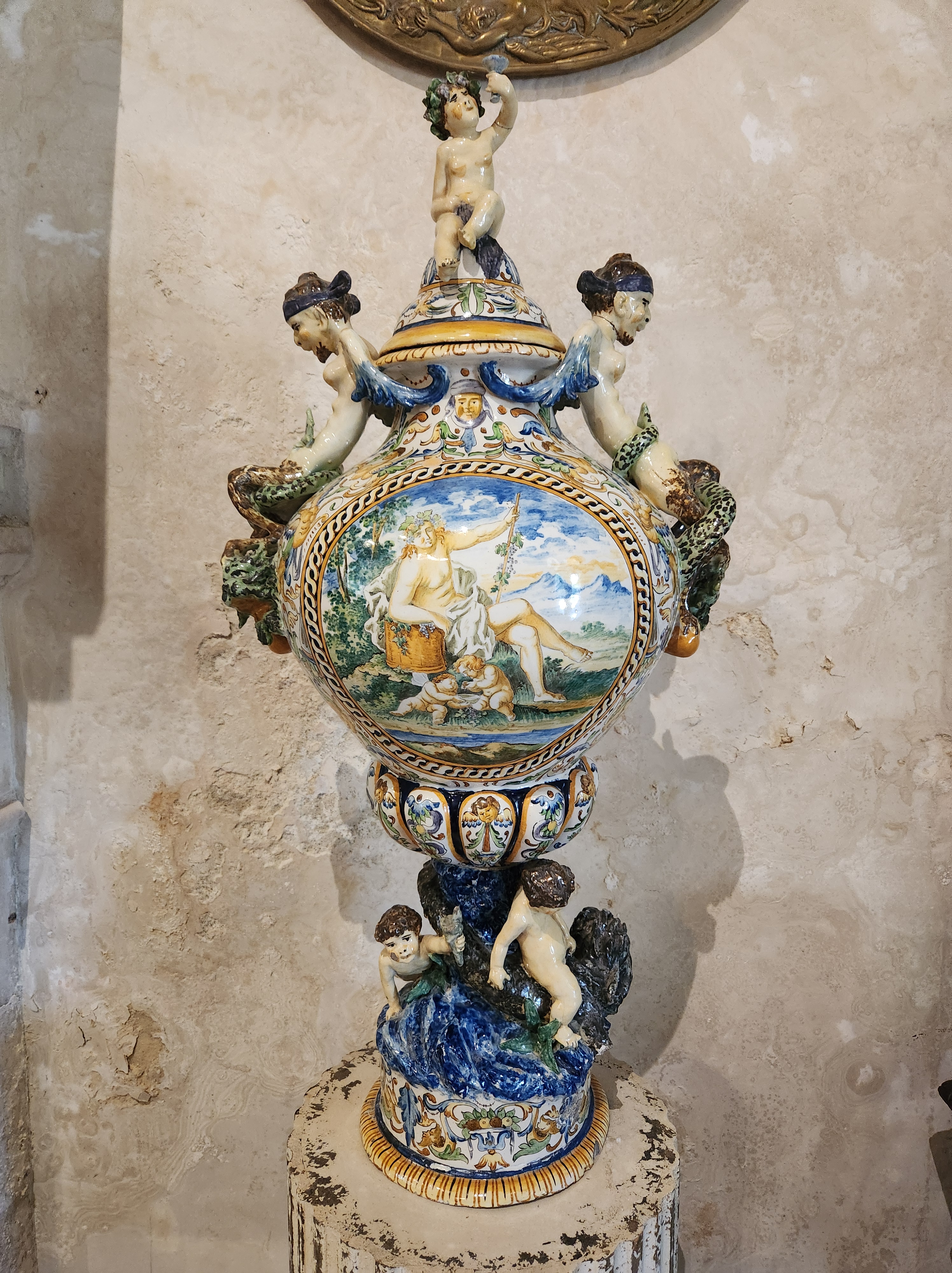
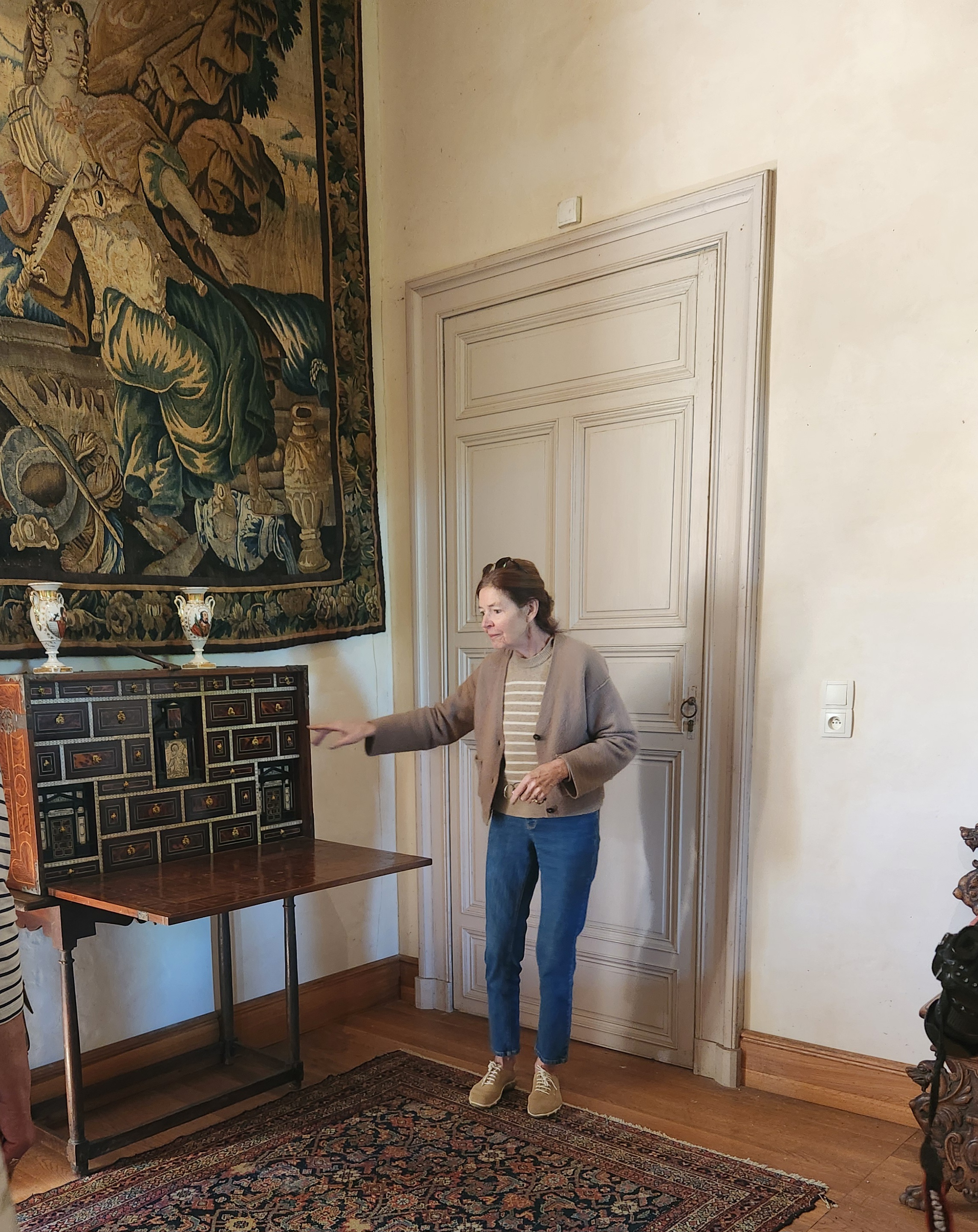
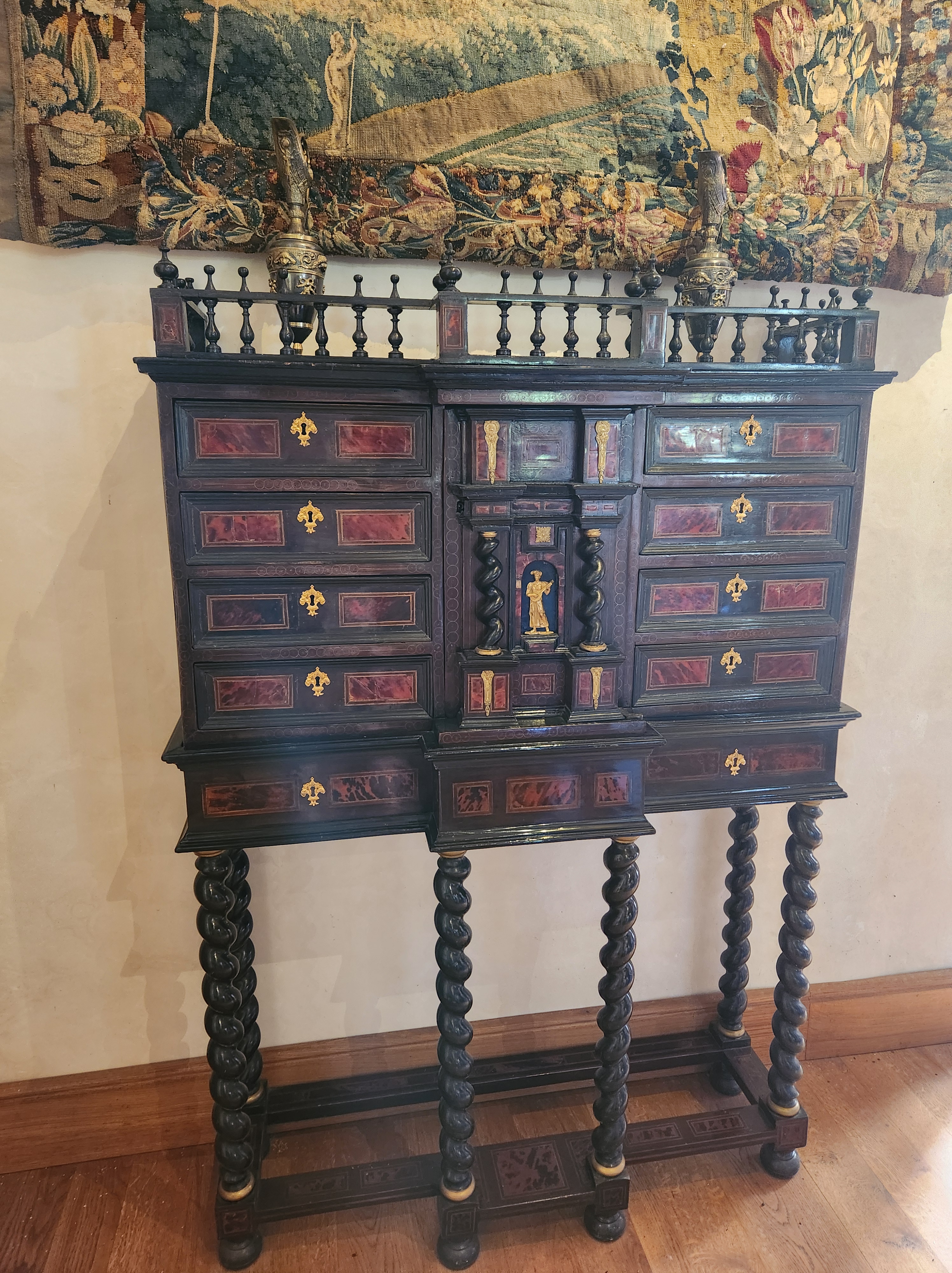
The rooms were decorated beautifully but with the age and fragility of some of the pieces of furniture, it was requested no photos/flash lights.
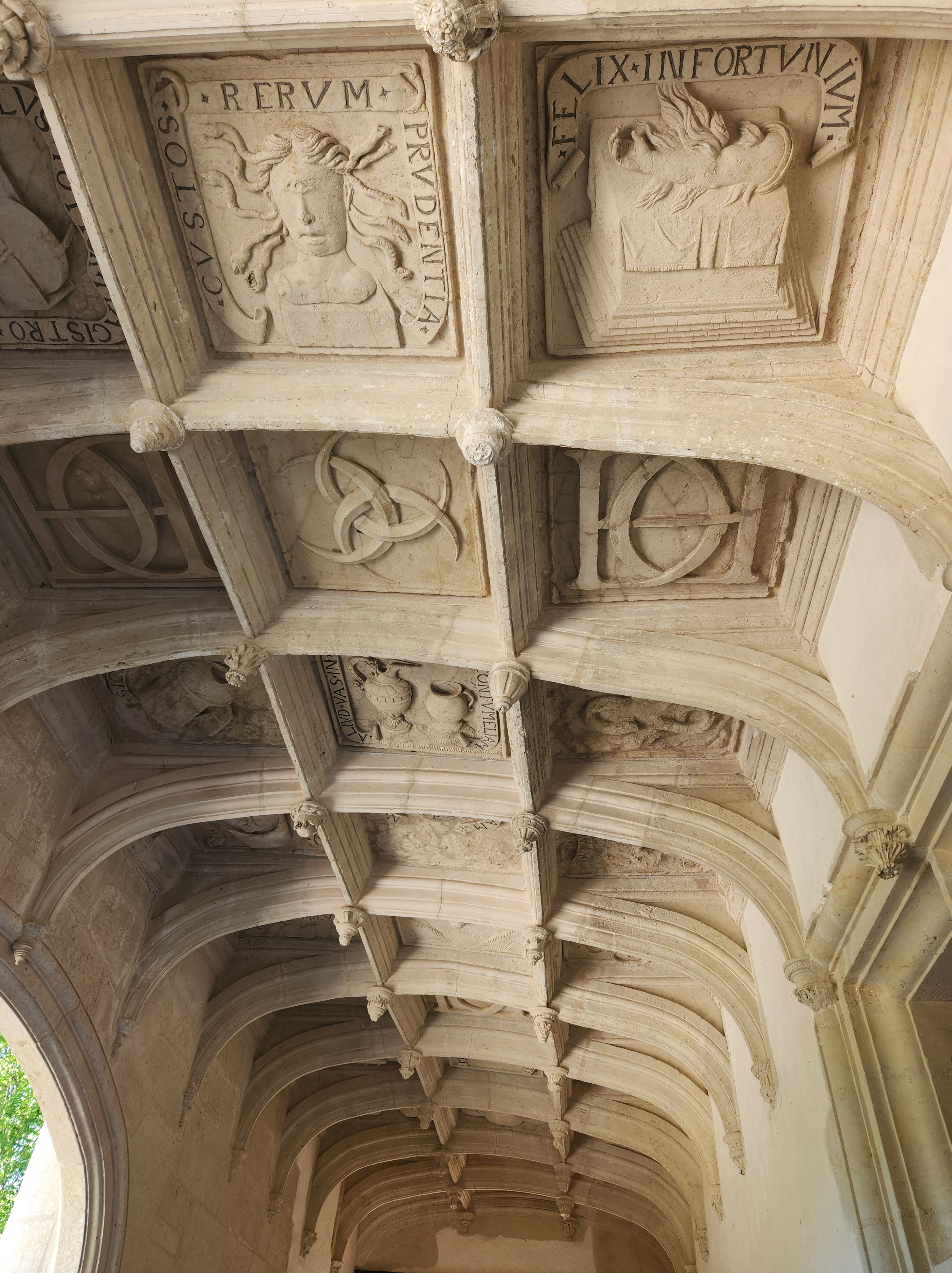
Further down in the generations of owners, Jeanne de Vivonne, who married Claude de Clermont, had the double gallery (1545-1550) added with its renowned ribbed vault of sunken panels with emblematic and alchemical emblems
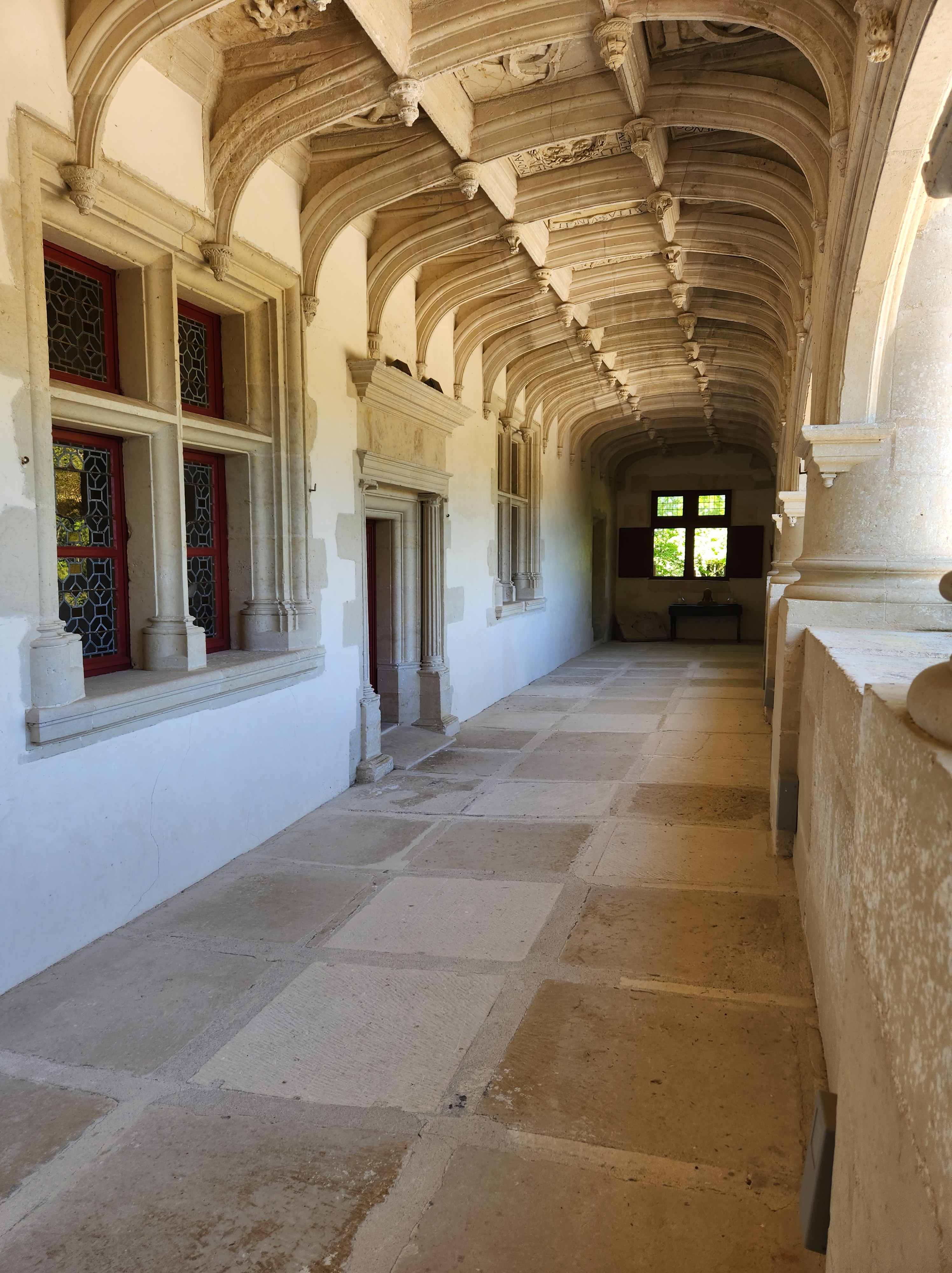
The current owners are Danièle-Anne Grunhertz and Alain Pfister, since 2017. They continue the work started by the Hédelins plus huge restoration work following a devastating fire in 2002.
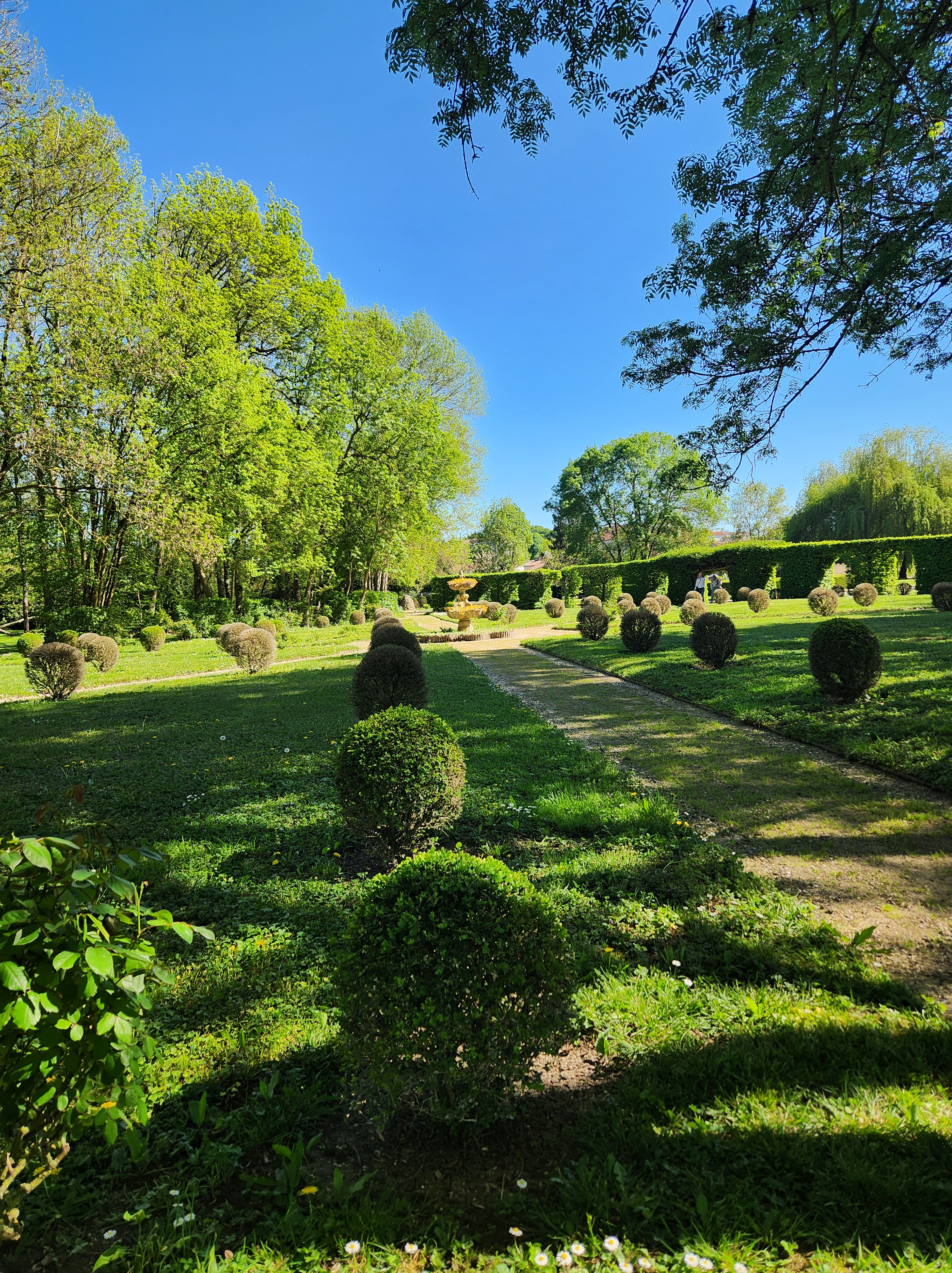
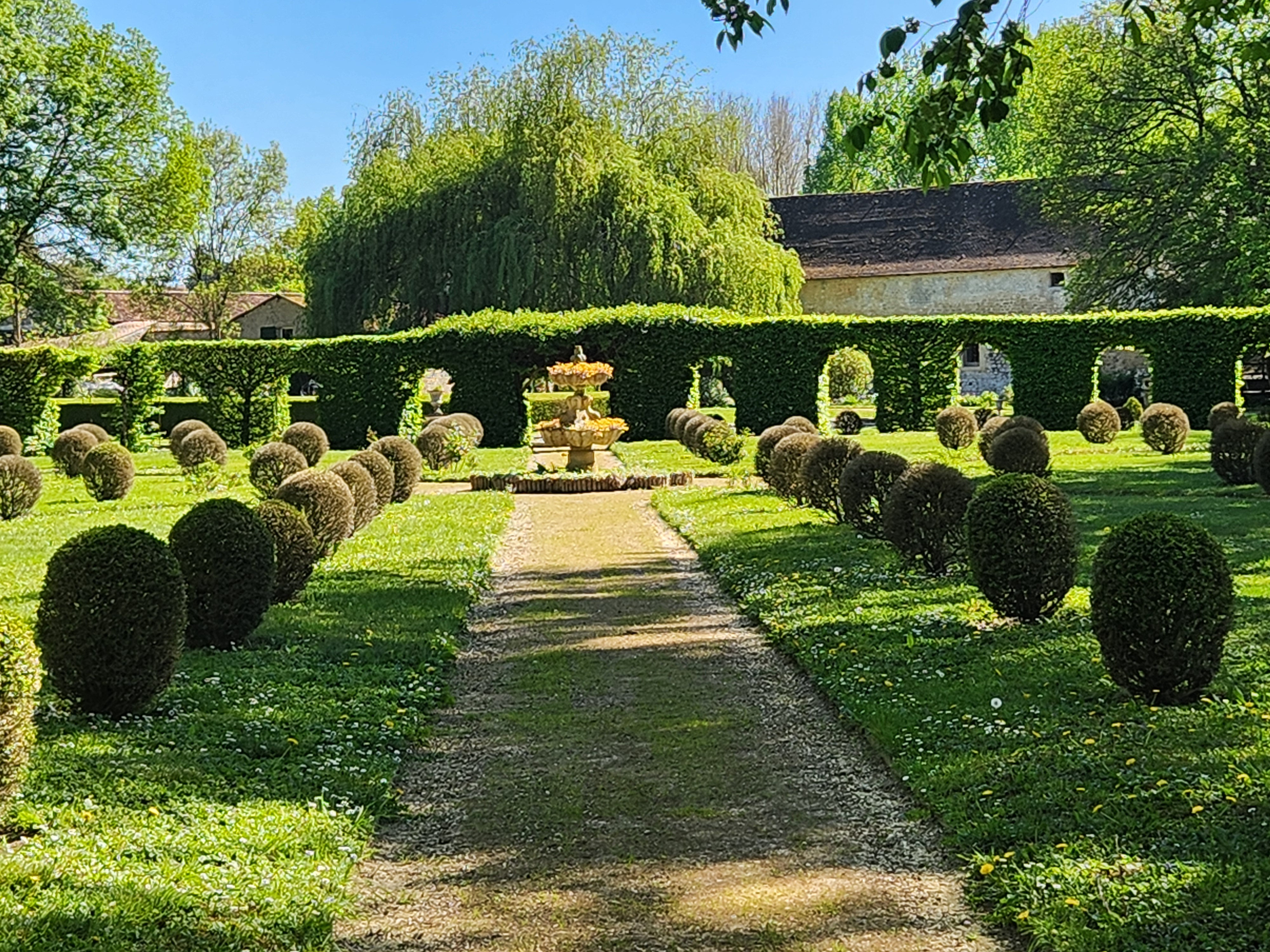
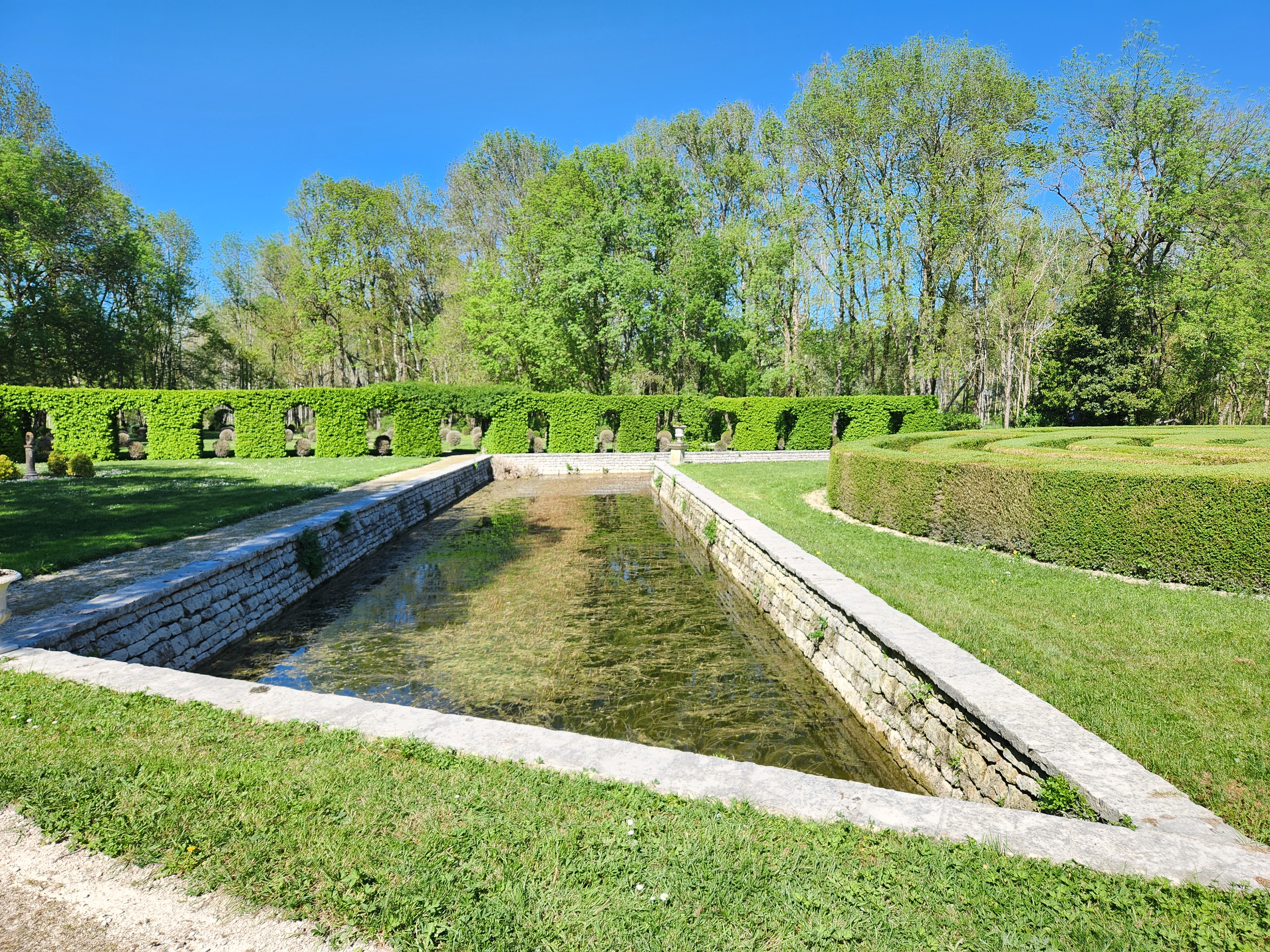
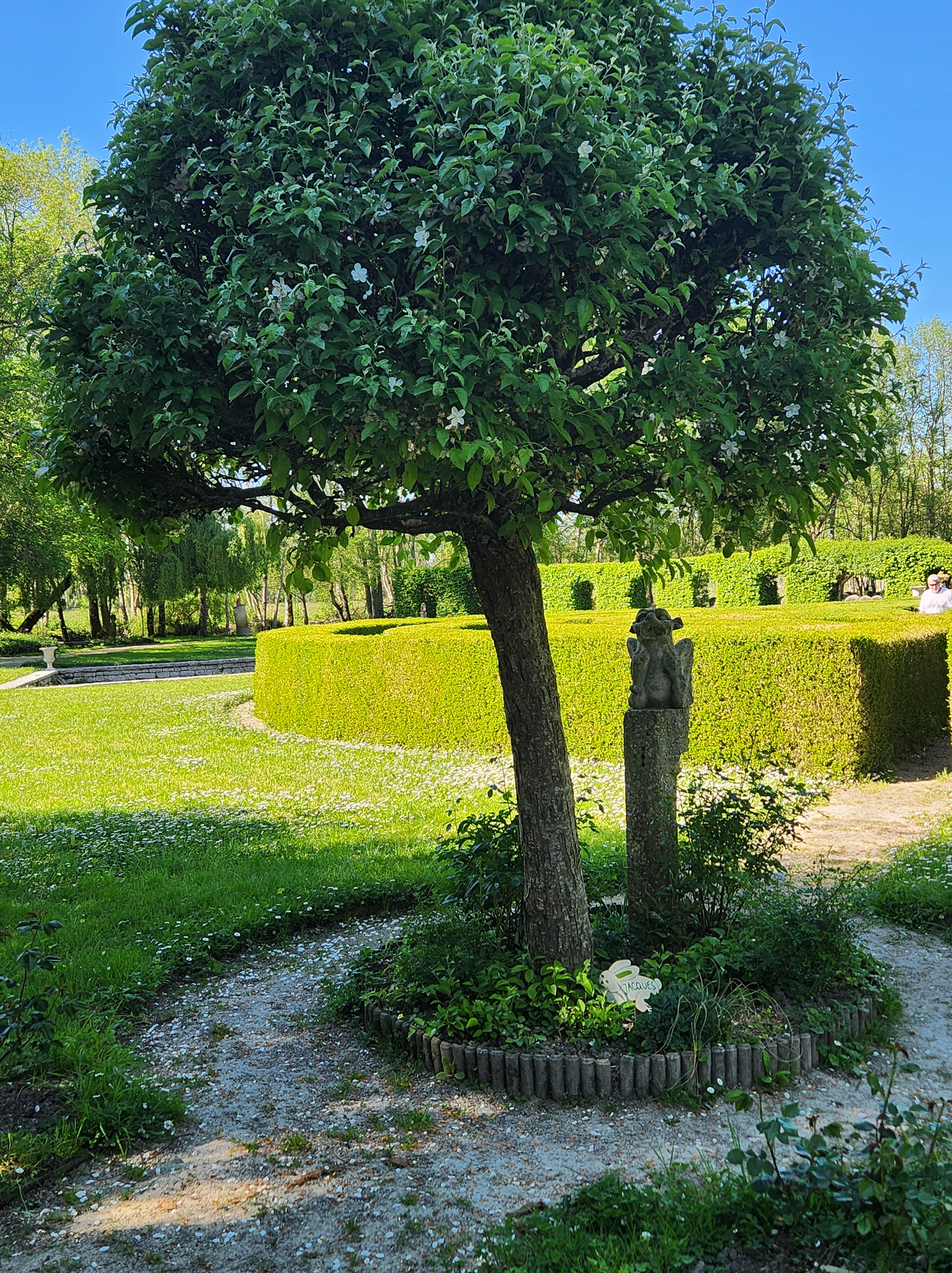
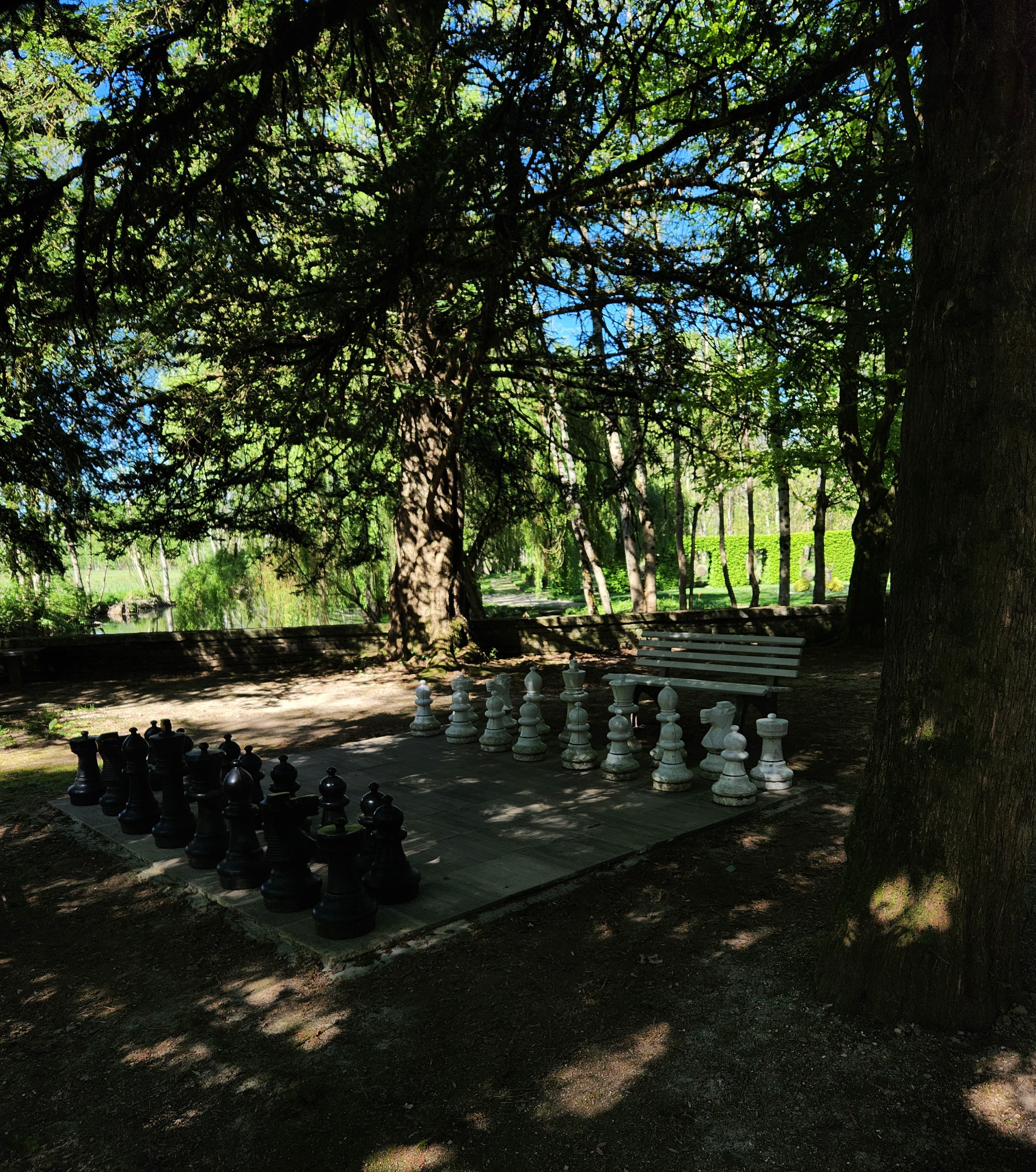
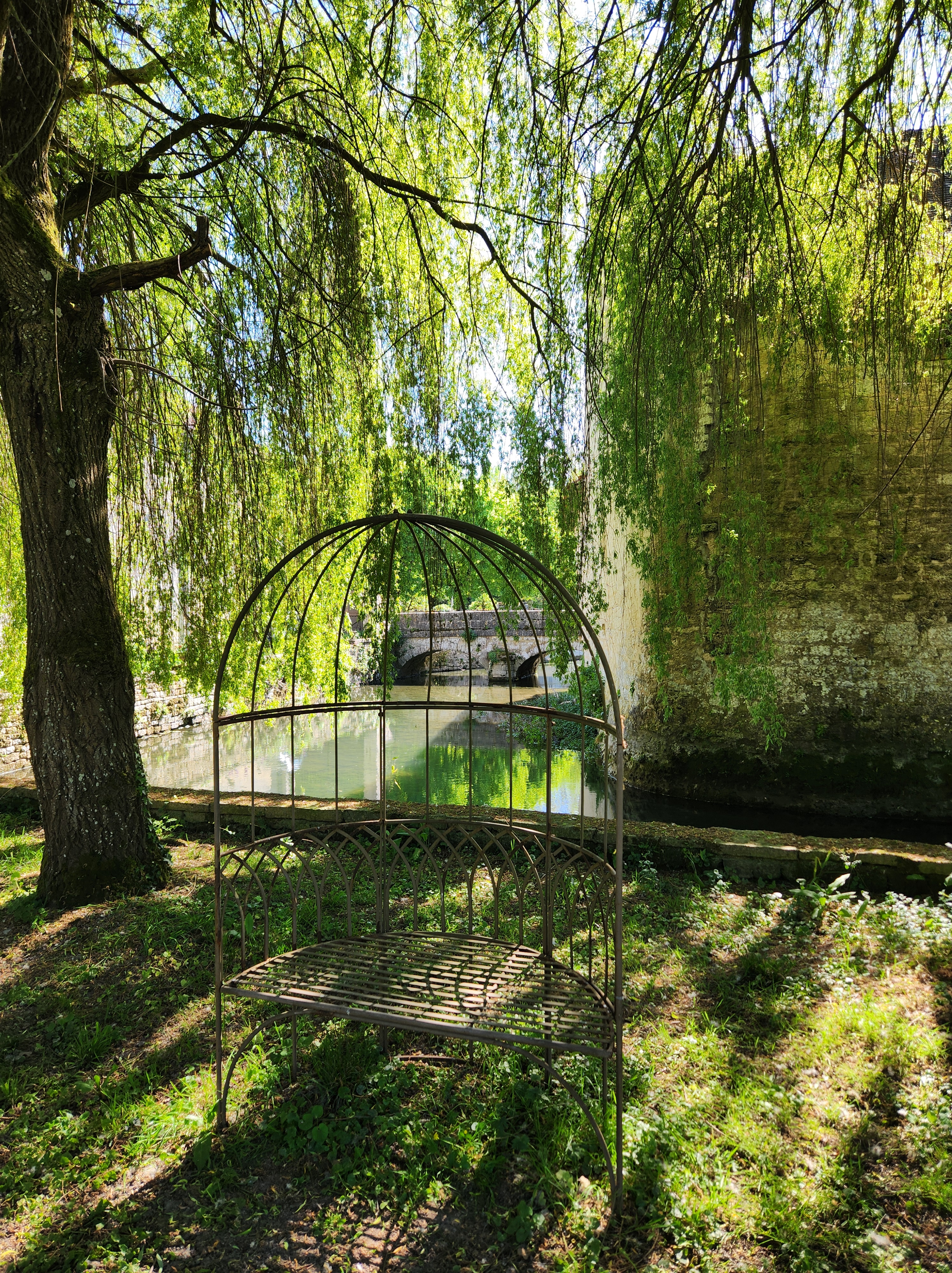
The Hédelins also created the labyrinth and the French-style flowerbeds, echoing the alchemical symbolism of the gallery.
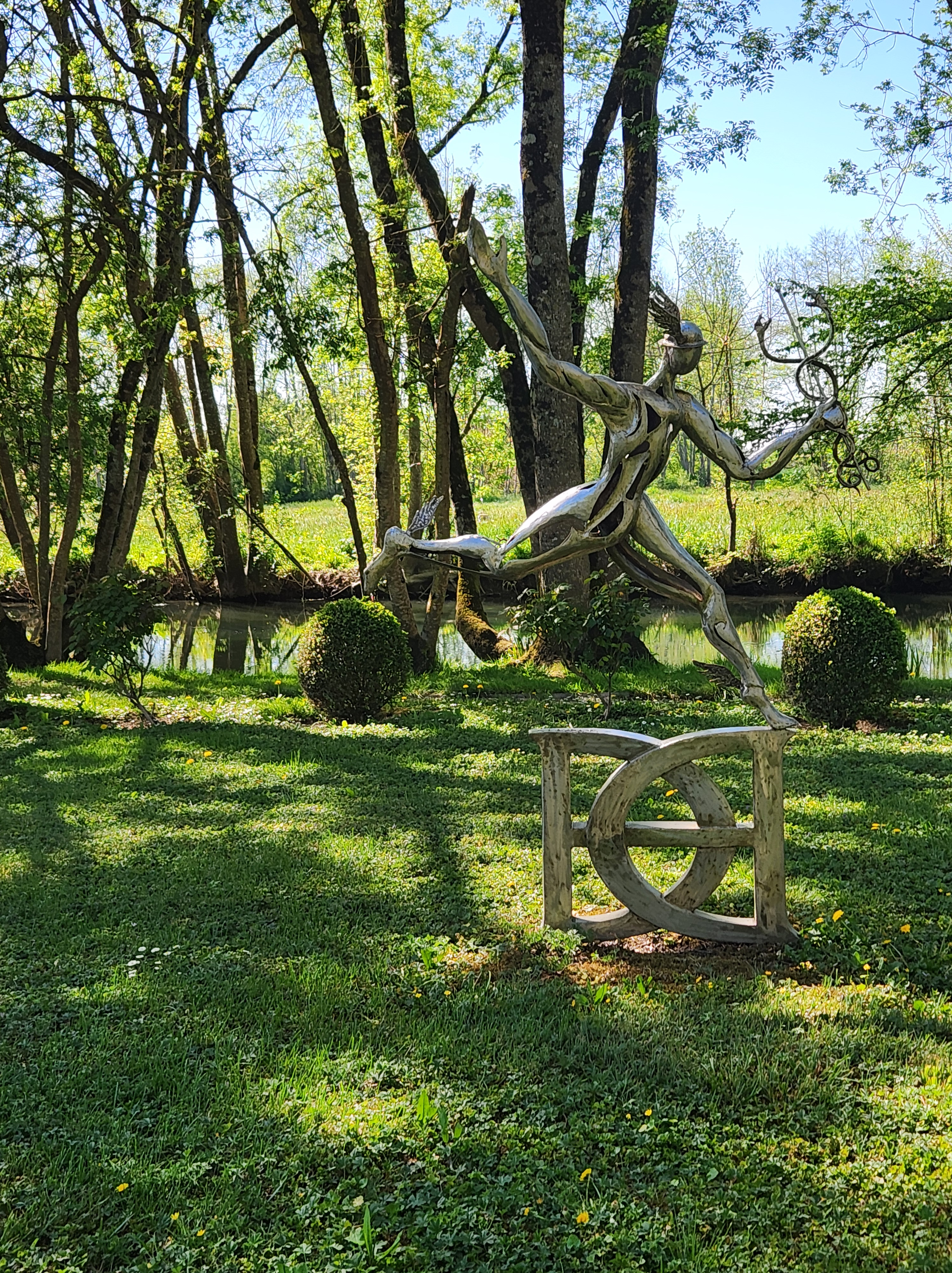
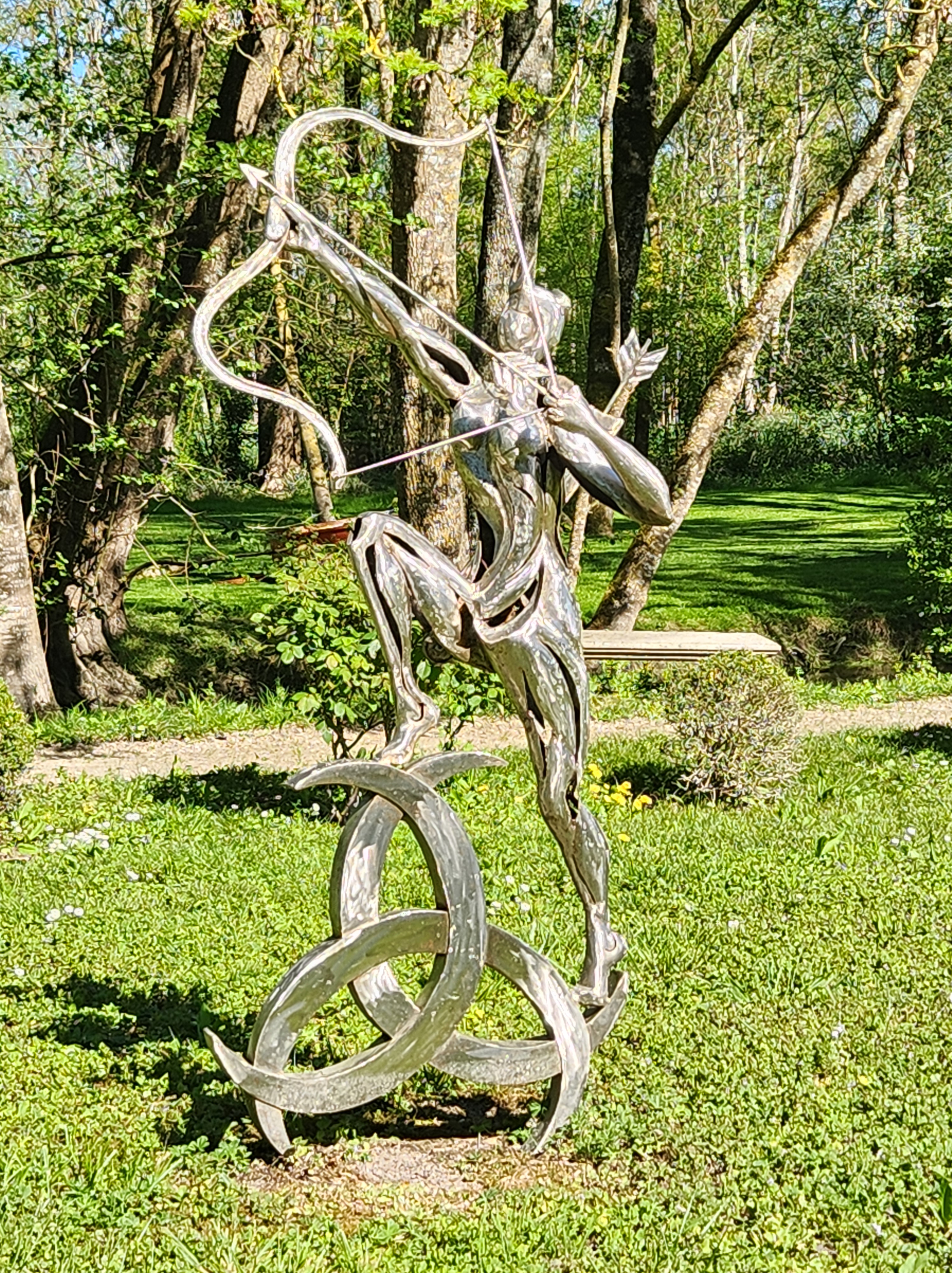
Where to next?

