Talmont-sur-Gironde

My blog buddy, Carolyn, had planned our day at Talmont-sur-Gironde and we set off early. We arrived 2 hours later at this picturesque village situated 15km south of Royan in Charente Maritime.
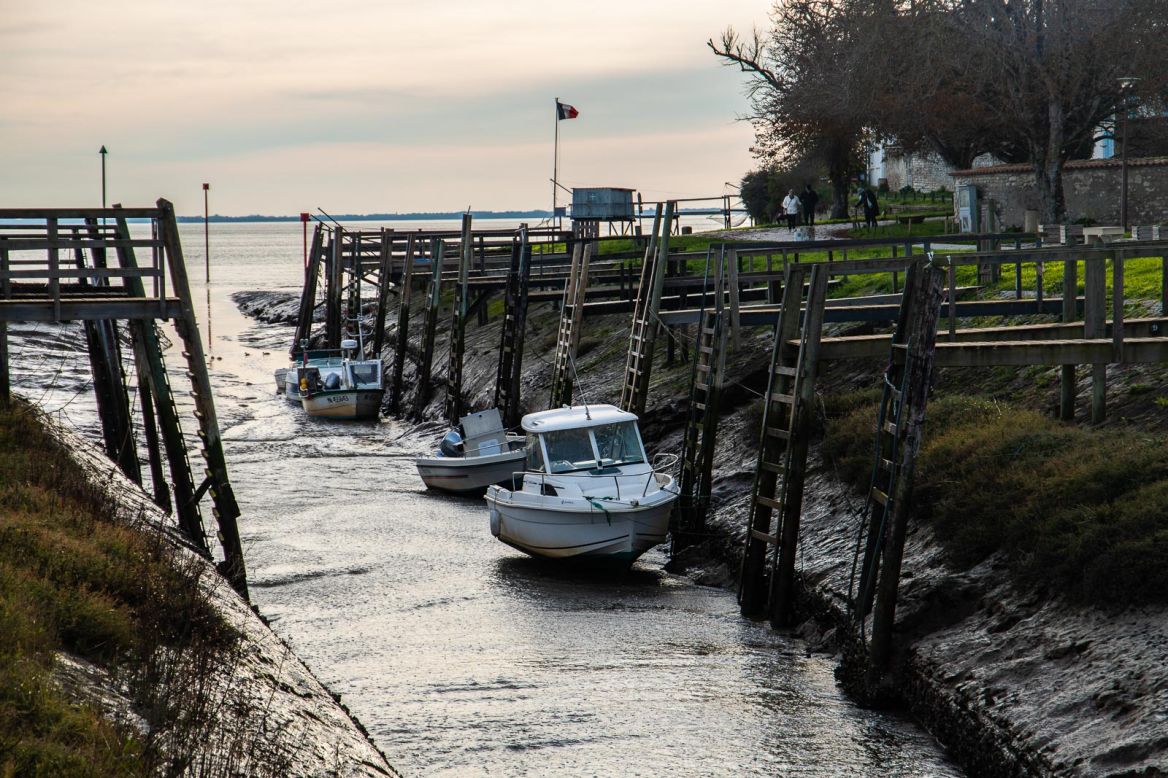
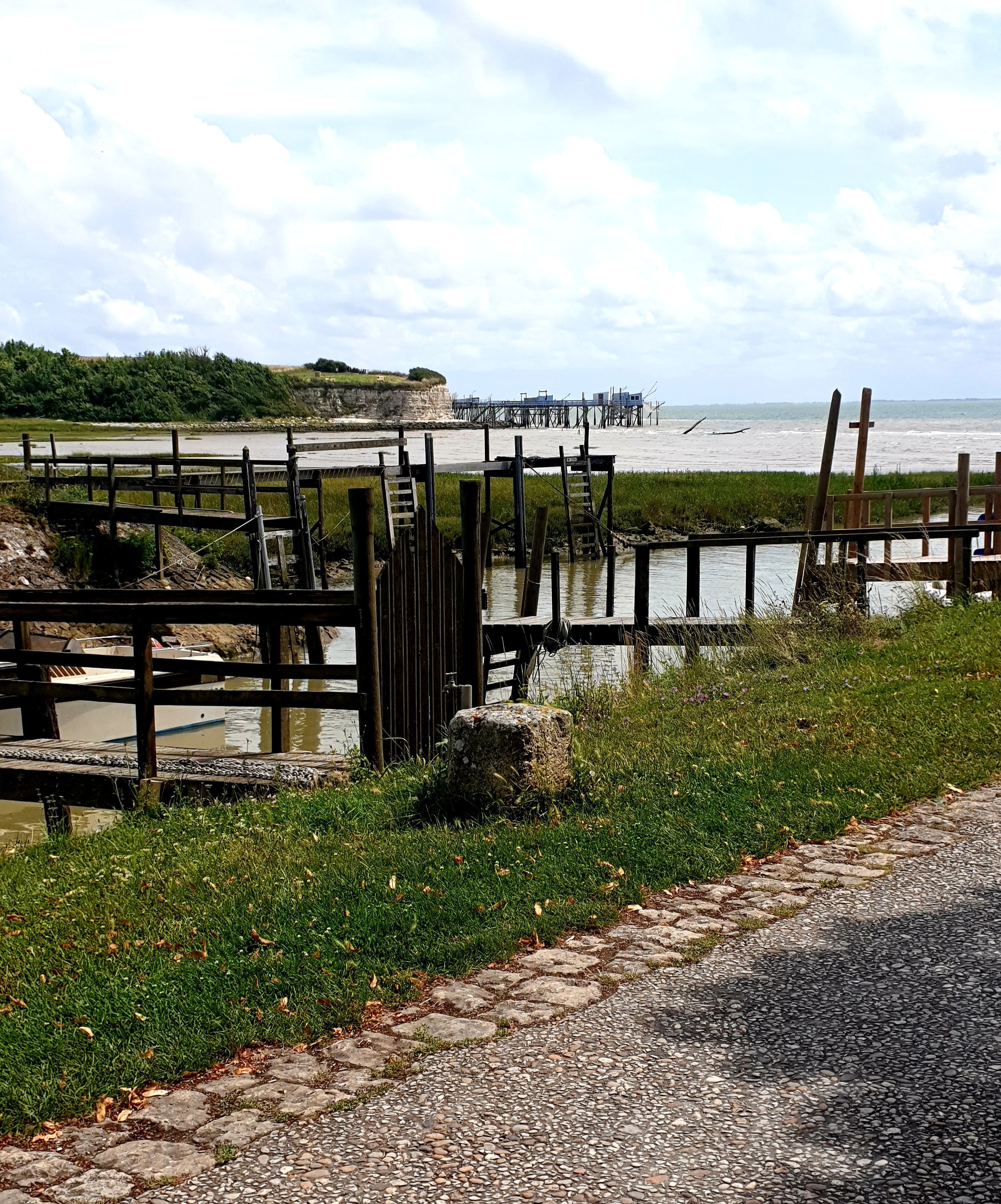
As we walk from the carpark, there are beautiful views of the coastline and the traditional wood fishing huts ‘carrelets’ (even with grey skies!). The port peaked in the first half of the 20th century with fishing for sturgeon and its caviar production.

The fortified village was built in this strategic location, overlooking the Gironde estuary, on the orders of King Edward I in the 13th century.

After a coffee, we took a windy walk around the ramparts to the imposing church Sainte Radegonde. The Romanesque church was built between the 11th and 14th century. At one time the church became a resting place for the pilgrims en- route to Santiago de Compostela.

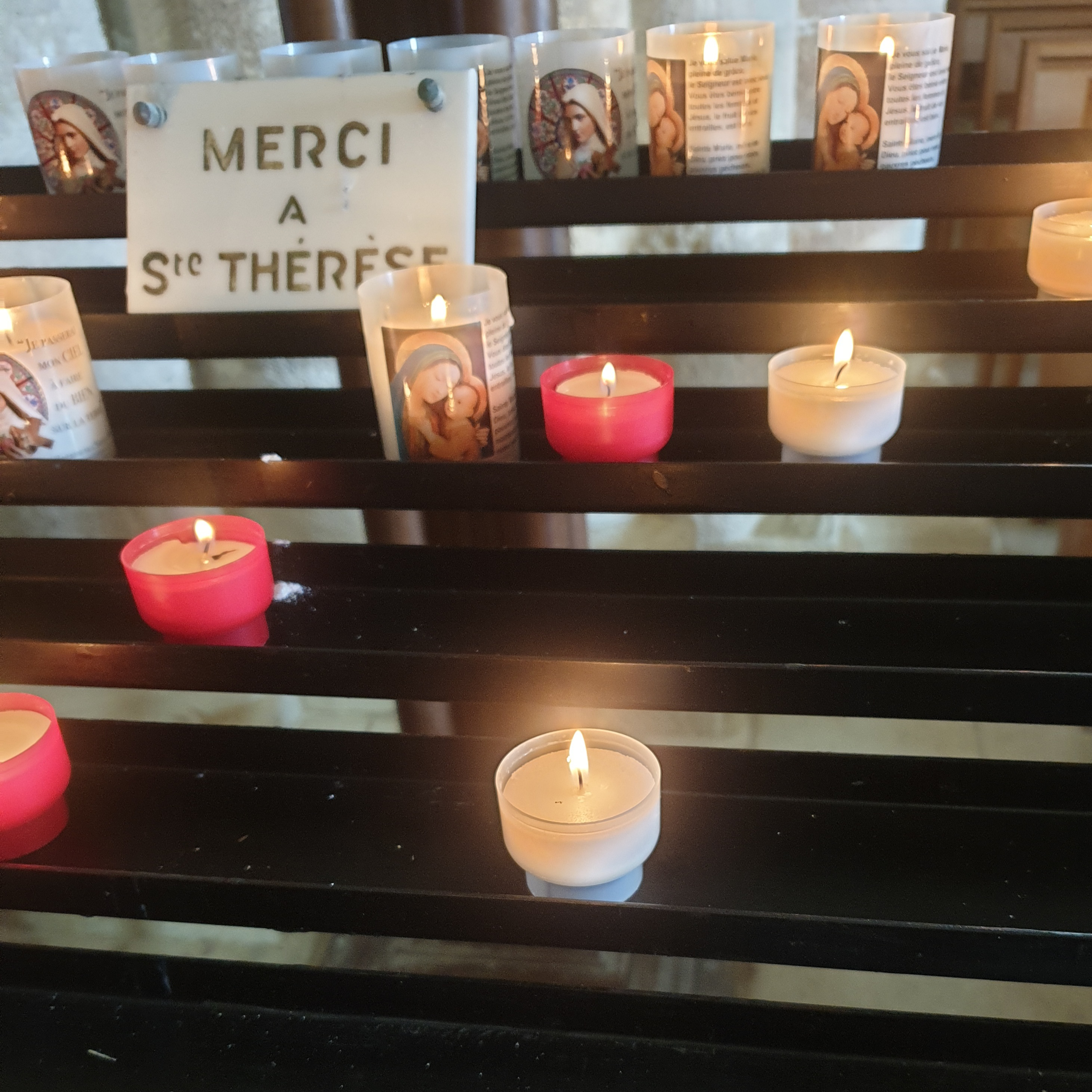
Inside the church, the atmosphere was very peaceful and I took a moment to light a candle for mum, who would have loved the position of the church by the coast.

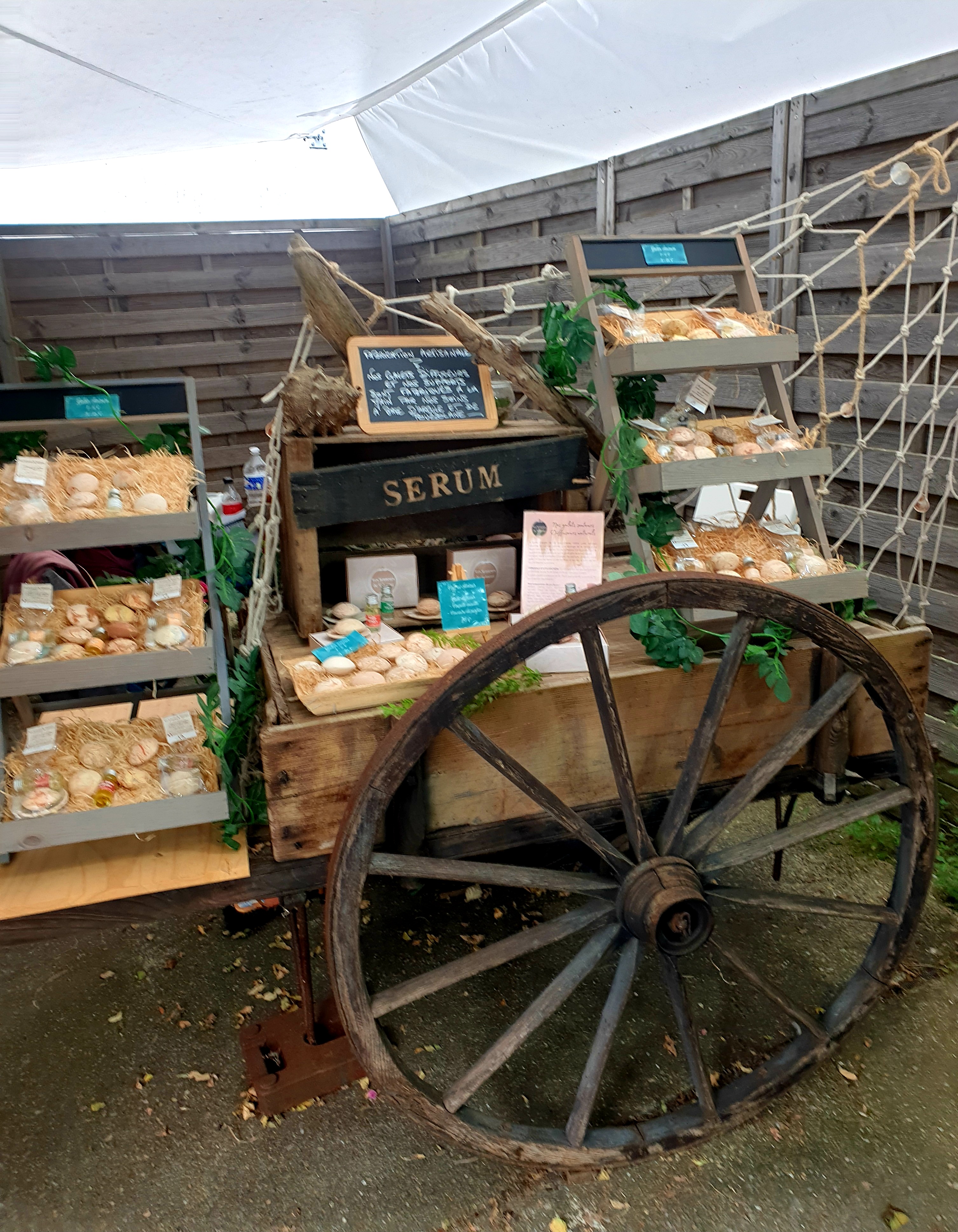
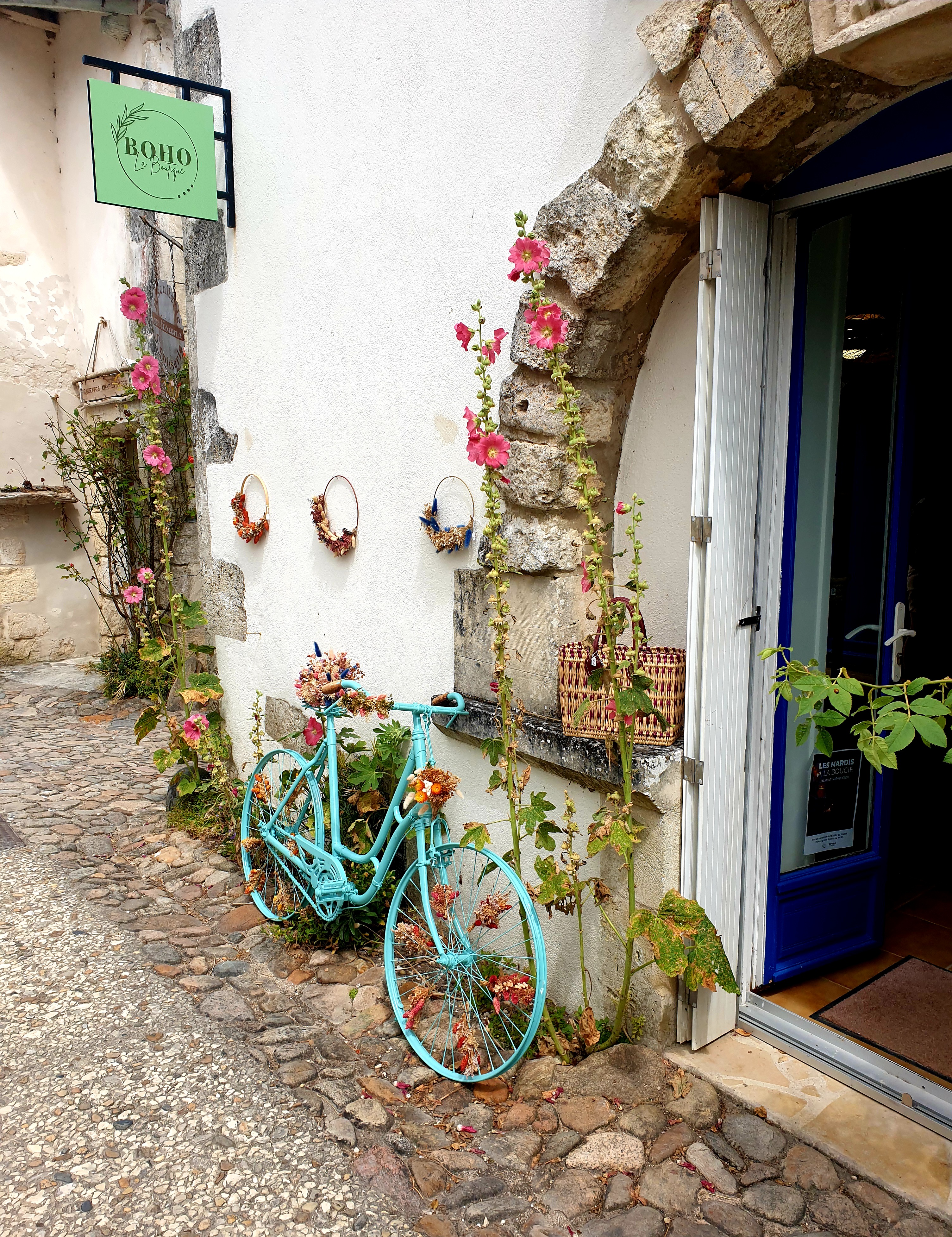
Talmont is also known for all the abundance of hollyhocks that pop up everywhere and add to its charm. The village is a member of Plus Beaux Villages de France which as of 2024, has almost 180 member ‘beautiful villages’ across France. It was very easy to see why as we strolled through the narrow cobbled streets full of white washed artisan shops and houses.
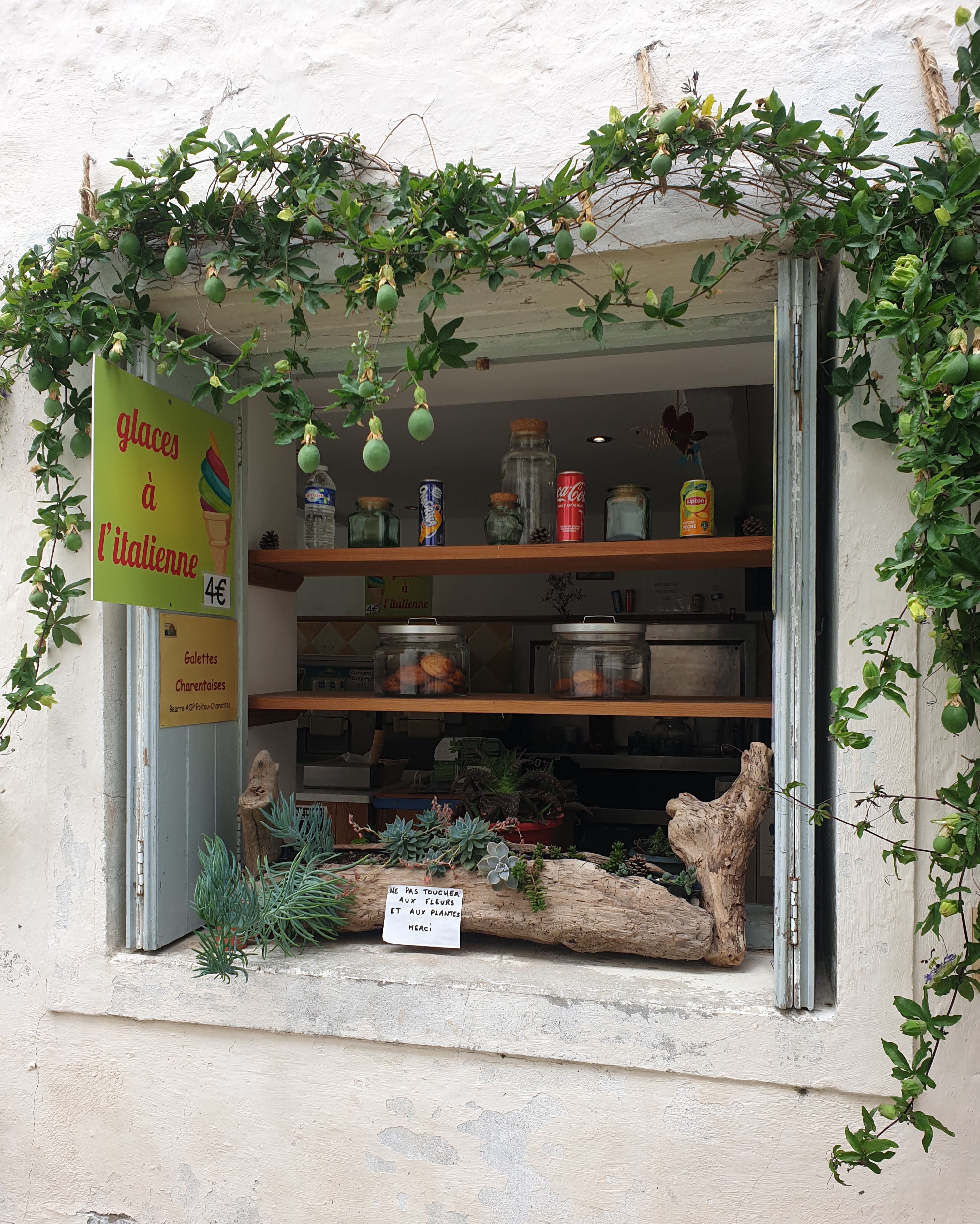
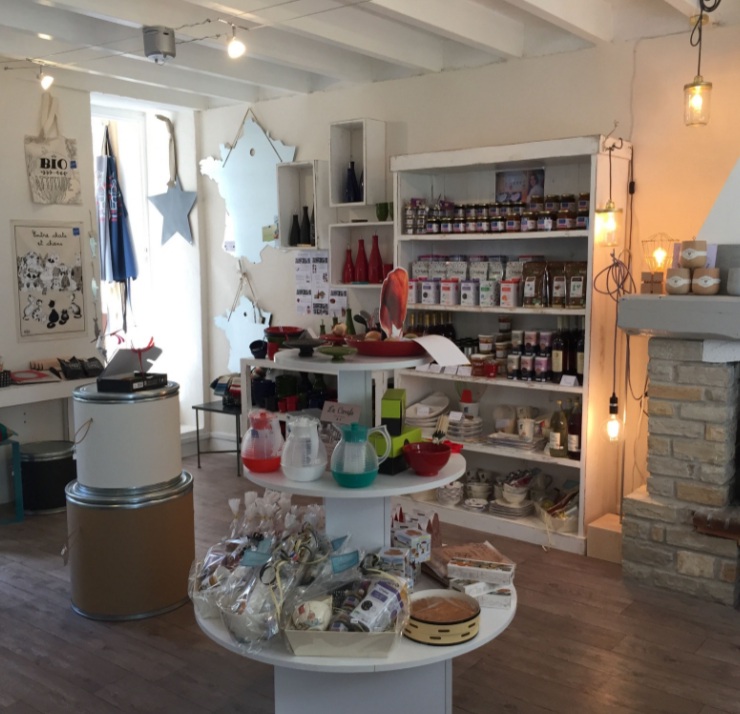
We stopped for lunch at La Petite Cour crêperie. I tried a galette for the first time which is a savoury crèpe made with buckwheat flour. It has a slightly stronger flavour and is also gluten free. However, we did laugh ordering the ‘galette Italienne’ in France. ‘Lunch was well timed as the heavens opened but afterwards, it was back to the shops to treat ourselves to some goodies. Well, it would be rude not to!
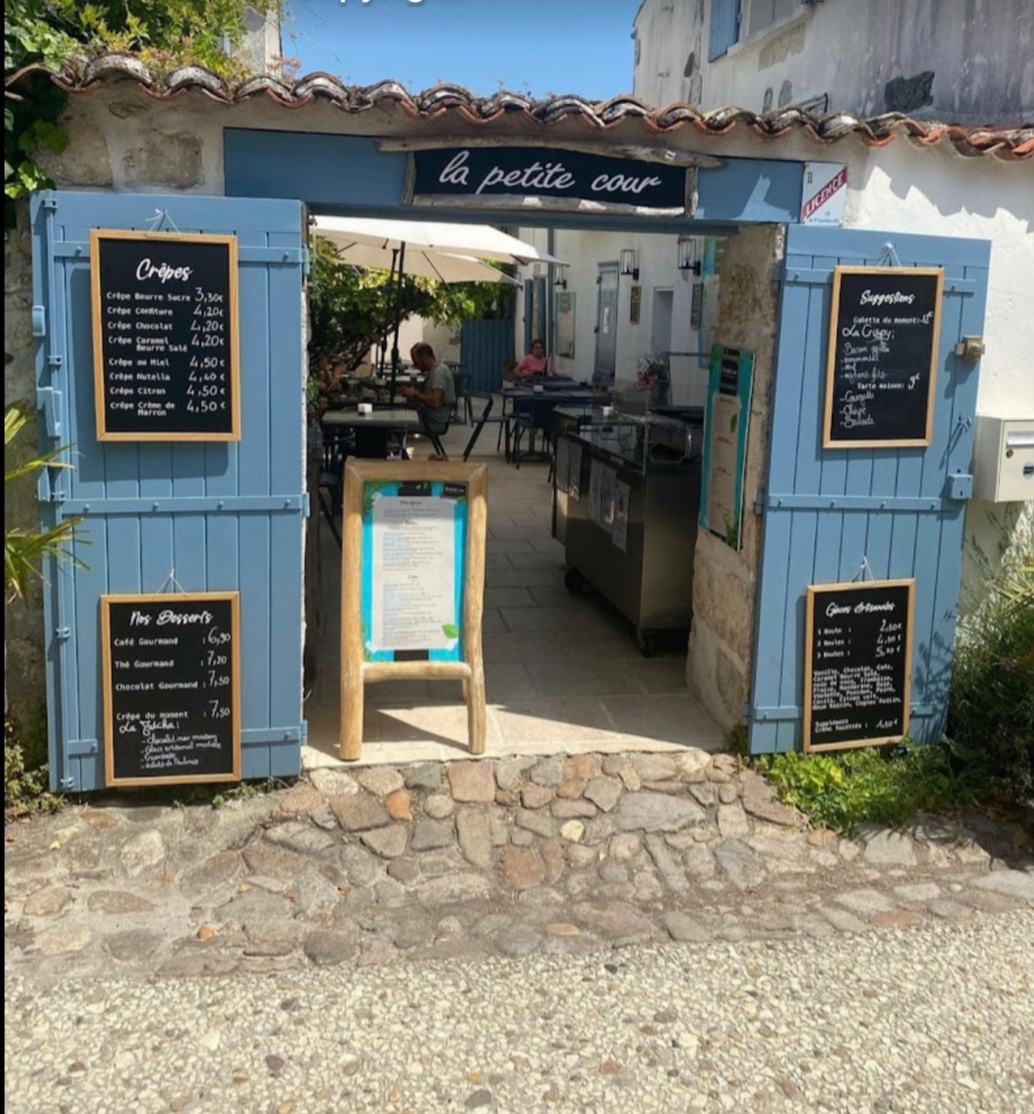
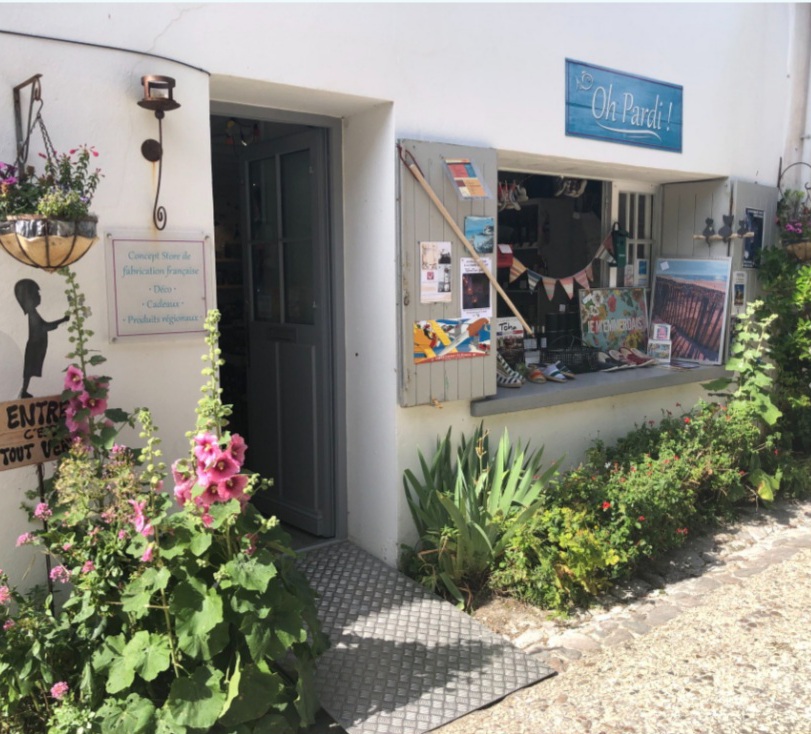
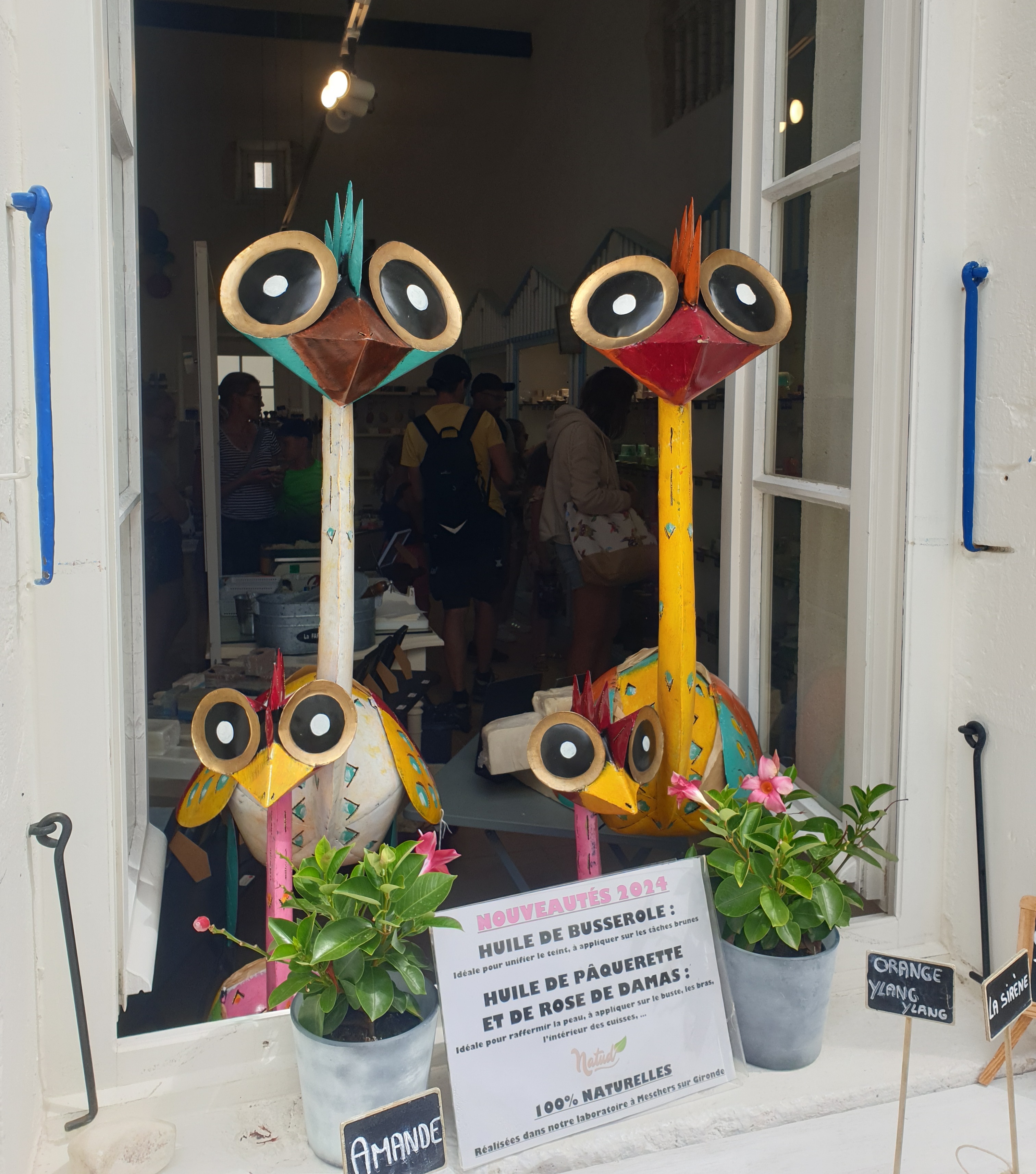
In the summer months, Tuesday evenings the shops stay open until 21.00 and the village is all lit up and I can imagine just magical.
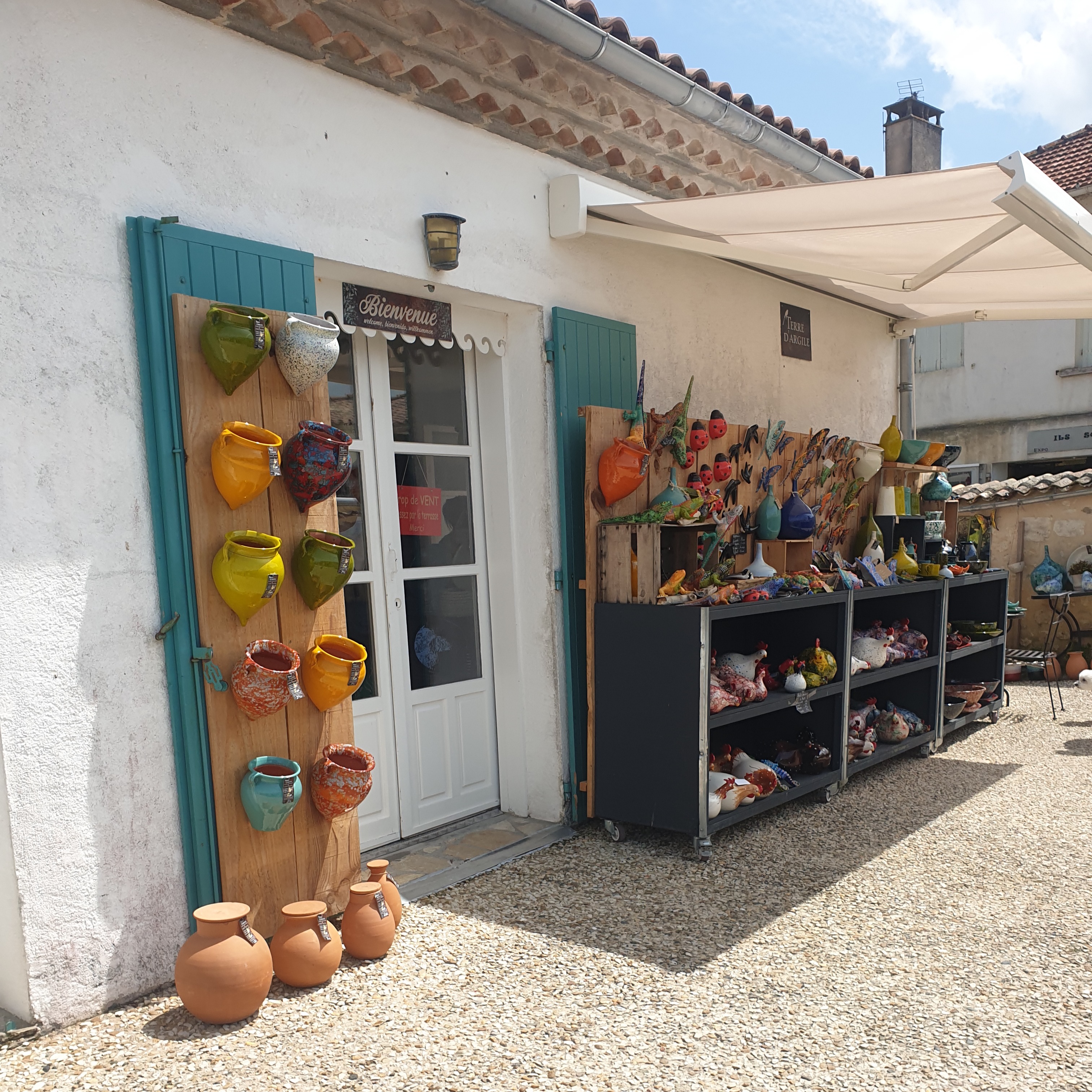
Anyway, armed with our bags, we walked back in the sunshine to the carpark and it was time to go home.

Simply, a fabulous day and thoroughly recommend a visit.

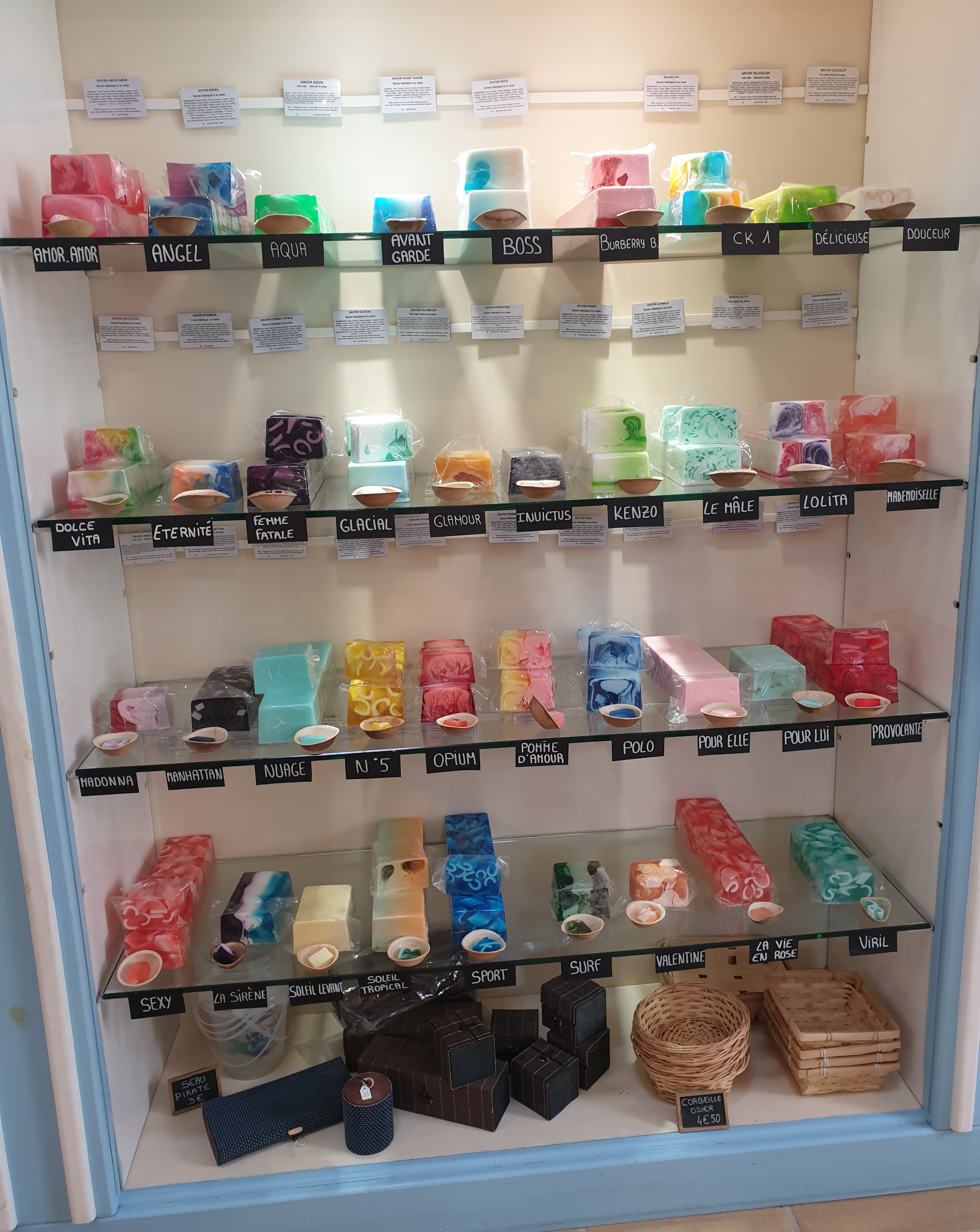
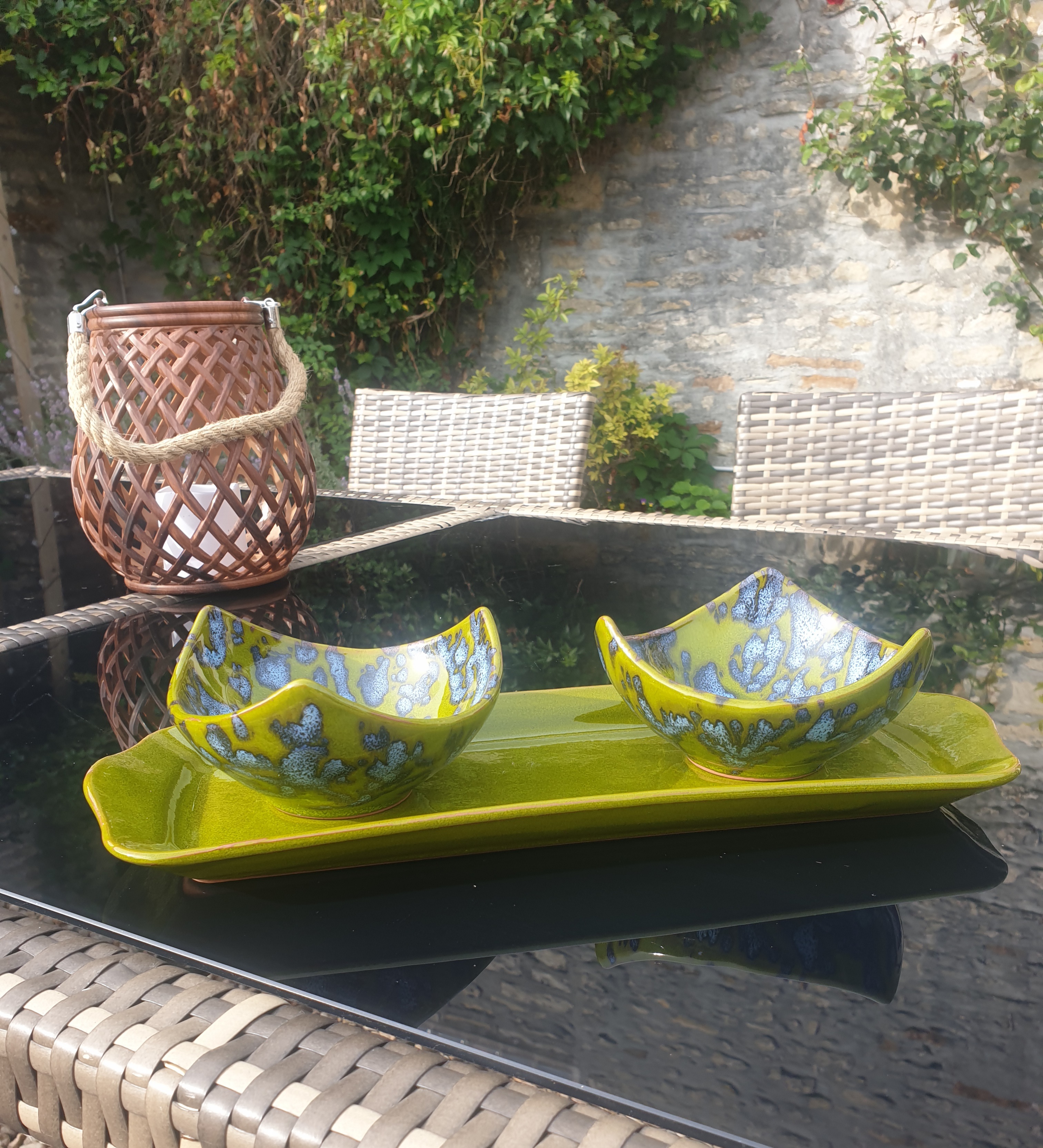
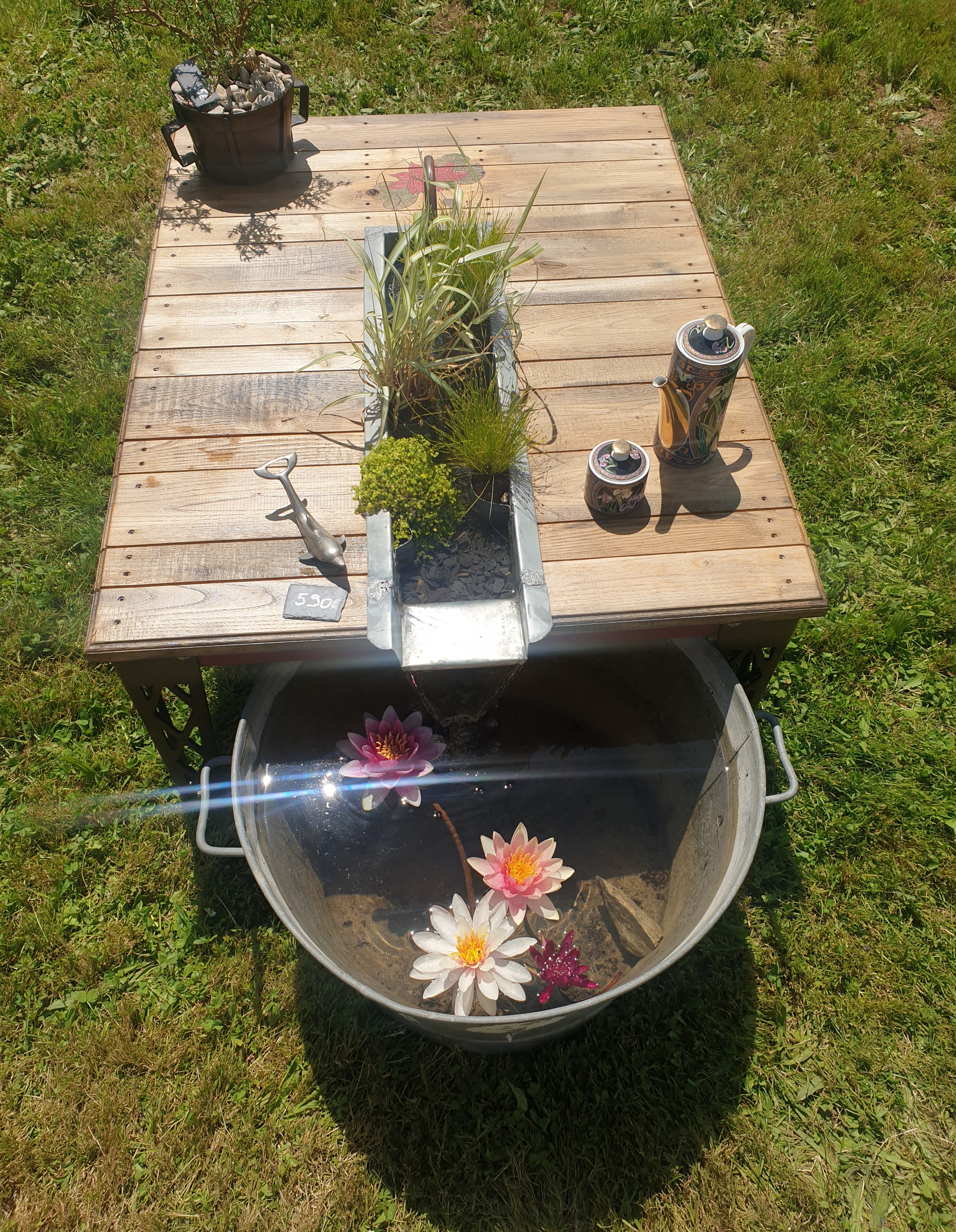
And here is my garden decoration from Oh Pardi! and my dishes for nibbles, with apéros of course, from Terre D’ Argile.

.
If I was having a coffee right now …..

If I was having a coffee right now, I’d be melting in the 32c July heat. Yes, summer has finally arrived in South West France! It seems to have been an eight month rainy season in a lot of countries but I still managed some lovely sunny French’ days out and about.

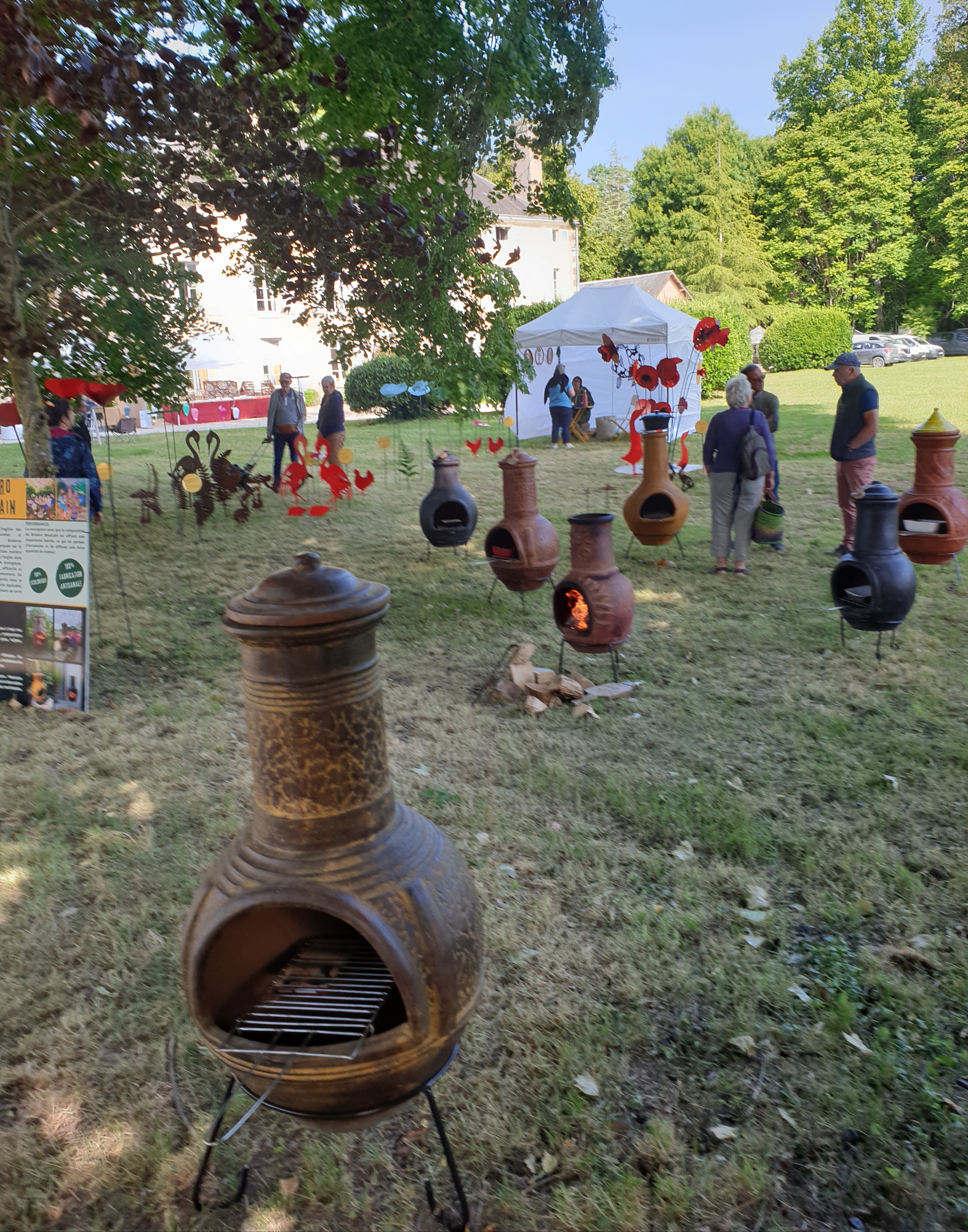
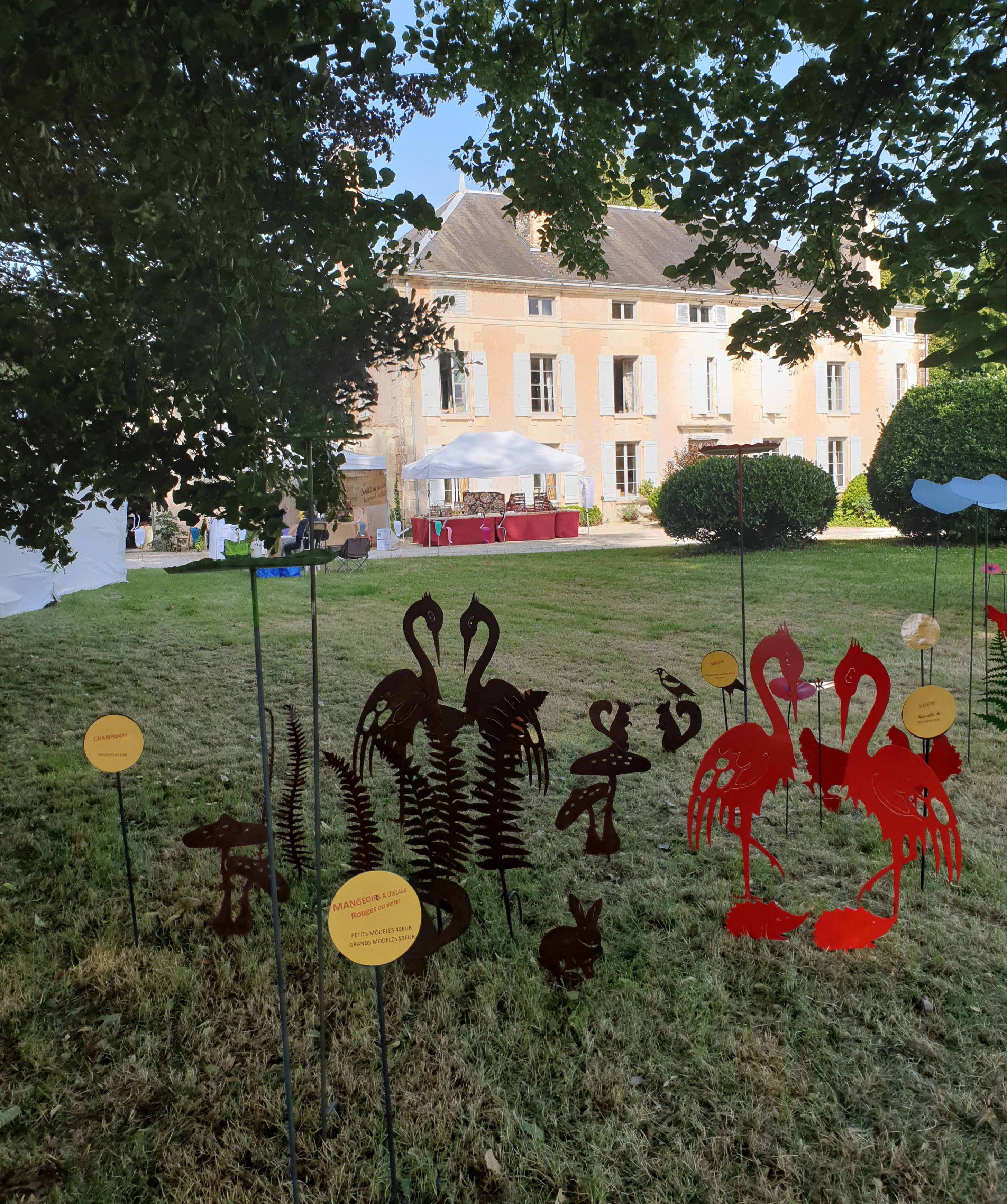
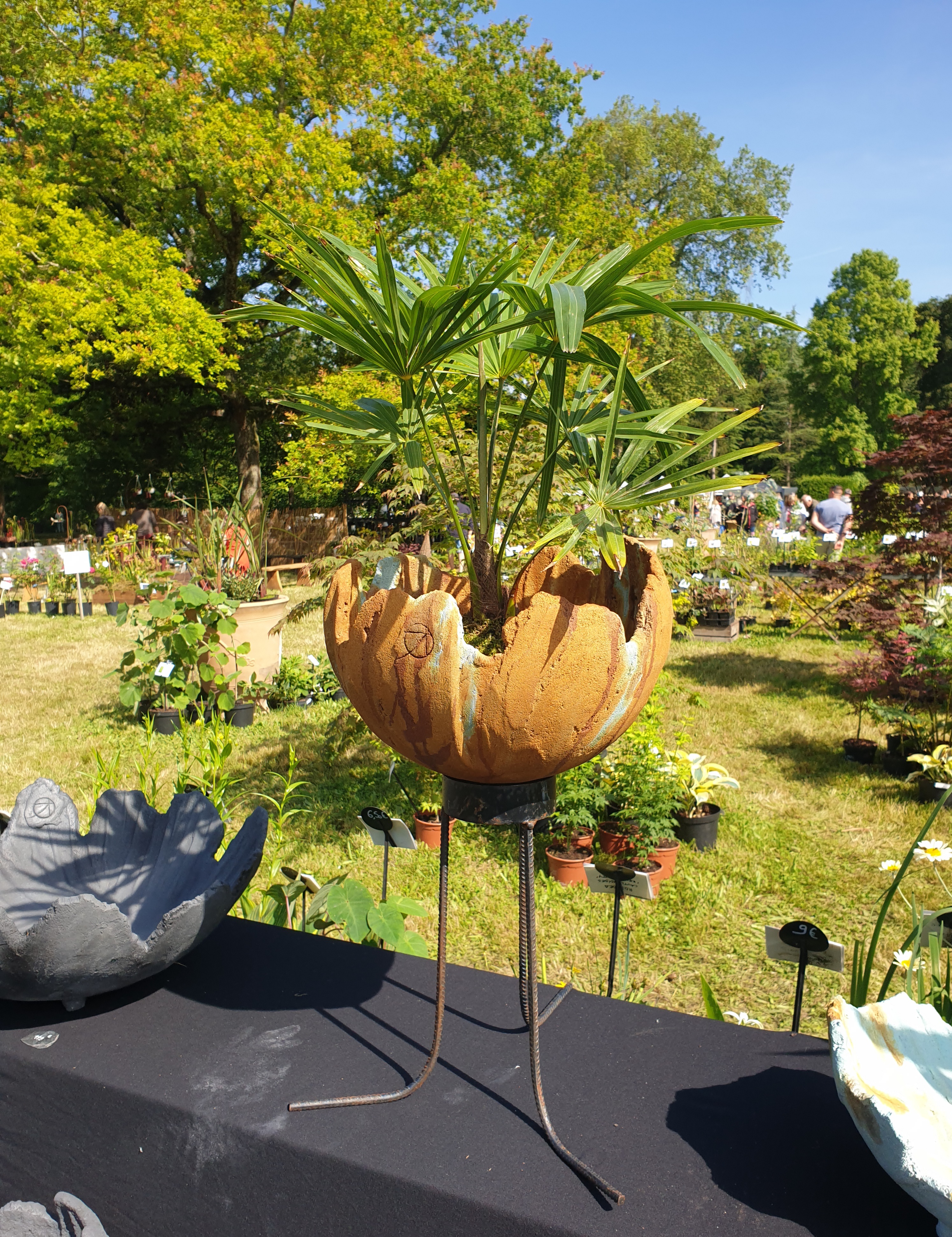
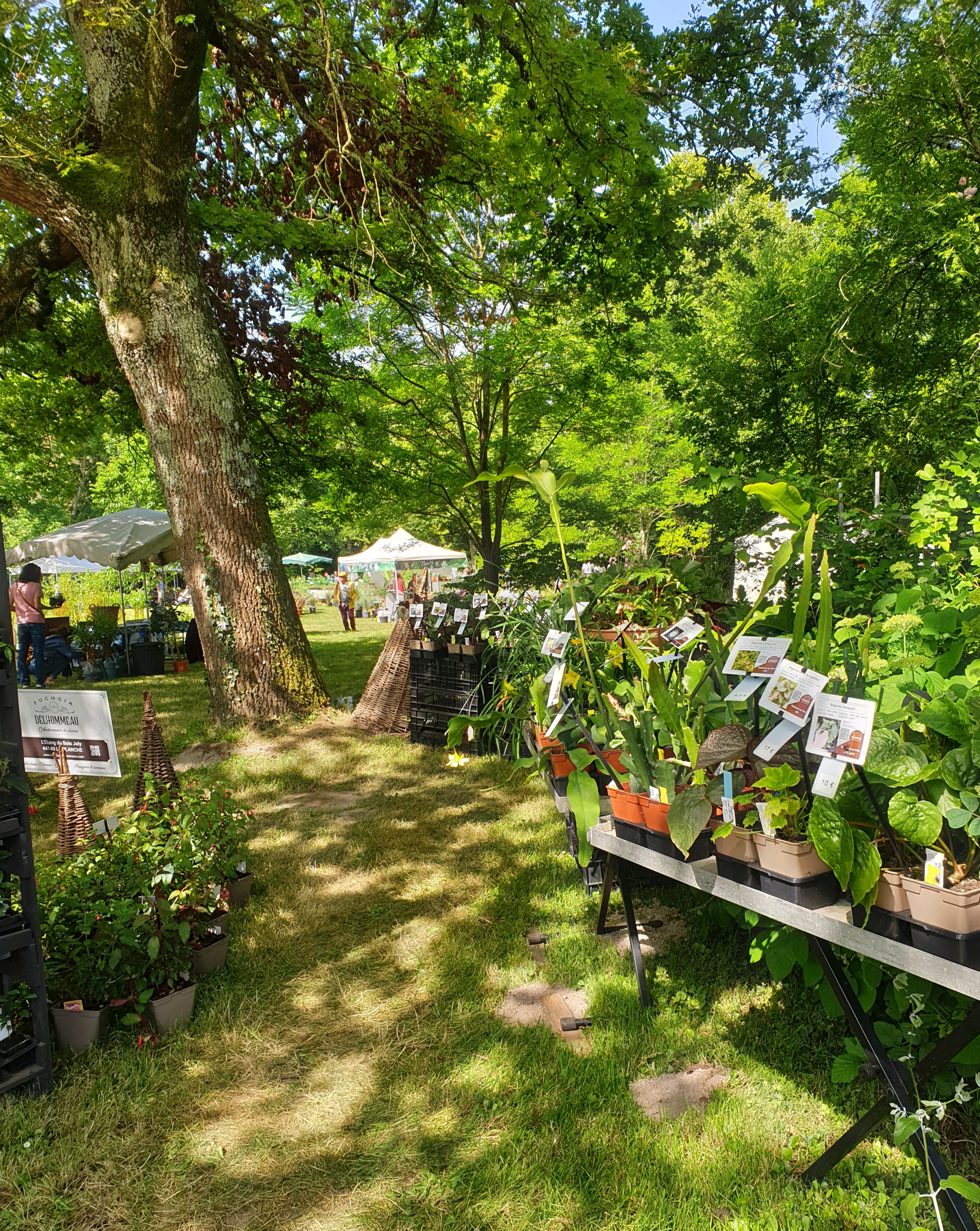
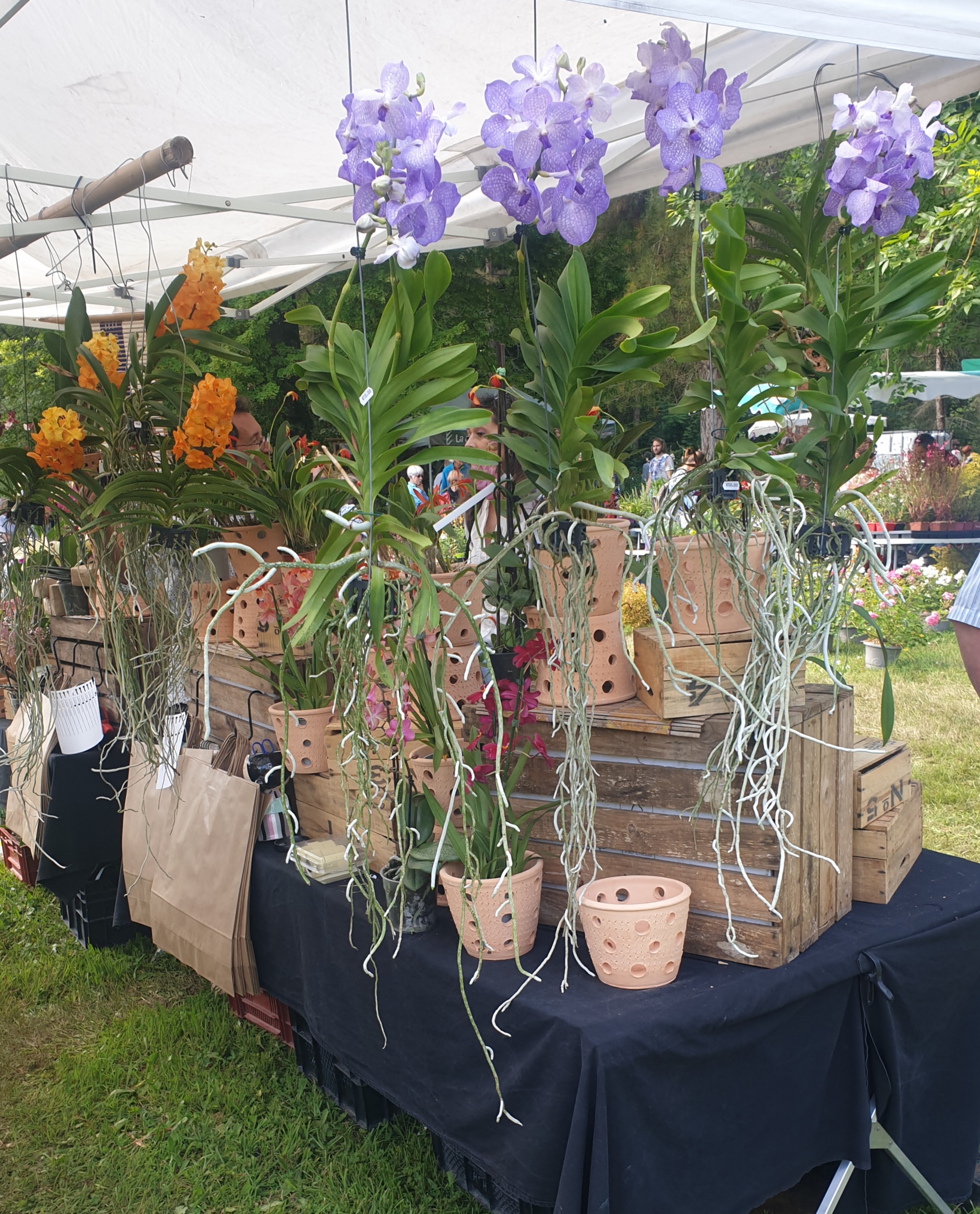
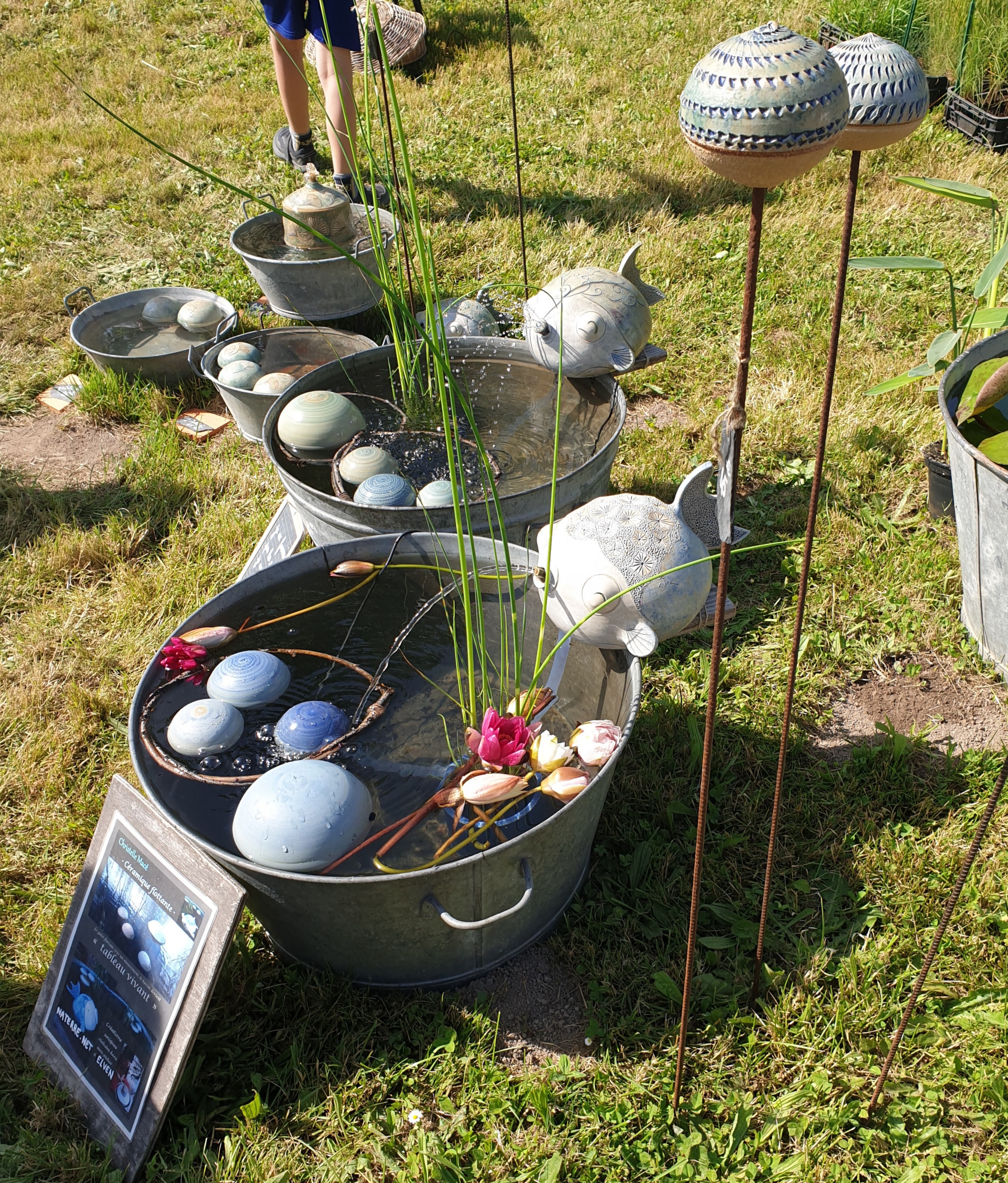
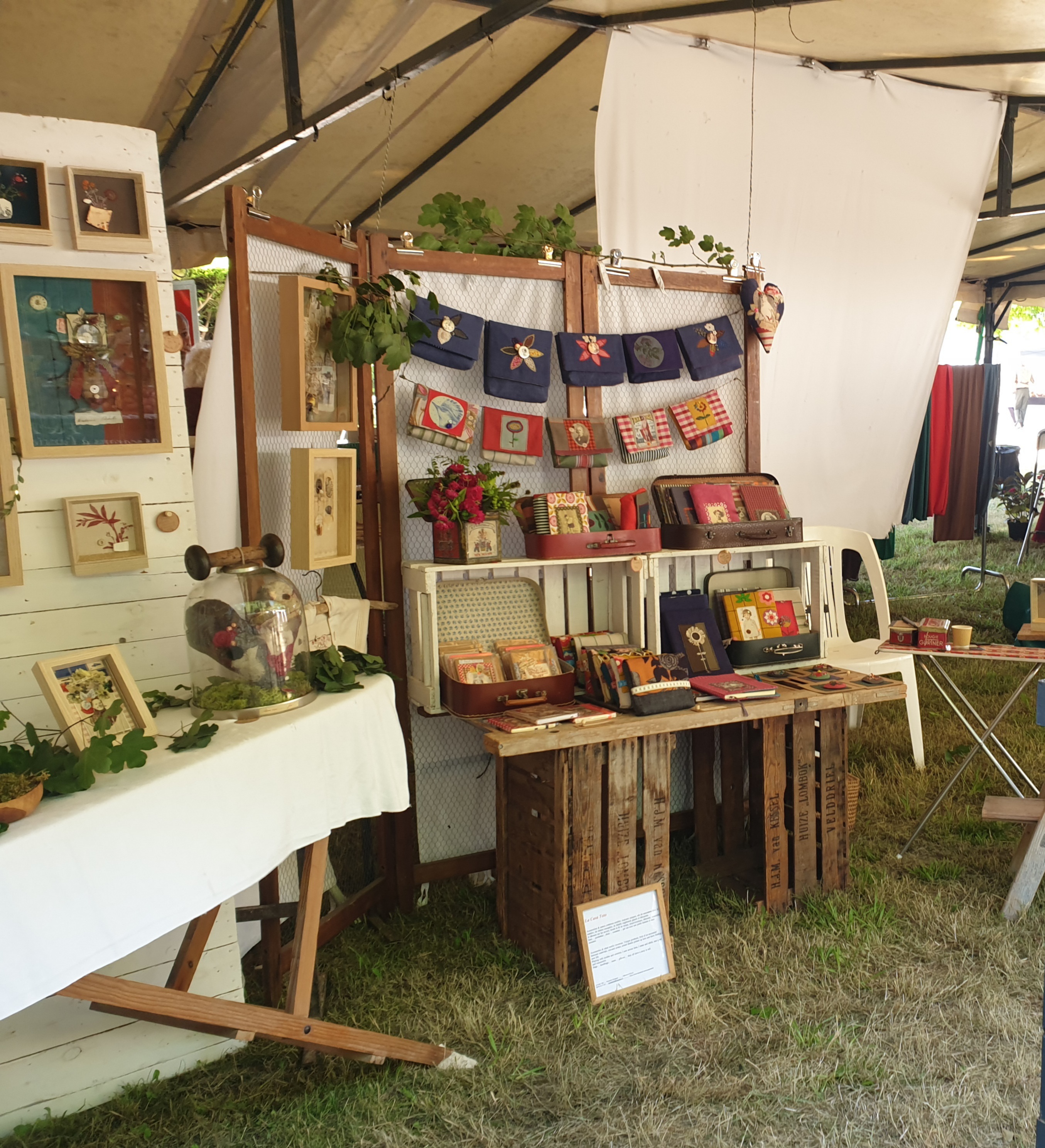
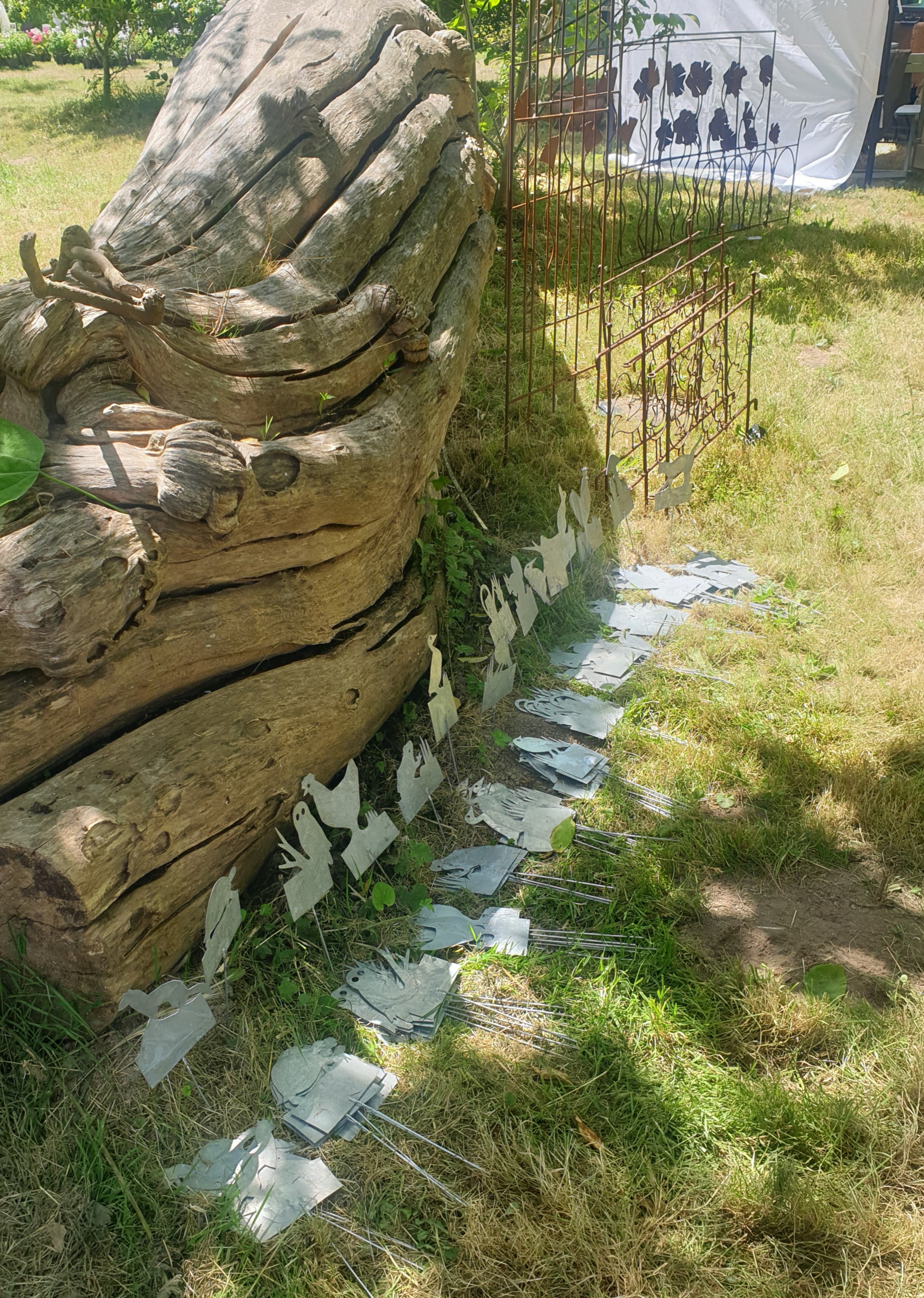
Last month I visited ‘La Fête des Plantes et du Jardin du Domaine de Péré at Prissé la Charrière, just 30 minutes drive from home. This charming estate holds this event in June and October with over 100 exhibitors from France, Belgium and England. Horticulturalists, botanists, garden designers plus a selection of arts and crafts (respecting our planet). Also a fab range of food carts catering for everyone’s taste.

The current château was built in the early 19th century, although the estate has been in ten successive generations of the Bastard de Crisney family since the 18th century. It has a 20 hectare wooded park and 100 hectares of farmland.

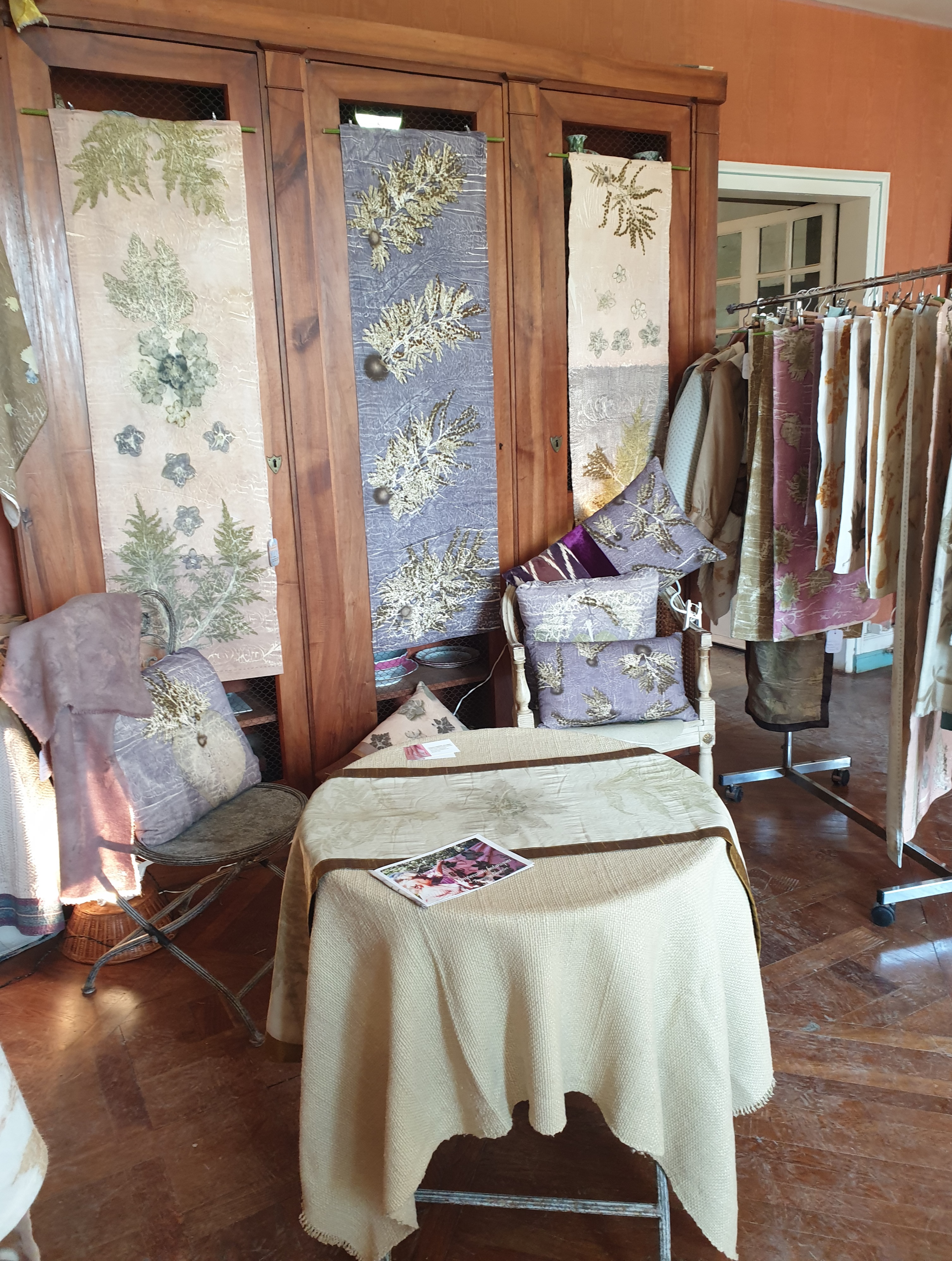
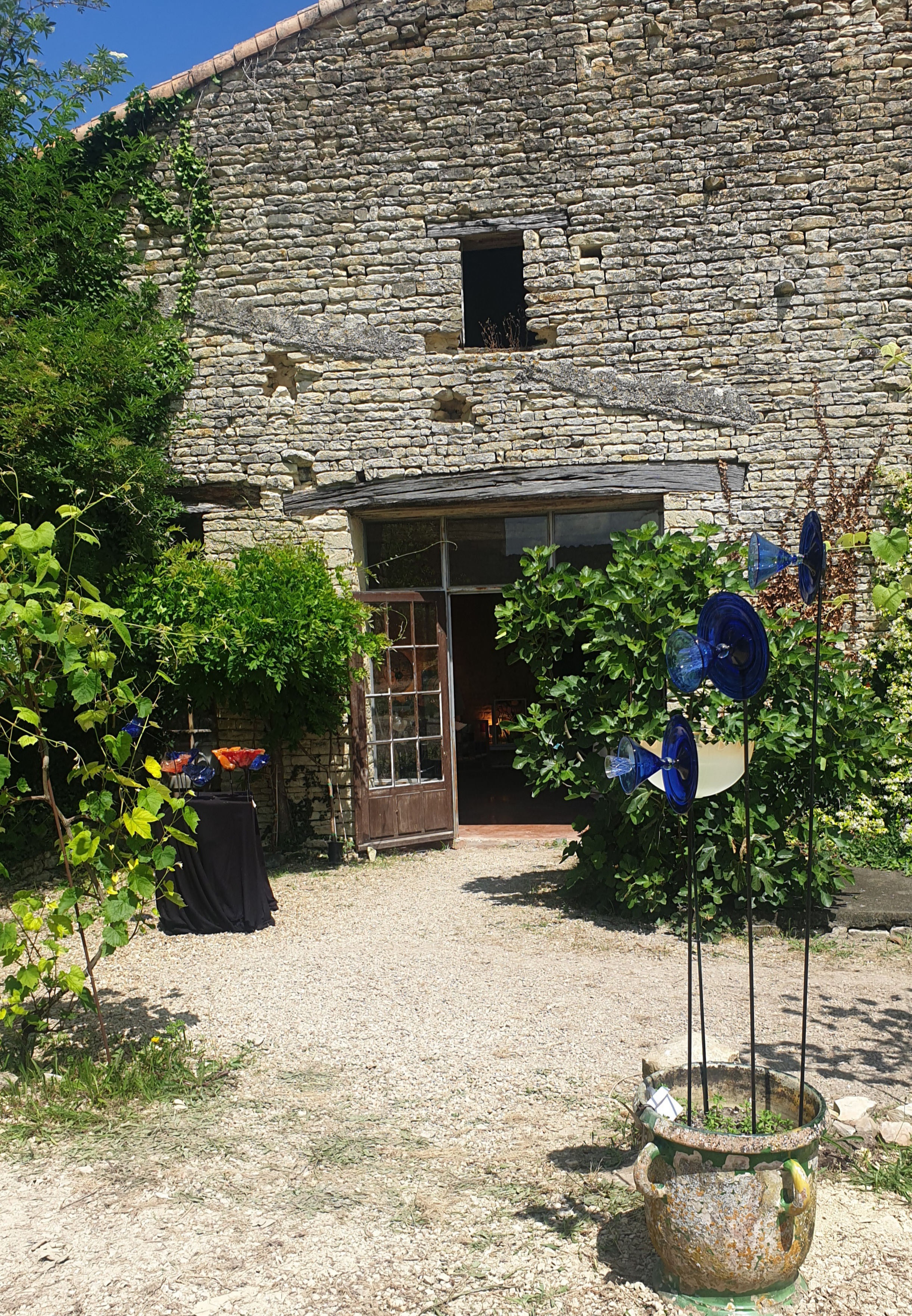
I start my visit inside the château where ceramics, jewellery, paintings, leather goods etc were very tempting.

Then stepping outside I felt a real festival vibe! Also felt I should have worn a floral maxi dress and huge floppy hat!

I strolled around the stalls in the stunning grounds several times and of course bought a wisteria to plant outside our house. So French. I wish I’d bought one of the plaited willow trees above but next visit!

The rose stalls were very busy, so not easy to capture in the photos just how beautiful the selection of roses were on sale.

I have lots more ideas for our garden now and it was one of the best sort of Sunday mornings in my book. Roll on October.

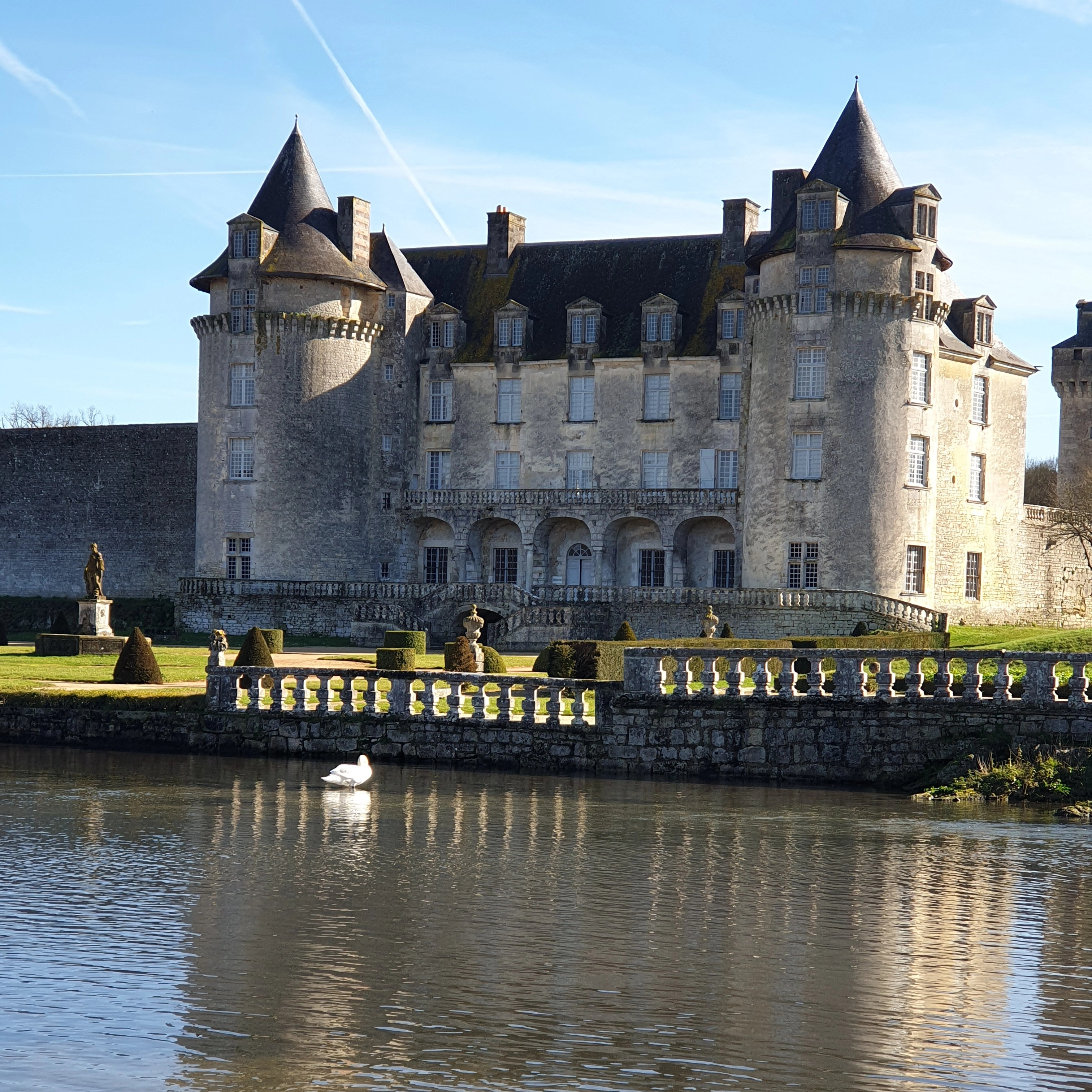
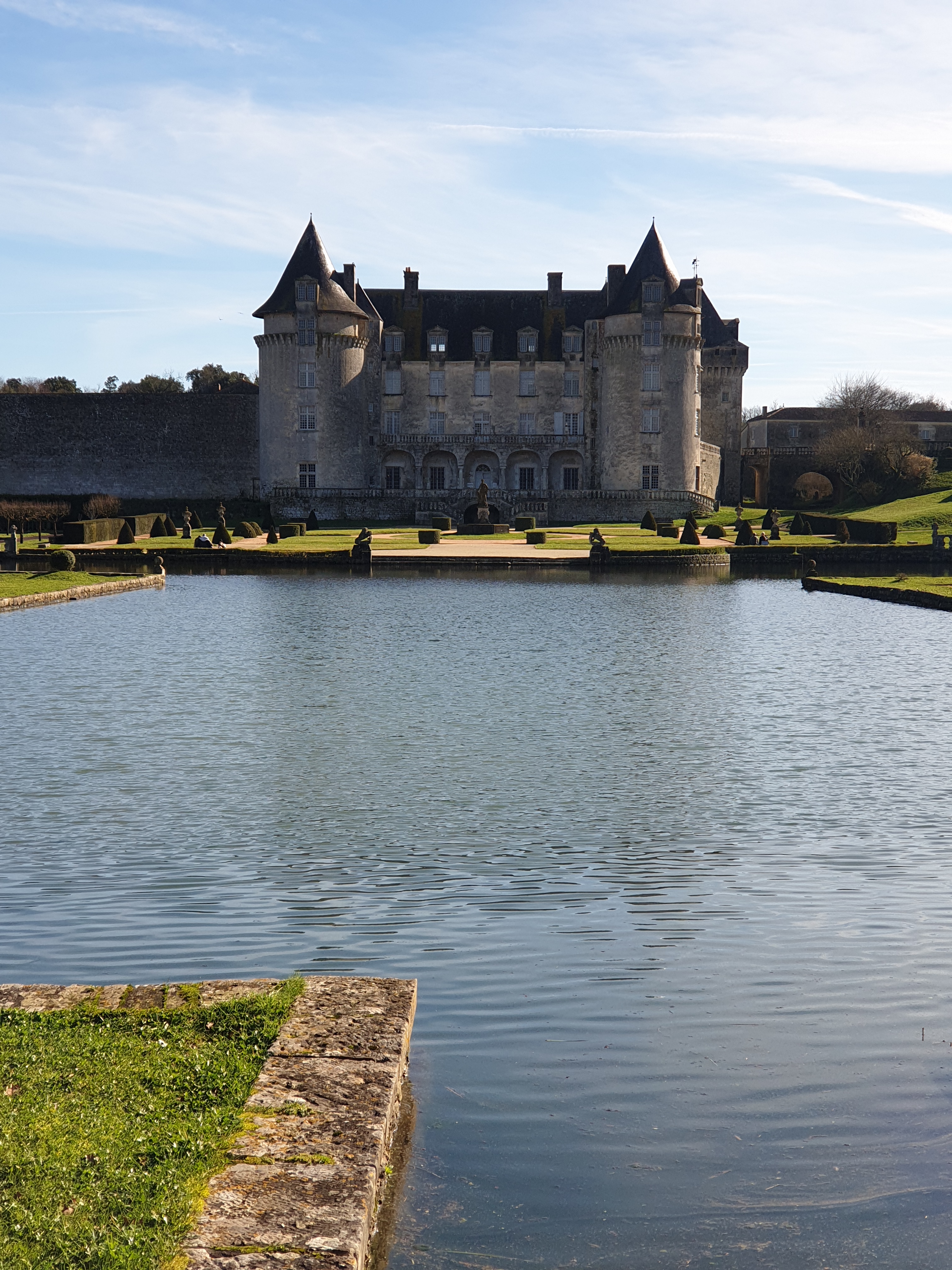
Château de La Roche Courbon

Last week the sun was shining and it felt like spring was in the air, so my ‘blog buddy’ Carolyn suggested visiting Château de La Roche Courbon, at Saint – Porchaire. Only an hour and twenty minutes drive away and as we pulled up in the carpark, the grandeur, charm and size of the château was a real ‘wow’!

The château dates back in the 15th century and was built by Jehan de Latour. After living there for more than two centuries, the Courbon family started to refurbish the château in the 17th century, making it a more elegant and comfortable residence which was eventually sold in 1817. The château was then mainly abandoned until Pierre Loti discovered and bought the château and then using his fame as a novelist, he launched a public appeal to save the château and forest by taking out a page in La Figaro in 1908. Paul Chénereau purchased in 1920 and set about fully restoring the château and its gardens to its former glory. It is still privately owned by the family.

The French gardens have the expected formality, topiary, fountains and statues and even on a February day, still looked stunning surrounding the ‘mirror pond’. Will need to revisit when the gardens are in full bloom!

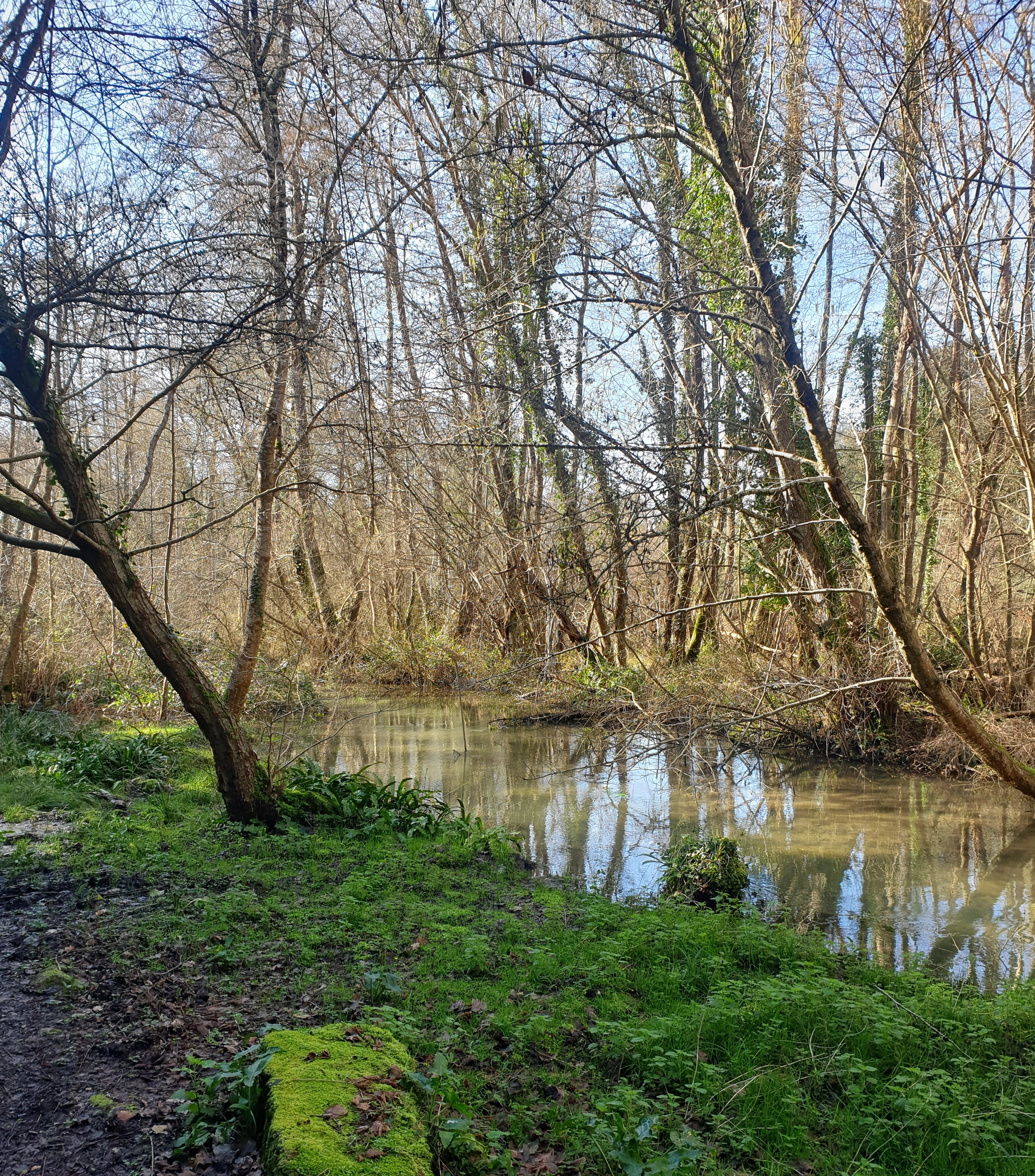
The river Bruant flows through the grounds and there are ornamental steps leading to higher ground and giving you the best view of the château.

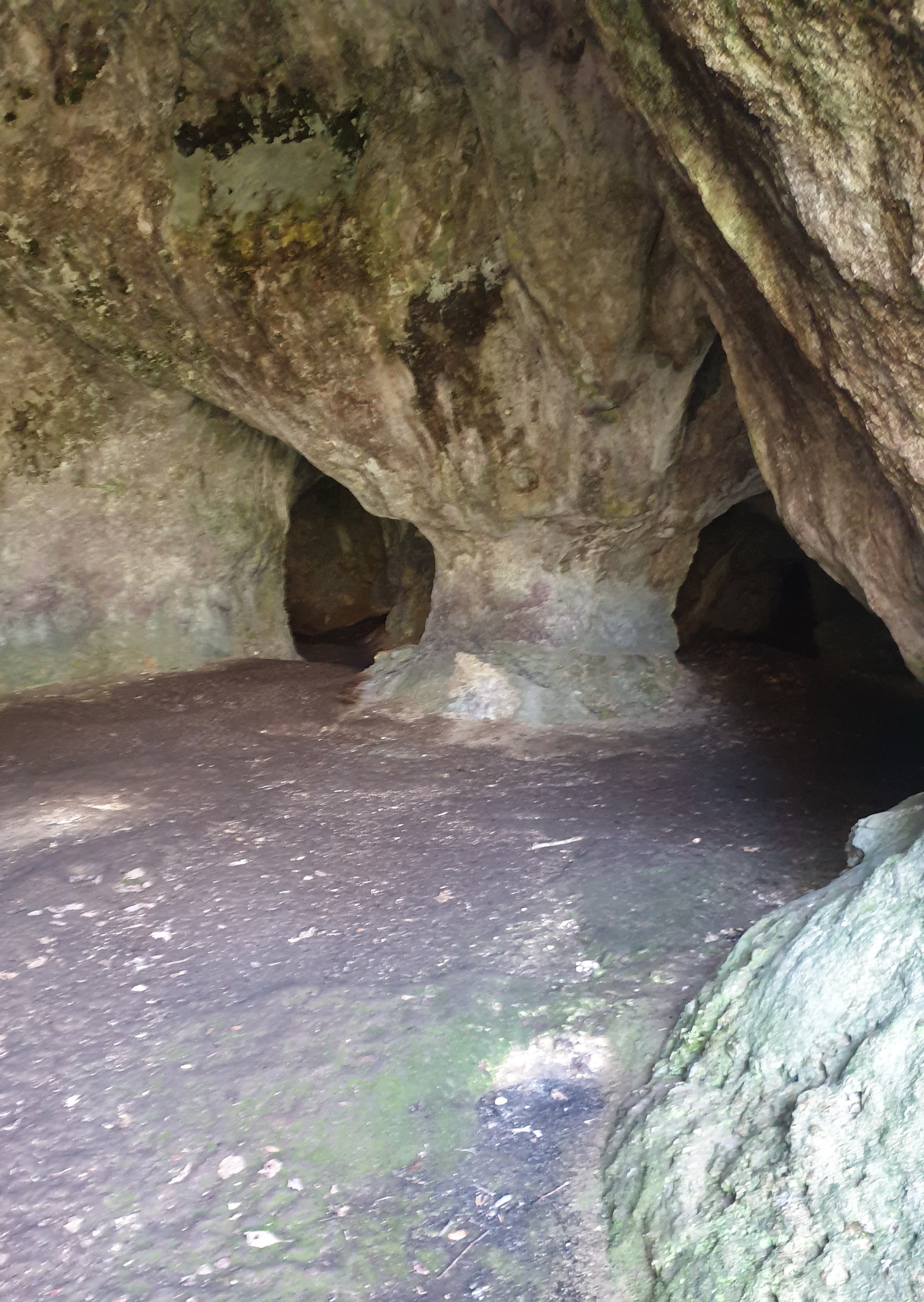
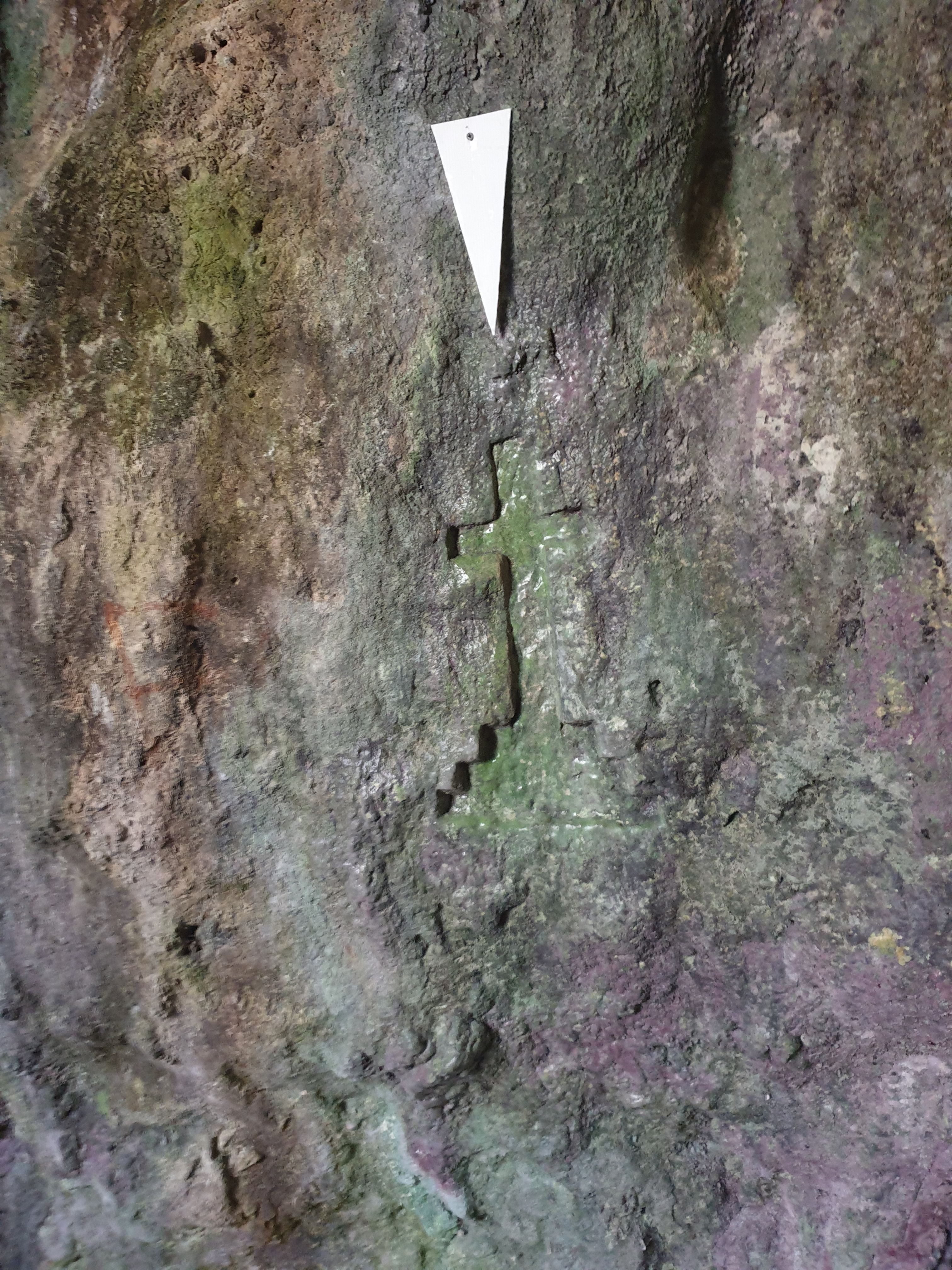
At this time of the year, only one of the walking routes was open and it took us through pretty woodlands to the sandstone cliffs and caves dating to prehistoric times. Neanderthal man lived in these caves approximately 50,000 years ago. The first prehistoric art works were probably made by Neanderthal. And here is the geology bit – the caves have been carved out by running rainwater through the limestone layer and the backwash of the river’s flow which follows the whole length of the caves.

The maintenance of the château and the grounds is on going, of course. Sadly, during a terrible storm in December 1999, 60% of the forest was destroyed. The project of replanting rows of oaks, lindons and field maples alongside the natural regeneration of the forest continues to this day.

So, a beautiful morning with the added plus of notching up 8000 plus steps! Oh! and in case you are wondering, there are about 45,000 châteaux in France.